TorontoOntario · 36 tours
 Niagara FallsOntario · 25 tours
 New York CityNew York · 30 tours
 Las VegasNevada · 8 tours
 San FranciscoCalifornia · 16 tours
 VancouverBritish Columbia · 17 tours
 DubaiUAE · 54 tours
 Abu DhabiUAE · 5 tours
 Buenos AiresArgentina · 23 tours
 AthensGreece · 31 tours
 AucklandNew Zealand · 38 tours
 CancunMexico · 54 tours
No destinations match “”. Try searching all tours instead — that search understands full questions, not just place names.
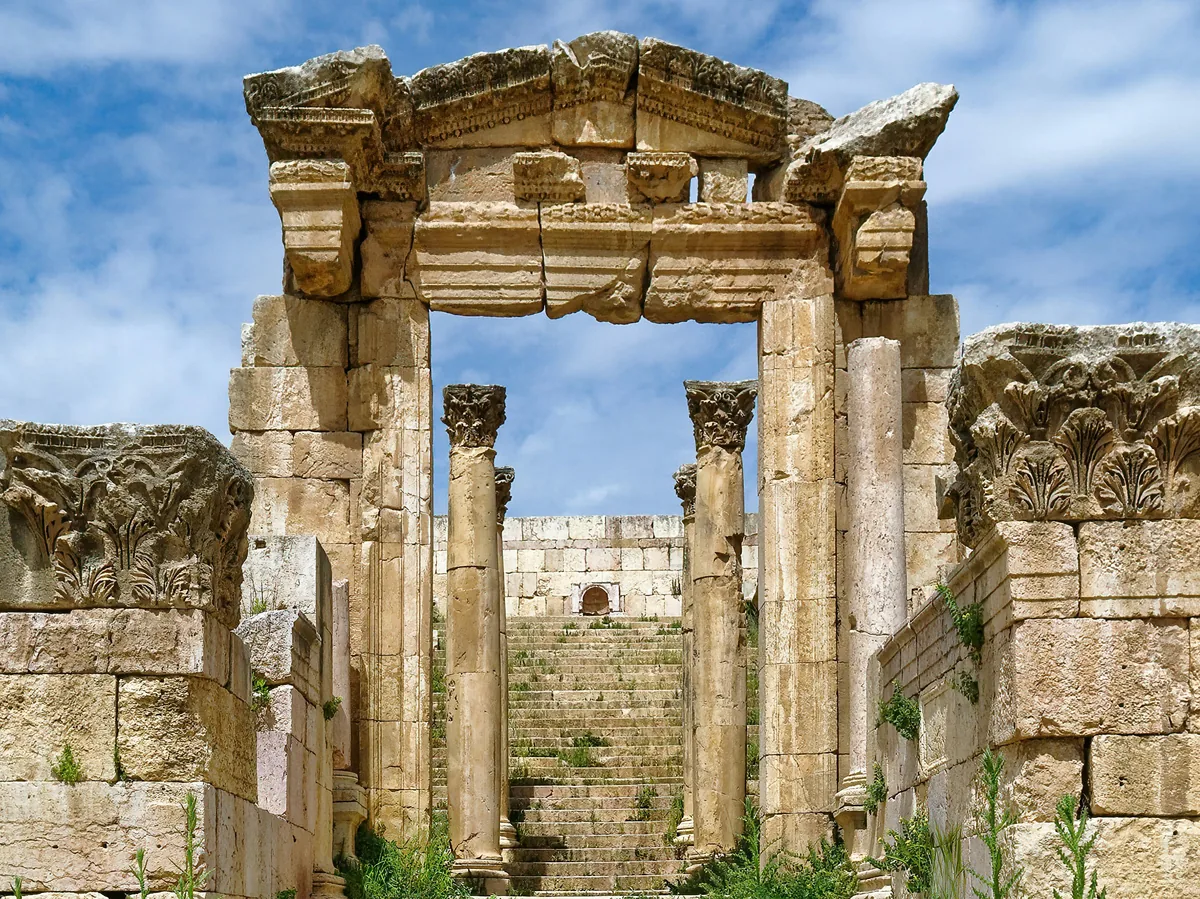
One of the best-preserved Roman provincial cities in the world, with a colonnaded main street, hippodrome, and temples to Artemis and Zeus north of Amman.
 Multi-Day Tours
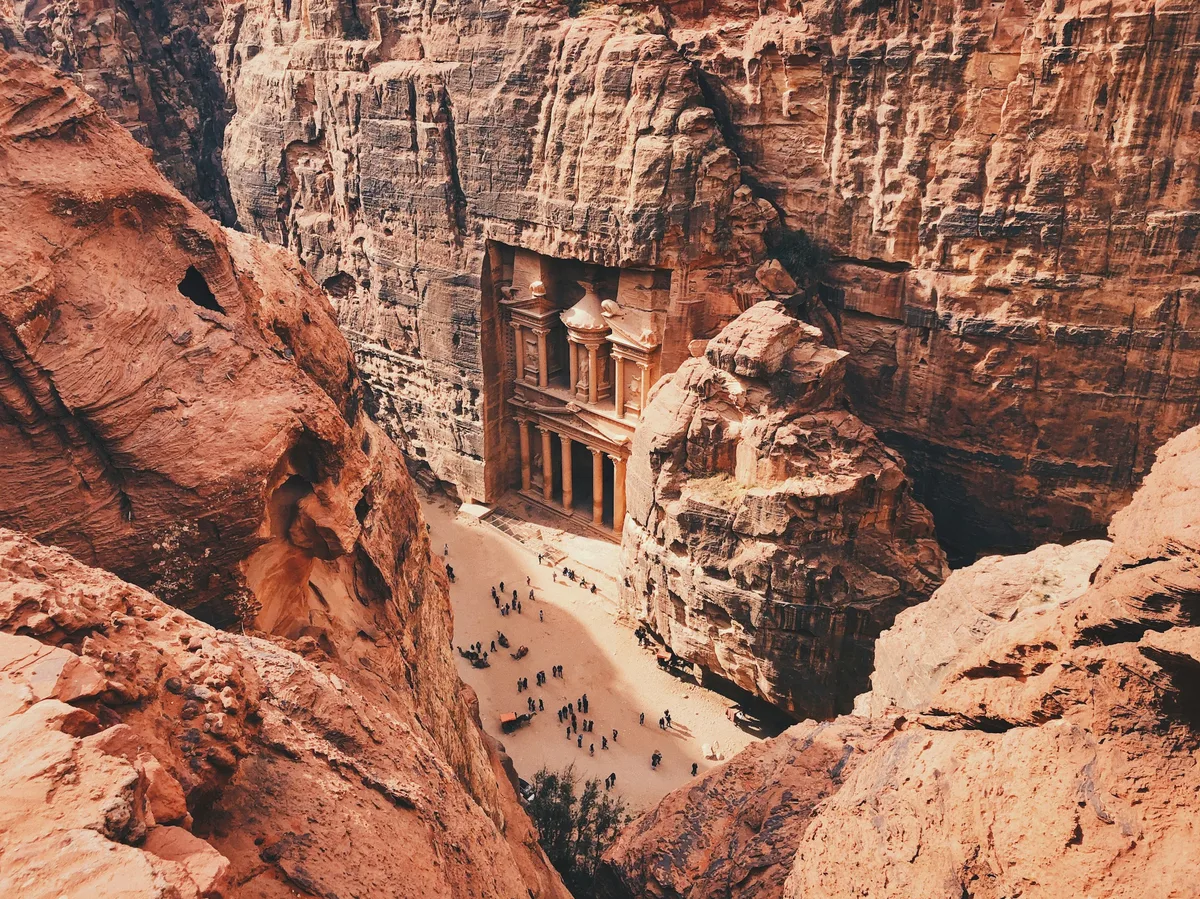
A two-country adventure that opens with Cairo, Luxor, and a Nile cruise to Aswan, then continues overland into Jordan to Petra, Wadi Rum, and the Dead Sea.
 Multi-Day Tours
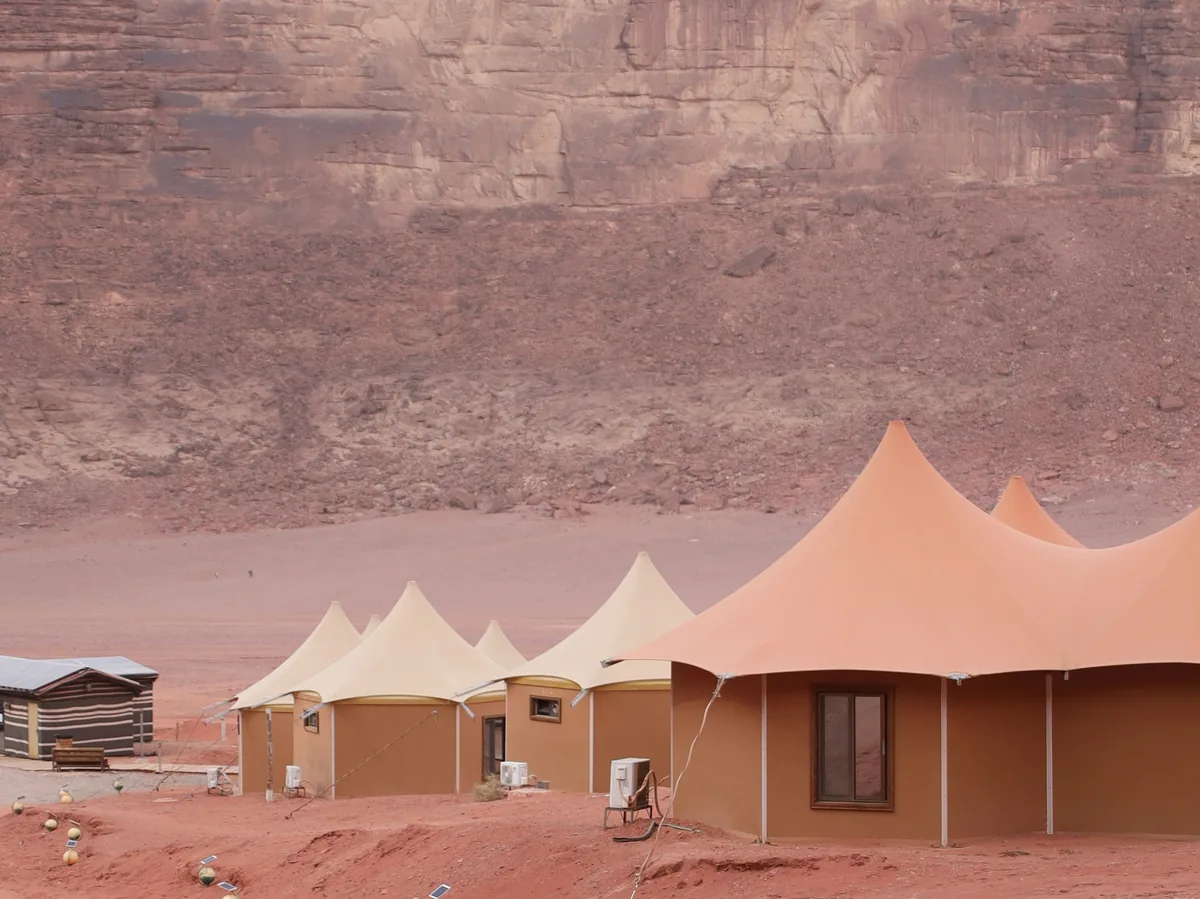
A family-friendly 8-day route from Madaba's mosaics and Jerash's Roman ruins through a Wadi Rum jeep safari and Bedouin camp, Aqaba's beaches, Petra, and a float in the Dead Sea.
 Multi-Day Tours
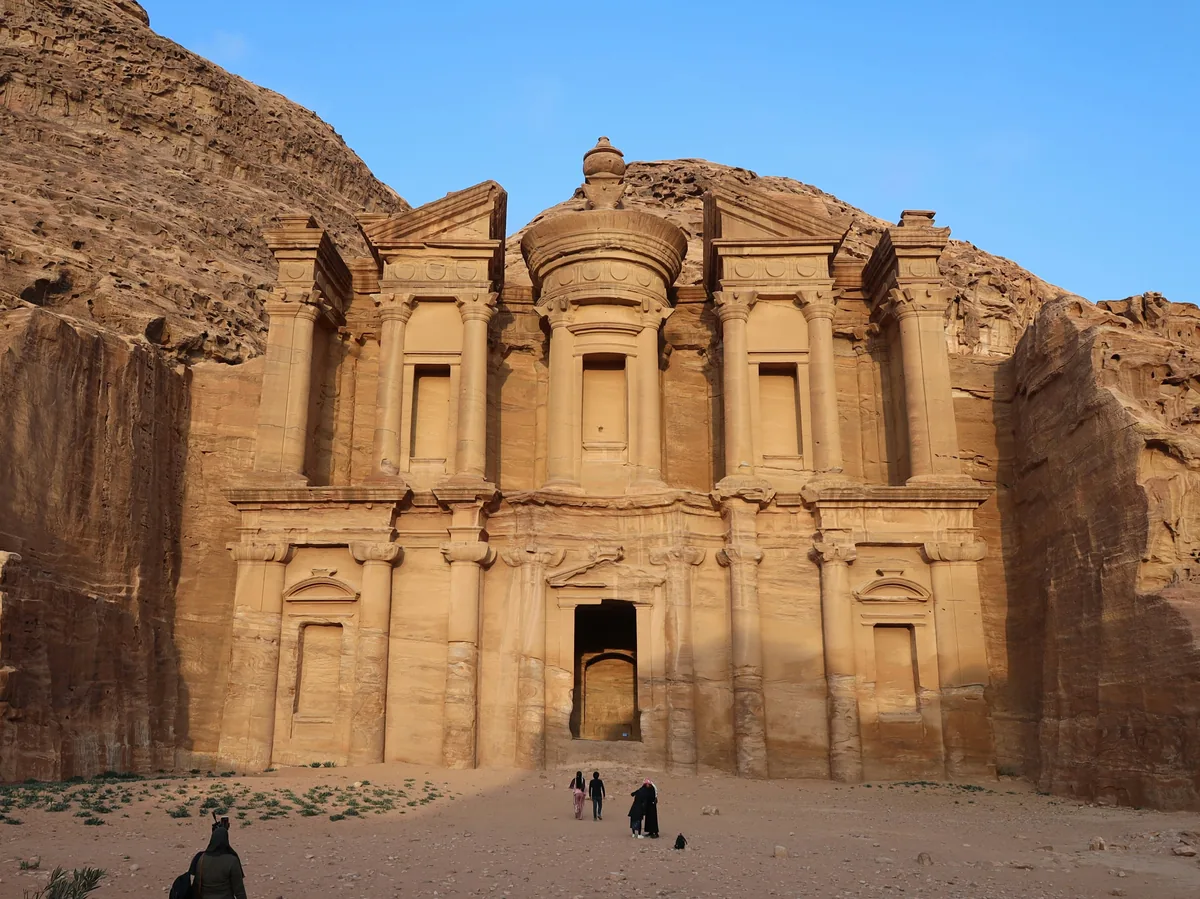
A 12-day route balancing Jordan's headline sights — Jerash, Petra, and Wadi Rum — with beach time in Aqaba, hiking in the Dana Nature Reserve and Wadi Mujib, and a relaxing day at the Dead Sea.
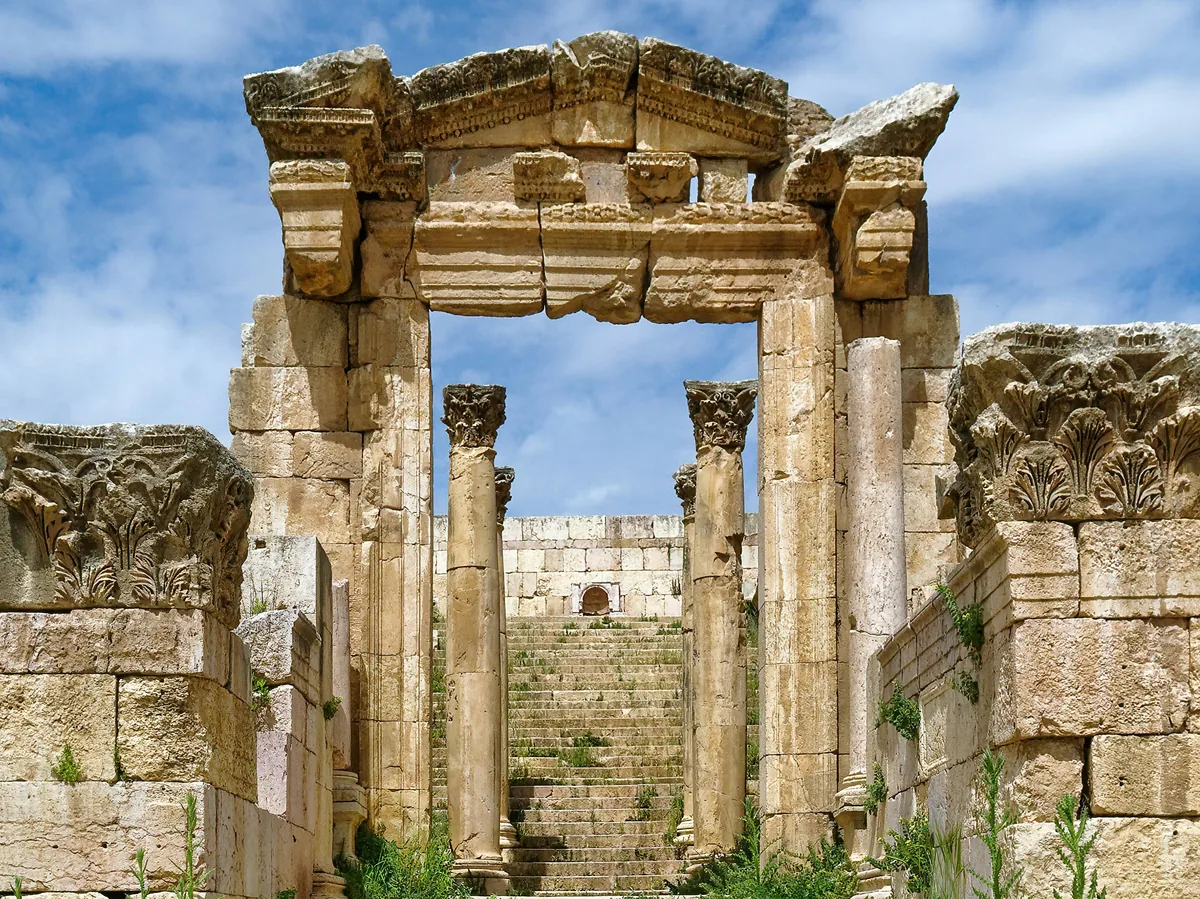 Multi-Day Tours
A 9-day culinary and cultural route through Jerash's Greco-Roman ruins, a cooking class in Petra, a Bedouin dinner in Wadi Rum, and wine and beer tastings back in Amman.
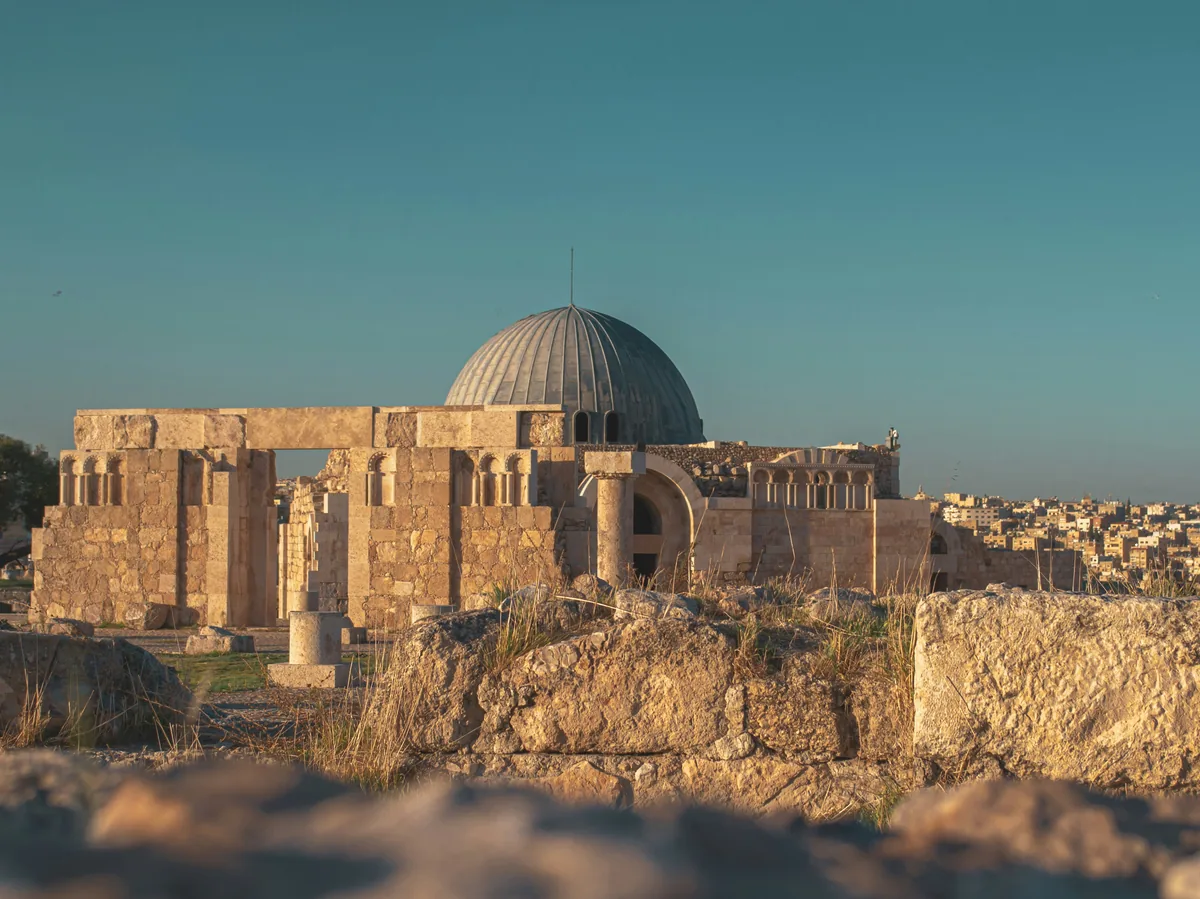 Multi-Day Tours
A 10-day cultural sweep from Amman's Citadel and downtown souks through Jerash, Umm Qais, the Umayyad desert castles, Madaba, Petra, Wadi Rum, and the Dead Sea.
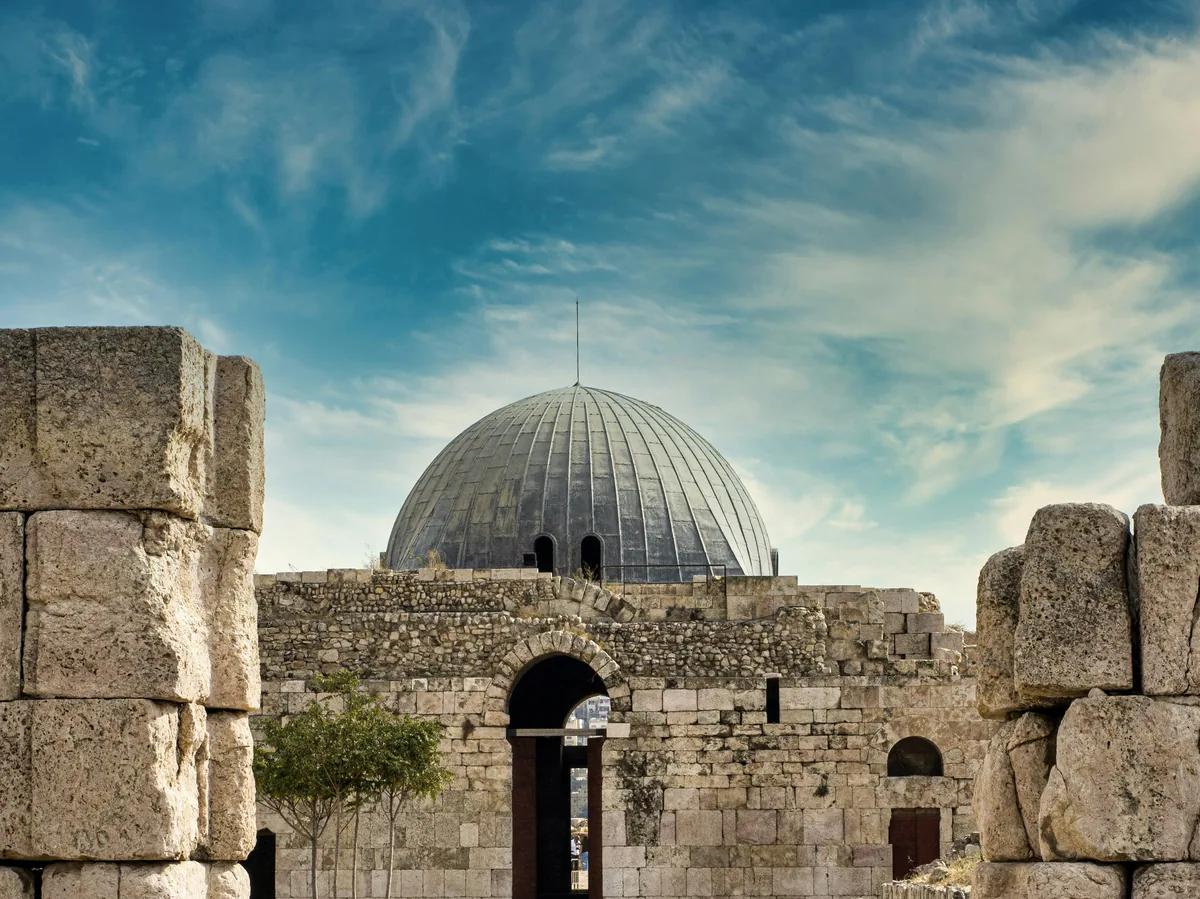 Multi-Day Tours
An 8-day loop starting and ending in Aqaba, covering Wadi Rum, Petra, the Dead Sea, the Bethany baptism site, Madaba, Jerash, Ajloun Castle, and Amman's Citadel.
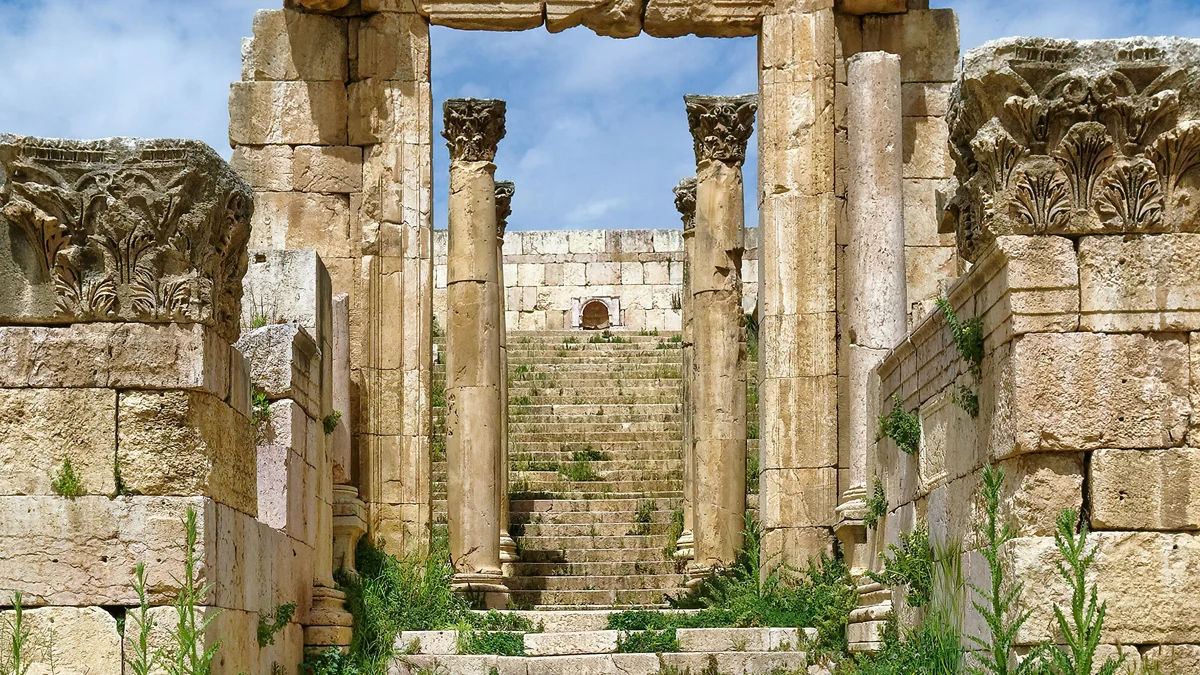 Multi-Day Tours
A fast-paced 5-day introduction to Jordan covering Madaba's mosaics, the Dana Nature Reserve, Petra, an overnight Bedouin camp in Wadi Rum, Amman's Citadel, and the Roman ruins of Jerash.
 Multi-Day Tours
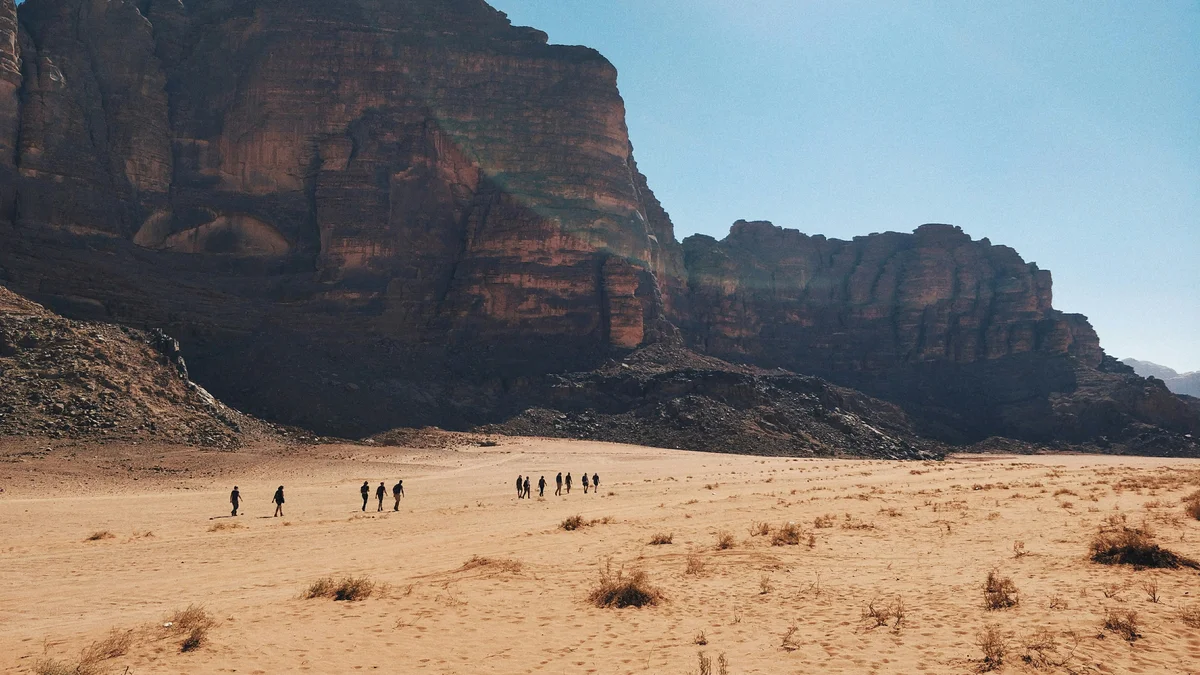
A comprehensive 14-day trek following sections of the Jordan Trail, from Amman and Jerash through the Dana and Feynan reserves, a multi-day hike into Little Petra and Petra, and a five-day traverse of Wadi Rum.
Visitor guide
Jerash, ancient Gerasa, is an archaeological city in northern Jordan about 48 kilometres north of Amman. Wikipedia describes it as one of the largest and best-preserved sites of Greek and Roman architecture outside Italy, and it is sometimes nicknamed the Pompeii of the Middle East.
The earliest evidence of settlement in the area is the Neolithic site of Tal Abu Sowan, dating to about 7500 BC. In the Hellenistic period Gerasa was a Greek city, sometimes called Antioch on the Golden River, and sources disagree about its founder, naming Alexander the Great with his general Perdiccas, the Seleucid king Antiochus IV or Ptolemy II of Egypt. After the Roman conquest of 63 BC, Pompey attached it to the Decapolis, a league of Hellenistic cities under Roman protection. It was absorbed into the Roman province of Arabia in AD 106, and Emperor Hadrian visited in AD 129 to 130, an occasion marked by the Arch of Hadrian. The city flourished in the second half of the 1st century AD through donations from wealthy citizens.
Excavations since 1925 have uncovered an oval forum about 300 feet long ringed by Ionic columns, a long colonnaded street known as the cardo with side streets, two theatres, sanctuaries dedicated to Artemis and Zeus, two tetrapyla, a hippodrome, baths, a nymphaeum fed by an aqueduct, a market and nearly complete city walls. At its peak the walled city covered about 80 hectares. There is also evidence of a water-powered sawmill, a technology known from elsewhere in the Roman world.
Late Roman and early Byzantine Jerash had a large Christian community. A cathedral was built in the 4th century, and at least 14 churches were built between the 4th and 7th centuries, many with fine mosaic floors. A mosaic dated to AD 530 beneath one church has Greek and Hebrew-Aramaic inscriptions, and scholars suggest the building was a synagogue later converted into a church. Jerash continued to prosper under the Umayyad Caliphate, with a large mosque, coins bearing its name and pottery production, but a devastating earthquake in 749 destroyed much of the city. Later earthquakes caused more damage.
In 1120 a garrison under Toghtekin of Damascus built a fort in the ruins, which Baldwin II of Jerusalem captured and burned in 1121 to 1122. The site was afterward largely deserted, and the 1596 Ottoman census recorded only 12 Muslim households. In 1885 the Ottoman authorities settled Circassian immigrants here, and the modern city has grown on the east side of the river that once divided the ancient city, leaving the ancient western side carefully preserved.
Since 1981 the Jerash Festival of Culture and Arts has been held in the ruins each summer. Performances by the Roman Army and Chariot Experience have also been staged at the hippodrome. Two museums, the Jerash Archaeological Museum and the Jerash Visitor Center, present finds from the site. In 2025, archaeologists reported a mass grave of about 230 people dating to the Plague of Justinian. Jerash is an easy day trip from Amman and is often combined with Ajloun Castle by private vehicle and driver, with a guide to explain the monuments.
See every tour and attraction we cover in Jordan.