TorontoOntario · 36 tours
 Niagara FallsOntario · 25 tours
 New York CityNew York · 30 tours
 Las VegasNevada · 8 tours
 San FranciscoCalifornia · 16 tours
 VancouverBritish Columbia · 17 tours
 DubaiUAE · 54 tours
 Abu DhabiUAE · 5 tours
 Buenos AiresArgentina · 23 tours
 AthensGreece · 31 tours
 AucklandNew Zealand · 38 tours
 CancunMexico · 54 tours
No destinations match “”. Try searching all tours instead — that search understands full questions, not just place names.
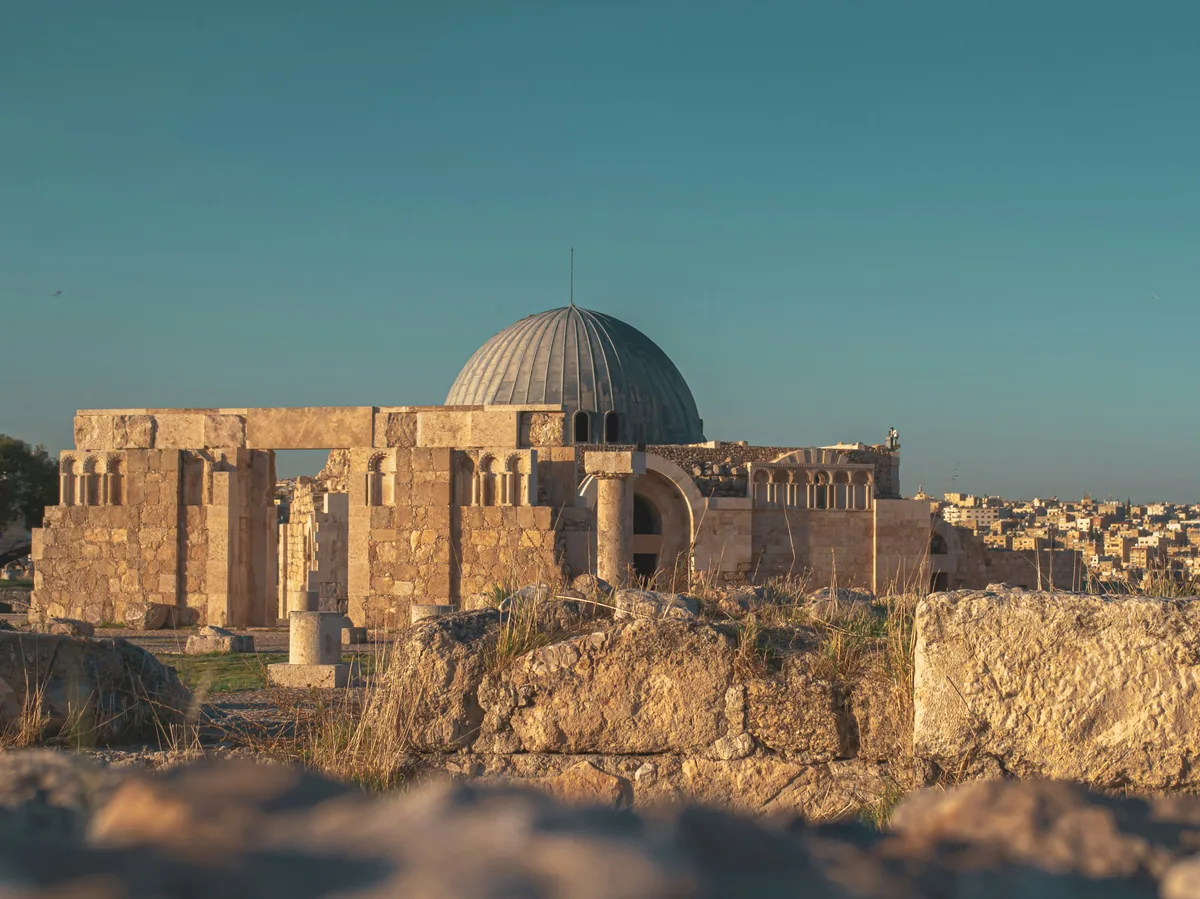
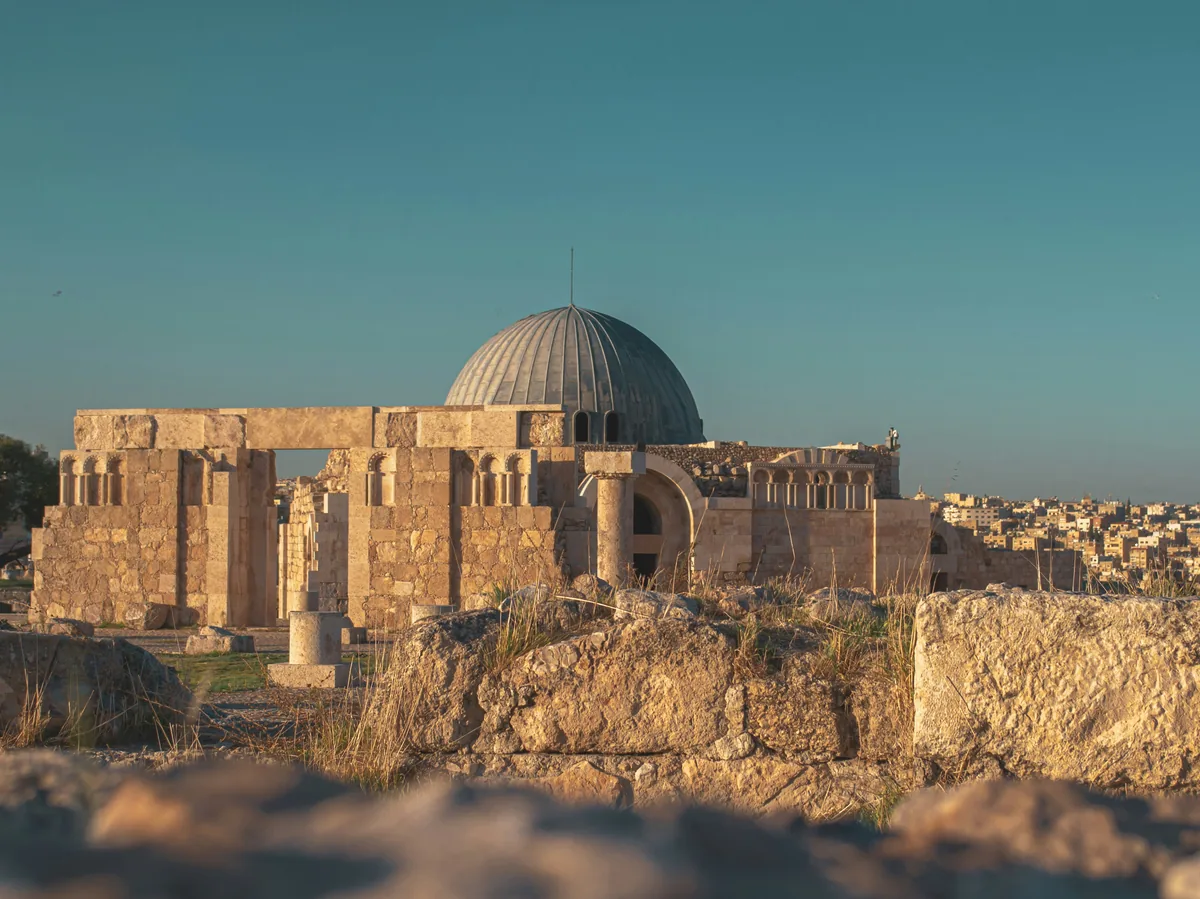
A hilltop archaeological site overlooking downtown Amman, with Roman, Byzantine, and Umayyad ruins including the Temple of Hercules.
 Multi-Day Tours
A 12-day route balancing Jordan's headline sights — Jerash, Petra, and Wadi Rum — with beach time in Aqaba, hiking in the Dana Nature Reserve and Wadi Mujib, and a relaxing day at the Dead Sea.
 Multi-Day Tours
A 10-day cultural sweep from Amman's Citadel and downtown souks through Jerash, Umm Qais, the Umayyad desert castles, Madaba, Petra, Wadi Rum, and the Dead Sea.
 Multi-Day Tours
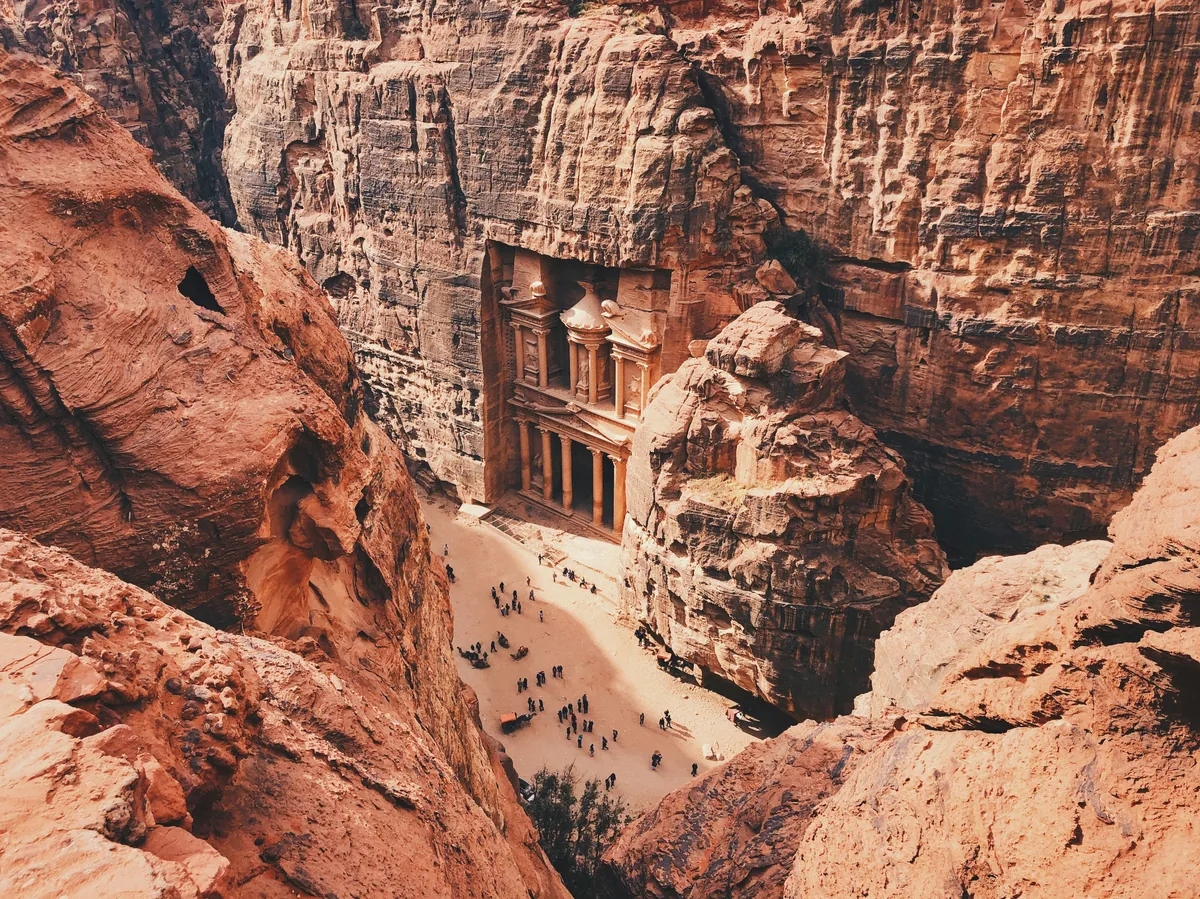
An 8-day loop starting and ending in Aqaba, covering Wadi Rum, Petra, the Dead Sea, the Bethany baptism site, Madaba, Jerash, Ajloun Castle, and Amman's Citadel.
 Multi-Day Tours
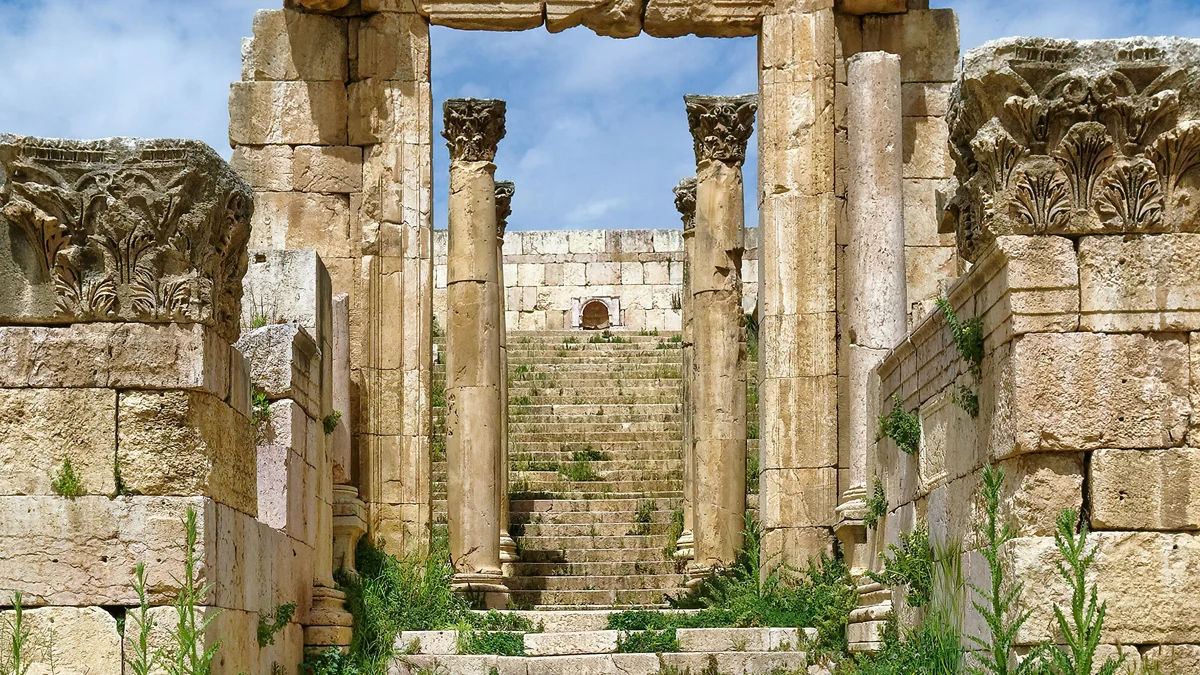
An 11-day heritage route through Amman's Citadel and Islamic shrines, the Yarmouk battlefield, the Eastern Desert's Azraq Castle, Karak, Petra's Jebel Haroun hike, Wadi Rum, and the Dead Sea.
 Multi-Day Tours
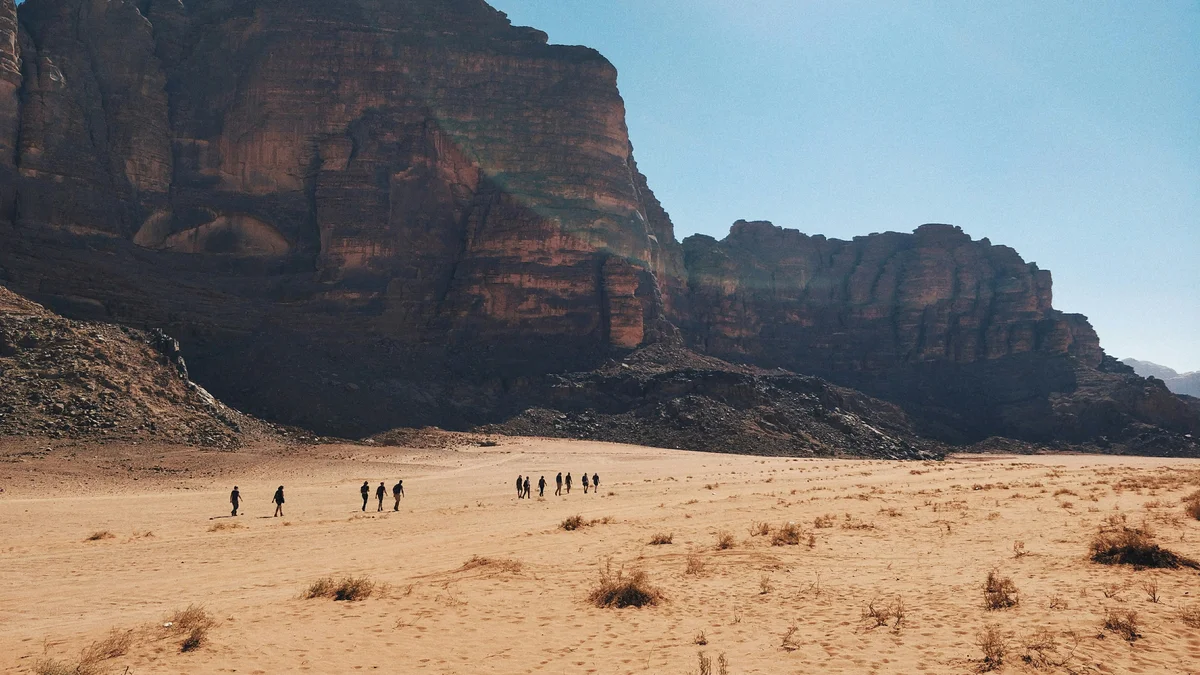
A fast-paced 5-day introduction to Jordan covering Madaba's mosaics, the Dana Nature Reserve, Petra, an overnight Bedouin camp in Wadi Rum, Amman's Citadel, and the Roman ruins of Jerash.
 Multi-Day Tours
A comprehensive 14-day trek following sections of the Jordan Trail, from Amman and Jerash through the Dana and Feynan reserves, a multi-day hike into Little Petra and Petra, and a five-day traverse of Wadi Rum.
Visitor guide
The Amman Citadel, known in Arabic as al-Qal'a, is an archaeological site on an L-shaped hill, Jabal al-Qal'a, rising above downtown Amman in central Jordan. Wikipedia describes it as among the world's oldest continuously inhabited places, and its ruins span the Bronze Age, Ammonite, Roman, Byzantine and Umayyad periods.
Evidence of habitation on the hill dates to the Neolithic, and it was fortified in the Bronze Age, around 1800 BCE. Sometime after 1200 BCE it became the capital of the Ammonite kingdom, and the Amman Citadel Inscription, in the Phoenician alphabet, is considered the oldest known inscription in the Ammonite language. Over the centuries the hill passed under Assyrian, Babylonian, Ptolemaic, Seleucid, Roman, Byzantine and Umayyad rule, and in Roman times the city spread well beyond the hill, which served as an acropolis. Roman control began around 30 BCE and Muslim rule in 661 CE. After the Umayyads the site was largely abandoned for much of a millennium until the Ottomans resettled Circassian refugees there in 1878.
The Great Temple, popularly called the Temple of Hercules, is considered the most significant Roman structure on the Citadel. An inscription links its construction to Geminius Marcianus, governor of the province of Arabia, around AD 161 to 166. It stood on a podium about 43 by 27 metres with a front portico of six columns about 13.5 metres tall. Some archaeologists think it was never finished. The Hercules name is disputed, since the deity cannot be securely identified, though an inscription found elsewhere in Amman in 1905 refers to a temple of Hercules. Marble fragments suggest a colossal statue of about 13 metres, of which only three fingers and an elbow survive.
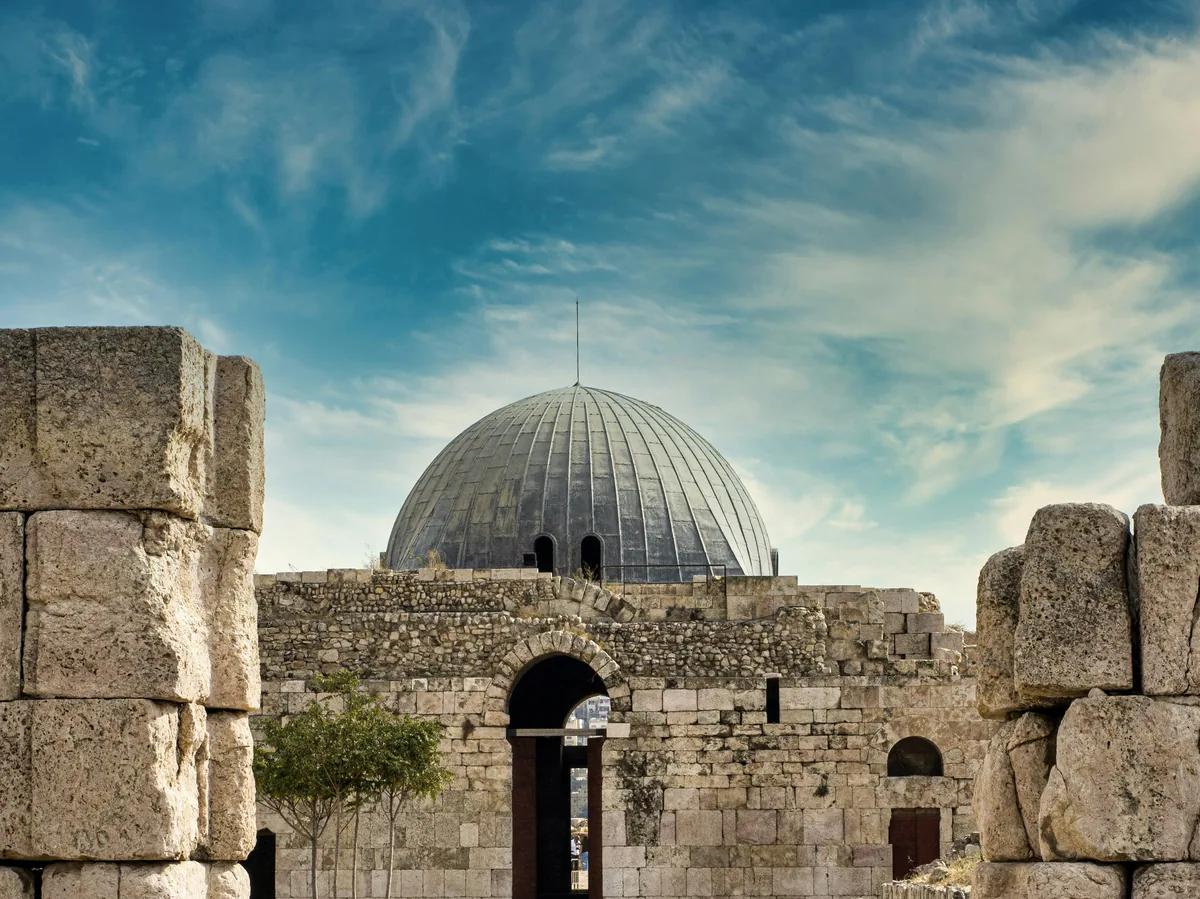
The 6th-century Byzantine church has a basilica plan with a central nave and side aisles, Corinthian capitals reused from the Great Temple and a preserved mosaic floor. The British explorer C. R. Conder first found and partly excavated it in 1881. Nearby stands the Umayyad palace complex, built under Caliph Hisham ibn Abd al-Malik, who ruled from 724 to 743. It includes an audience hall, four assembly rooms and a colonnaded road, and its architecture blends Byzantine, Sasanian and Islamic styles. A large cistern beside it supplied water for its baths and other areas.
A small stone watchtower on the southern wall, built in 1220 in the Ayyubid period, incorporates column drums from the Great Temple. It was once attributed to the Crusaders but is now generally dated to the Ayyubid era. The Jordan Archaeological Museum, established on the hill in 1951 or 1952 depending on the source, holds collections from prehistory to the 15th century, including some of the Ain Ghazal statues, among the oldest statues ever made, and plastered human skulls from Jericho. Wikipedia notes its prominence has diminished since the Jordan Museum opened in 2014, and the Copper Scroll, which was once displayed here, is now in that museum.
Italian, British, French, Spanish and Jordanian archaeologists have excavated at the Citadel since the 1920s, and much of the site remains unexcavated. Conservation projects began in 1995 to 1996 with Jordan's tourism and antiquities ministry, USAID and Spanish institutions. The hilltop gives views over the downtown bowl of Amman. A private guided visit with a driver is a convenient way to combine the Citadel with the Roman theatre and other central Amman sights.
See every tour and attraction we cover in Jordan.