TorontoOntario · 36 tours
 Niagara FallsOntario · 25 tours
 New York CityNew York · 30 tours
 Las VegasNevada · 8 tours
 San FranciscoCalifornia · 16 tours
 VancouverBritish Columbia · 17 tours
 DubaiUAE · 54 tours
 Abu DhabiUAE · 5 tours
 Buenos AiresArgentina · 23 tours
 AthensGreece · 31 tours
 AucklandNew Zealand · 38 tours
 CancunMexico · 54 tours
No destinations match “”. Try searching all tours instead — that search understands full questions, not just place names.
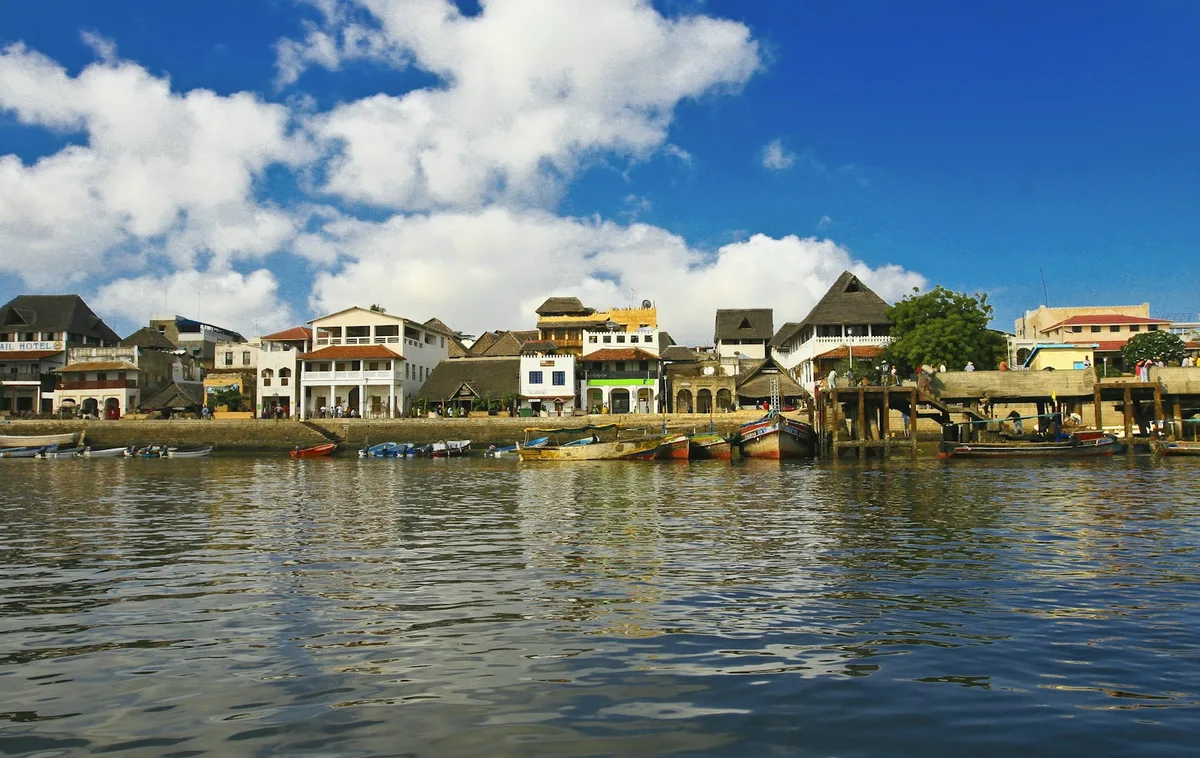
A UNESCO World Heritage Swahili trading town on Lamu Island, its coral-stone buildings and car-free streets largely unchanged since the 19th century.
Visitor guide
Lamu Old Town is a historic Swahili town on Lamu Island in the Lamu Archipelago off Kenya's northern coast. Designated a UNESCO World Heritage Site in 2001, it is regarded as the oldest and best-preserved Swahili settlement in East Africa, and it has no motor vehicles on its island, so donkeys and boats are the main transport.
The town is believed to have been founded around 1370 and is considered Kenya's oldest continually inhabited town, according to Wikipedia. It was originally called Amu, Arabs called it Al-Amu, and the Portuguese applied the name Lamon to the whole island. The earliest written mention comes from the Arab traveller Abu-al-Mahasini, who met a judge from Lamu in Mecca in 1441. The town lies about 341 kilometres by road northeast of Mombasa, and reaching the island requires a sea crossing from Mokowe Jetty.
In 1506 a Portuguese fleet blockaded Lamu, and the town's king agreed to pay tribute. In the 1580s Lamu rebelled against Portuguese control, and in 1652 Oman helped it resist. The period as an Omani protectorate, from the late 17th to the early 19th century, is often described as its golden age, when a council of elders ruled and the town became a centre of poetry, politics, arts, crafts and trade. Many of its buildings date from this era. The poet Mwana Kupona wrote Utendi Mwana Kupona here in 1858, an early landmark of Swahili literature. In 1812 locals drove off a combined Pate and Mazrui army on the beach in the Battle of Shela. Lamu later came under the influence of the Sultan of Zanzibar, and the 1890 Heligoland-Zanzibar Treaty placed it under British rule. A German post office operated here from 1888 to 1891, the first on the East African coast.
Wikipedia describes Lamu's Swahili architecture and its ornate carved doors and furniture made by local artisans. Lamu Fort, built under Fumo Madi ibn Abi Bakr, Sultan of Pate, was completed in the early 1820s and now houses a museum. The Riyadha Mosque is linked to a madrassa that became a major centre for Islamic studies in East Africa, and its annual Maulidi festival, celebrating the Prophet Muhammad's birth, draws pilgrims from several countries. The article counts 23 mosques in the town and notes museums devoted to Lamu, Swahili culture and the German postal history.
Because the island has no roads carrying motor vehicles, roughly 3,000 donkeys carry loads and people. The Donkey Sanctuary opened in 1987 after Elisabeth Svendsen first visited in 1985, and it treats donkeys free of charge. Harambee Avenue is known for food and shops, and artisans make boats, carved doors and furniture. The economy once relied on the slave trade, abolished in 1907, along with exports of ivory and mangrove poles. Many local people now work running dhow trips.
Besides Maulidi, the Lamu Cultural Festival has been held in late August since 2000, with dancing, kofia embroidery and dhow races. Visitors are expected to dress modestly out of respect for the town's Muslim residents. Lamu has a tropical savanna climate, with most rain falling from April to June. Travel is usually by air to Manda Airport and by boat, and a private guided visit gives a local guide to explain the old town.
See every tour and attraction we cover in Kenya.