TorontoOntario · 36 tours
 Niagara FallsOntario · 25 tours
 New York CityNew York · 30 tours
 Las VegasNevada · 8 tours
 San FranciscoCalifornia · 16 tours
 VancouverBritish Columbia · 17 tours
 DubaiUAE · 54 tours
 Abu DhabiUAE · 5 tours
 Buenos AiresArgentina · 23 tours
 AthensGreece · 31 tours
 AucklandNew Zealand · 38 tours
 CancunMexico · 54 tours
No destinations match “”. Try searching all tours instead — that search understands full questions, not just place names.
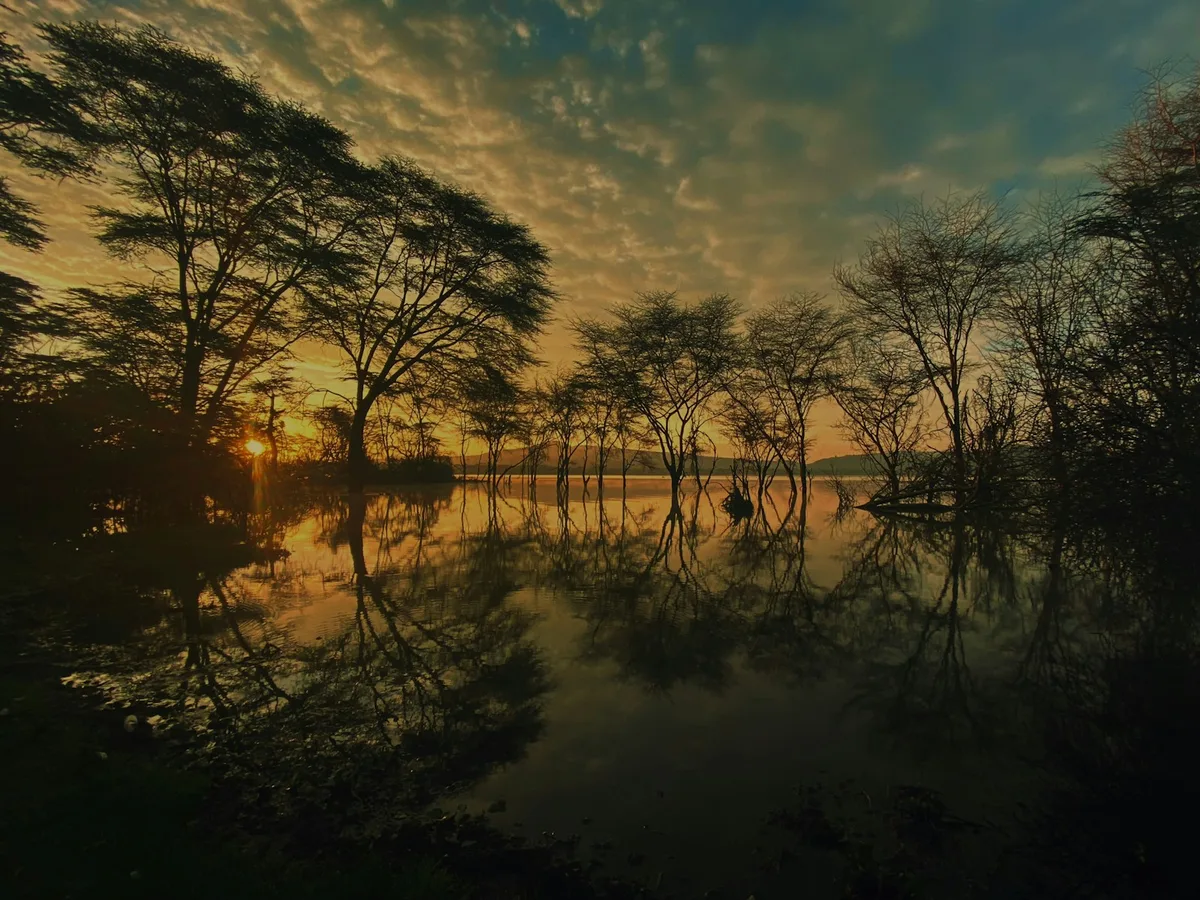
A freshwater lake in Kenya's Rift Valley ringed by flower farms and acacia woodland, known for its resident hippo population and prolific birdlife.
 Multi-Day Tours
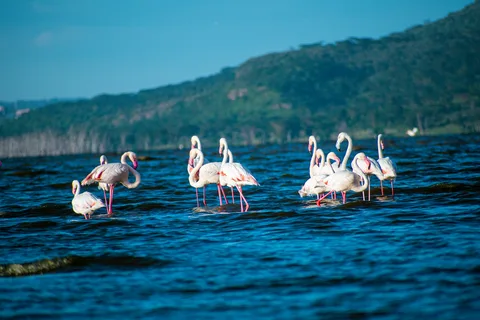
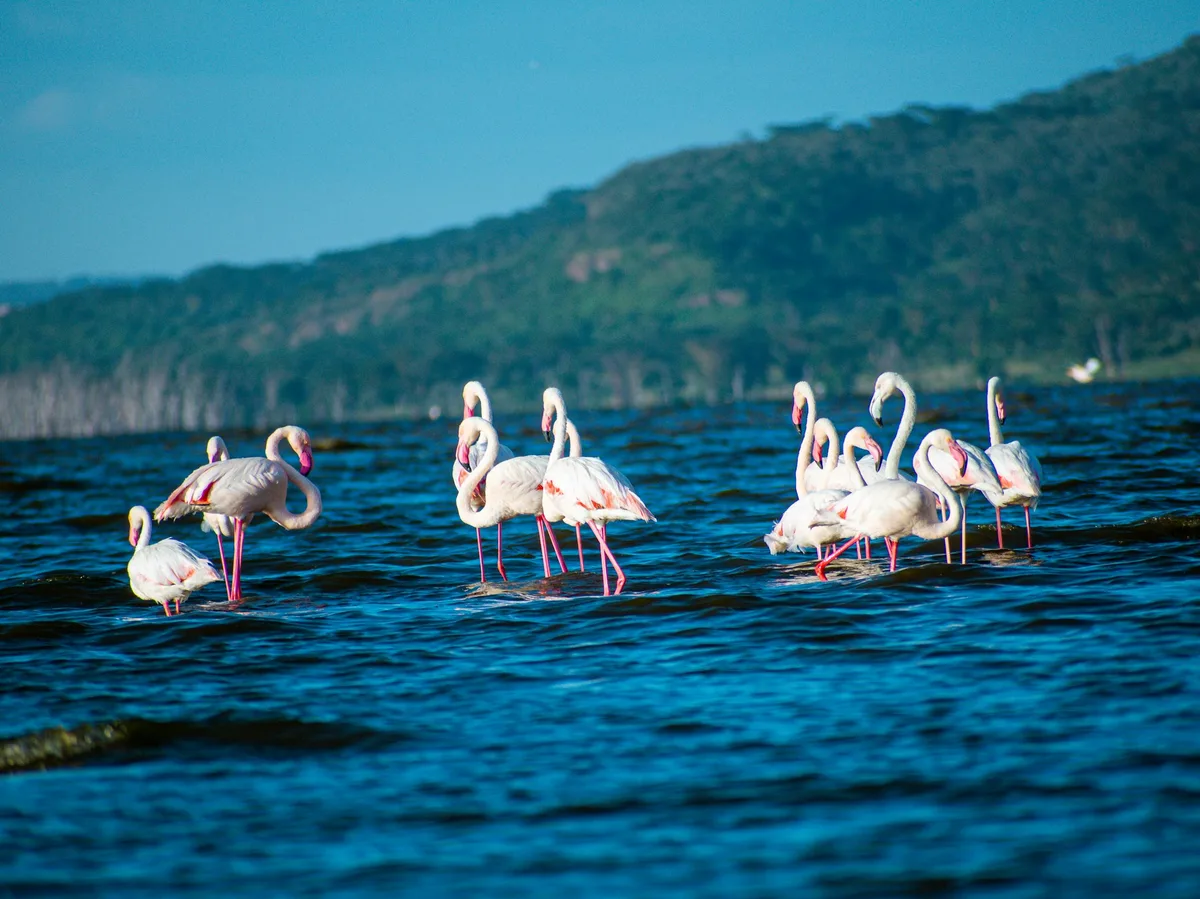
An 8-day safari through Kenya's Great Rift Valley — Nairobi's elephant sanctuary, Crescent Island's walking safari, the flamingos of Lake Nakuru, bird-rich Lake Baringo, and a finale in the Masai Mara.
 Multi-Day Tours
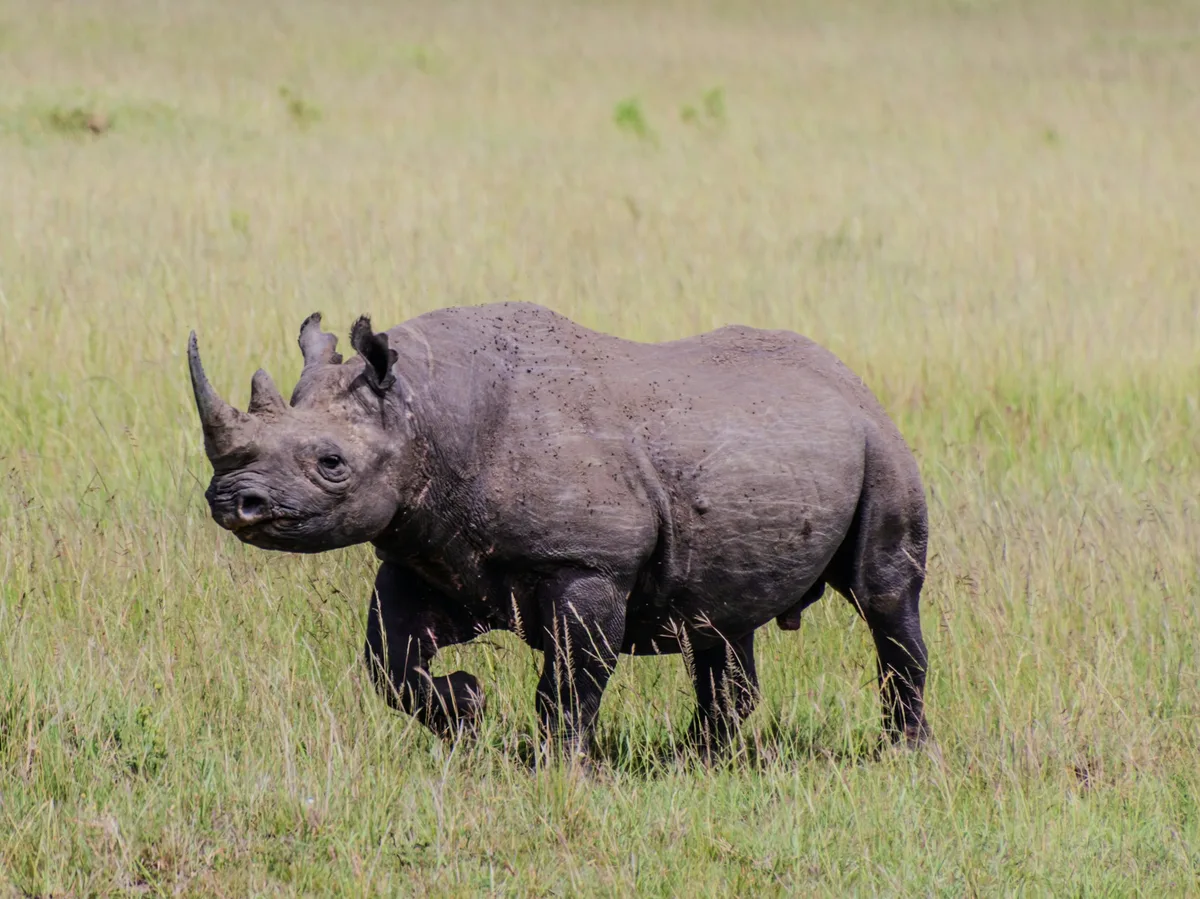
A 10-day safari built around Kenya's quieter reserves — Lake Elmenteita's flamingo shoreline, Crescent Island, Ol Pejeta's Big Five and rhino sanctuary, Meru National Park, and Samburu and Buffalo Springs' desert wildlife.
 Multi-Day Tours
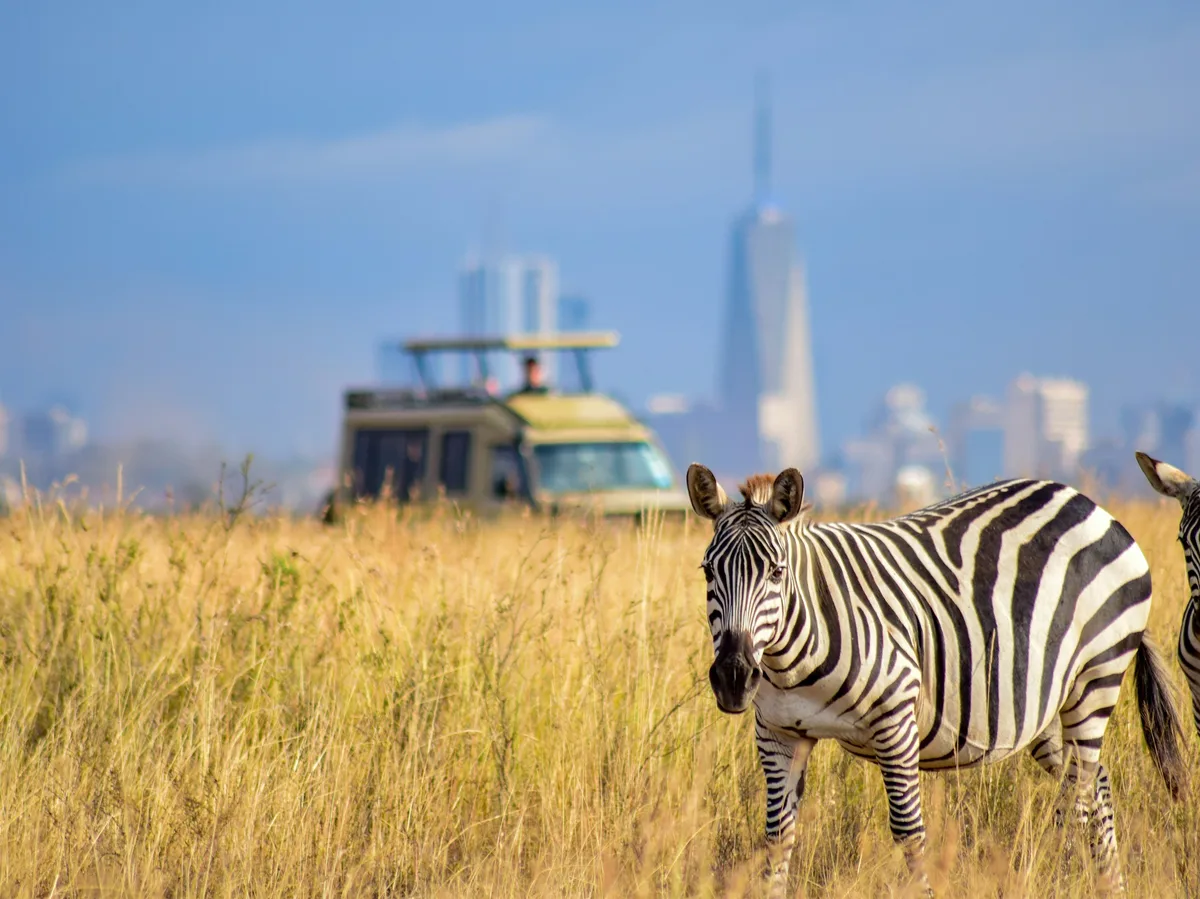
A 6-day introduction to Kenya crossing the Equator to Sweetwaters Game Reserve, the flamingo-lined shores of Lake Nakuru, and two days exploring the Masai Mara.
 Multi-Day Tours
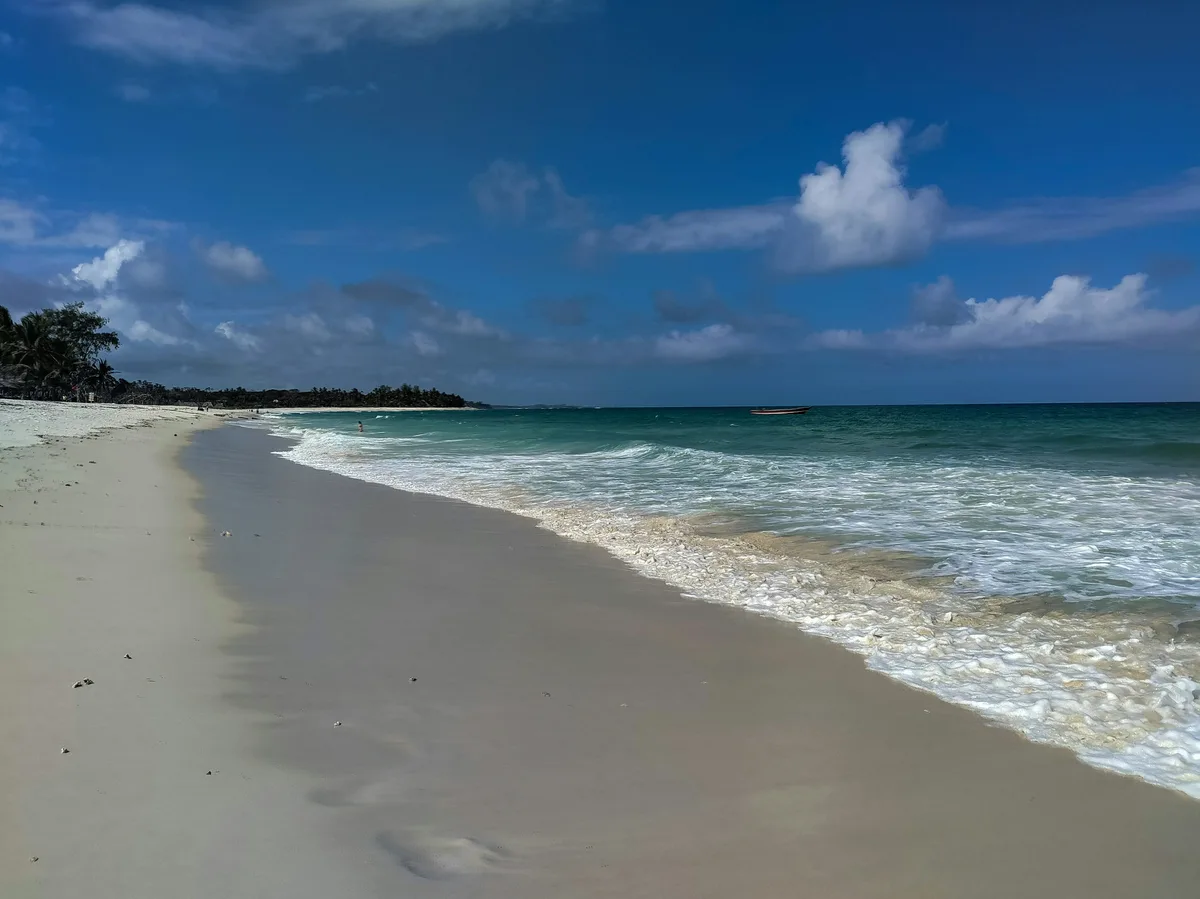
An 18-day Kenya journey pairing an in-depth safari — Samburu, Lake Baringo, Lake Bogoria, Lake Nakuru, the Masai Mara, and Lake Naivasha — with five relaxed days on the beach near Watamu.
Visitor guide
Lake Naivasha is a freshwater lake in Kenya's Great Rift Valley, outside the town of Naivasha in Nakuru County, northwest of Nairobi. Fringed by papyrus swamp and flower farms, it supports hippos and more than 400 bird species.
Wikipedia explains that the name comes from a Maasai term for large bodies of water that have wave action in the wind, translated as that which heaves, and that the English name came from a British attempt to pronounce it. The lake sits at 1,884 metres above sea level and has an average depth of about 6 metres, with its deepest point, about 30 metres, near Crescent Island. Its surface area was 139 square kilometres before 2010 and grew to 198 square kilometres by 2020, with a surrounding swamp of about 64 square kilometres. The Malewa and Gilgil rivers feed it. No outlet is known, so scientists assume water drains underground, which keeps the lake relatively fresh. Njorowa Gorge was once its outlet and now sits high above the lake at the entrance to Hell's Gate National Park.
The lake was designated a Ramsar wetland on 10 April 1995. In 1999 the Lake Naivasha Riparian Association won the Ramsar Wetland Conservation Award for its conservation work. Nearby features include Lake Oloiden, the green crater Lake Sonachi and the Crater Lake Game Sanctuary.
The lake supports over 400 bird species and a sizeable hippo population. Fish populations have changed over time because of climate, fishing and invasive species, and common carp, accidentally introduced in 2001, made up more than 90 percent of the catch by weight by 2010.
From 1937 to 1950 the lake served as a landing place for flying boats on the Imperial Airways route between Southampton and South Africa. Joy Adamson, author of Born Free, lived on the shore in the mid-1960s. The Oserian estate, known as Djinn Palace, gained notoriety during the Happy Valley era between the world wars.
Floriculture is the main industry around the lake, and fishing provides employment for local people. The first geothermal plant in the area was commissioned in 1981, and by 1985 it generated 45 megawatts. The lake level has changed dramatically: it nearly dried up in the 1890s, fell to 0.6 metres in 1945 and recovered to nearly 6 metres by 1968. Unregulated irrigation with lake water is a concern, and the lakeside population is approaching one million, which adds pressure from farming and sewage.
Lake Naivasha is a short drive from Nairobi and close to Hell's Gate and Lake Nakuru. A private guided visit with a vehicle and driver lets you combine the lake with these nearby sites and see hippos and birdlife along the shore, with a guide explaining the lake's ecology.
See every tour and attraction we cover in Kenya.