TorontoOntario · 36 tours
 Niagara FallsOntario · 25 tours
 New York CityNew York · 30 tours
 Las VegasNevada · 8 tours
 San FranciscoCalifornia · 16 tours
 VancouverBritish Columbia · 17 tours
 DubaiUAE · 54 tours
 Abu DhabiUAE · 5 tours
 Buenos AiresArgentina · 23 tours
 AthensGreece · 31 tours
 AucklandNew Zealand · 38 tours
 CancunMexico · 54 tours
No destinations match “”. Try searching all tours instead — that search understands full questions, not just place names.
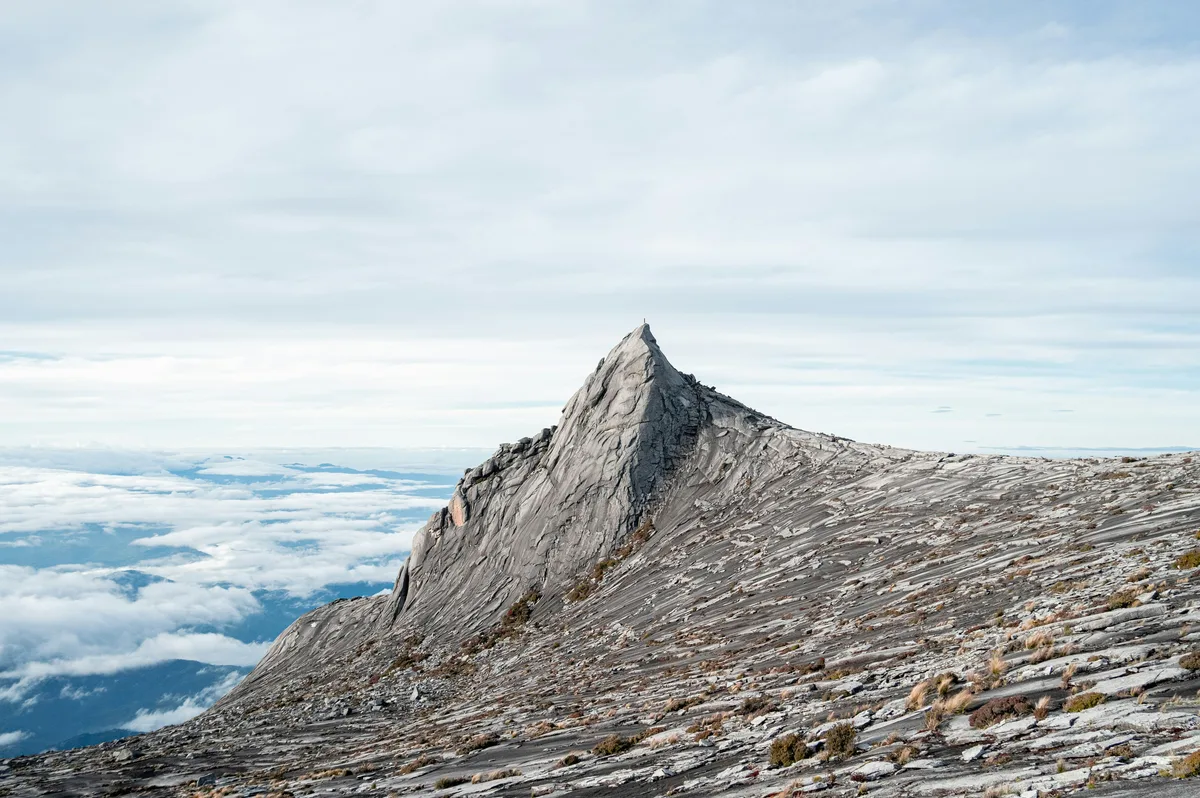
A UNESCO World Heritage site in Sabah built around Mount Kinabalu, home to more than 4,500 identified species including giant carnivorous pitcher plants.
 Multi-Day Tours
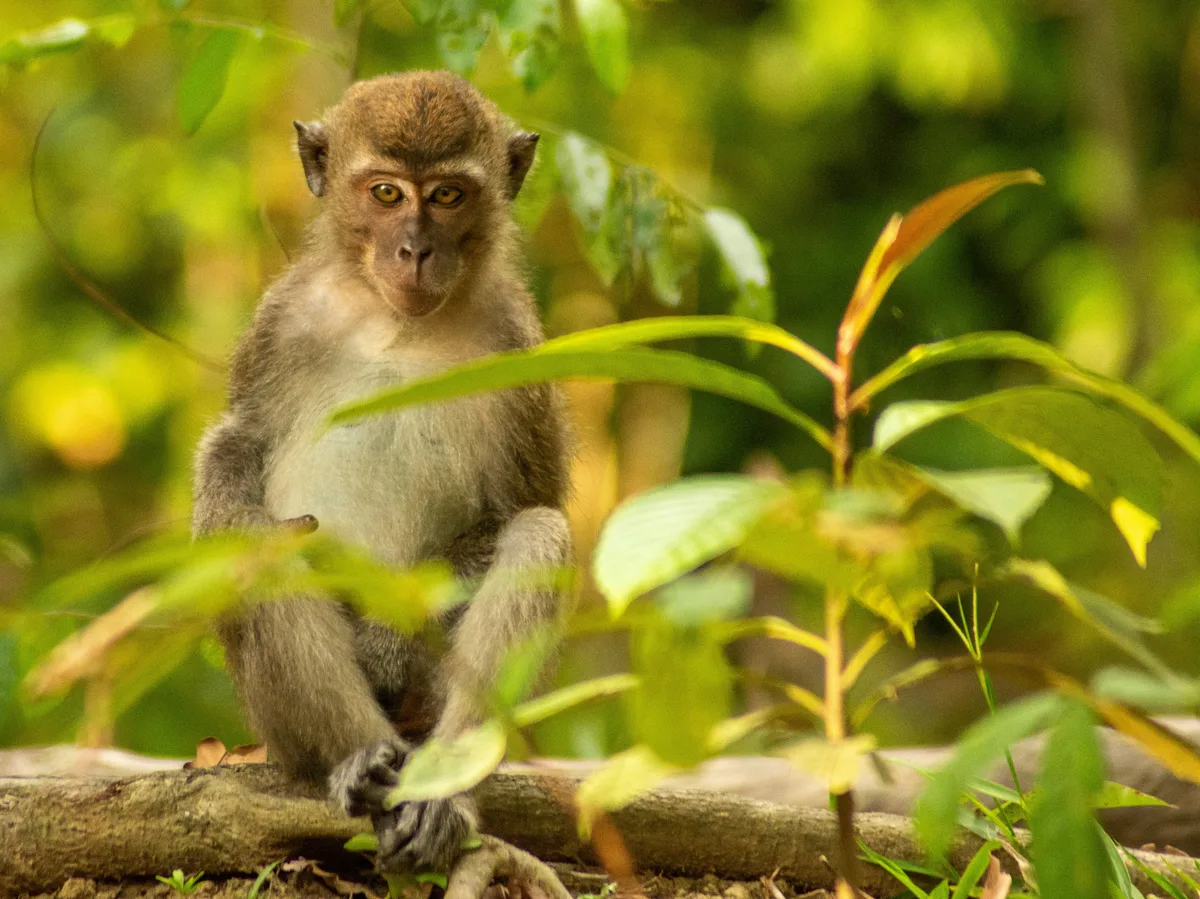
An 8-day Borneo wildlife trip built for families — orangutans and sun bears at Sepilok, dawn and dusk river cruises on the Kinabatangan spotting proboscis monkeys, and the biodiversity of Kinabalu National Park from a Kota Kinabalu base.
 Multi-Day Tours
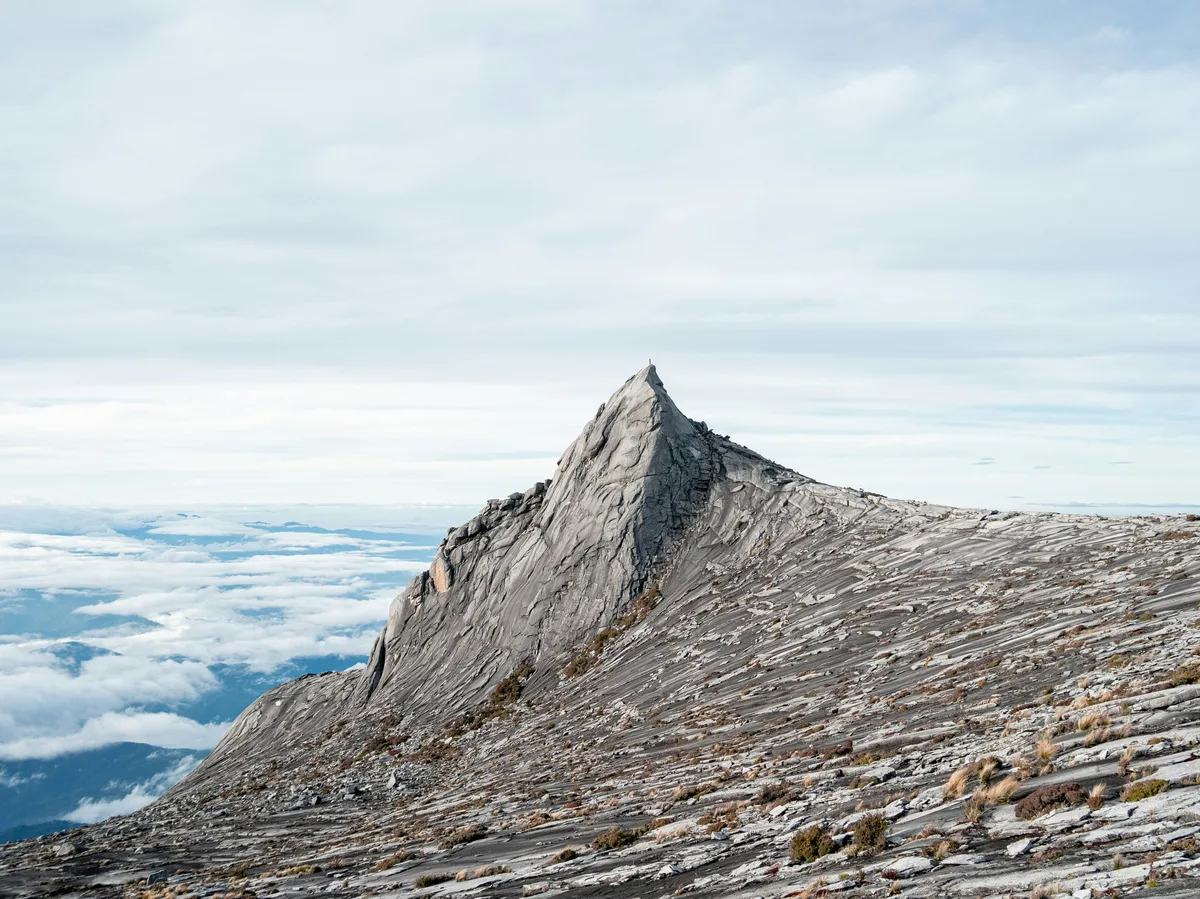
A 12-day Sabah journey from the colonial charm of Kota Kinabalu to Kinabalu National Park, wildlife cruises on the Kinabatangan River, and two days deep in the primeval rainforest of Danum Valley.
 Multi-Day Tours
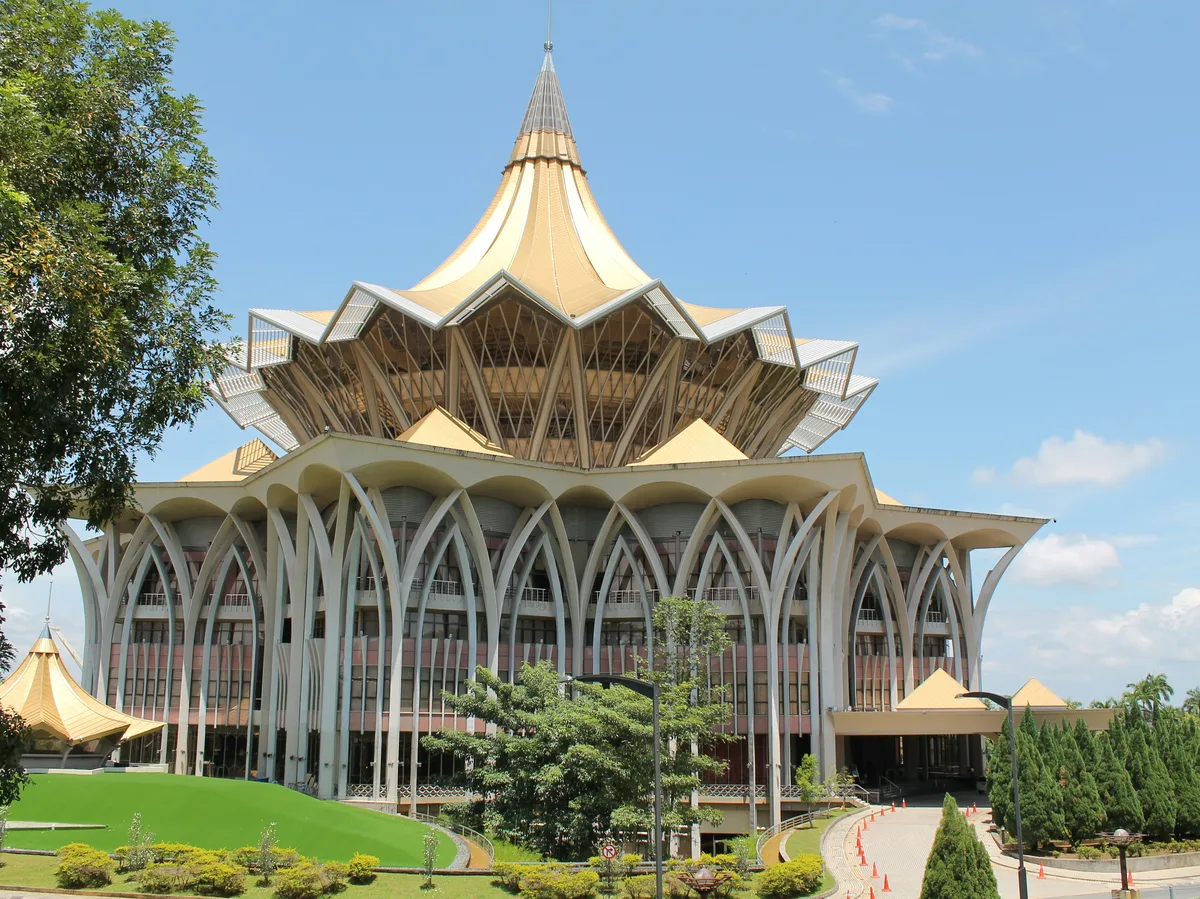
A 10-day journey through Borneo's history, culture, and wildlife — Kuching's colonial riverfront and an Iban longhouse near Batang Ai, the cave systems of Gunung Mulu National Park, and three nights of wildlife cruises on the Kinabatangan River.
 Multi-Day Tours
An 8-day journey through the wild heart of North Borneo — traditional Sabah culture, the biodiversity of Kinabalu National Park, wildlife cruises on the Kinabatangan River, two days in the rainforest of Danum Valley, and a finish on Gaya Island.
 Multi-Day Tours
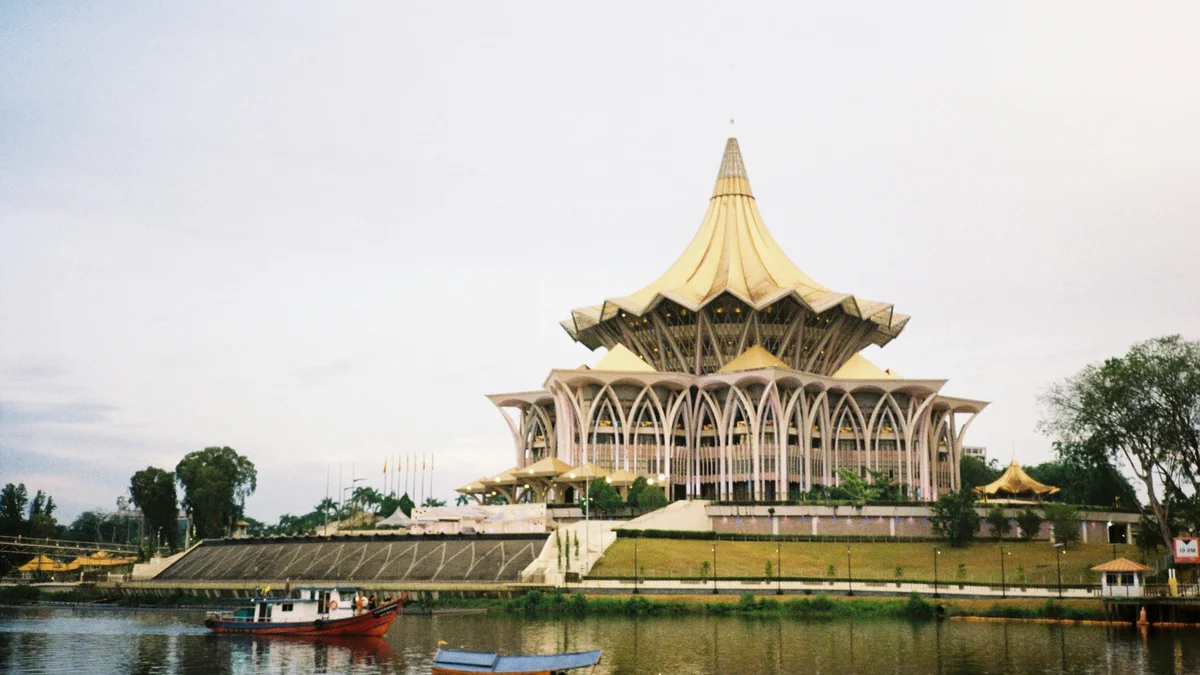
A 6-day highlights trip through Malaysian Borneo — Kuching's riverfront and museums, an Iban longhouse near Batang Ai, the biodiversity of Kinabalu National Park, and wildlife cruises on the Kinabatangan River.
Visitor guide
Kinabalu Park is a national park on the west coast of Sabah, Malaysian Borneo, built around Mount Kinabalu, the highest mountain in Malaysia and in Maritime Southeast Asia. Established in 1964 as one of the first national parks in Malaysia, it became Malaysia's first UNESCO World Heritage Site in December 2000. It covers about 754 square kilometres and is administered by Sabah Parks.
According to Wikipedia, Mount Kinabalu stands 4,095 metres tall. A satellite re-survey in 1997 established the summit, Low's Peak, at that height, about 6 metres lower than the earlier published figure. The summit is named for Hugh Low, the British colonial administrator and naturalist who led an expedition from Tuaran in 1851 and is recorded as the first person to reach the summit plateau (the highest point, Low's Peak, was first climbed by John Whitehead in 1888).
Geologically the mountain is a granodiorite pluton that intruded into older sedimentary and ultrabasic rocks. It is considered very young, as the granite cooled around 10 million years ago, and it is still rising at roughly 5 millimetres a year. During the Pleistocene, around 100,000 years ago, glaciers scoured the summit and carved Low's Gully on the north side, a ravine described as 1,800 metres deep. In October 2022 the International Union of Geological Sciences included the Kinabalu granite in its list of 100 geological heritage sites.
UNESCO recognises the park as one of the most important biological sites in the world, with more than 4,500 species of flora and fauna recorded, including 326 bird and around 100 mammal species. It has been identified as a Centre of Plant Diversity for Southeast Asia, containing representatives of at least half of Borneo's plant species. Elements from Chinese, Australian, Himalayan and Malaysian floras all appear here.
Vegetation changes with elevation across four climate zones, from lowland dipterocarp forest through montane oak and rhododendron forest and conifer forest to alpine meadow plants and stunted bushes near the summit. The mountain is known for carnivorous plants and orchids, most notably the giant pitcher plant Nepenthes rajah, and for endemic animals such as the Kinabalu giant red leech and the Kinabalu giant earthworm. A botanical survey estimated 5,000 to 6,000 plant species on the mountain, including 866 orchid species and more than 600 ferns.
Climbers must be accompanied by an accredited guide at all times because of park regulations and the risk of altitude sickness. Wikipedia notes that the summit can be reached by a fit person without mountaineering equipment on the main route. The main summit trail begins at Timpohon, and an alternative is the Mesilau Trail. Summit temperatures can fall below freezing in the cooler months, with frost and ice on occasion.
The park headquarters is about 88 kilometres from Kota Kinabalu at an elevation of 1,563 metres, and sealed roads lead to it from elsewhere in Sabah. Chalets are found around the headquarters. In 2010 the park received 611,624 visitors, including 47,613 climbers, according to the article.
Not everyone comes to climb. The lower slopes offer walking trails through montane forest, with chances to see orchids, ferns and pitcher plants and to watch for birds. Mountain weather changes quickly and the summit is often in cloud. A private guided visit lets a guide interpret the vegetation zones and help match the plan to the weather.
See every tour and attraction we cover in Malaysia.