TorontoOntario · 36 tours
 Niagara FallsOntario · 25 tours
 New York CityNew York · 30 tours
 Las VegasNevada · 8 tours
 San FranciscoCalifornia · 16 tours
 VancouverBritish Columbia · 17 tours
 DubaiUAE · 54 tours
 Abu DhabiUAE · 5 tours
 Buenos AiresArgentina · 23 tours
 AthensGreece · 31 tours
 AucklandNew Zealand · 38 tours
 CancunMexico · 54 tours
No destinations match “”. Try searching all tours instead — that search understands full questions, not just place names.
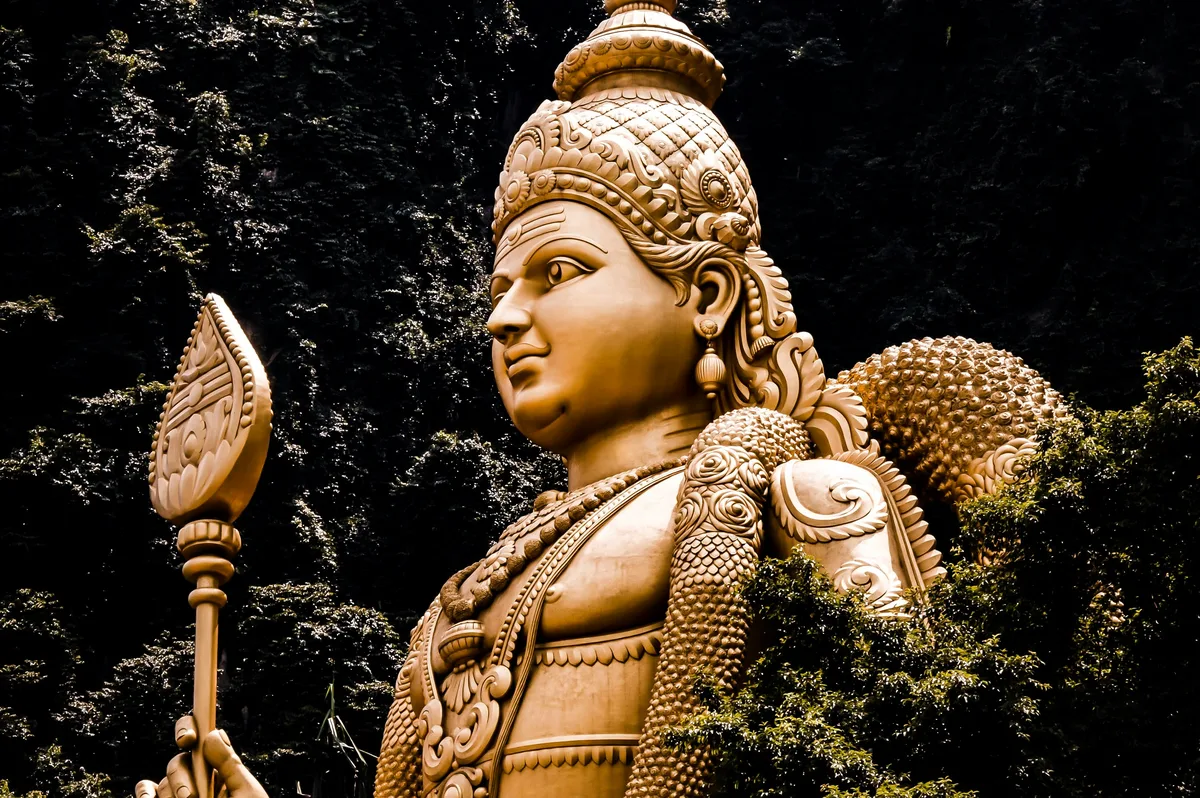
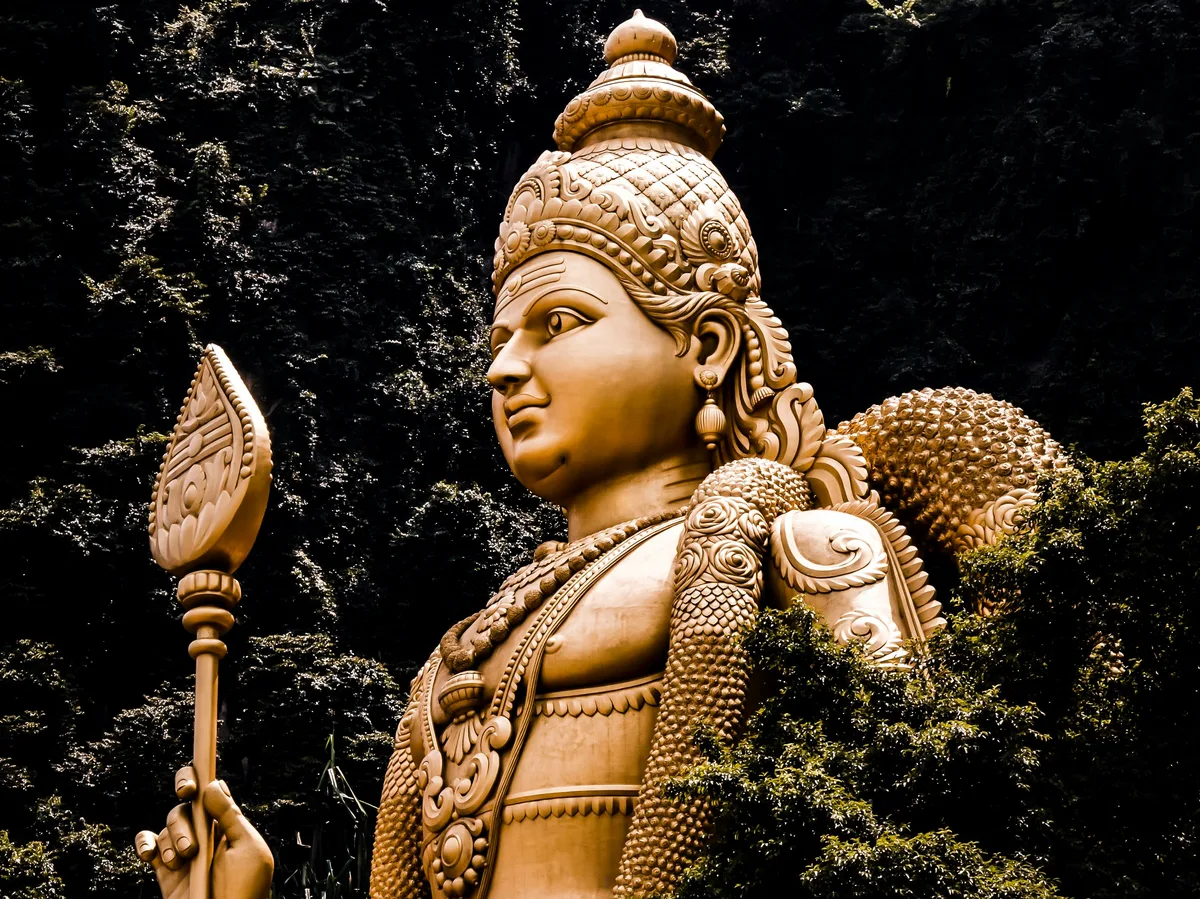
A limestone hill temple complex just outside Kuala Lumpur, reached by a 272-step climb past a towering golden statue of Lord Murugan.
 Multi-Day Tours
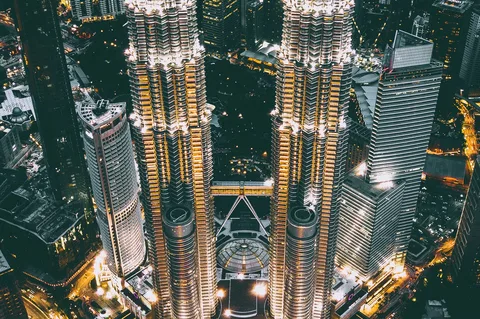
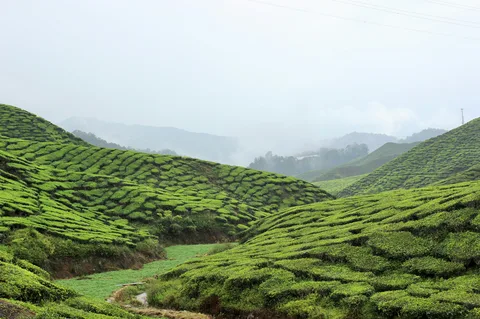
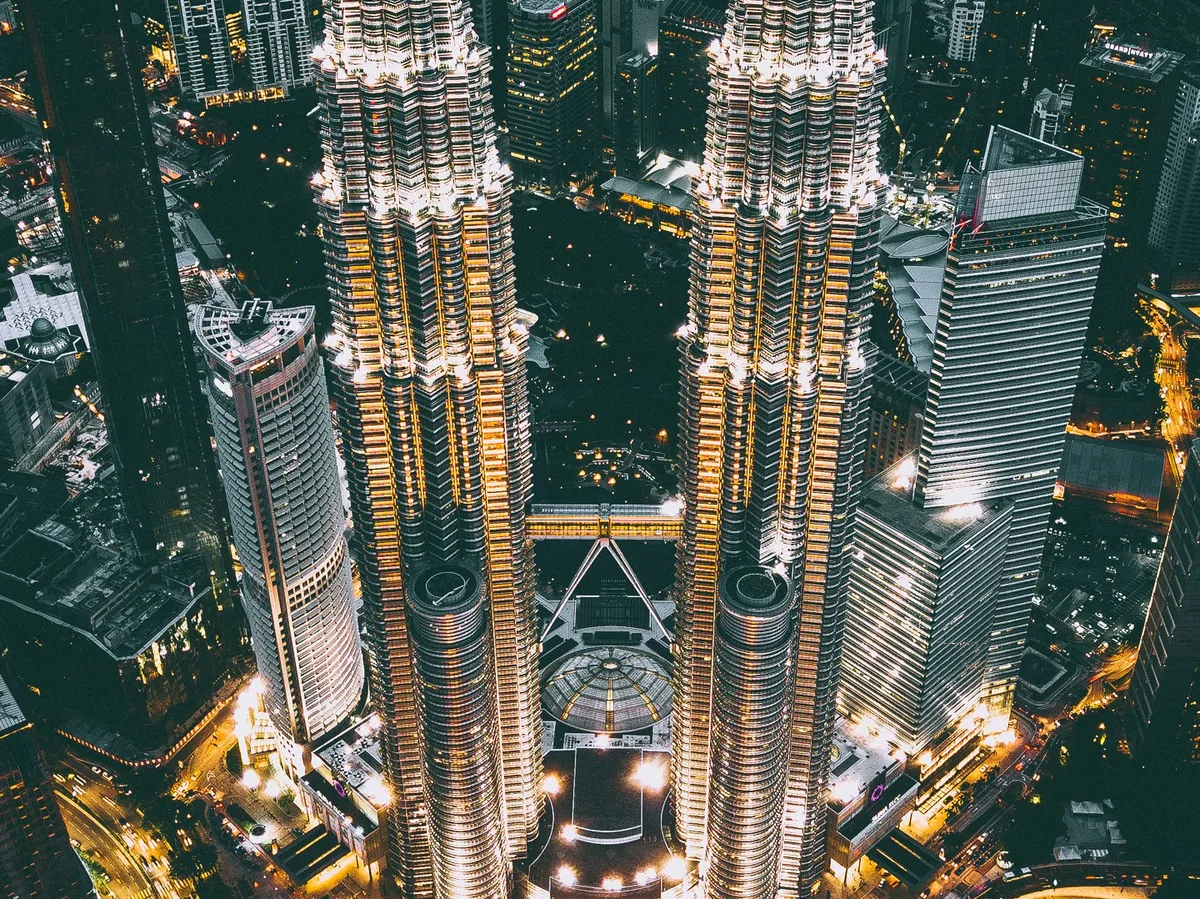
An 8-day family circuit through Peninsular Malaysia — the Petronas Twin Towers and Batu Caves in Kuala Lumpur, the tea plantations of the Cameron Highlands, and the heritage streets and temples of Penang's Georgetown.
 Multi-Day Tours
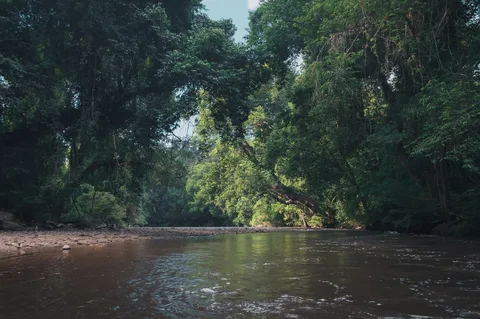
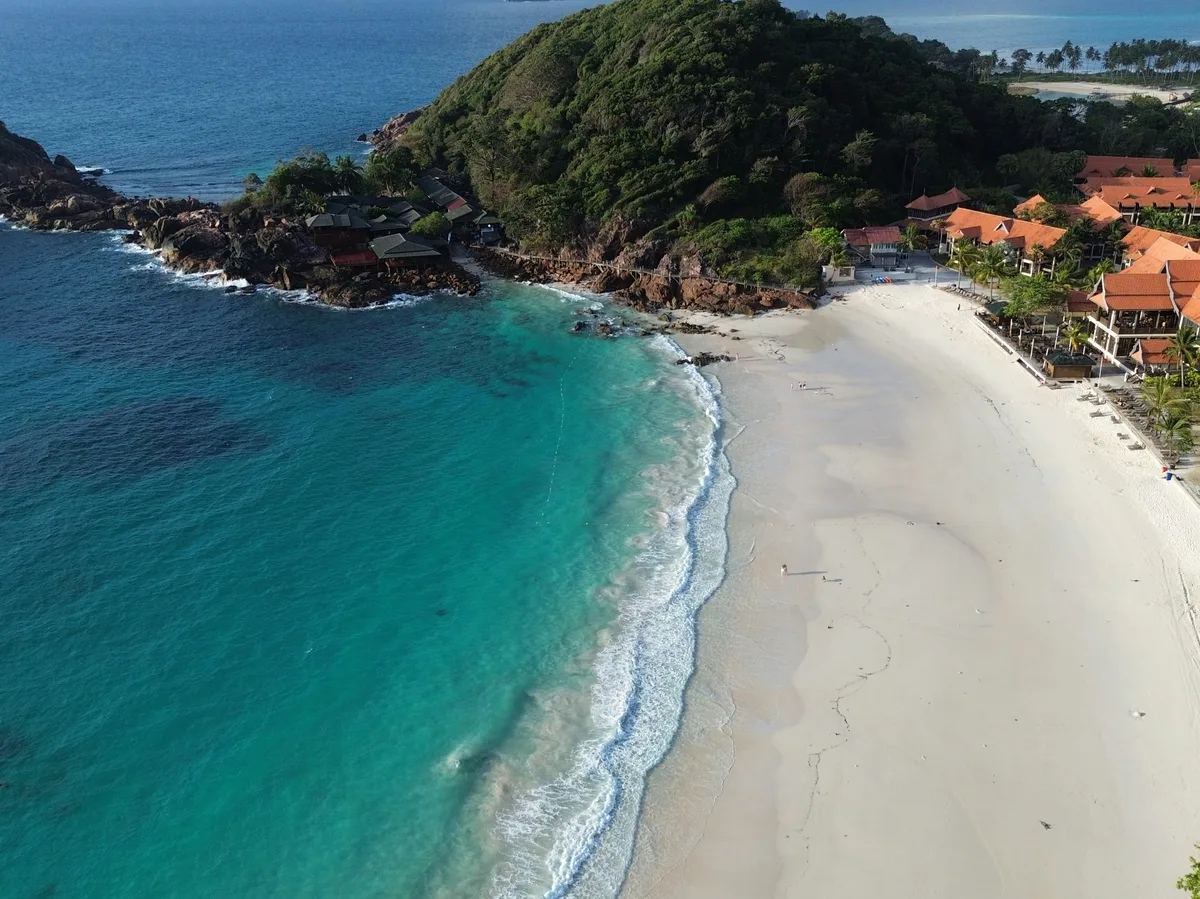
A 9-day route through three facets of Peninsular Malaysia — the capital Kuala Lumpur, the ancient wilderness of Taman Negara National Park, and three nights on the pristine tropical island of Redang.
 Multi-Day Tours
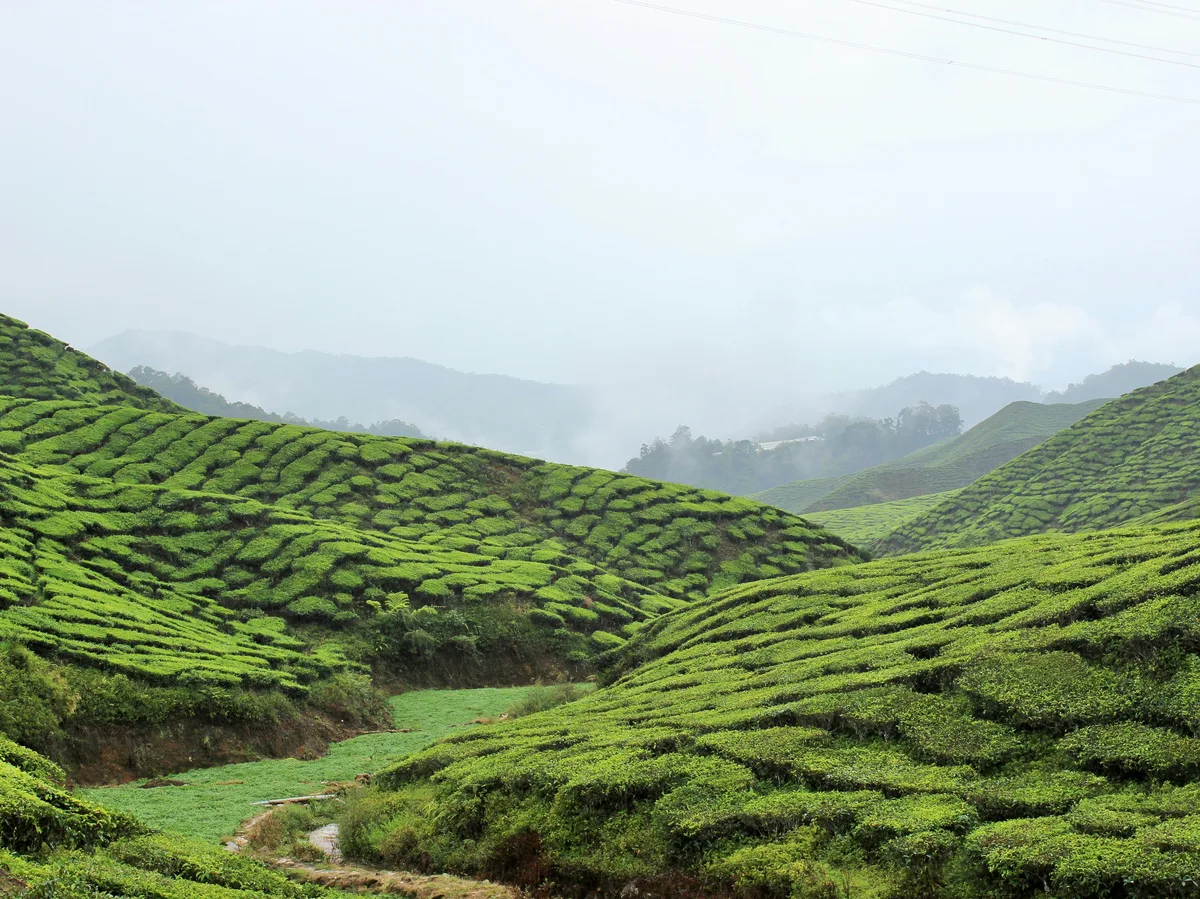
A 12-day journey through Peninsular Malaysia's full range of landscapes — Kuala Lumpur and Batu Caves, the Cameron Highlands' Mossy Forest, two nights deep in the 130-million-year-old Belum-Temenggor Rainforest, Penang, Langkawi's islands, and historic Melaka.
 Multi-Day Tours
A 12-day family-friendly circuit through Malaysia — Batu Caves and the Petronas Towers in Kuala Lumpur, the Mossy Forest and Mount Brinchang in the Cameron Highlands, Penang's Georgetown, beach time in Langkawi, family time in Johor Bahru, and historic Melaka.
 Multi-Day Tours
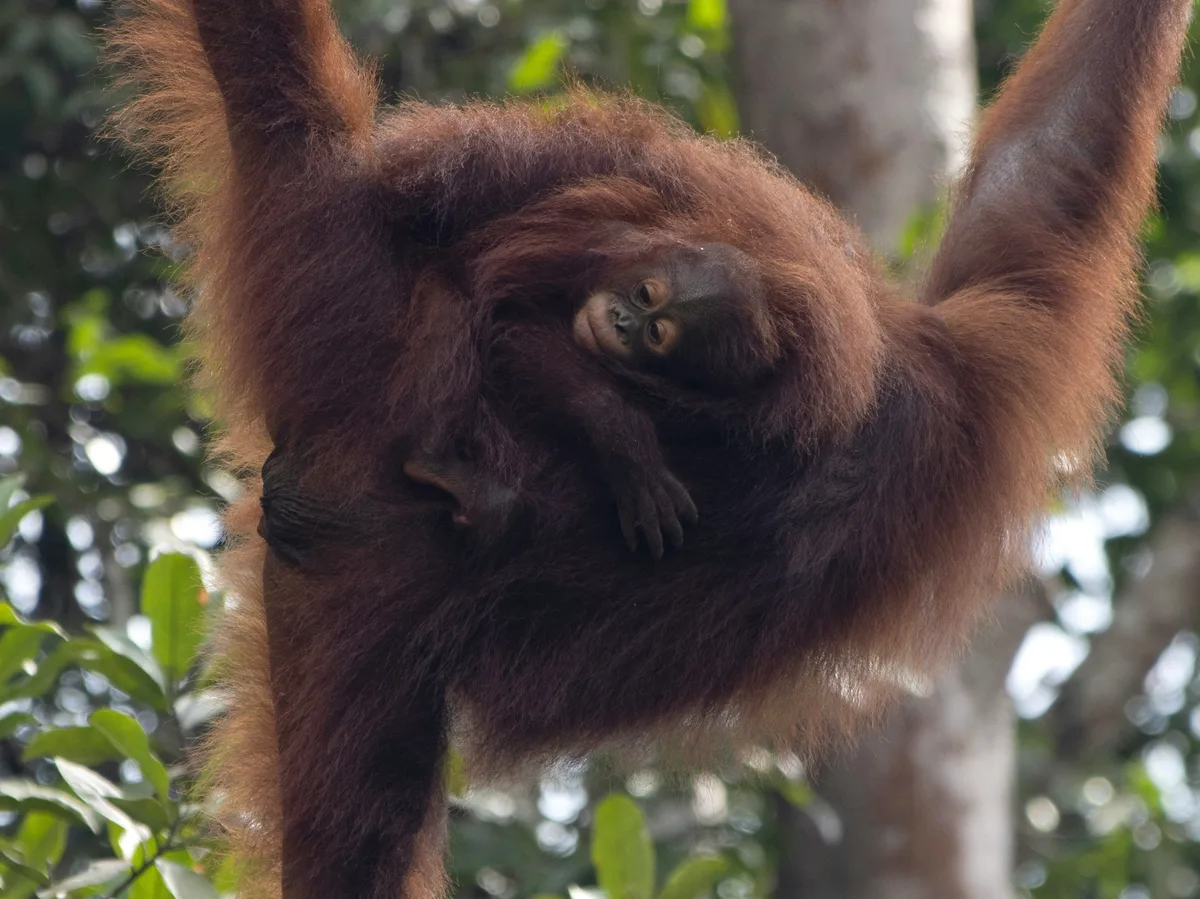
A 6-day wildlife-focused trip to Malaysian Borneo — river cruises along the Kinabatangan spotting wildlife at sunrise, a night jungle trek, and a visit to the Sepilok Orangutan Rehabilitation Centre, bookended by nights in Kuala Lumpur.
Visitor guide
Batu Caves are a series of limestone caves in Gombak, Selangor, Malaysia, about 13 kilometres north of Kuala Lumpur. The complex stands on a mogote, a steep-sided limestone hill, that is 325 metres tall and holds many Hindu temples, the most popular of which is a shrine dedicated to Murugan. It is the focal point of the Tamil Hindu festival of Thaipusam in Malaysia.
The word batu is Malay for rock. According to Wikipedia, the hill was once called Kapal Tanggang, the ship of Si Tanggang, after a Malay folktale, and in Tamil the complex is called Pathu Malai. The caves formed in limestone that is more than 400 million years old, although the caves themselves are estimated to have started forming much later, perhaps 60 to 120 million years ago. The system has 20 recognized caves, including four large systems with multiple interconnected chambers, and features stalactites, stalagmites and flowstones.
The limestone hill is a biodiversity hotspot. About 269 species of vascular plants have been recorded, along with 21 species of bats and endemic species such as the trapdoor spider Liphistius batuensis. Long-tailed macaques are a common sight and often rely on people for food. To protect the cave ecology, access to the inner cave complex is restricted and available through educational trips organised by the Malaysian Nature Society.
The Temuan people, an Orang Asli group, used the caves as shelters. In the 1860s Chinese settlers began excavating bat guano for fertiliser, and in 1878 the American naturalist William Hornaday visited. K. Thamboosamy, an Indian Tamil trader, promoted the cave as a site of Hindu worship, and a temple dedicated to Murugan was completed in 1891. The annual Thaipusam celebrations began there in 1892.
The Subramanian Swamy temple sits in the largest cave. Its entrance resembles a vel, the divine spear of Murugan, which is said to have inspired Thamboosamy to build the temple there. Wooden steps were installed in 1920, and in 1940 the 272 concrete steps that visitors climb today were built. At the base of the hill are the Art Gallery Cave and Museum Cave, together known as the Cave Villa, with statues and paintings from Hindu mythology, and the Ramayana Cave with a 15-metre statue of Hanuman at its entrance.
To the right of the stairs stands a gold-painted statue of Murugan, unveiled in January 2006. It is about 42.7 metres tall, and Wikipedia describes it as among the tallest Murugan statues in the world and the tallest statue in Malaysia. In August 2018 the steps were repainted, with each set painted a different colour.
Batu Caves is the focal point of Thaipusam, a Tamil Hindu festival attracting thousands of devotees. Devotees carry kavadi, a ceremonial burden of offering, and prepare for the festival through prayer, a vegetarian diet and fasting. Wikipedia reports that a procession begins from the Sri Mahamariamman Temple in Kuala Lumpur with a silver chariot carrying the idols of Murugan and his consorts, and devotees bathe in the Sungai Batu River before heading to the temple.
Visitors climb the steps, dress modestly because it is an active temple and should keep food and belongings away from the macaques. The complex also has a rock-climbing area with nearly 160 climbing routes. A private guided visit can give context on the temples and mythology, and timing around the Thaipusam period needs advance planning because the site becomes very crowded.
See every tour and attraction we cover in Malaysia.