TorontoOntario · 36 tours
 Niagara FallsOntario · 25 tours
 New York CityNew York · 30 tours
 Las VegasNevada · 8 tours
 San FranciscoCalifornia · 16 tours
 VancouverBritish Columbia · 17 tours
 DubaiUAE · 54 tours
 Abu DhabiUAE · 5 tours
 Buenos AiresArgentina · 23 tours
 AthensGreece · 31 tours
 AucklandNew Zealand · 38 tours
 CancunMexico · 54 tours
No destinations match “”. Try searching all tours instead — that search understands full questions, not just place names.
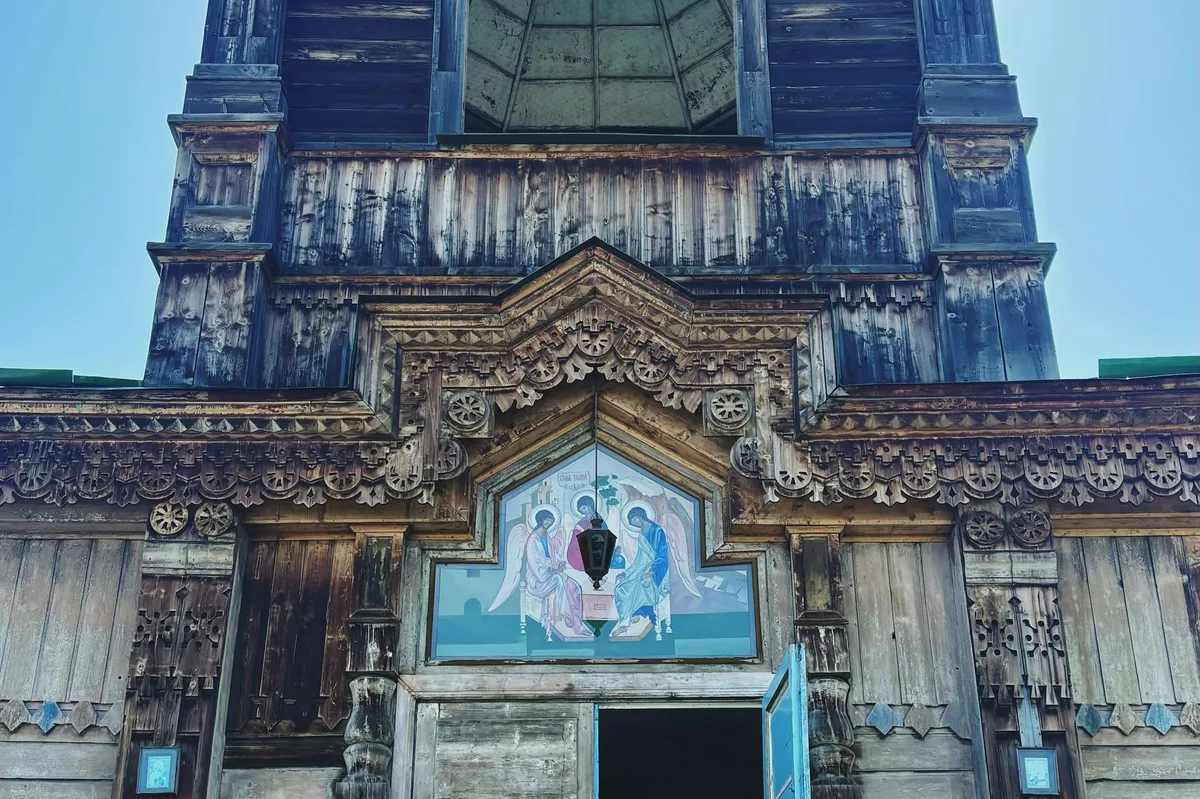
A wooden Russian Orthodox cathedral in the mountain town of Karakol, built without nails, standing alongside the city's Dungan mosque as reminders of the region's mixed heritage.
 Multi-Day Tours
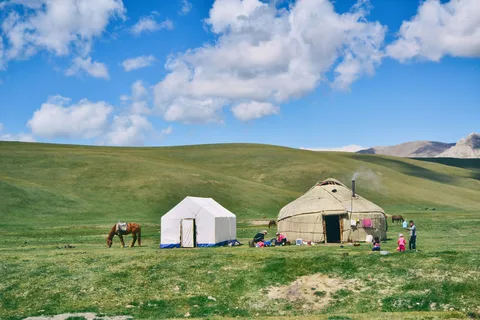
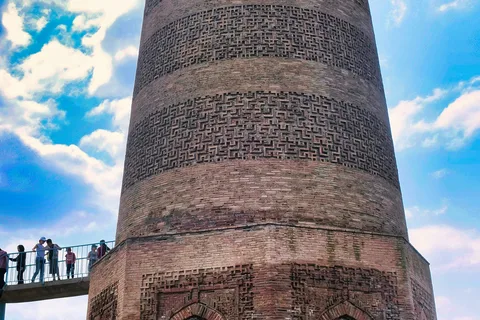
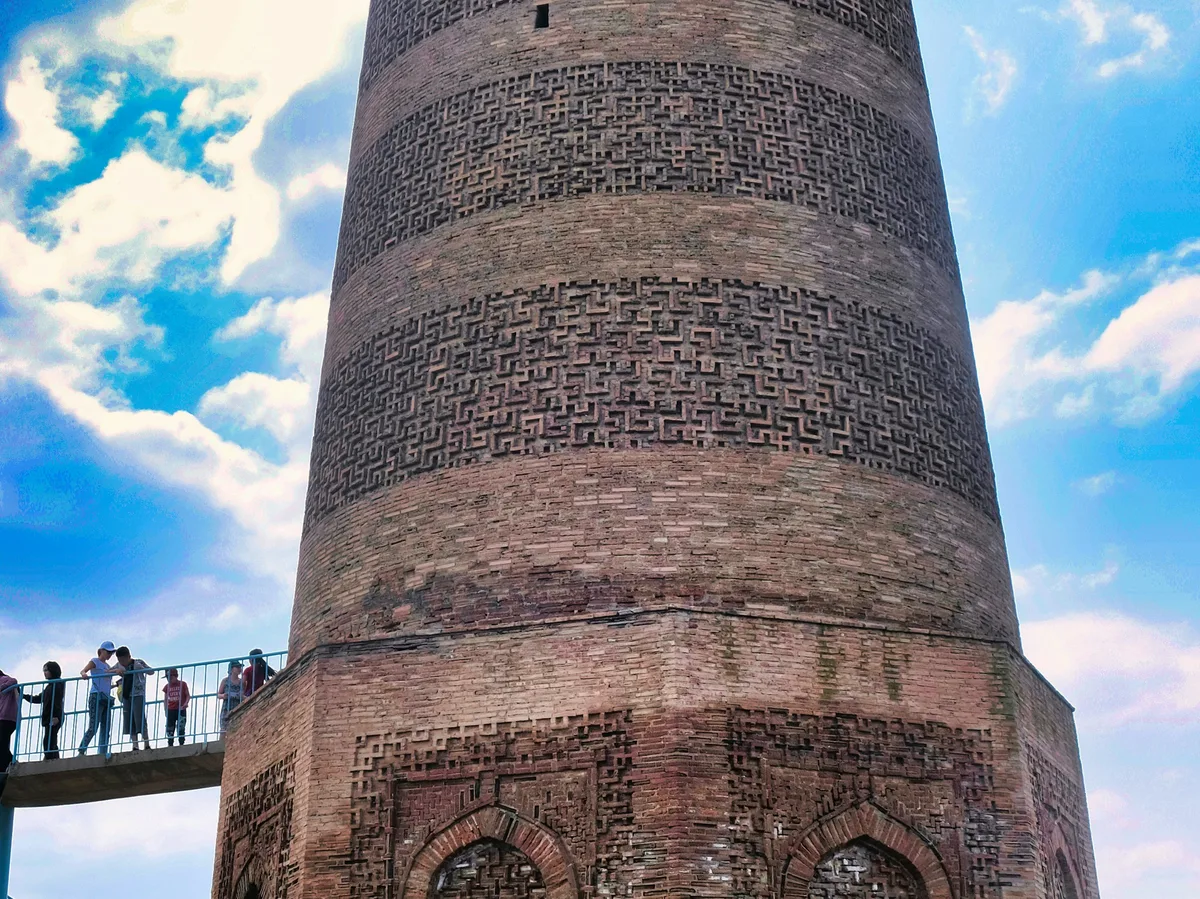
An 8-day food-focused journey through Kyrgyzstan, learning to cook plov, lamb dishes, ashlan-fu, jam, and manty dumplings alongside local families, with stops at Burana Tower, Issyk-Kul Lake, and a nomad yurt camp on Son-Kul Lake.
 Multi-Day Tours
A 10-day cultural circuit through Kyrgyzstan — Bishkek and Ala-Archa National Park, the ancient Burana Tower, Issyk-Kul Lake's petroglyphs and gorges, Jety-Oguz Valley, eagle-hunting and felt-making in Kochkor, and a nomad camp on Son-Kul Lake.
 Multi-Day Tours
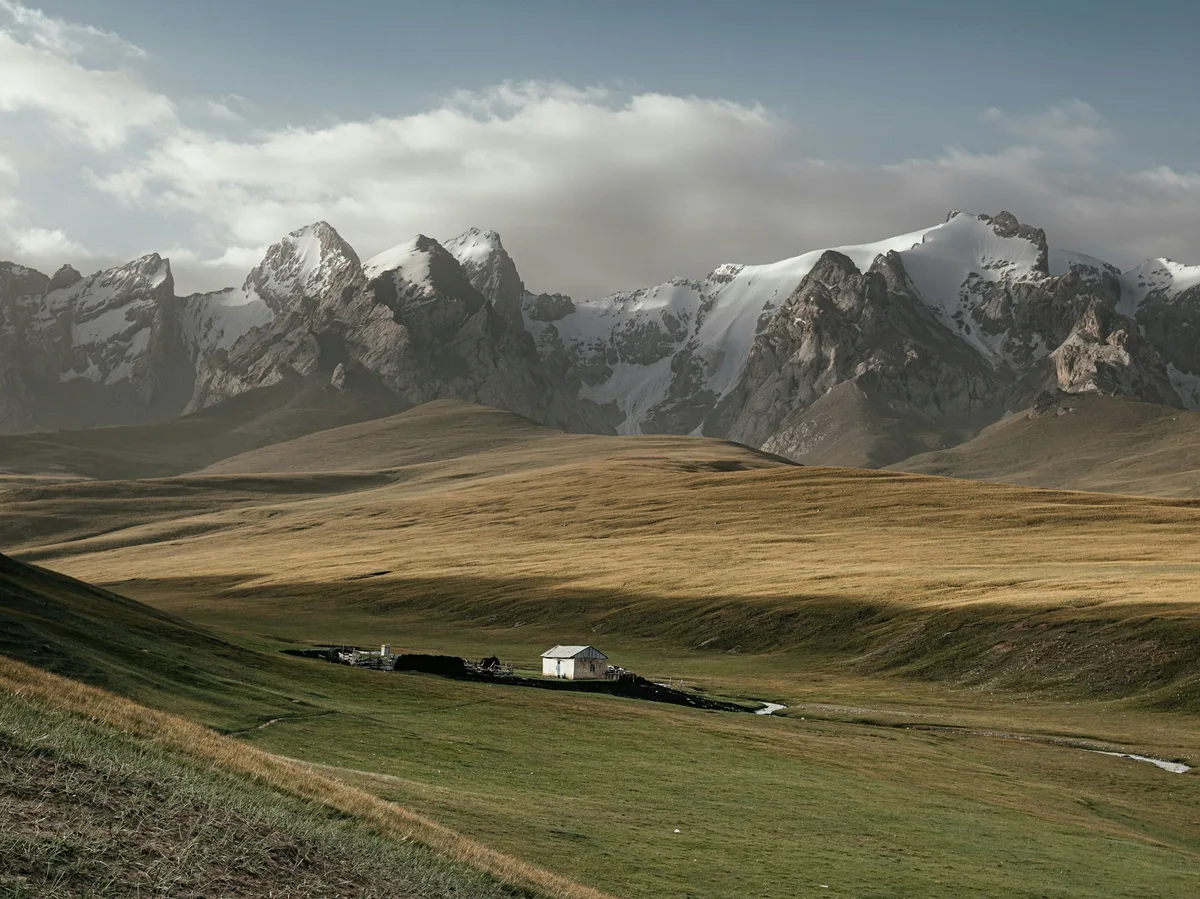
A 10-day off-road circuit through Kyrgyzstan's heartland — Kyzyl-Oy, Son-Kul Lake, the Tash Rabat caravanserai, Eki-Naryn, Issyk-Kul's south shore, Skazka Canyon, Jety-Oguz Valley, and the Burana Tower.
 Multi-Day Tours
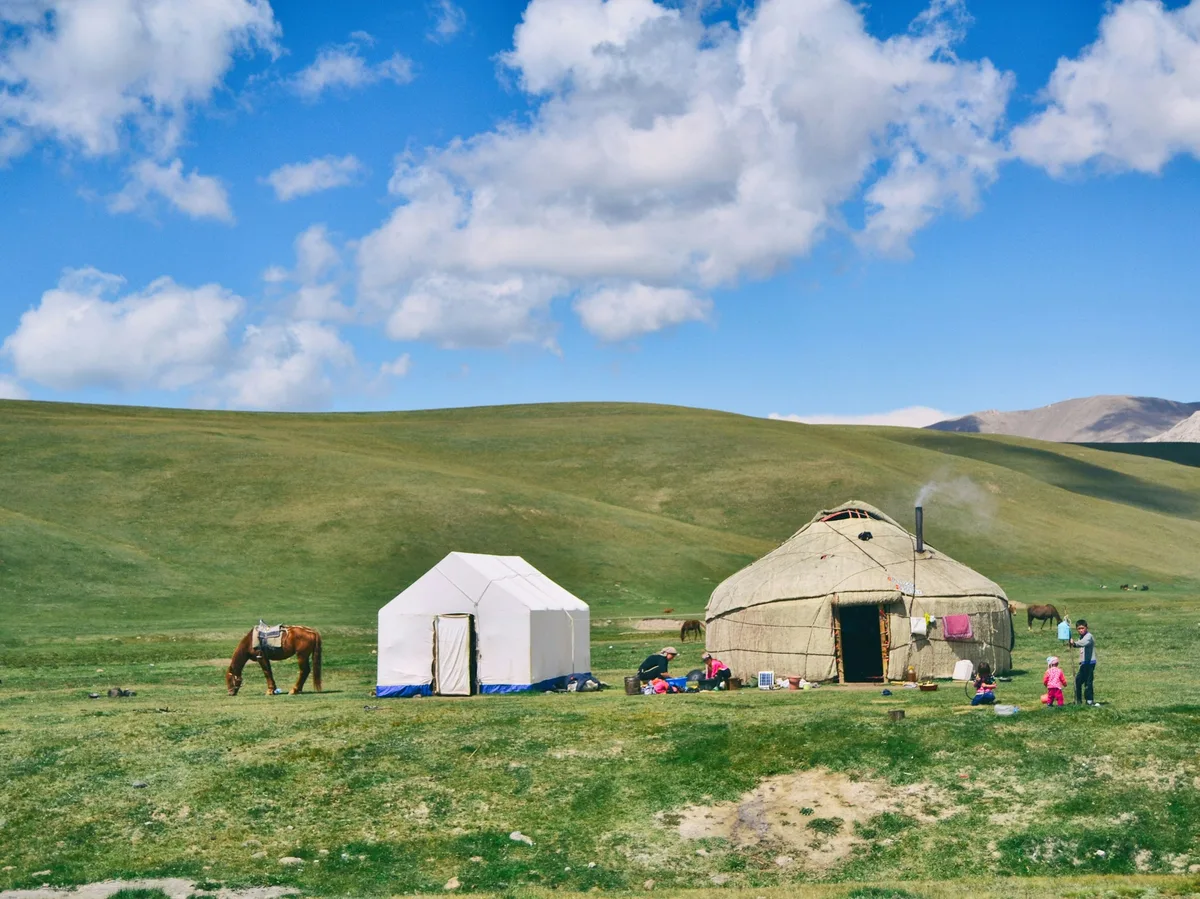
An 8-day landscape-focused route through Kyrgyzstan — the Chong-Kemin valley, a Kyrgyz horse farm, Karakol's church and mosque, Jeti-Oguz canyon, a yurt-making village, and the Konorchek Canyons near Bishkek.
 Multi-Day Tours
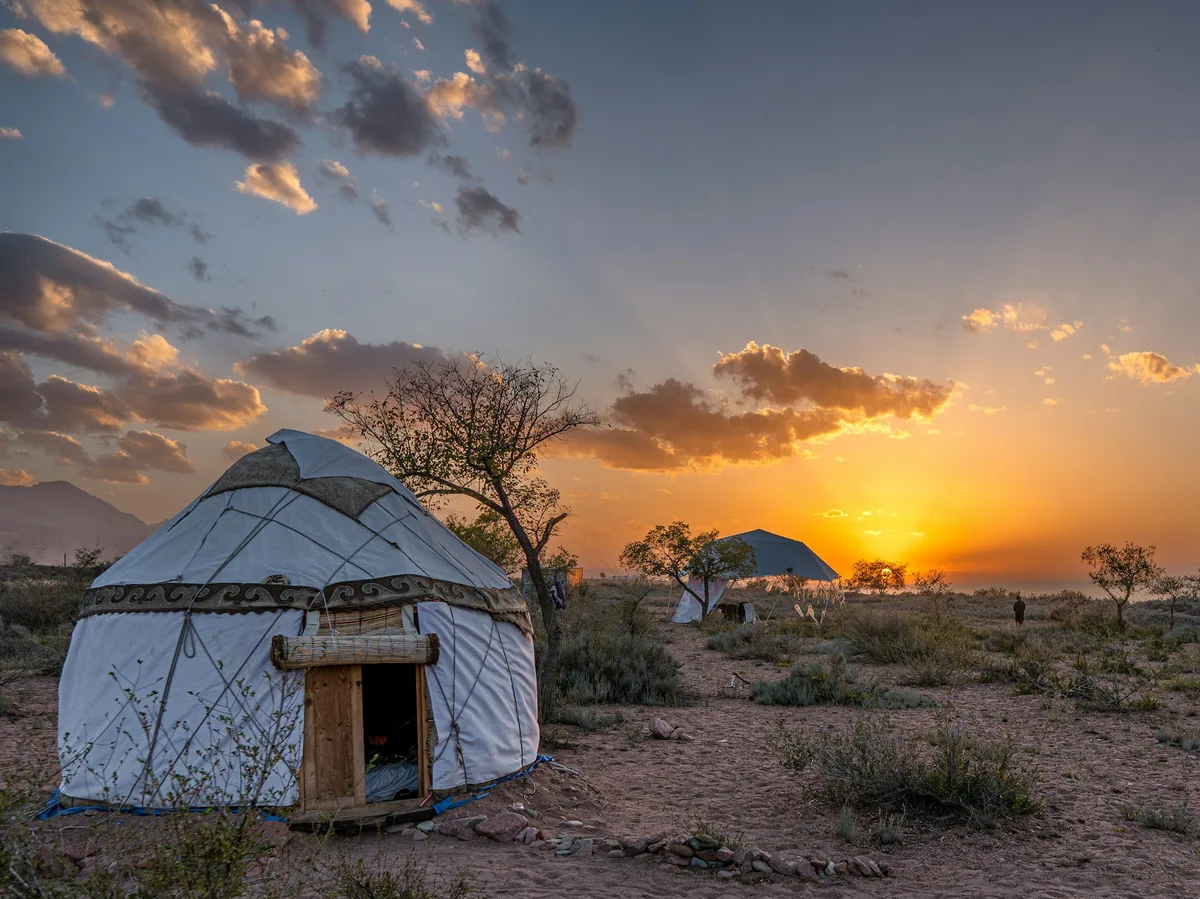
A 14-day grand circuit of Kyrgyzstan — Bishkek, the Toktogul Reservoir, the alpine Sary-Chelek lake, the walnut forests of Arslanbob, a nomad yurt camp on Son-Kul Lake, the Tash Rabat caravanserai, Skazka Canyon, Jety-Oguz Valley, and Issyk-Kul Lake.
 Multi-Day Tours
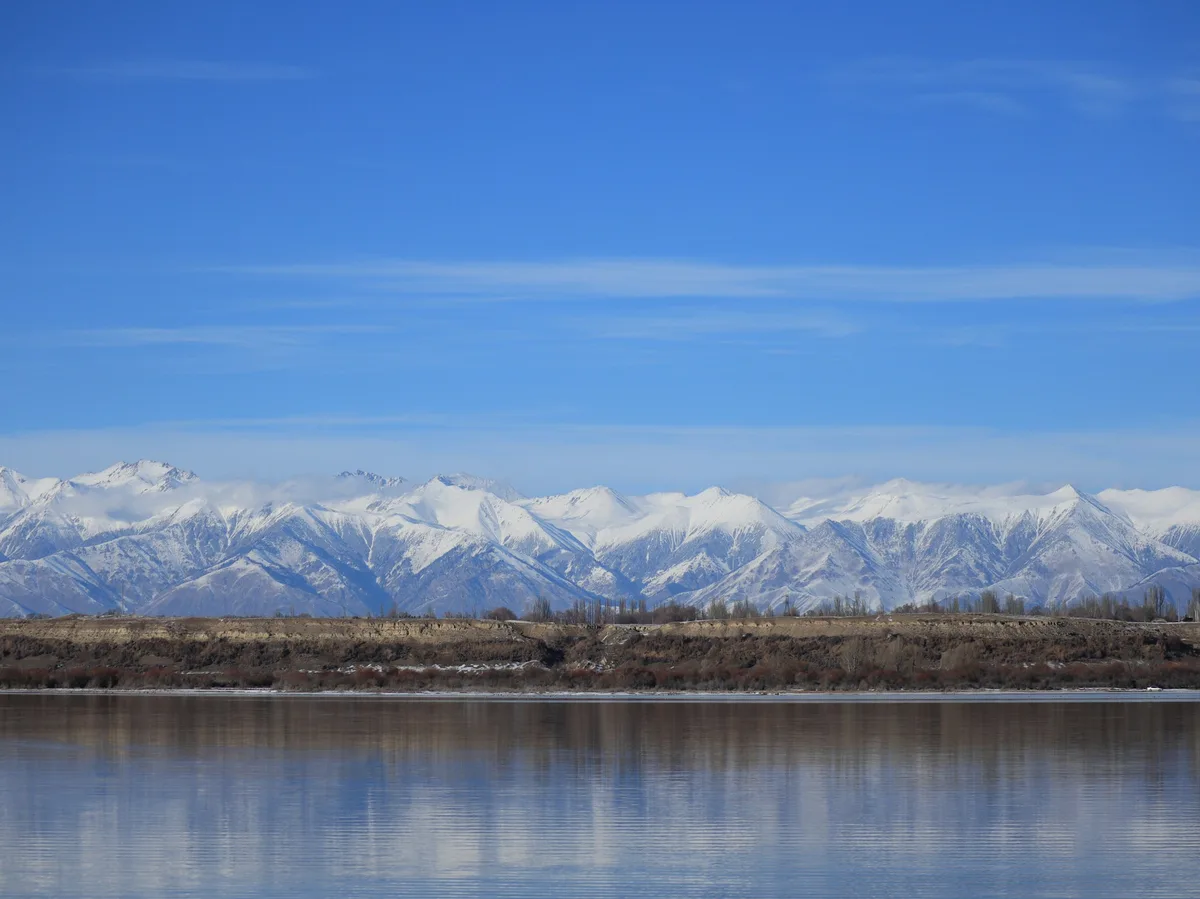
A 15-day trekking-led journey through Kyrgyzstan — a four-day horse-supported trek to Kol-Kogur Lake, a three-day trek to the glacial Ala-Kul Lake and Altyn-Arashan hot springs, Jety-Oguz Valley, eagle-hunting near Skazka Canyon, and a nomad yurt camp on Son-Kul Lake.
Visitor guide
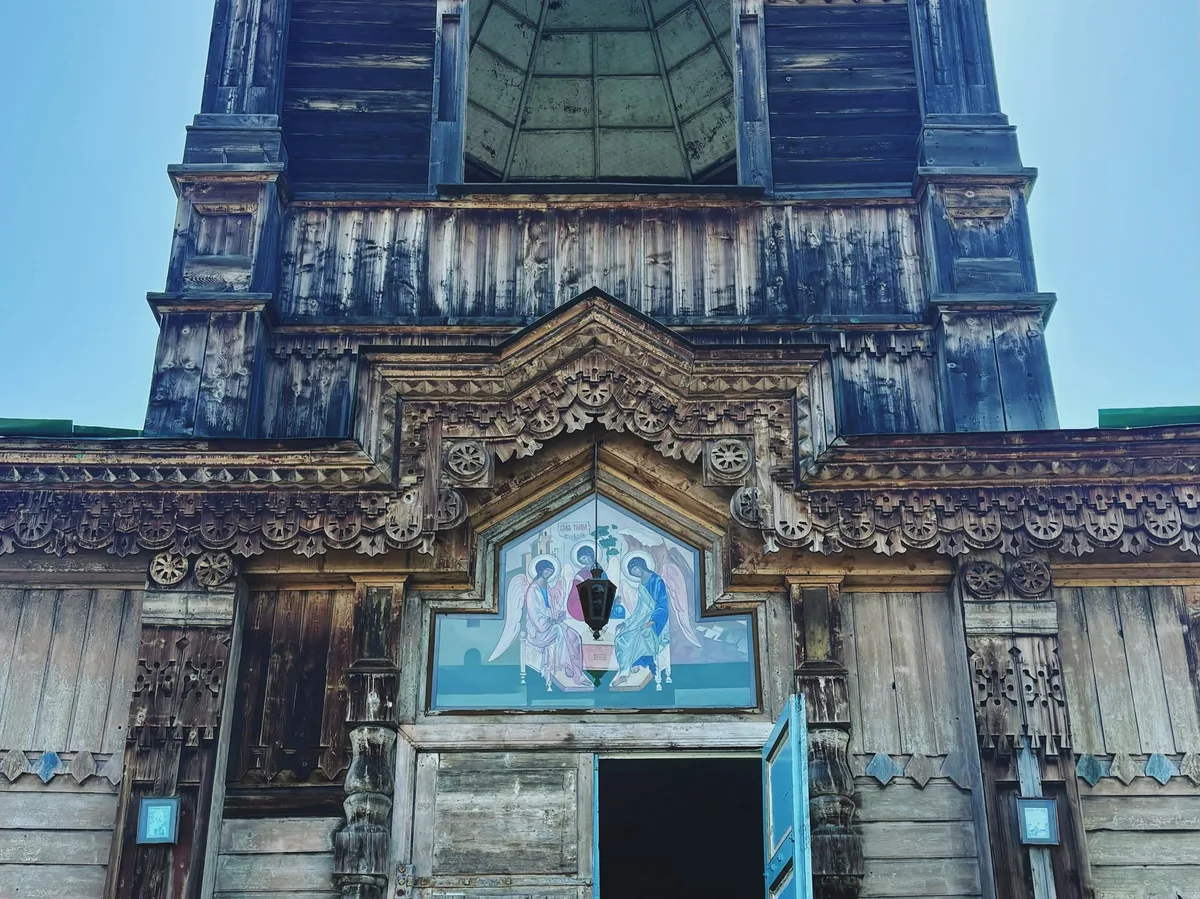
The Holy Trinity Cathedral in Karakol is a wooden Russian Orthodox church in the town of Karakol in eastern Kyrgyzstan, near the eastern end of Lake Issyk-Kul. It is one of the best-known reminders of the Russian and Orthodox heritage of the Issyk-Kul region.
According to Wikipedia's article on Karakol, a stone church built in 1872 was destroyed by an earthquake in 1890, and the present wooden church, set on a brick base, was completed in 1895. Other sources give different earthquake dates, with accounts naming 1876, 1889 or 1890, and a local priest quoted by a Central Asian news outlet says construction began in 1891 and the building took its current form in 1897. No named architect is documented in the sources consulted. Because the region is seismically active, travel sources explain that builders chose timber rather than masonry, and the walls are made of wooden logs with five domes.
Karakol was founded as a Russian military outpost on 1 July 1869, and the later renaming of the town as Przhevalsk honoured the explorer Nikolai Przhevalsky, who died there in 1888 while preparing an expedition to Tibet. Wikipedia notes that after the 1887 earthquake in nearby Verny, builders shifted from adobe to wooden houses with carved porches, a style that still gives the old town its character. The cathedral belongs to that period of Russian settlement and reflects the Orthodox community that formed around the garrison.
Accounts agree the church was closed after the Revolution as part of the Soviet campaign against religion. Sources list a range of later uses, including a school, a sports hall, a theatre and a dance hall, though details differ between accounts. One source says the bell tower was taken down in 1932 and the domes were removed. The building suffered but survived. The sources disagree on the exact timing of restoration: one says serious reconstruction began in 1961, another places it in the late Soviet period, and both agree that services resumed after the Soviet Union ended.
Wikipedia states that the building was returned to the Church in 1991. A local news outlet describes it as a historical and architectural landmark of republican significance, and notes that the bell tower was never fully rebuilt. Today it serves the Orthodox community of Karakol.
Karakol is also home to the Dungan Mosque, built between 1904 and 1910 for the local Dungan community. Wikipedia describes it as designed by a Beijing architect with a team of craftsmen, known for its nail-free construction and carved wooden cornice, and it has operated as a mosque since 1947. The two buildings together reflect the town's mix of Russian, Dungan and Kyrgyz communities.
The cathedral is a short stop within Karakol town, usually combined with the mosque, the Przhevalsky museum and the Sunday livestock market. Visitors should dress modestly and respect services. A private guided visit with a driver makes it easy to include the cathedral in a wider tour of the eastern Issyk-Kul region.
See every tour and attraction we cover in Kyrgyzstan.