TorontoOntario · 36 tours
 Niagara FallsOntario · 25 tours
 New York CityNew York · 30 tours
 Las VegasNevada · 8 tours
 San FranciscoCalifornia · 16 tours
 VancouverBritish Columbia · 17 tours
 DubaiUAE · 54 tours
 Abu DhabiUAE · 5 tours
 Buenos AiresArgentina · 23 tours
 AthensGreece · 31 tours
 AucklandNew Zealand · 38 tours
 CancunMexico · 54 tours
No destinations match “”. Try searching all tours instead — that search understands full questions, not just place names.
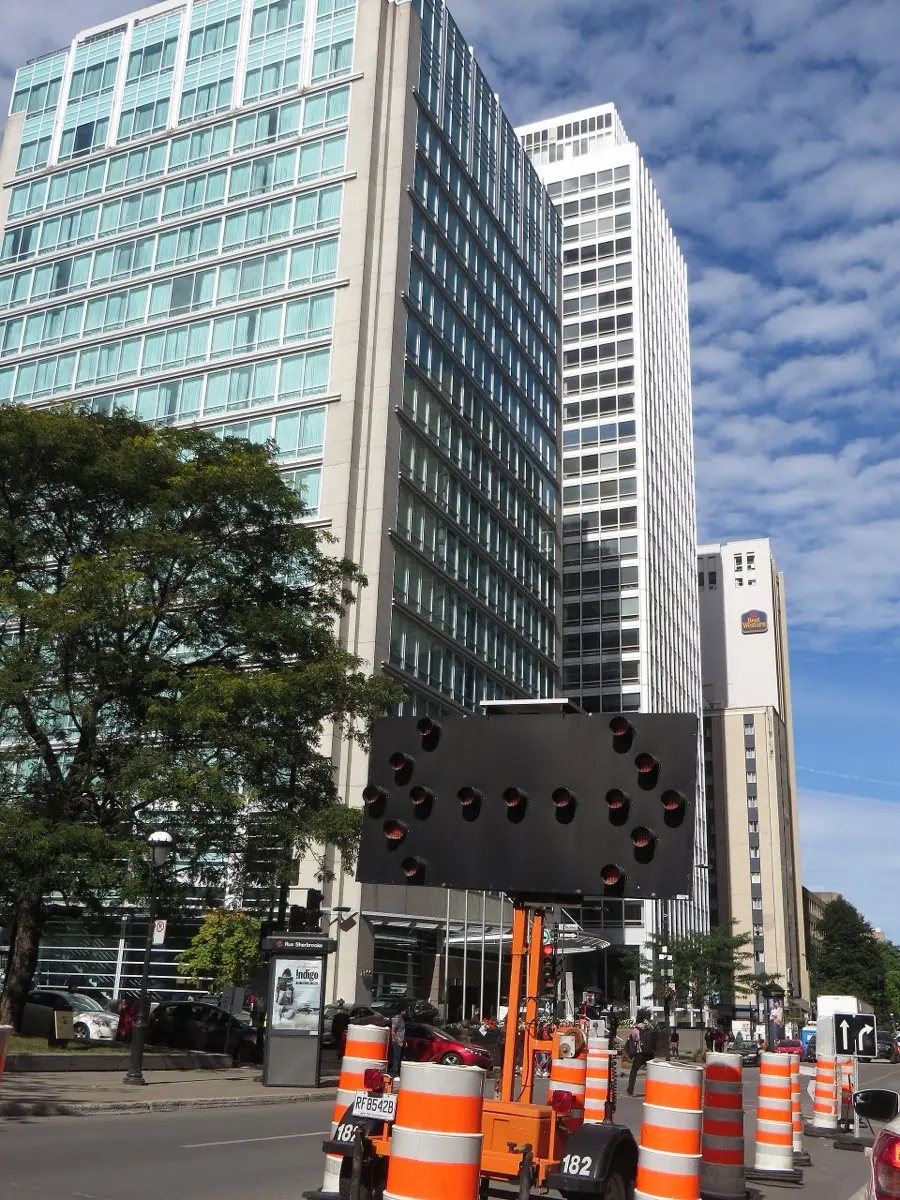
A neighbourhood of grand late-19th-century mansions once home to a large share of Canada's wealth.
Visitor guide
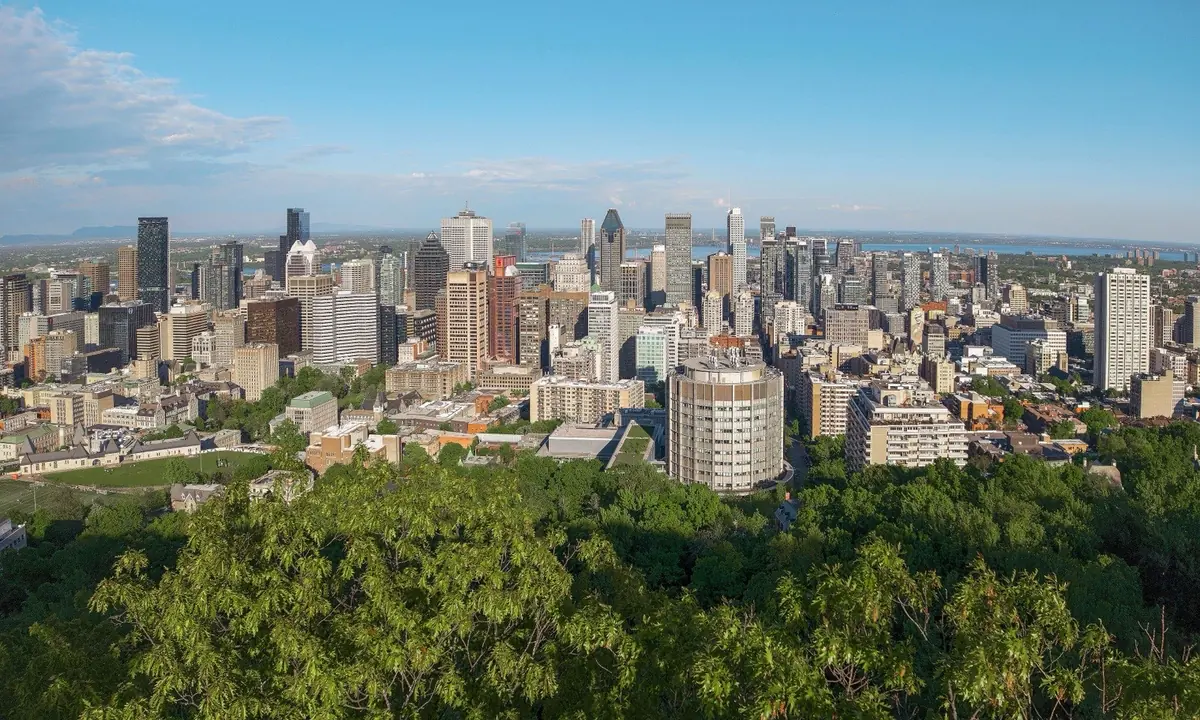
The Golden Square Mile is the stretch of lower Mount Royal slope north of downtown Montreal where, from about 1850 to 1930, many of Canada's richest merchants, railway builders and bankers built their houses. Few of the mansions survive, but those that do, along with churches, clubs and university buildings, make it one of the best places in the city to read the story of Anglo-Montreal's era of commercial dominance.
Wikipedia traces the area to the 1790s, when merchants began building country estates on farmland on the mountain's slope. The name "Square Mile" came into use in the 1930s; earlier, the area was called New Town or Uptown, and the word "Golden" was added later (accounts credit a journalist or the real-estate trade, so the origin is not certain). The nominal boundaries run from Dorchester Boulevard north to Pine Avenue and from University Street west to Guy Street, though the core was smaller, between Sherbrooke Street and Pine Avenue.
Its residents were prominent in railways, shipping, banking, timber and fur. Claims about how much of Canada's wealth they held should be read cautiously: Wikipedia cites figures such as roughly fifty men holding 70 per cent of Canada's wealth between 1870 and 1900, and a 1930s quote suggests 70 per cent held by 25,000 people, but these are period or secondary claims, not audited statistics. A safer statement is that the district housed a disproportionate share of the country's business elite.
The 1930s brought the Depression, the car, and families moving to Westmount. Later, during the Quiet Revolution era, some Montreal-founded businesses moved to Toronto, and the area became the central business district. Wikipedia reports that by 1983 only about 30 per cent of the mansions in the northern half survived, and about 5 per cent south of Sherbrooke Street. Losses include Dilcoosha (demolished 1955), Prince of Wales Terrace (1971) and the Van Horne Mansion (1973). Wikipedia says Heritage Montreal was formed partly in response to such losses.
The George Stephen House / Mount Stephen Club was designated a National Historic Site in 1971 and Lady Meredith House in 1990, and the Van Horne / Shaughnessy House (now part of the Canadian Centre for Architecture) in 1973. Maison Alcan, formerly Lord Atholstan's house, is a Quebec historic monument. McGill University owns several survivors, including James Ross House (now Chancellor Day Hall), Lady Meredith House and Duggan House, and the McGill Faculty Club has occupied the Baumgarten house since 1935. Shaughnessy House, saved from demolition in the 1970s, is part of the Canadian Centre for Architecture, which opened to the public in 1989. The Montreal Museum of Fine Arts also stands on Sherbrooke Street in the district.
The area is best seen on a slow drive or walk along Sherbrooke Street West, Redpath Crescent and Peel Street, looking up at rooflines and carved stonework. Many houses are private, universities or clubs and are not open to the public, so check each institution for access.
McGill's downtown campus, Mount Royal Park, Crescent Street and the Museum of Fine Arts are all close. Voyzo runs this as a private tour with your own driver and vehicle and door-to-door pickup, so you can stop at the best street views without worrying about parking or hills.
See every tour and attraction we cover in Montreal.