TorontoOntario · 36 tours
 Niagara FallsOntario · 25 tours
 New York CityNew York · 30 tours
 Las VegasNevada · 8 tours
 San FranciscoCalifornia · 16 tours
 VancouverBritish Columbia · 17 tours
 DubaiUAE · 54 tours
 Abu DhabiUAE · 5 tours
 Buenos AiresArgentina · 23 tours
 AthensGreece · 31 tours
 AucklandNew Zealand · 38 tours
 CancunMexico · 54 tours
No destinations match “”. Try searching all tours instead — that search understands full questions, not just place names.
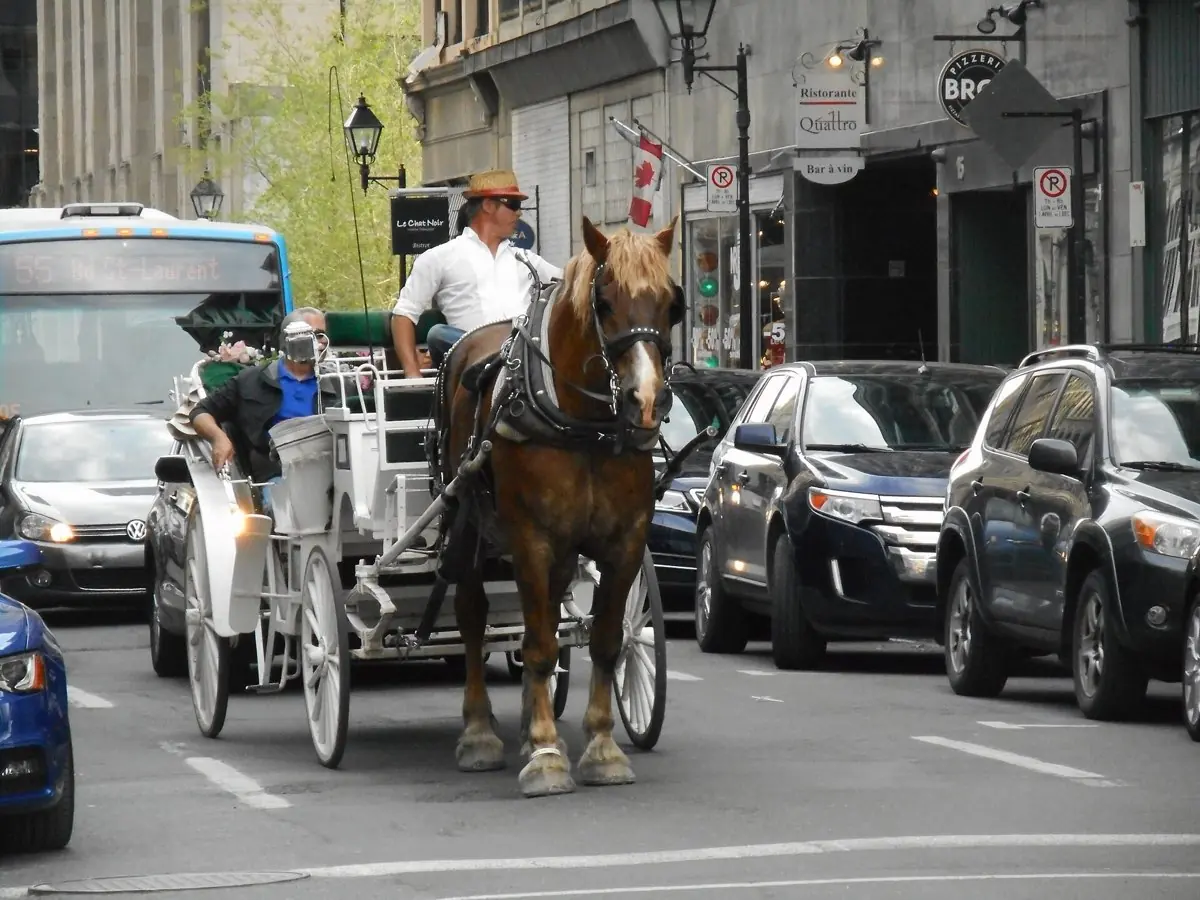
Cobblestone streets and centuries-old stone buildings along the St. Lawrence River.
Visitor guide
Old Montreal (Vieux-Montreal) is the historic core of the city, on the north bank of the St. Lawrence River, where French colonists founded Ville-Marie in 1642. It is a compact district of stone buildings, narrow streets and public squares, and most of it was declared a historic district by Quebec in 1964. It is easy to explore on foot, though cobbled streets and seasonal events change the experience.
Paul de Chomedey de Maisonneuve and Jeanne Mance landed on the point with about forty companions in 1642 and built Fort Ville-Marie. The Sulpicians arrived in 1657 and became seigneurs of the island in 1663; the first street plan is credited to Francois Dollier de Casson. Fortifications went up in the early 1700s, and fires in 1765, 1768 and 1803 destroyed much of the old town. The walls were taken down in the early 19th century.
In the 1800s St. James Street became the financial centre of Canada, which is why the area has grand bank headquarters. Wikipedia says that after 1929 the Depression and the shift of the port eastward emptied the district, with only a few hundred residents left by about 1950. In the early 1960s, a planner named Daniel van Ginkel is credited with helping stop an expressway through the area. The 1964 heritage declaration followed, and revitalisation later brought residents, hotels and restaurants back. Wikipedia mentions a 1605 Champlain trading post at Place Royale, but another source says Champlain only explored the point in 1611, so we leave that claim aside.
Pointe-a-Calliere, the city's archaeology and history museum, opened on May 17, 1992, the 350th anniversary of the founding, and presents remains of the early settlement on Place Royale. The point and Place Royale lie within Montréal's Birthplace National Historic Site of Canada.
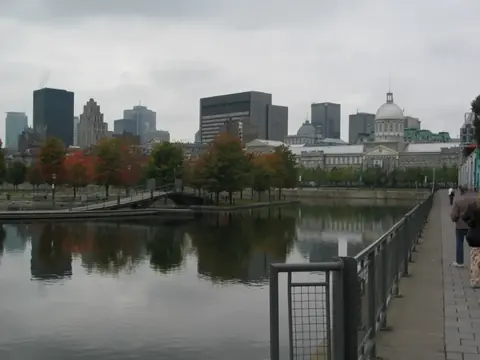
Place Jacques-Cartier, long a market square called Marche Neuf, took its present name in 1845. Nelson's Column dates to 1809. Bonsecours Market and the Notre-Dame-de-Bon-Secours Chapel are nearby, and the Saint-Sulpice Old Seminary beside Notre-Dame Basilica is described by Wikipedia as the oldest extant building in Montreal; the Quebec heritage register dates the central block to 1684-1687, while Parks Canada's description says 1685. Montreal City Hall was built between 1872 and 1878 and largely rebuilt inside after a 1922 fire, and the Old Port runs along the waterfront.
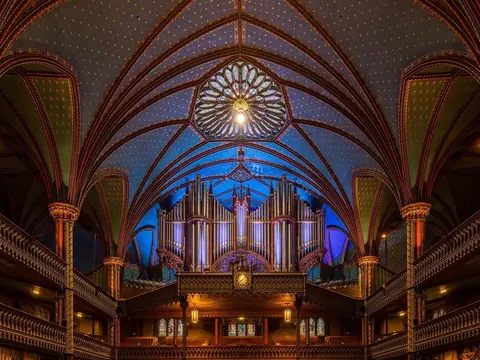
Notre-Dame Basilica sits on Place d'Armes at the district's heart, with Pointe-a-Calliere and the waterfront a short walk away. On a private tour, your driver can drop you in the district and collect you again, so you can walk one-way without worrying about parking.
See every tour and attraction we cover in Montreal.