TorontoOntario · 36 tours
 Niagara FallsOntario · 25 tours
 New York CityNew York · 30 tours
 Las VegasNevada · 8 tours
 San FranciscoCalifornia · 16 tours
 VancouverBritish Columbia · 17 tours
 DubaiUAE · 54 tours
 Abu DhabiUAE · 5 tours
 Buenos AiresArgentina · 23 tours
 AthensGreece · 31 tours
 AucklandNew Zealand · 38 tours
 CancunMexico · 54 tours
No destinations match “”. Try searching all tours instead — that search understands full questions, not just place names.
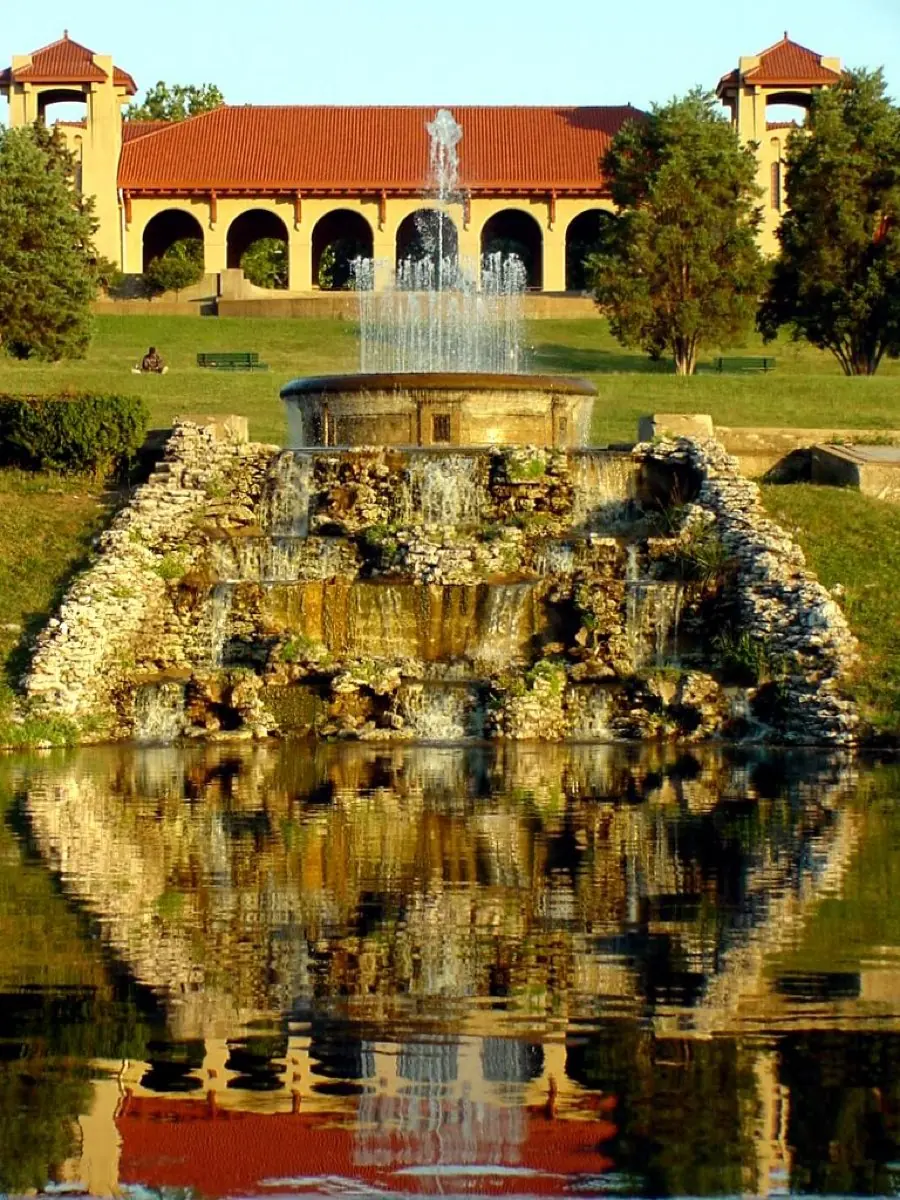
The site of the 1904 World's Fair and larger than New York's Central Park, with several free museums.
Visitor guide
Forest Park is a roughly 1,300-acre public park in western St. Louis, dedicated in 1876 and best known as the site of the 1904 Louisiana Purchase Exposition, the St. Louis World's Fair. Today it holds the Saint Louis Art Museum, the Saint Louis Zoo, the Missouri History Museum, The Muny outdoor theater and a landscape of lakes, trails and open meadows.
A plan for a large city park was rejected by voters in 1864, and developer Hiram Leffingwell proposed another in 1872, but the Missouri Supreme Court overturned the city's purchase authorization in 1873. Missouri's legislature then passed the Forest Park Act in 1874, creating the park and a county-wide property tax to fund it, and the city paid $849,058 for the land across 1874 and 1875. Julius Pitzman and Maximilian G. Kern drew up the original plan. The park was dedicated on June 24, 1876, before a crowd reported at about 50,000. Cable car service began on June 1, 1889, and by the early 1890s streetcars were carrying nearly 3 million visitors a year, according to Wikipedia.
Forest Park was chosen in 1901 to host the Louisiana Purchase Exposition, which ran from April 30 to December 1, 1904. Landscape architect George Kessler drained wetlands in the western part of the park and shaped a system of connected lakes. The fair drew about 19.7 million attendees, with exhibits from more than 60 countries, according to Wikipedia, and most of its neoclassical palaces were temporary, built of a plaster-and-fiber mix called staff and meant to last a year or two. The 1904 Summer Olympics were held in St. Louis alongside the fair, with diving, swimming and water polo staged in the park.
Cass Gilbert's Palace of Fine Arts, with an interior sculpture court modeled on the Roman Baths of Caracalla, was the main permanent building constructed for the fair and is now the Saint Louis Art Museum. Gilbert's Festival Hall housed what was then described as the world's largest organ, later bought by John Wanamaker and enlarged into the Wanamaker Organ in Philadelphia. The cascades beside it are said to have inspired Scott Joplin's rag Cascades. The fair's Administration Building survives as Brookings Hall at Washington University, and the Missouri State Building burned on the night of November 18 to 19, 1904; the World's Fair Pavilion was built on its site in 1909 and 1910. Fair profits helped fund the Thomas Jefferson memorial building, completed in 1913 and now the Missouri History Museum.
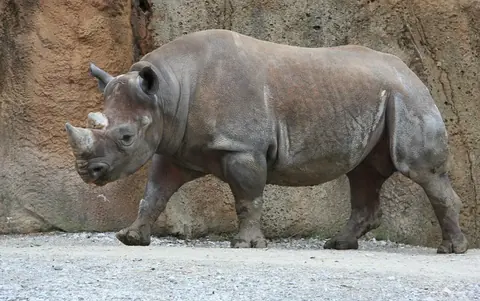
The Muny has staged musical theater in the park since 1916, and the Saint Louis Zoo, which opened in 1910, is described by Wikipedia and the zoo as free, funded by a regional tax subsidy. The park's Forest Park Golf Course opened in 1912, and the Steinberg Skating Rink opened in November 1957. The Jewel Box, an Art Deco greenhouse built in 1936 with Works Progress Administration funds, stands about 55 feet high with nearly 7,500 square feet of display space and is listed on the National Register of Historic Places.
The park also keeps older traces. Edward Bates's statue, installed in 1876, is described as the park's first statue, the Apotheosis of St. Louis was given to the city in 1906, and the Cabanne House, built in 1876 on an earlier 1819 house site, was listed on the National Register in 1985. Wikipedia reports that the River des Peres was boxed in wood shortly before 1904 and diverted into underground concrete pipes in the 1930s.
Forest Park Forever, the nonprofit conservancy that partners with the city, has been rebuilding the landscape since the early 2000s through a roughly $100 million public-private restoration guided by a master plan, including prairie and wetland work. The conservancy also lists a nature playscape, basketball courts, an art hill film series, paved paths and events such as Shakespeare in the Park. Forest Park Forever lists about 15.5 million annual visitors, while Wikipedia puts annual visits lower, at roughly 12 to 13 million.
Forest Park is large enough that most visitors choose just two or three stops. On a Voyzo private tour, your own driver and vehicle handle door-to-door pickup and let you move between the museums, the zoo and the lakes without parking logistics. Check each institution for current hours, admission and special-exhibit details.
See every tour and attraction we cover in St. Louis.