TorontoOntario · 36 tours
 Niagara FallsOntario · 25 tours
 New York CityNew York · 30 tours
 Las VegasNevada · 8 tours
 San FranciscoCalifornia · 16 tours
 VancouverBritish Columbia · 17 tours
 DubaiUAE · 54 tours
 Abu DhabiUAE · 5 tours
 Buenos AiresArgentina · 23 tours
 AthensGreece · 31 tours
 AucklandNew Zealand · 38 tours
 CancunMexico · 54 tours
No destinations match “”. Try searching all tours instead — that search understands full questions, not just place names.
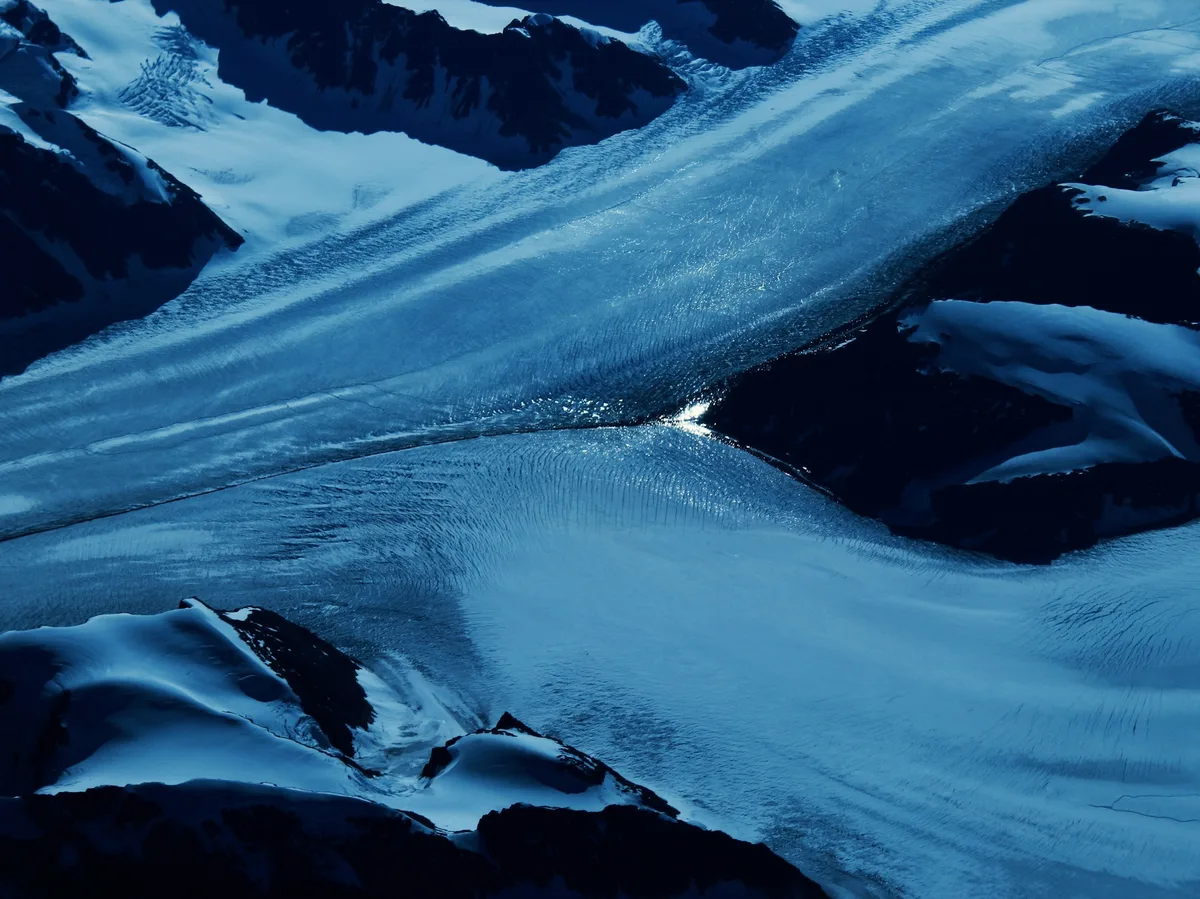
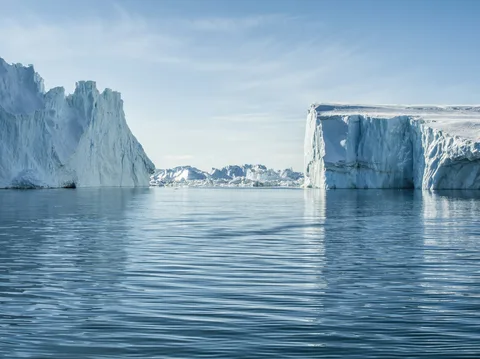
Known locally as 'the calving glacier,' Eqi Sermia sits about 80 kilometers north of Ilulissat and calves frequently enough that boat trips can experience both the sound and sight of huge chunks of ice breaking away into the sea.
 Multi-Day Tours
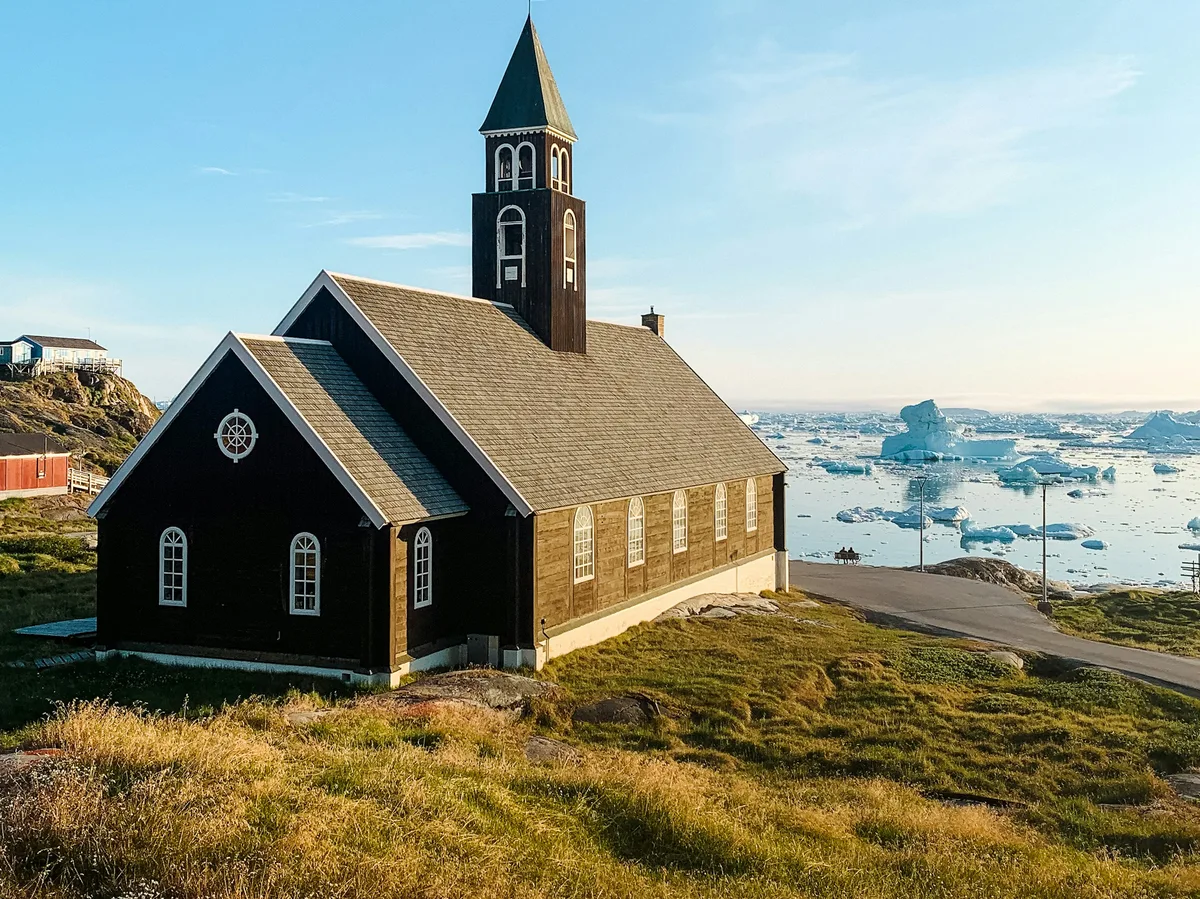
A private 5-day Arctic escape based in Ilulissat, West Greenland — a boat trip to the calving Eqi glacier, a day at the colonial-era Ilimanaq settlement, a kaffemik with a local Inuit family, and evening cruises among the icebergs of Disko Bay.
 Multi-Day Tours
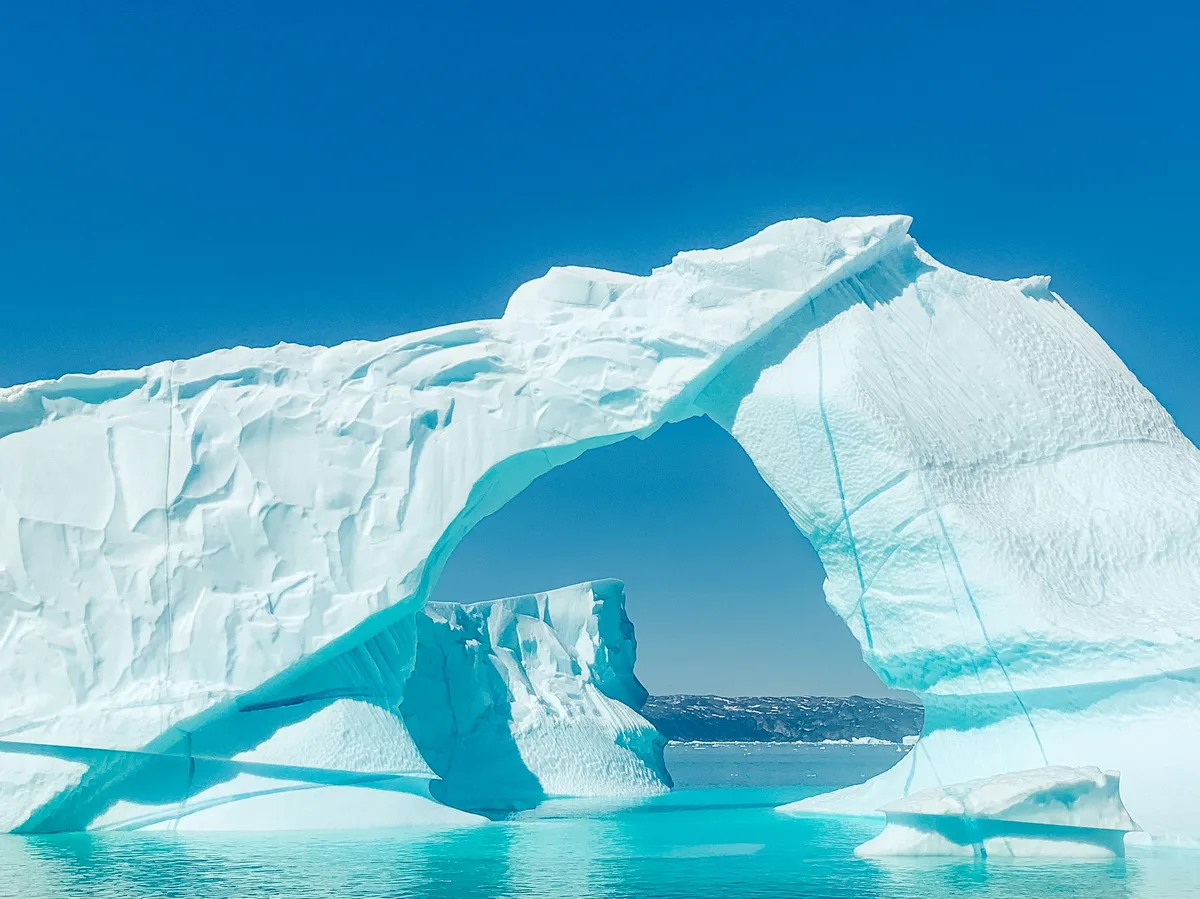
A private 5-day Ilulissat itinerary pairing Arctic adventure with real comfort — a boat trip to the calving Eqi glacier, a hike through the Sermermiut Valley, with settlement remains more than 4,000 years old, a kaffemik with a local Inuit family, and an evening in a private hot tub overlooking Disko Bay's icebergs.
Visitor guide
Eqi Glacier, also called Eqip Sermia, is an actively calving outlet glacier on the west coast of Greenland, north of Ilulissat on Disko Bay. Travel sources place it about 80 kilometres north of Ilulissat, reached by boat, and it is known for the sound and spectacle of ice breaking from its front.
The glacier appears under two names, Eqi and Eqip Sermia, in travel and scientific writing, and the sources reviewed here use them for the same place. Tour operators describe it as roughly 80 kilometres and three to five hours by boat north of Ilulissat. A remote wilderness lodge, Glacier Lodge Eqi, sits facing the ice and is a base for hikes along the moraine to the glacier front. Reaching the area is usually by boat in summer, and the season is short.
Scientists have studied Eqip Sermia closely. A 2021 study in Frontiers in Earth Science using radar and time-lapse imagery found that its calving front follows a seasonal cycle, with calving activity rising in early summer when ice melange disappears and meltwater plumes become visible at the surface next to the ice. Retreat varies across the front: it is reduced in shallow areas and faster where subglacial meltwater plumes emerge. The front is described as having a shallow sector with a high, inclined face, a deep sector with a lower vertical cliff, and a middle sector where a rock ridge rises above the water.
Research summaries report that between 1912 and 2006 the glacier's velocity was between 2.5 and 5 metres per day, while measurements in 2016 reached up to 16 metres per day at the front. A conference abstract says the terminus began to retreat rapidly in 2007 and had retreated about 3 kilometres since, almost quadrupling its flow speed; a Journal of Glaciology study instead describes retreat beginning around 2000 and a most recent rapid phase from 2010, so the dates depend on the source. These figures come from different years and methods, so they are not strictly comparable.
Published sizes vary. A travel page puts the face at roughly 3 kilometres across and up to 200 metres above the waterline, while a personal account gives about 2.8 kilometres and a 400-metre ice wall, possibly counting different parts of the ice. For authoritative dimensions, glaciological studies are the better reference.
The glacier belongs to the Greenland Ice Sheet, which the Geological Survey of Denmark and Greenland (GEUS) describes as the world's second-largest ice sheet after Antarctica, covering about 1.7 million square kilometres. Outlet glaciers like Eqip Sermia drain the ice sheet to the sea, and GEUS notes that about half of the ice sheet's annual loss comes from iceberg calving at glaciers that reach sea level. That context is why researchers watch calving fronts so closely: the ice that breaks off here becomes icebergs that drift through Disko Bay.
A separate 2020 study cited in the research summaries found that calving events from the shallow, inclined sector are more frequent and larger than those from the vertical ice cliff of the deep sector, and that calving is influenced by water depth and meltwater. In practical terms, this means different parts of the same ice front behave differently, and the glacier changes visibly from season to season. Sound and spectacle are part of the experience, with tour operators describing thunderous calving events from the front.
Operators describe boats waiting near the front, sometimes for about two hours, to witness calving, and the lodge has limited services, so a visit is a remote, weather-dependent excursion. A private vehicle and driver can help with transfers in Ilulissat.
See every tour and attraction we cover in Greenland.