TorontoOntario · 36 tours
 Niagara FallsOntario · 25 tours
 New York CityNew York · 30 tours
 Las VegasNevada · 8 tours
 San FranciscoCalifornia · 16 tours
 VancouverBritish Columbia · 17 tours
 DubaiUAE · 54 tours
 Abu DhabiUAE · 5 tours
 Buenos AiresArgentina · 23 tours
 AthensGreece · 31 tours
 AucklandNew Zealand · 38 tours
 CancunMexico · 54 tours
No destinations match “”. Try searching all tours instead — that search understands full questions, not just place names.
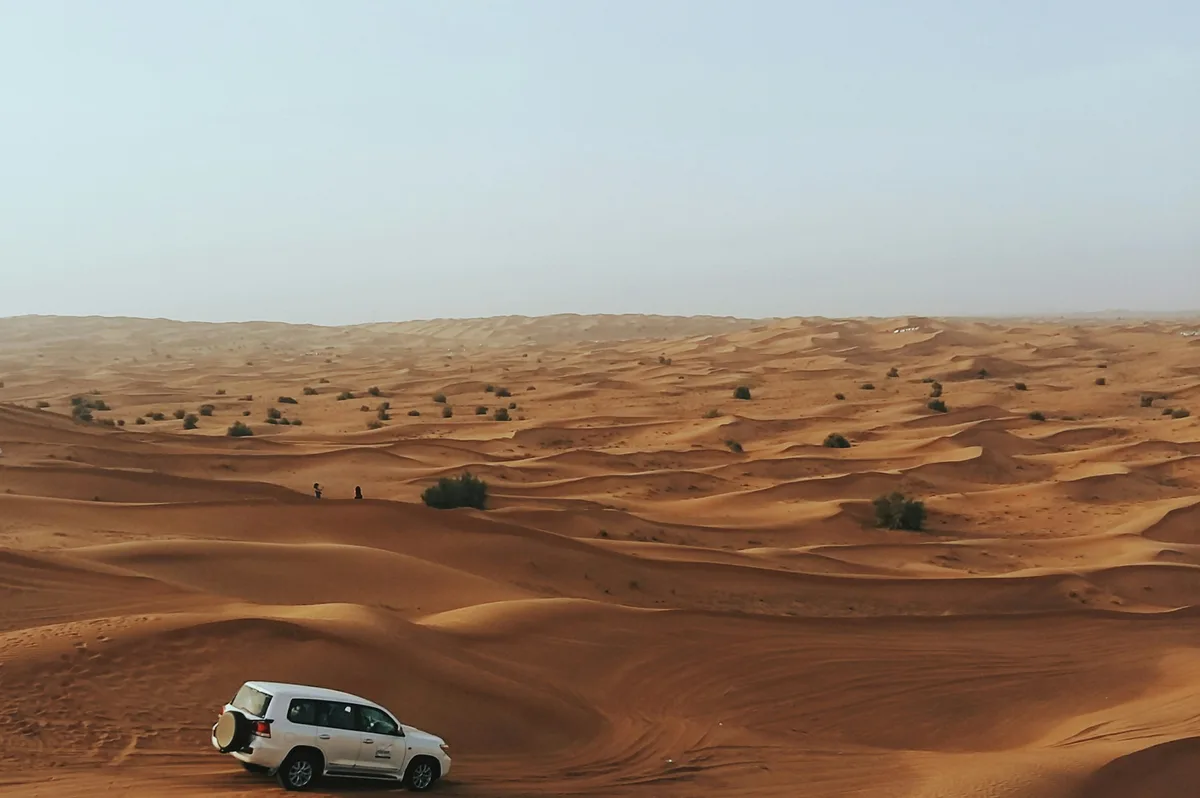
Protected red-dune desert on Dubai's edge, where safari drives, dune bashing, and camel treks take place.
 Private Tours Popular Pick
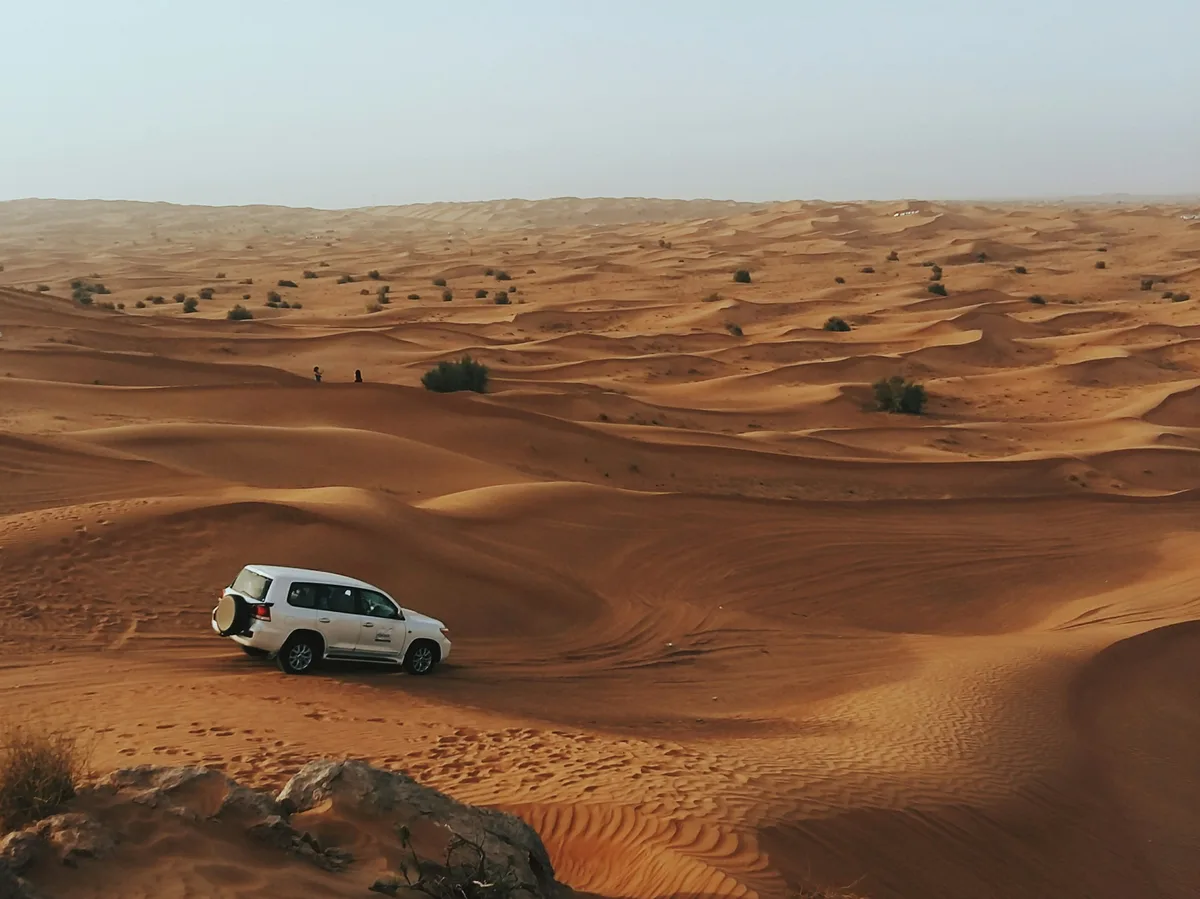
A private evening desert safari from Dubai — dune bashing across the red dunes in a 4x4, a sunset photo stop, and a private BBQ dinner at a desert camp.
 Private Tours
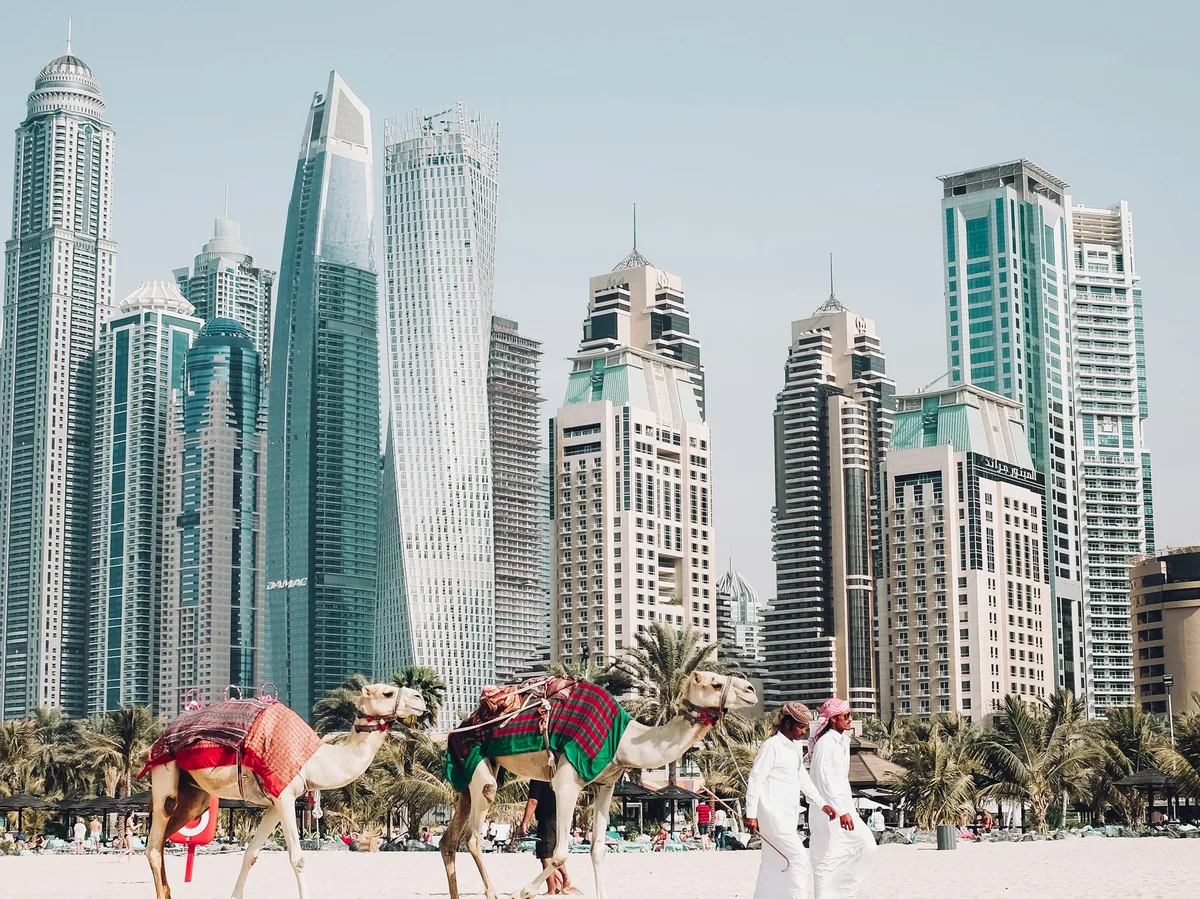
Dune bashing, a camel ride, and sandboarding down the dunes, plus a short quad bike session — a hands-on desert safari for groups who want to try everything.
 Private Tours
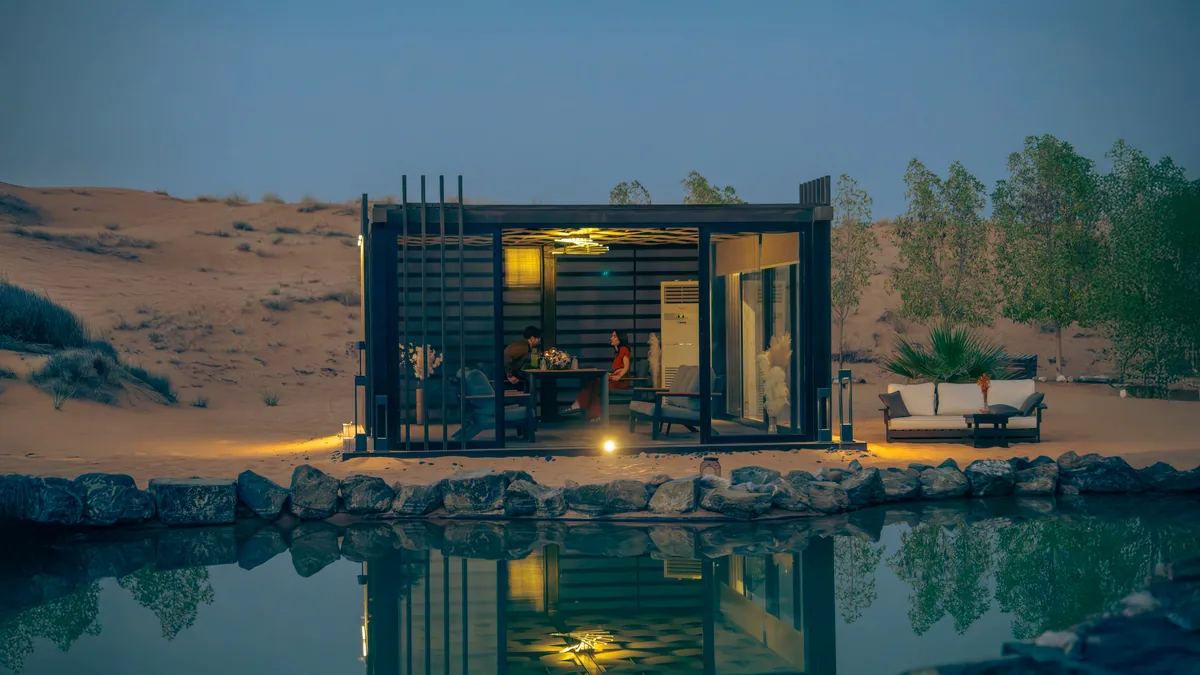
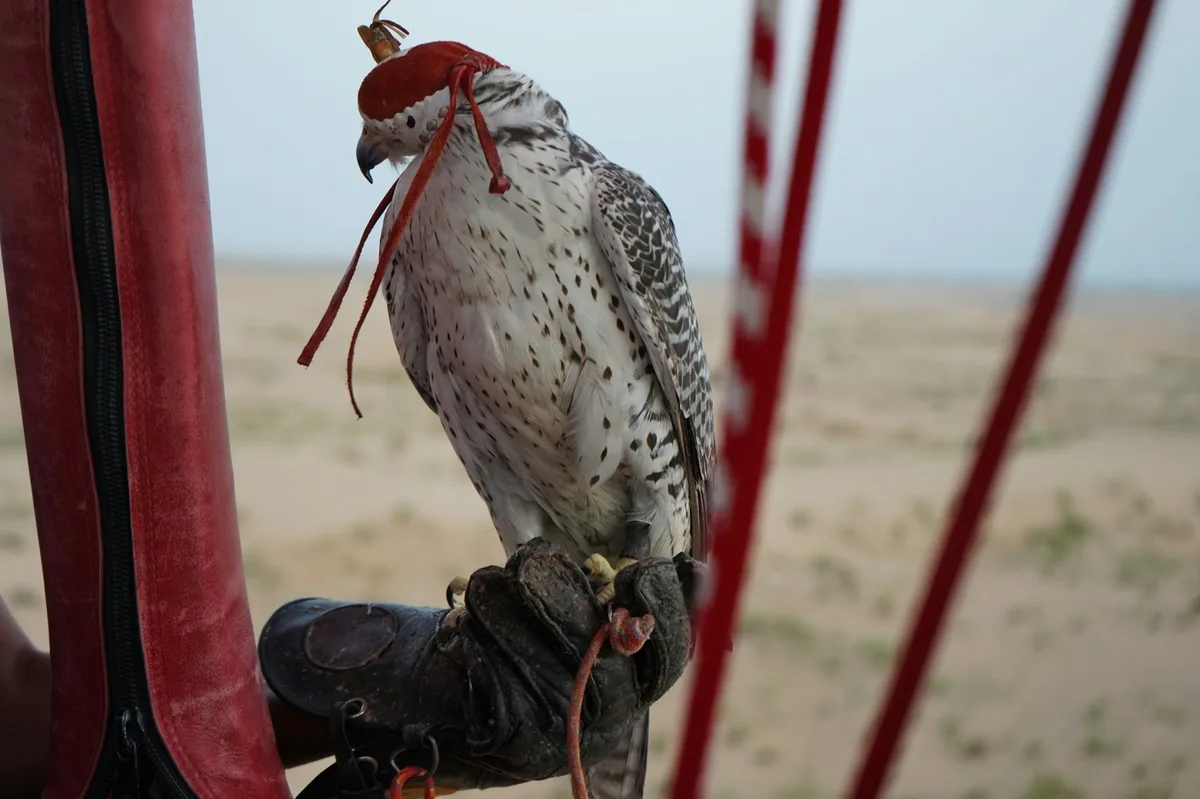
A private evening in the Dubai Desert Conservation Reserve: a nature drive in a private Land Rover Defender, a private falcon show over sunset canapes, then a five-course dinner curated by a Michelin-starred chef, prepared by a private chef and served by a butler at your own desert oasis, with a fire performance to close.
 Private Tours
A private morning from Dubai: an interactive falconry demonstration of about 75 minutes with hawks, falcons and an owl, a nature drive of about 60 minutes in the Dubai Desert Conservation Reserve, and breakfast at Al Maha Desert Resort & Spa, in a private Land Rover Defender.
 Private Tours
A private morning from Dubai: a guided nature drive through the Dubai Desert Conservation Reserve in a Land Rover Defender, a stop at a remote lake that the operator describes as a migratory bird lake, and breakfast at Al Maha Desert Resort & Spa.
 Private Tours
A private-vehicle evening from Dubai: a 60-minute nature safari in a vintage Land Rover at the Dubai Desert Conservation Reserve, a sunset falcon show, camel rides, a four-course Emirati dinner, live performances and stargazing at a Bedouin-style camp.
Visitor guide
The Dubai Desert Conservation Reserve is a protected area of dunes, gravel plains and ghaf woodland in the south-eastern part of the Emirate of Dubai, United Arab Emirates. Covering roughly 225 square kilometres, it is set aside to conserve desert habitats and to support wildlife, most famously a free-roaming herd of Arabian oryx.
Sources differ on exactly when the reserve came into being. Wikipedia states that it was created by Emiri decree on 9 January 2002, while its infobox gives 2003, and other accounts describe a perimeter fence completed during 2003. Some sources trace its roots further back to the opening of the Al Maha conservation area and desert resort around 1999, when oryx reintroduction began. The reserve is usually described as covering about 225 square kilometres, roughly five per cent of Dubai's land area.
Emirates, the airline that helped establish the project together with the Dubai government, describes it as a conservation initiative whose visitor revenue is directed back into conservation and wildlife care. A later decree, reported as dating to 2014, formally listed the reserve among Dubai's protected areas.
The reserve contains a mosaic of habitats rather than a single sea of sand. Descriptions of the area list red sand dunes, inland sand sheets, gravel plains, interdunal flats and stands of ghaf woodland. The ghaf tree is a hardy native that survives in very dry sandy ground, and its presence is one reason the area matters ecologically.
The red colour of the dunes, which look especially vivid at sunrise and late afternoon, is the reason the area is so closely associated with desert photography and with the safari-style drives that cross it. Access and activities inside the reserve are managed to limit disturbance to the habitat.
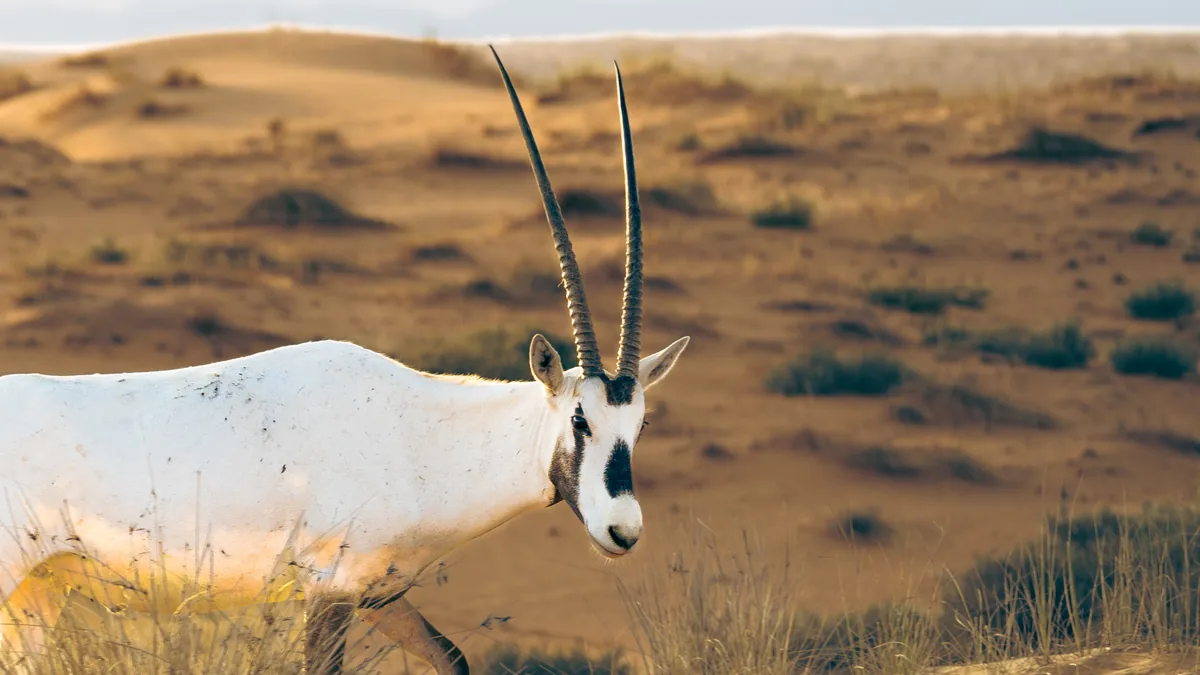
The Arabian oryx is the reserve's best-known resident. This medium-sized antelope has a nearly white coat, dark facial markings and long straight horns, and it was recorded as extinct in the wild by the early 1970s. Captive breeding programmes and reintroductions across the Arabian Peninsula brought it back, and the IUCN moved it from extinct in the wild to vulnerable in 2011. The IUCN describes the reserve as home to the only free-roaming herds of protected Arabian oryx in Dubai, and Wikipedia describes it as supporting the largest free-roaming oryx herd in the UAE. A conservation manager quoted by CNN said reintroduction began with 70 animals followed by a release of 30 more, with several hundred oryx on the reserve at the time of that article, a figure that may have changed since.
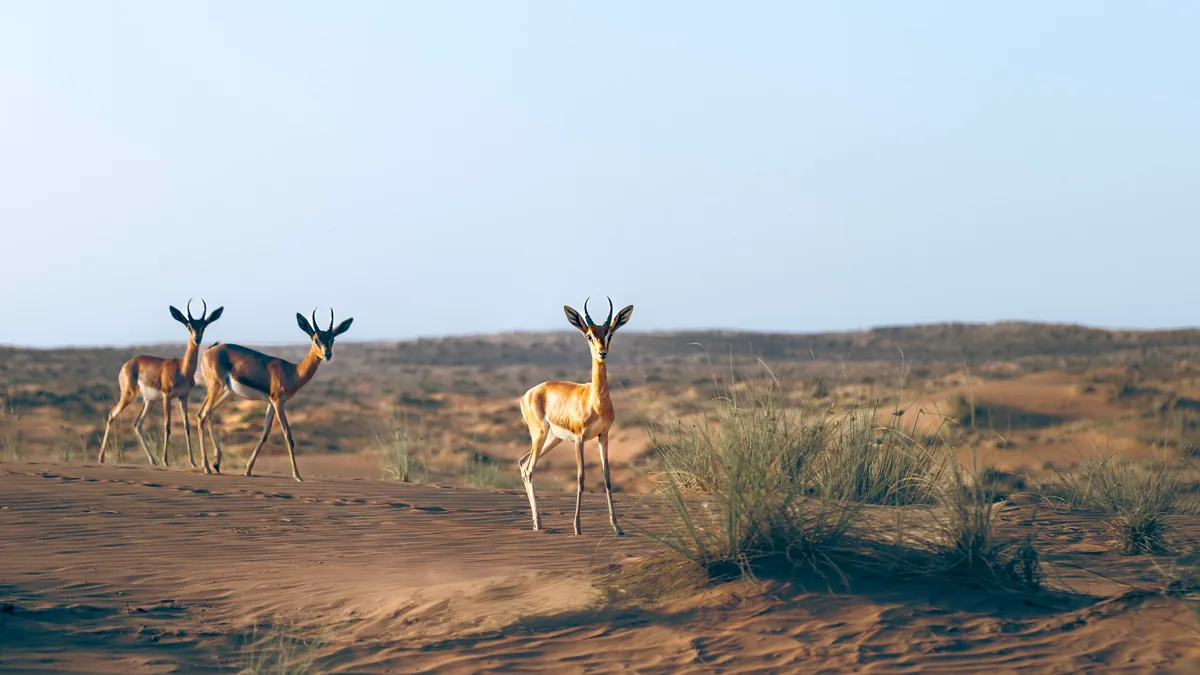
Other wildlife includes Arabian gazelles, sand gazelles, Gordon's wildcat, the Pharaoh eagle owl, the lappet-faced vulture and Macqueen's bustard. One source gives a species inventory of 142 birds, 22 mammals, 28 reptiles, 298 invertebrates and 72 plants, although such counts depend on survey dates. Researchers working in the reserve have reported insect species new to science and unusual bird sightings.
The Al Maha Desert Resort and Spa lies within the reserve and has been described as its only hotel. Beyond the resort, most visits take the form of guided excursions in which a guide and driver explain the dunes, tracks and wildlife. A private guided visit with a driver suits the reserve well because the terrain is soft and the best wildlife viewing is in the cooler hours around dawn and dusk. The summer months are very hot, so winter and the shoulder seasons are generally the more comfortable time to explore.
See every tour and attraction we cover in Dubai.