TorontoOntario · 36 tours
 Niagara FallsOntario · 25 tours
 New York CityNew York · 30 tours
 Las VegasNevada · 8 tours
 San FranciscoCalifornia · 16 tours
 VancouverBritish Columbia · 17 tours
 DubaiUAE · 54 tours
 Abu DhabiUAE · 5 tours
 Buenos AiresArgentina · 23 tours
 AthensGreece · 31 tours
 AucklandNew Zealand · 38 tours
 CancunMexico · 54 tours
No destinations match “”. Try searching all tours instead — that search understands full questions, not just place names.
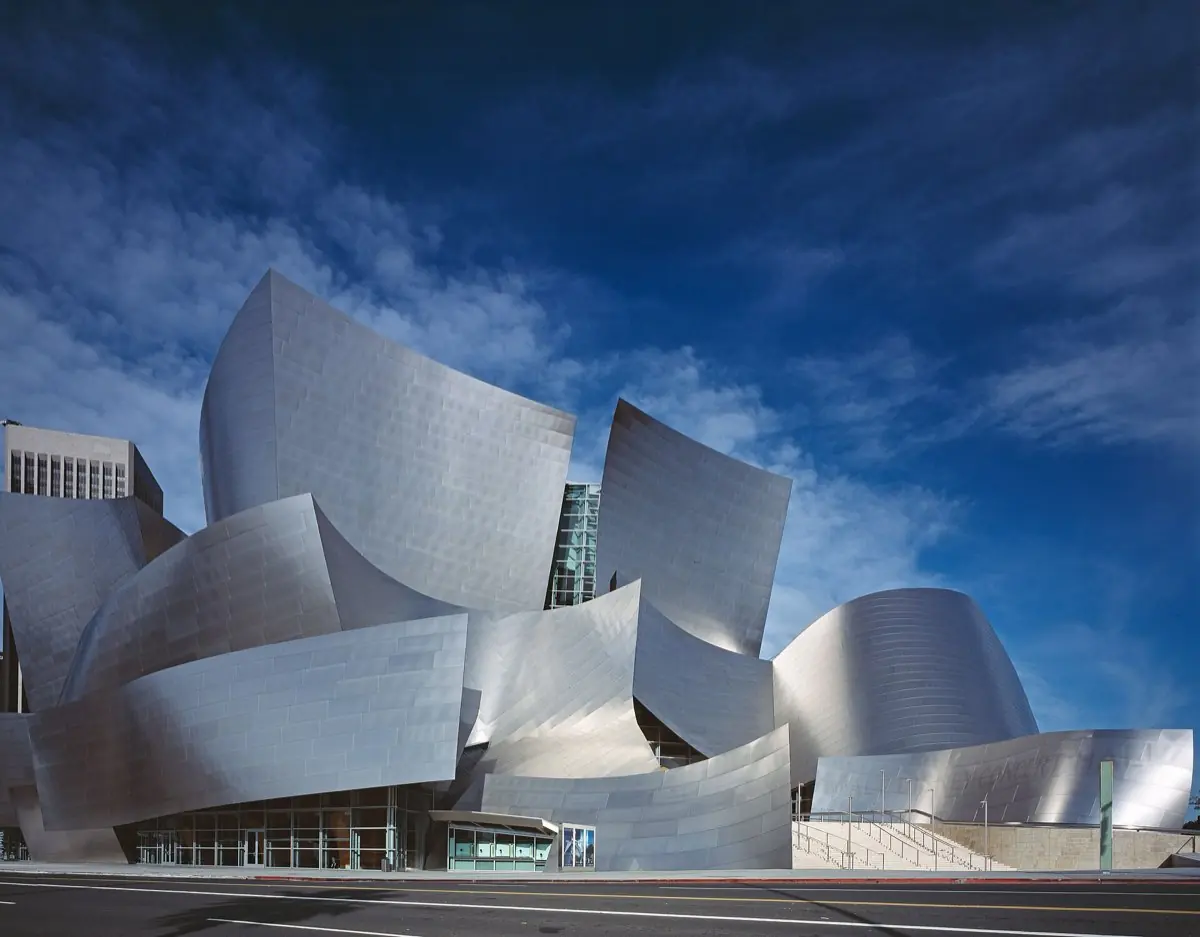
Frank Gehry's stainless-steel concert hall anchoring LA's modern downtown skyline.
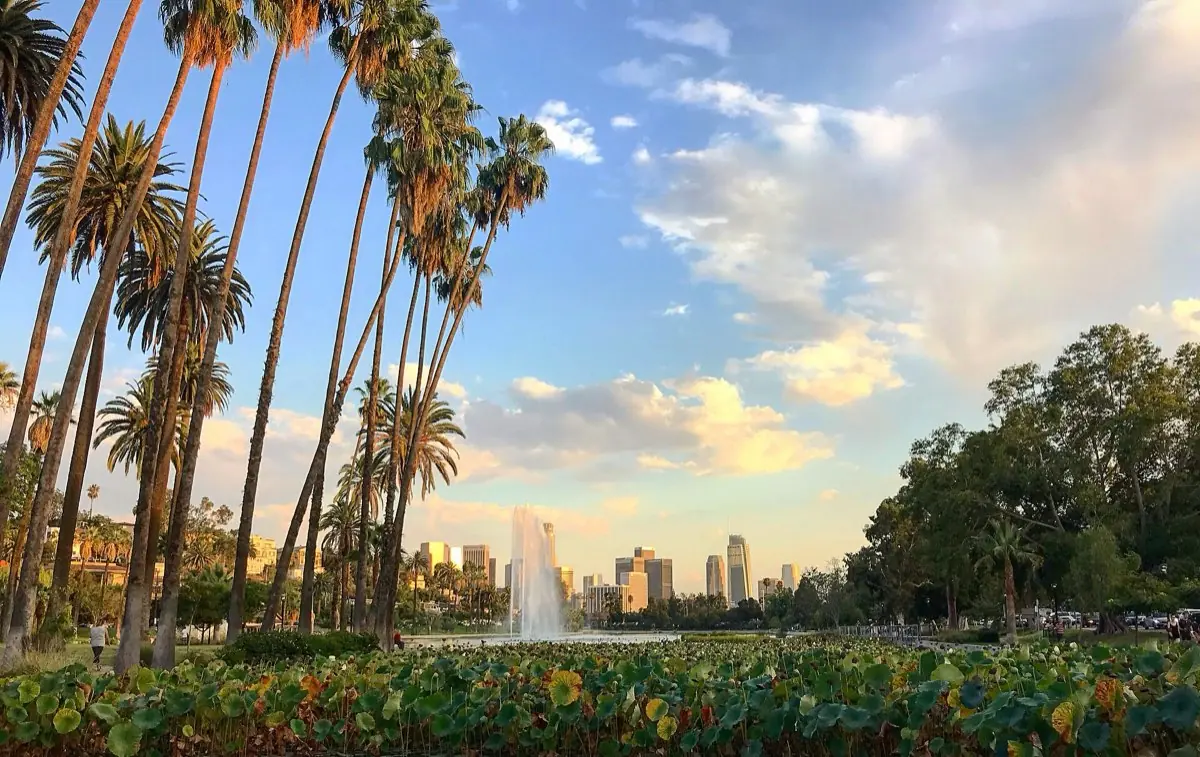 Private Tours Popular Pick
A private, fully customizable tour of Los Angeles — Hollywood, Beverly Hills, Santa Monica, and the neighborhoods in between — in your own vehicle with a dedicated local guide.
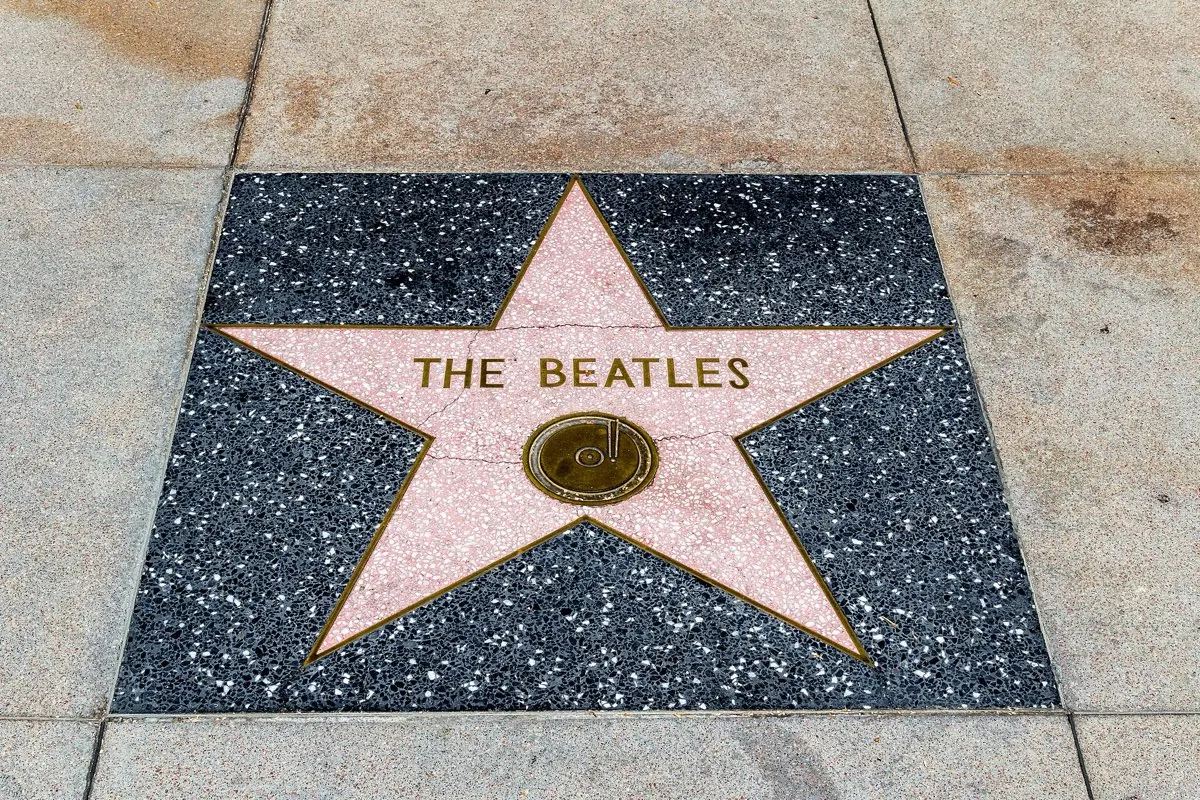 Private Tours
A private tour hitting Los Angeles' must-see stops — Hollywood, Beverly Hills, and a beach finish — built for visitors short on time.
Visitor guide
The Walt Disney Concert Hall, on Bunker Hill in downtown Los Angeles, is the home of the Los Angeles Philharmonic and the Los Angeles Master Chorale. Designed by Frank Gehry and opened on October 23, 2003, it is known for its sweeping stainless-steel exterior and for an auditorium whose acoustics were designed with acousticians Minoru Nagata and Yasuhisa Toyota.
The project began in 1987, when Lillian Disney, Walt Disney's widow, gave an initial $50 million toward a new performance venue. Gehry, a Los Angeles native, later called his selection the least likely thing he had expected to happen to him, since he was known for inexpensive materials used in unconventional ways. Gehry delivered completed designs in 1991, using CATIA, software originally developed for aircraft, to model the complex curved forms. An underground parking garage was built from 1992 to 1996, but work on the hall itself stalled between 1994 and 1996 for lack of funds. Fundraising was revived in 1996 with Eli Broad and then-mayor Richard Riordan leading the effort, and groundbreaking followed in December 1999. The reported cost at completion was about $274 million.
Gehry originally wanted a stone exterior, because stone would glow at night, but rising costs led to stainless steel; Wikipedia reports that donors chose metal after seeing Gehry's Guggenheim Museum in Bilbao. The angular forms were meant to suggest musical movement and the motion of Los Angeles. Some mirror-like panels reflected strong sunlight onto nearby buildings and sidewalks, and were lightly sanded in 2005 to reduce the glare.
The 2,265-seat auditorium was designed with acousticians Minoru Nagata and Yasuhisa Toyota, according to the LA Phil. Gehry's team tested a 1:10 scale model, and the walls and ceilings are Douglas fir over an oak floor. The seating plan blends a vineyard-style layout, like Berlin's Philharmonie, with the classical shoebox shape of Vienna's Musikverein. The Music Center describes the auditorium as a concrete box structurally independent of the rest of the building. Reverberation time is reported at about 2.2 seconds when the room is empty and 2.0 seconds when occupied. The Philharmonic held its opening until the fall of 2003 so the orchestra and Master Chorale could adapt to the room; Esa-Pekka Salonen, then music director, said everyone could now hear what the LA Phil was supposed to sound like.
The organ, completed in 2004, was designed with Manuel Rosales as organ consultant, and its sculptural facade of curved wooden pipes echoes the building's curves. It is reported to have 72 stops and 109 ranks, and the Music Center gives about 6,134 pipes, and was given to Los Angeles County by Toyota Motor Sales, USA. Its first recital was on September 30, 2004.
The Los Angeles Philharmonic was founded in 1919 by the copper heir William Andrews Clark Jr., with Walter Henry Rothwell as its first music director. It has played summer concerts at the Hollywood Bowl since 1922, and from 1964 to 2003 its main subscription concerts were at the Dorothy Chandler Pavilion, also part of the Music Center. Bunker Hill itself was once a residential hill of Victorian houses; the Angels Flight funicular opened there in 1901, and the Community Redevelopment Agency's urban renewal project, adopted in 1959, cleared much of the old neighborhood before the area filled with office towers and cultural venues. The hall hosted the 2003 world premiere of The Matrix Revolutions.
The Music Center's visitor information lists self-guided audio tours and docent-led tours. Tours do not include the auditorium because of rehearsal and performance schedules, so check availability and current terms with the Music Center or LA Phil. The Blue Ribbon Garden, nearly an acre on the roof, features Gehry's "A Rose for Lilly," a fountain covered in broken Delft porcelain tiles that honors Lillian Disney.
Around the hall, downtown Los Angeles offers The Broad, the Museum of Contemporary Art, the Angels Flight funicular and Grand Park. The Civic Center/Grand Park and Grand Avenue Arts/Bunker Hill Metro stations serve the area, and an elevated walkway links the Bunker Hill station to the hall.
A private vehicle and driver can drop you at the hall door to door, which suits a stop that mixes architecture, a garden walk and nearby museums. Voyzo can build it into a wider Los Angeles day on request.
See every tour and attraction we cover in Los Angeles.