TorontoOntario · 36 tours
 Niagara FallsOntario · 25 tours
 New York CityNew York · 30 tours
 Las VegasNevada · 8 tours
 San FranciscoCalifornia · 16 tours
 VancouverBritish Columbia · 17 tours
 DubaiUAE · 54 tours
 Abu DhabiUAE · 5 tours
 Buenos AiresArgentina · 23 tours
 AthensGreece · 31 tours
 AucklandNew Zealand · 38 tours
 CancunMexico · 54 tours
No destinations match “”. Try searching all tours instead — that search understands full questions, not just place names.
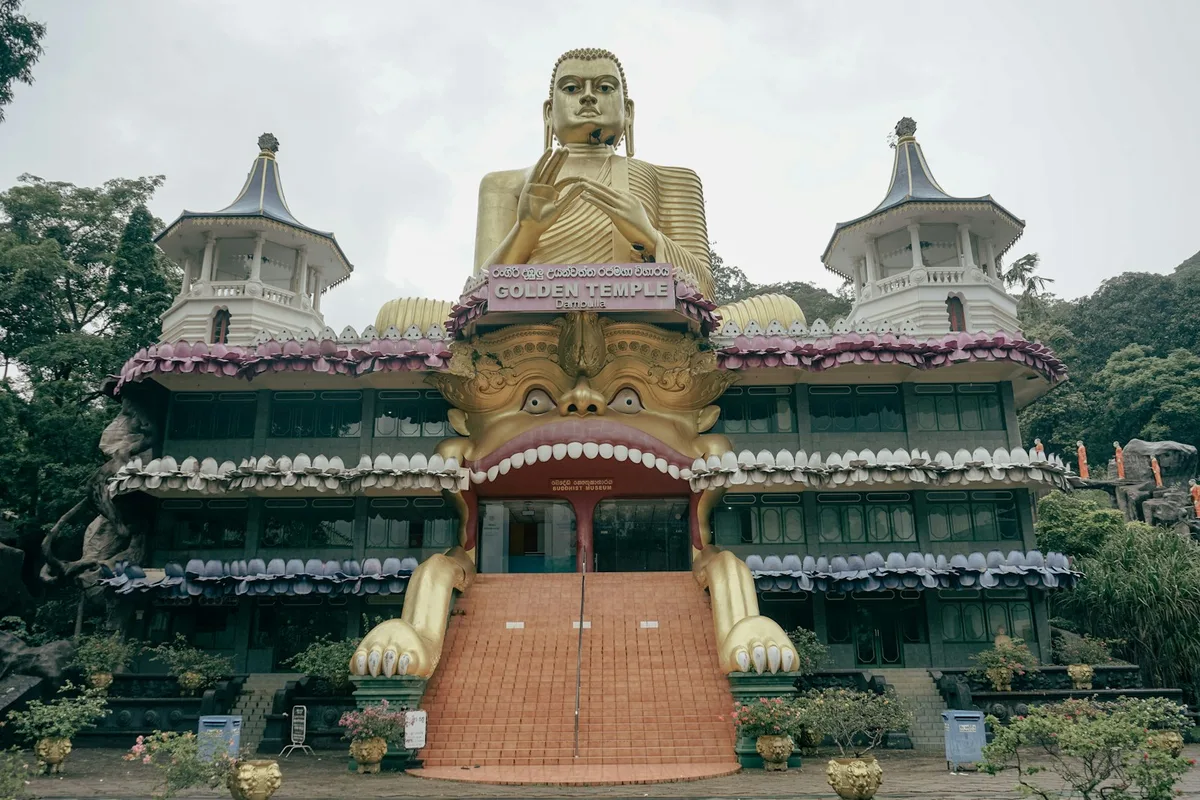
A complex of five cave shrines carved into a granite outcrop, painted with Buddhist murals and housing over 150 Buddha statues dating back more than 2,000 years.
 Multi-Day Tours
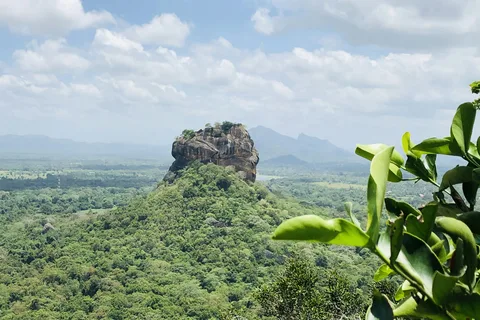
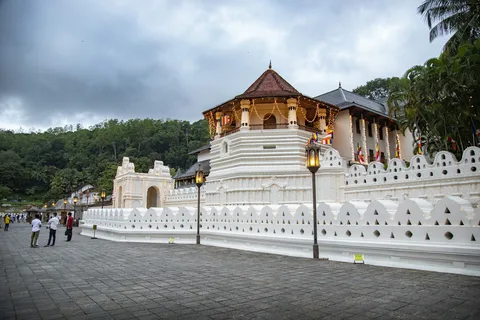
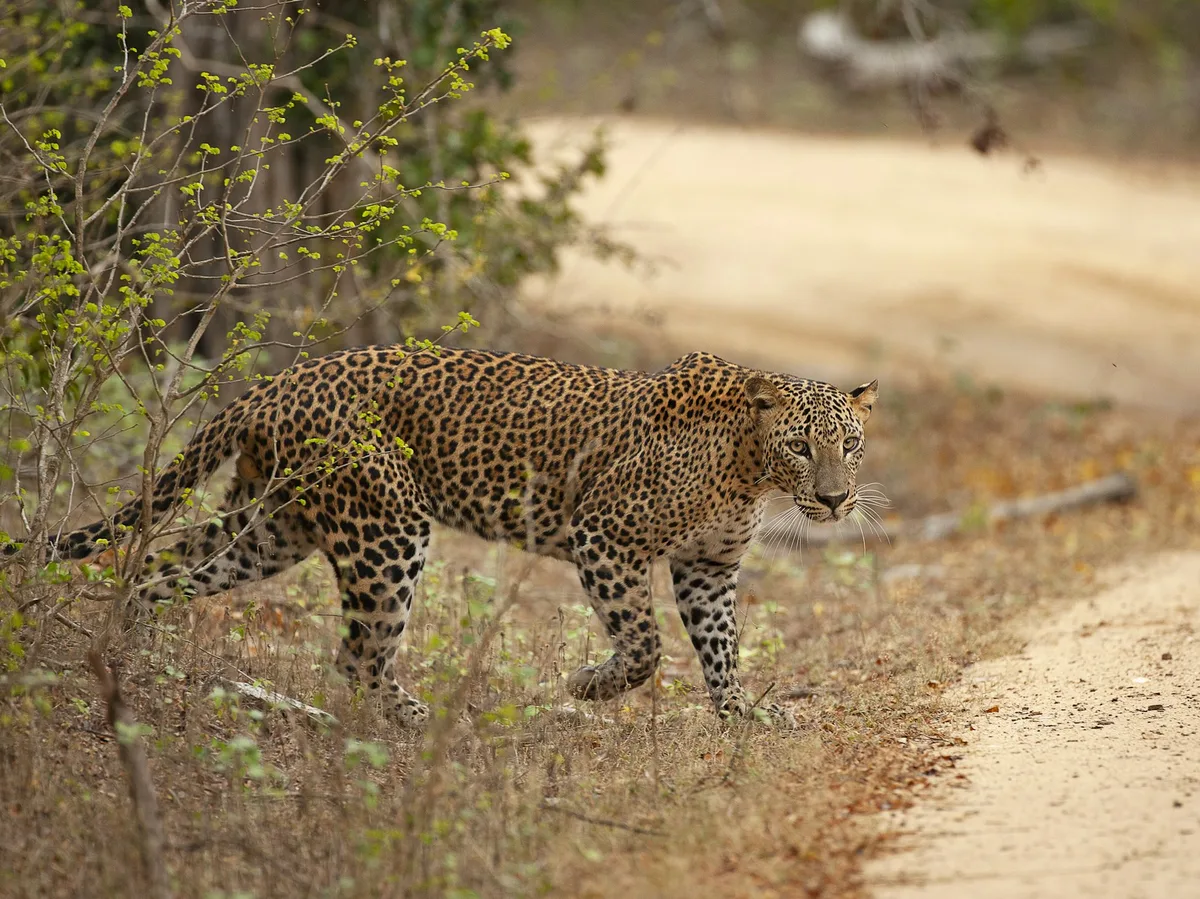
An 11-day private circuit from Dambulla's Sigiriya Rock through Kandy, the tea country of Nuwara Eliya, and safaris in Yala National Park and the Sinharaja rainforest, ending on Mirissa's beaches.
 Multi-Day Tours
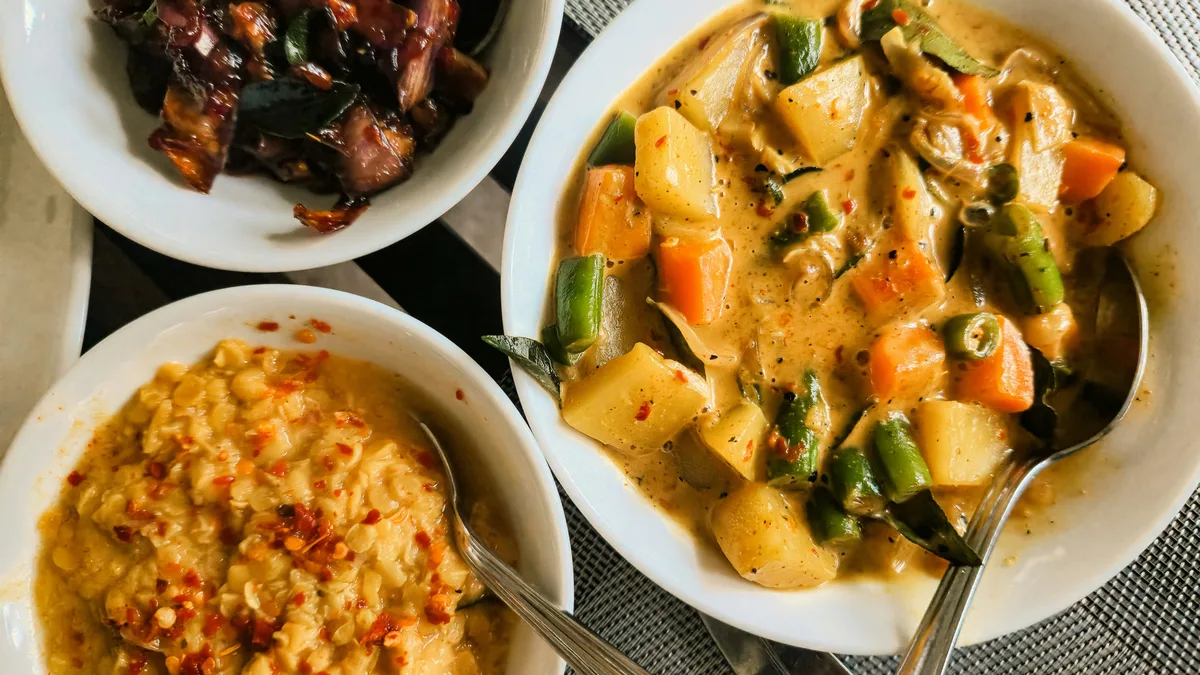
A 7-day private tour built around Sri Lankan cuisine — cooking lessons, village visits, and homestays through Negombo, Kandy, Batticaloa, Polonnaruwa, and Sigiriya.
 Multi-Day Tours
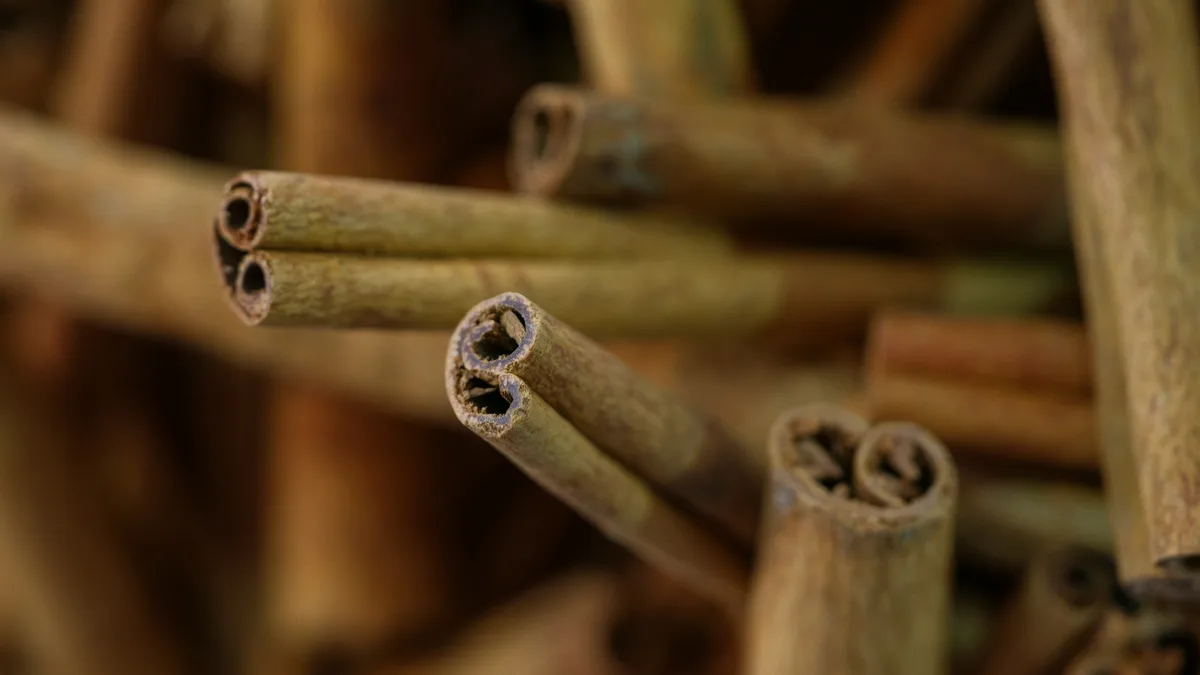
A 14-day private tour following Sri Lanka's spice and food traditions — cooking lessons, village visits, Sigiriya Rock, Minneriya National Park, Kandy, Ella, and Negombo's canals.
Visitor guide
The Dambulla Cave Temple, also called the Golden Temple of Dambulla, is a Buddhist cave temple complex in Matale District, Central Province, Sri Lanka. Its official name is Rangiri Dambulla Cave Temple, and it has been a UNESCO World Heritage Site since 1991. Wikipedia describes it as the largest and best-preserved cave temple complex in the country.
The rock rises roughly 160 metres above the surrounding plains, with more than eighty documented caves in the area. The complex is about 148 kilometres east of Colombo and 72 kilometres north of Kandy. Wikipedia says the caves were first established as a monastery in the 3rd and 2nd centuries BCE, and a 1st-century Brahmi inscription above the first cave's entrance records the monastery's founding. Burial sites about 2,700 years old nearby at Ibbankatuwa suggest earlier use of caves.
King Valagamba of Anuradhapura is traditionally credited with converting the caves into a temple in the 1st century BCE. He had been exiled and sought refuge here for about 15 years while fighting South Indian usurpers, and built a temple in gratitude. By the 11th century the site was a major religious centre. In 1190 Nissanka Malla of Polonnaruwa gilded the caves and added Buddha statues, and in the 18th century the Kingdom of Kandy restored and repainted them.
The caves are carved beneath an overhanging rock with a drip line that keeps the interiors dry. The Cave of the Divine King is dominated by a Buddha statue about 14 metres long carved from the rock, with Ananda at its feet and Vishnu at its head. The Cave of the Great Kings is the largest, about 52 metres from east to west, and holds 16 standing and 40 seated Buddhas, as well as statues of Kings Vattagamani Abhaya and Nissanka Malla. A spring said to have healing powers drips from a crack in its ceiling.
The Maha Alut Vihara has paintings in the Kandy style from the reign of King Kirti Sri Rajasinha (1747 to 1782) and holds 50 Buddha statues and a statue of the king. The Sleeping Buddha statue is in Cave 5.
Wikipedia reports 153 Buddha statues in total, while a UNESCO document gives 157 statues of varied sizes, along with three statues of Sri Lankan kings and four of deities including Vishnu and Ganesha. The murals cover about 2,100 square metres, and one cave has over 1,500 painted Buddha images across its ceiling. The 18th-century paintings make up about 80 percent of what survives. Scenes include the temptation by Mara and the Buddha's first sermon.
A 1960s project cleaned the murals and applied a protective coating, and from 1982 to 1996 UNESCO, the Cultural Triangle Project and the temple authorities worked on stabilising them. Sigiriya, about 19 kilometres away, is visible from the approach, so the temple is often combined with Sigiriya on a private tour with a local driver and guide. The temple is an active place of worship, so modest dress is customary.
See every tour and attraction we cover in Sri Lanka.