TorontoOntario · 36 tours
 Niagara FallsOntario · 25 tours
 New York CityNew York · 30 tours
 Las VegasNevada · 8 tours
 San FranciscoCalifornia · 16 tours
 VancouverBritish Columbia · 17 tours
 DubaiUAE · 54 tours
 Abu DhabiUAE · 5 tours
 Buenos AiresArgentina · 23 tours
 AthensGreece · 31 tours
 AucklandNew Zealand · 38 tours
 CancunMexico · 54 tours
No destinations match “”. Try searching all tours instead — that search understands full questions, not just place names.
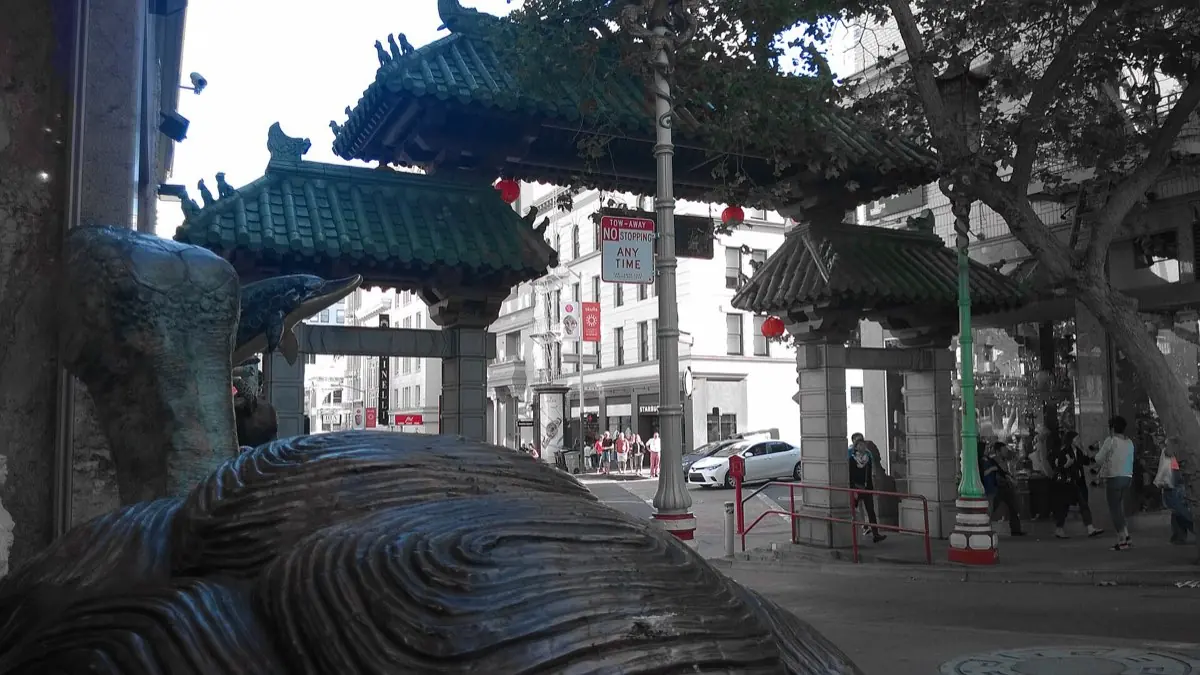
The oldest Chinese American community in the United States, according to the city, entered through the ornate Dragon Gate.
 Private Tours Popular Pick
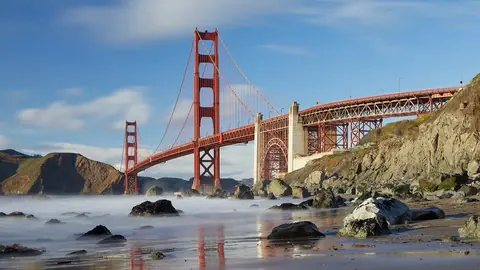
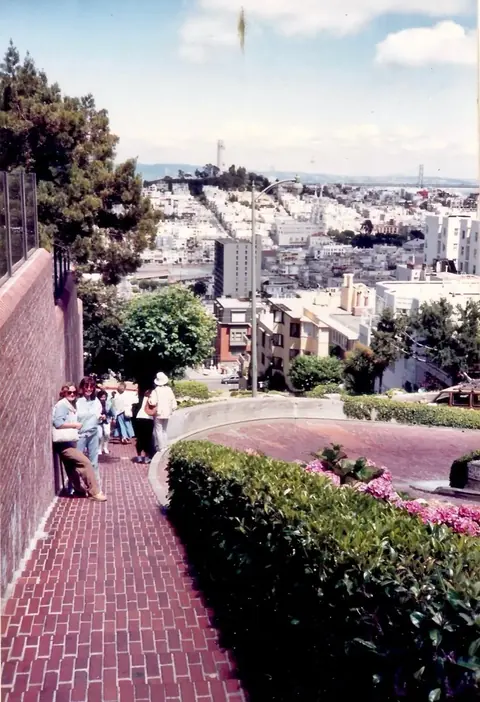
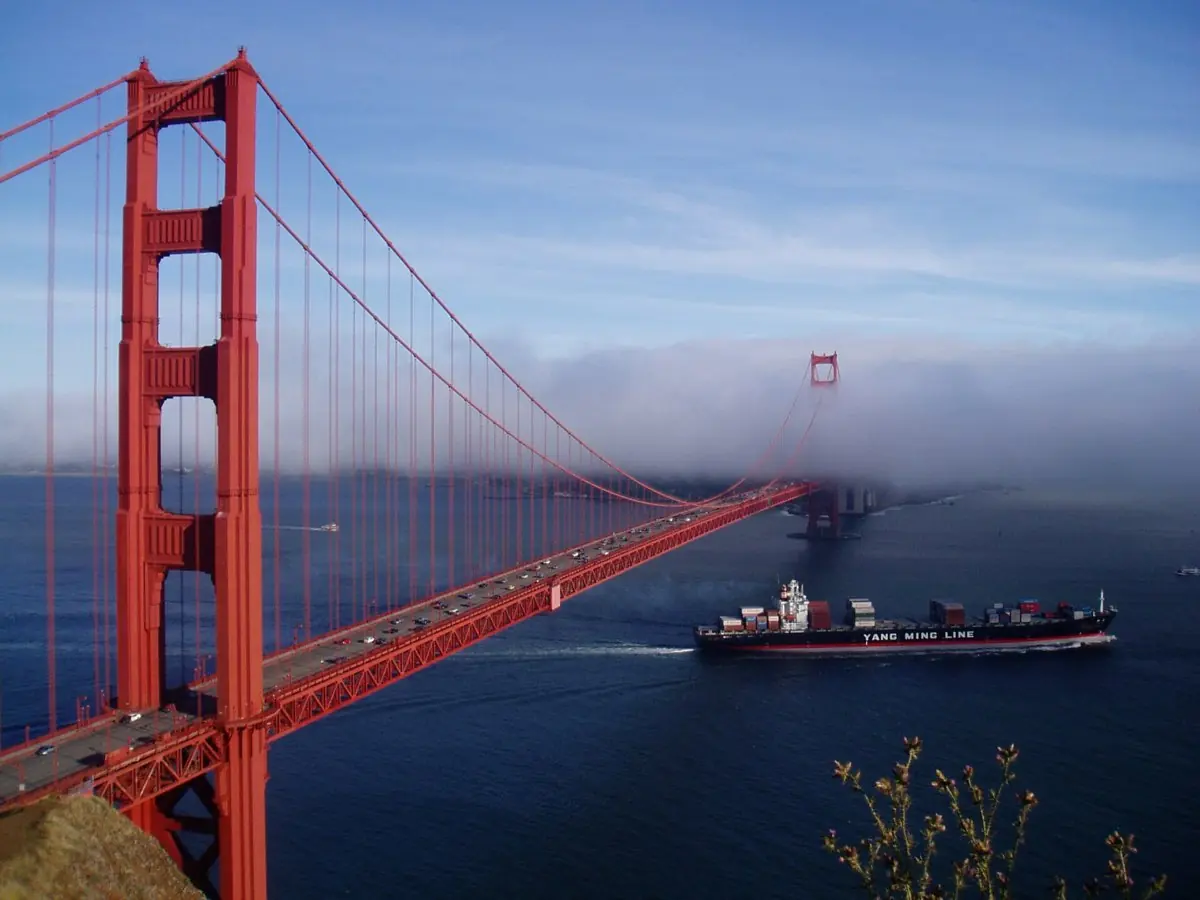
A private, fully customizable tour of San Francisco — the Golden Gate Bridge, Fisherman's Wharf, and the city's famously hilly neighborhoods — with a dedicated local guide.
 Private Tours
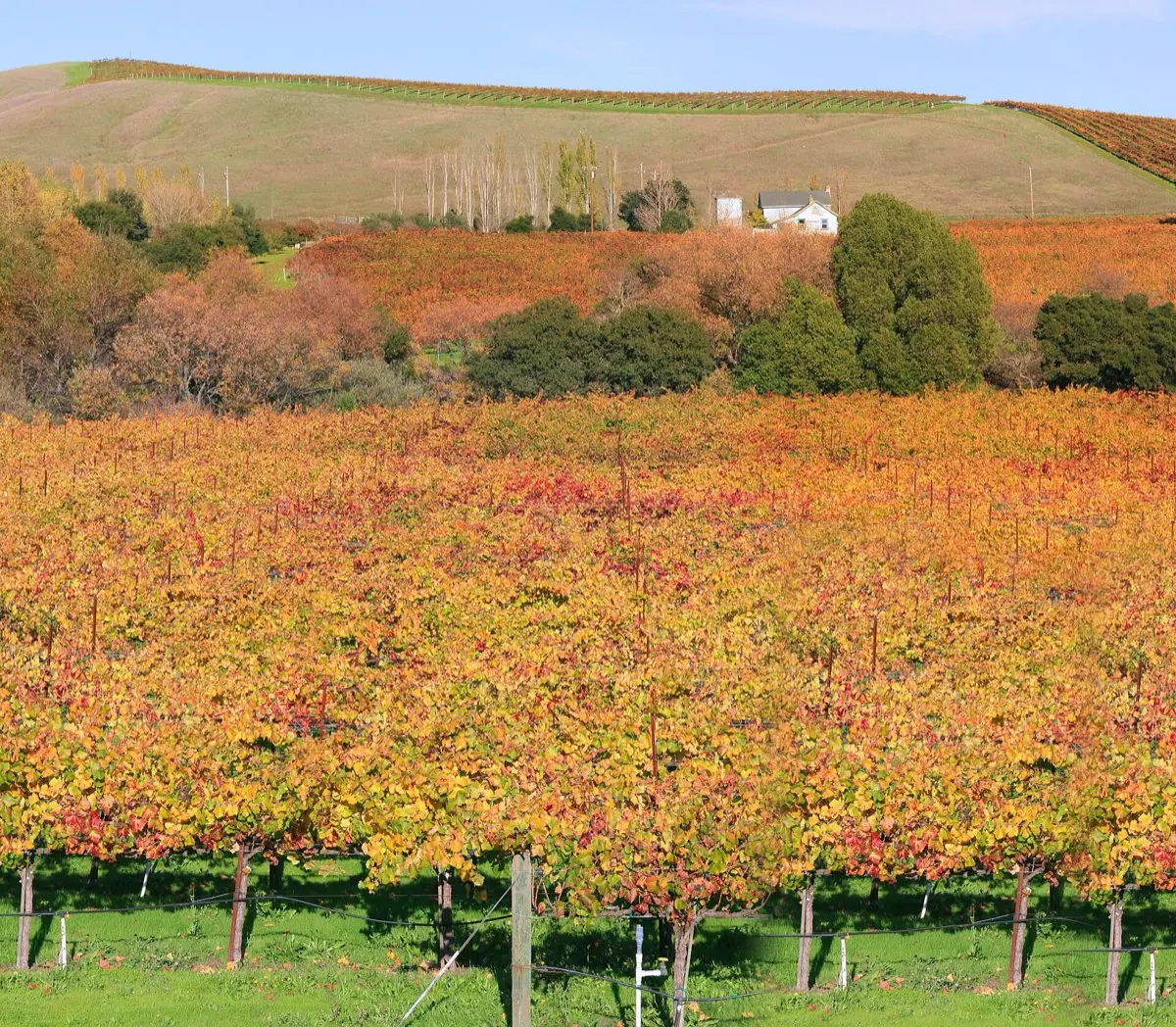
A private day trip from San Francisco into Napa and Sonoma wine country — visit boutique wineries at your own pace, with a driver who knows the region.
 Private Tours
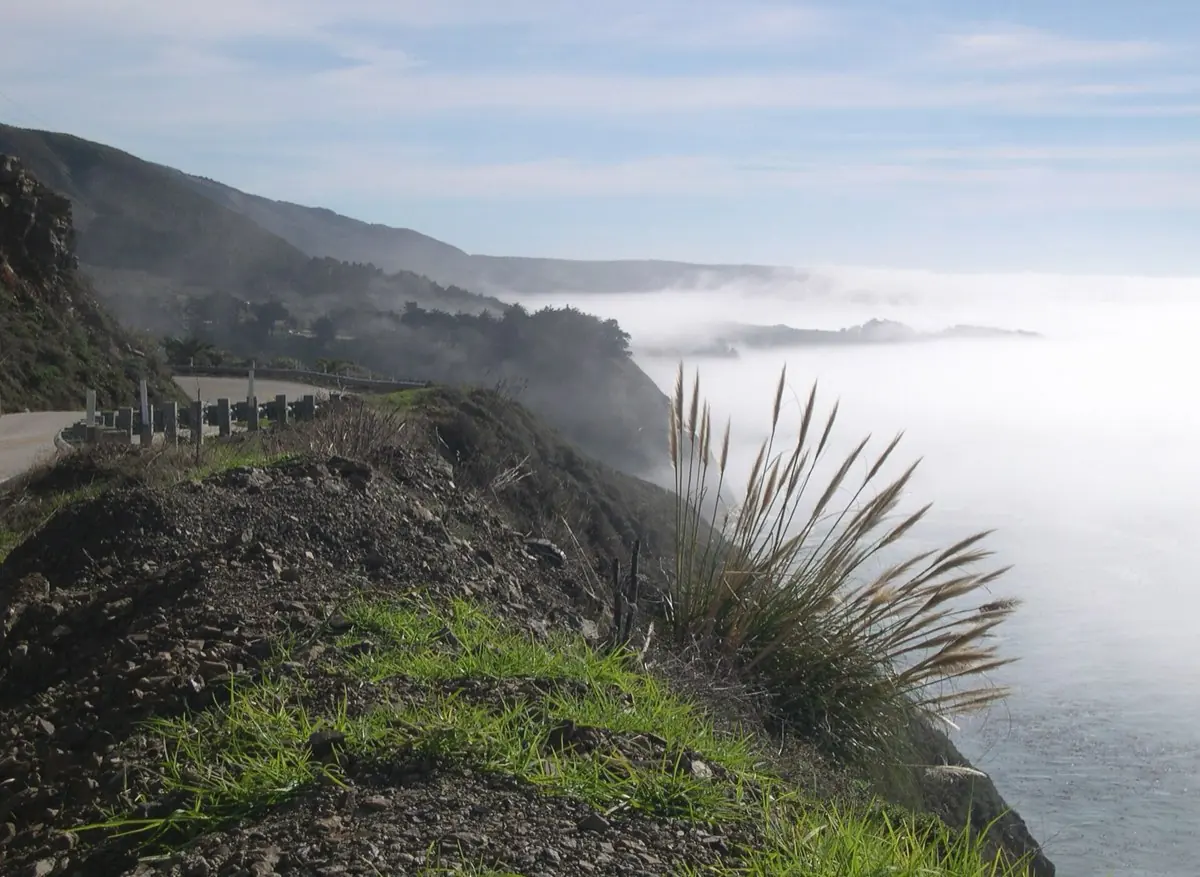
A private day trip from San Francisco down the California coast — Carmel-by-the-Sea, Monterey, and the cliffs of Big Sur along Highway 1.
Visitor guide
San Francisco's Chinatown is a dense, living neighborhood next to the Financial District, with a plan area the city puts at about 30 blocks in whole or in part, centered on Grant Avenue and Stockton Street. The city's Planning Department calls it the oldest and second-largest Chinese American community in the United States, after New York's, and it works as both a home neighborhood and a major visitor draw.
Chinese immigrants arrived in San Francisco in the Gold Rush years and the neighborhood took shape in the early 1850s around Portsmouth Square. Family and district associations formed to support newcomers; six of them banded together in 1862 and were later incorporated as the Chinese Consolidated Benevolent Association. Anti-Chinese hostility was severe, and the Chinese Exclusion Act of 1882 sharply limited immigration. The 1906 earthquake and fire destroyed the district, but plans to relocate it failed and rebuilding began on the same site that October. The rebuilt blocks adopted an Oriental style, including pagoda-topped buildings such as Sing Chong and Sing Fat, partly to draw visitors. The Immigration and Nationality Act of 1965 later brought a new wave of arrivals, many from Hong Kong.
The Dragon Gate, at Grant Avenue and Bush Street, is the ceremonial entrance; it was a gift from the Republic of China (Taiwan) and was dedicated in 1970. Grant Avenue was once called Dupont Street and was renamed for President Grant after the 1906 disaster. Waverly Place, a block to the west, is known as the street of painted balconies, with family association buildings and several temples, including Tin How Temple, founded around 1852 or 1853 and often described as the oldest Chinese temple in the United States. Portsmouth Square is where residents gather for tai chi and Chinese chess. In 1925 forty-three dragon street lamps were installed along Grant Avenue.
Grant Avenue is the main visitor street, while Stockton Street, a block or so over, is more of a day-to-day street for the local community.
The Planning Department describes a low-rise district: about three-quarters of structures are three stories or less, and the plan area includes over 250 historically or architecturally important buildings. It describes the area as a residential neighborhood and civic hub for the region's Chinese population, with about 140 family and district associations. Many residents are older or recent immigrants, so visitors are guests in a working community; be considerate when photographing people and shops.
Chinatown borders North Beach, Union Square and the Financial District, and it is a short walk from the cable car lines. With a private Voyzo tour, a driver can drop you at the Dragon Gate, meet you at the far end of Grant Avenue, and avoid the area's difficult parking.
See every tour and attraction we cover in San Francisco.