TorontoOntario · 36 tours
 Niagara FallsOntario · 25 tours
 New York CityNew York · 30 tours
 Las VegasNevada · 8 tours
 San FranciscoCalifornia · 16 tours
 VancouverBritish Columbia · 17 tours
 DubaiUAE · 54 tours
 Abu DhabiUAE · 5 tours
 Buenos AiresArgentina · 23 tours
 AthensGreece · 31 tours
 AucklandNew Zealand · 38 tours
 CancunMexico · 54 tours
No destinations match “”. Try searching all tours instead — that search understands full questions, not just place names.
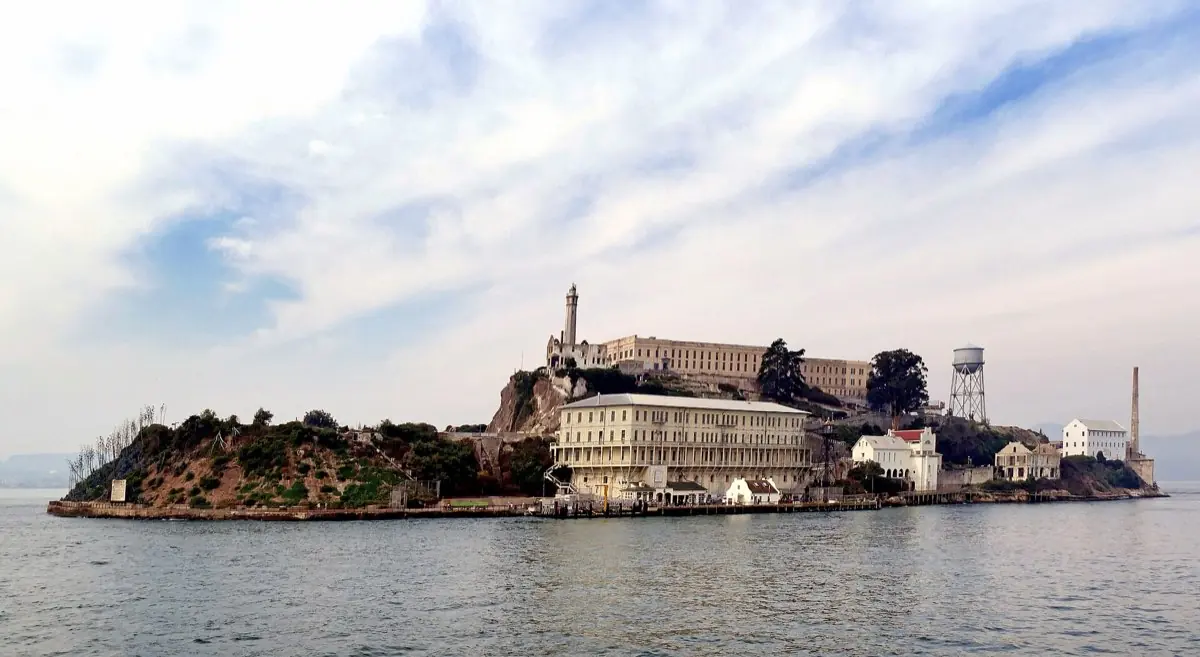
The former federal prison on an island in San Francisco Bay, reachable by ferry.
 Private Tours Popular Pick
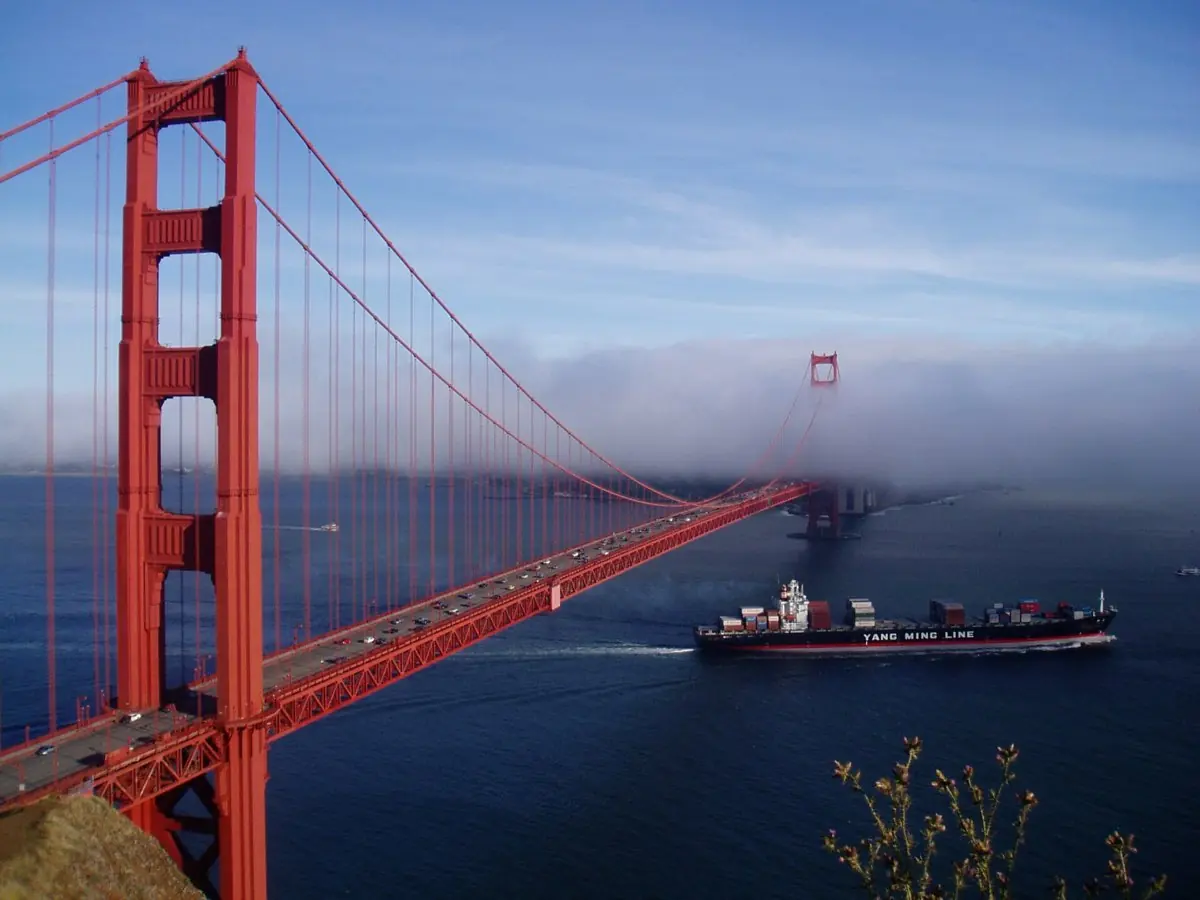
A private, fully customizable tour of San Francisco — the Golden Gate Bridge, Fisherman's Wharf, and the city's famously hilly neighborhoods — with a dedicated local guide.
 Private Tours
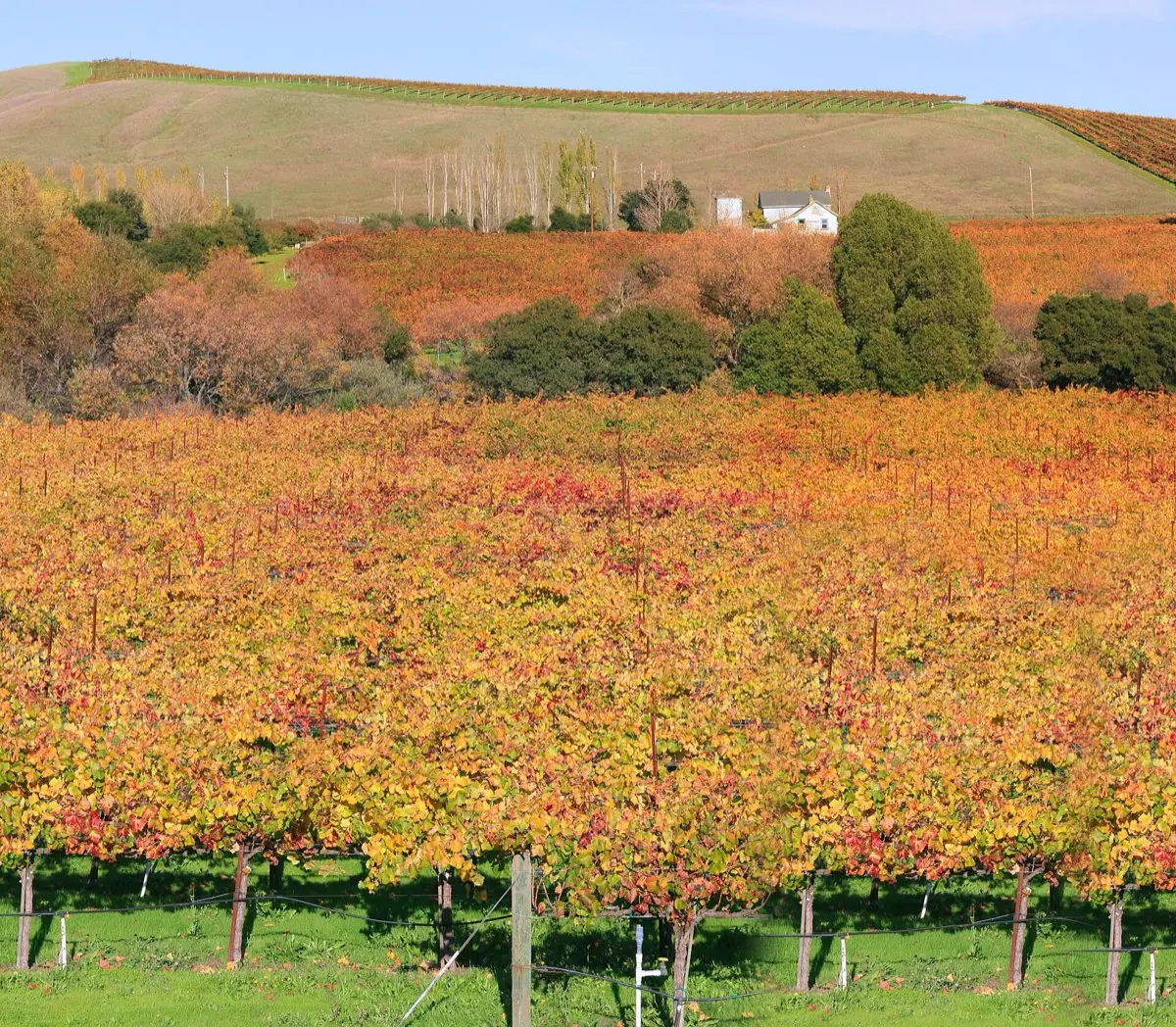
A private day trip from San Francisco into Napa and Sonoma wine country — visit boutique wineries at your own pace, with a driver who knows the region.
 Private Tours
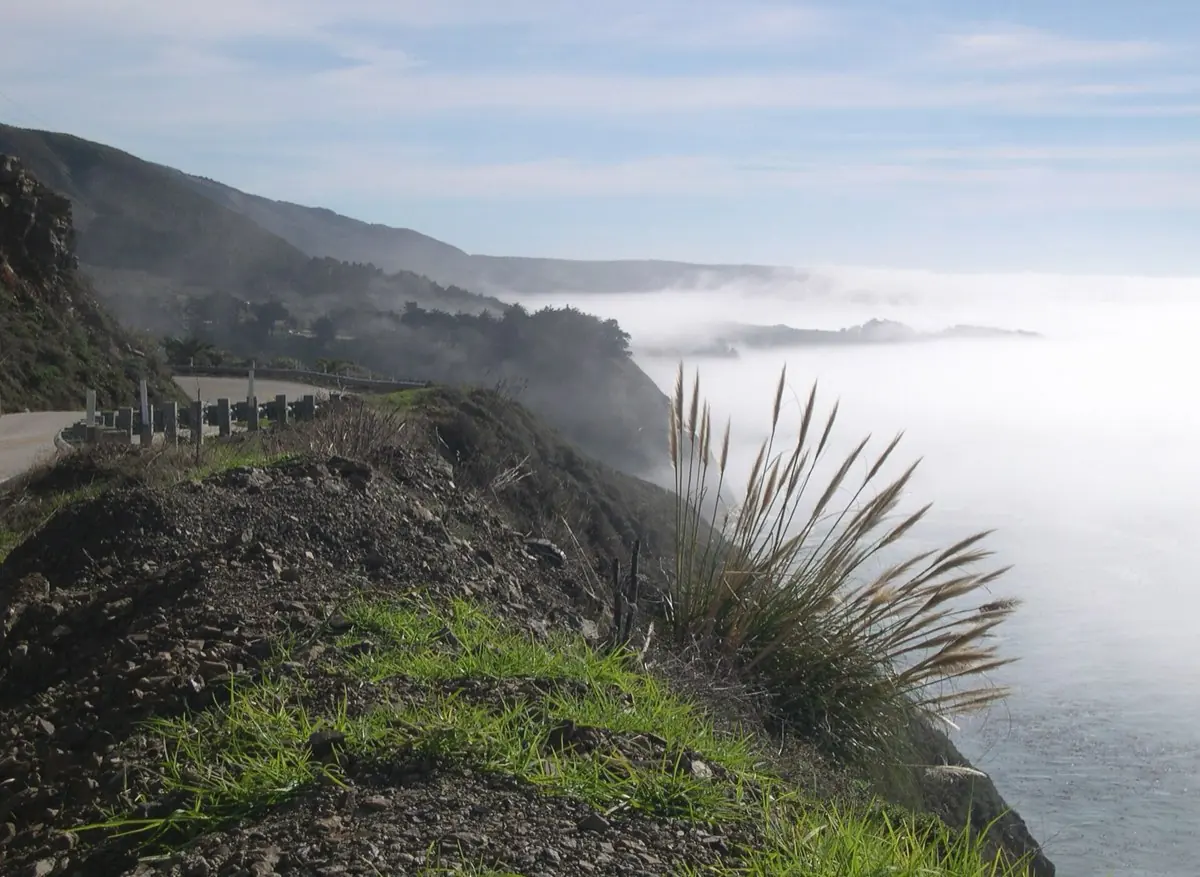
A private day trip from San Francisco down the California coast — Carmel-by-the-Sea, Monterey, and the cliffs of Big Sur along Highway 1.
Visitor guide
Alcatraz Island is a 22.5-acre rock in San Francisco Bay, about 1.25 miles off the city's shoreline. It has been a lighthouse station, an army fortress, a military prison and, from 1934 to 1963, a federal penitentiary, and it is now part of the Golden Gate National Recreation Area, managed by the National Park Service.
Spanish explorer Juan Manuel de Ayala charted the bay in 1775, and the name Alcatraz, which probably derives from a Spanish word for pelican, was later attached to the island. The U.S. Army began fortifying it in 1853, and Fort Alcatraz was completed in 1858. The National Park Service describes the island's lighthouse as the first on the U.S. West Coast, though some sources describe it as the oldest still operating, so the wording varies. During the Civil War the fort held prisoners, and the island remained a military prison until the 1930s.
The Department of Justice took over the island in 1934. Its cold, swift water and strong tidal currents were a large part of the reasoning for isolating the most difficult inmates here. Well-known prisoners included Al Capone, Robert Stroud (the so-called Birdman of Alcatraz), George 'Machine Gun' Kelly and Alvin 'Creepy' Karpis. The penitentiary closed in 1963, in part because of the cost of running a facility on an island with such limited infrastructure.
In June 1962 Frank Morris and brothers John and Clarence Anglin left their cells and left the island. No bodies were found, and the officially accepted view is that they drowned, though the case has never been formally closed with certainty.
The island's other great story is the occupation by a group calling itself the United Indians of All Tribes, which lasted from November 1969 until June 11, 1971. The National Park Service regards it as a key chapter in the birth of the Red Power movement, and the slogans painted then are still visible on the island. Alcatraz became part of the Golden Gate National Recreation Area in 1972 and was designated a National Historic Landmark in 1986.
Most visitors take the cellhouse audio tour, which the NPS offers as a self-paced hand-held program in several languages. Away from the cellhouse there are the remains of the military fortifications, the lighthouse, the ruins of the warden's house and the guard buildings. The island was also a bird sanctuary, and the views back to the San Francisco skyline are among the best in the city.
Pier 33 is a short distance from Fisherman's Wharf and Pier 39 along the Embarcadero. A private Voyzo tour fits well here: a driver can collect you from your hotel, bring you to the pier in time for your ferry, and wait to continue to the next stop once you return.
See every tour and attraction we cover in San Francisco.