TorontoOntario · 36 tours
 Niagara FallsOntario · 25 tours
 New York CityNew York · 30 tours
 Las VegasNevada · 8 tours
 San FranciscoCalifornia · 16 tours
 VancouverBritish Columbia · 17 tours
 DubaiUAE · 54 tours
 Abu DhabiUAE · 5 tours
 Buenos AiresArgentina · 23 tours
 AthensGreece · 31 tours
 AucklandNew Zealand · 38 tours
 CancunMexico · 54 tours
No destinations match “”. Try searching all tours instead — that search understands full questions, not just place names.
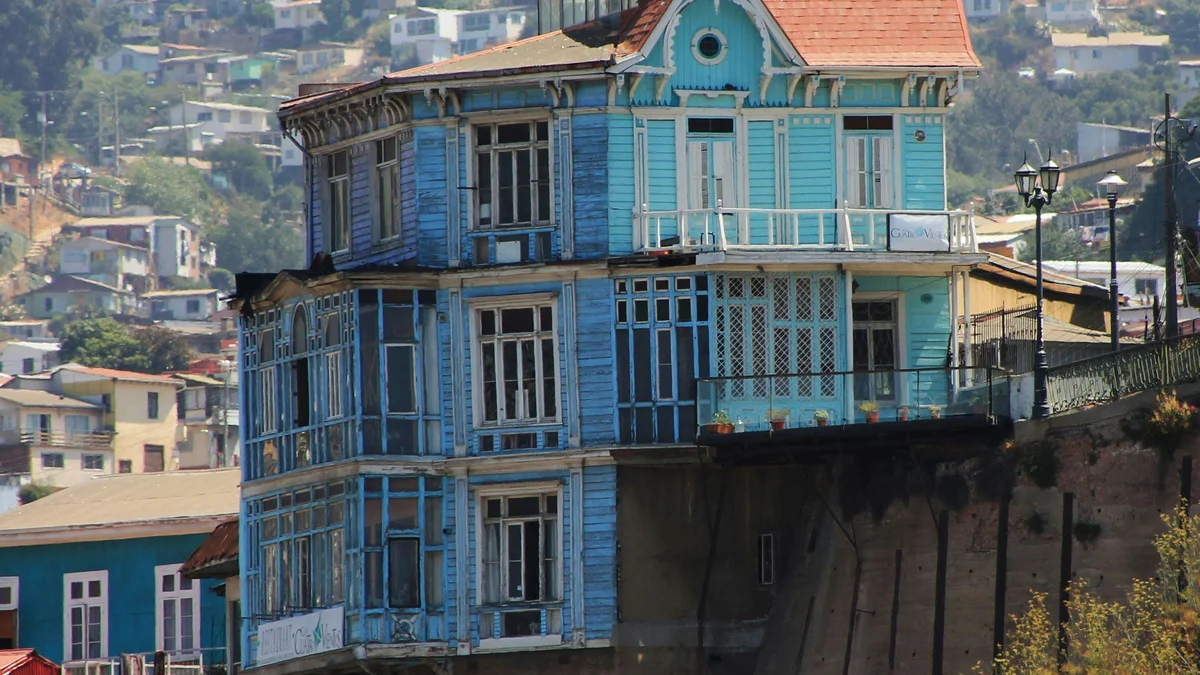
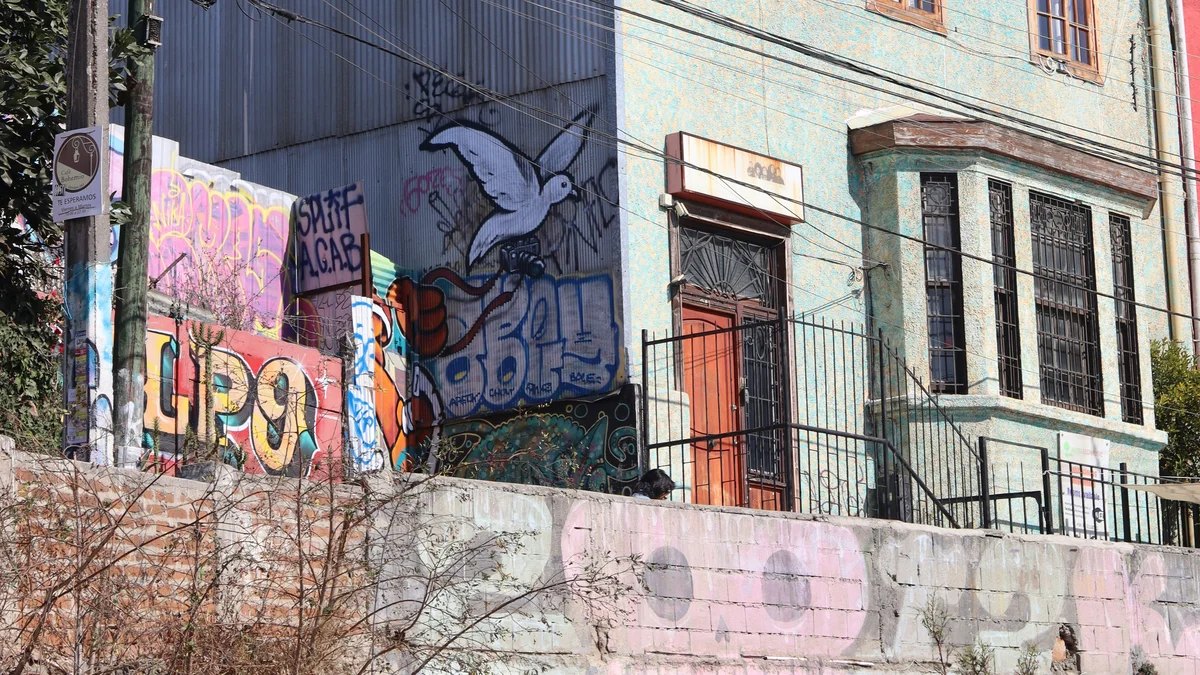
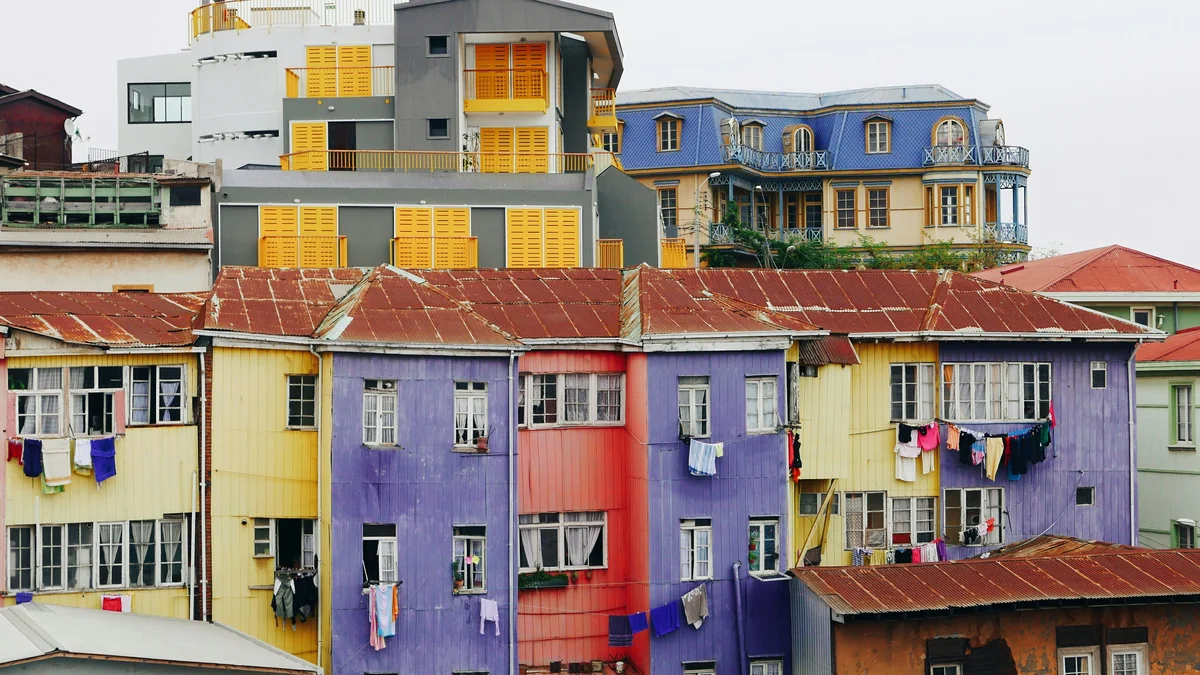
Valparaíso's two most-visited hillside neighborhoods, both part of the city's UNESCO World Heritage-listed historic quarter. Their narrow, winding streets are covered in murals and street art, lined with colorful 19th-century houses built by European immigrant families, and open onto real panoramic viewpoints over the bay.
 Private Tours
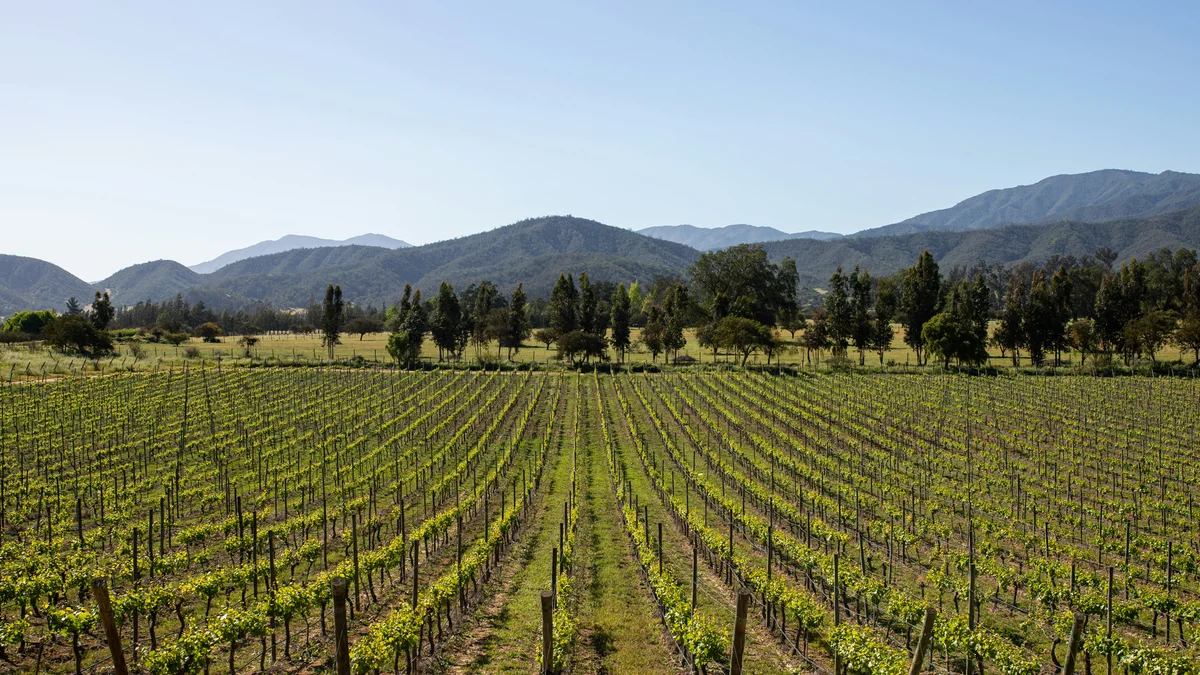
A private 4-hour tour covering the real highlights of Valparaíso and Viña del Mar with a personalized guide, with the option to continue into the Casablanca Valley wine region.
 Private Tours
A private full-day walking tour of Valparaíso led by a native local guide, exploring the city's shops, street art and cafés on foot and by public transportation, fully customizable to your interests.
Visitor guide
Cerro Alegre and Cerro Concepcion are two neighbouring hills in Valparaiso, Chile, forming one of the best-known districts of the UNESCO-listed historic quarter. Spanish-language Wikipedia describes Cerro Alegre as a neighbourhood above the political and financial centre of the city and says it forms a geographical and cultural unit with Cerro Concepcion.
Cerro Alegre is said to take its name from the pleasant gardens that decorated its houses in the nineteenth century, when English immigrants lived there. English residents called it Mount Pleasant, and it was also known as the hill of the Jews. The first Spaniards to settle were conquest captains who received land from Pedro de Valdivia. In 1672 the Augustinians received the land, and in 1724 it was sold to Captain Luis Garcia Venegas. In 1822 the British merchant William Bateman built the first house and a road. After the 1822 earthquake English-style mansions and a Protestant church followed, and the district was home to British and German merchants.
Cerro Concepcion has older names: it was first called the hill of the Cape, a reference to Cape Horn and the winter storms that struck ships there, and also the hill of the Chivato after a legendary beast said to live in a cave at its base. Its present name comes from the Castillo de la Concepcion, a fortress built by the Spanish to protect against pirates after Henry Morgan sacked Panama in 1671. Spanish Wikipedia says the castle was garrisoned by about fifty soldiers and its site is now occupied by a hotel on Paseo Atkinson. In 1833 the merchant Josue Waddington dynamited the lower part of the cape, which opened the way for the city to expand toward the sea.
Paseo Yugoslavo, about 45 metres above sea level at the top of the El Peral ascensor, is described as the most representative place in Cerro Alegre. It was known earlier as Paseo Americano, and its houses date from the late nineteenth and early twentieth centuries, financed by nitrate fortunes. The Zanelli family palace there was built in 1916, bought by Pascual Baburizza in 1925 and remodelled in 1928. As the Palacio Baburizza it now houses the Museo Municipal de Bellas Artes, and the Palacio Astoreca stands nearby.
On Cerro Concepcion, the paseos Gervasoni, Atkinson and Pierre Loti are balconies over the bay. The Concepcion ascensor, which opened on 1 December 1883, serves Paseo Gervasoni. The upper station of the Reina Victoria ascensor, opened in 1903, ends at a small square renamed in 2014 for the illustrator Renzo Pecchenino, known as Lukas, where murals form an open-air tribute to his characters. The Casa Mirador de Lukas on Paseo Gervasoni is a museum to his work.
Cerro Alegre has long had institutions founded by its immigrant communities, including the English Mc Kay school in 1857, which Spanish Wikipedia calls the oldest English school in Chile, the German Hospital in 1877, and the church of San Luis Gonzaga, founded in 1890 by Irish Palotine priests and inaugurated in 1893. The Anglican Cathedral of St Paul, built in 1857 or 1858 by the engineer William Lloyd, marks the start of Cerro Concepcion. Because of the Catholic majority it was not allowed a tower or a main door facing the altar. The Lutheran Church of the Holy Cross dates from 1897, and the article says it was the first Protestant church with a bell tower in South America. The football club Everton, now based in Vina del Mar, was founded on Cerro Alegre in 1909.
Spanish Wikipedia says British, German and Yugoslav immigrants built mansions on Cerro Concepcion in the late nineteenth and early twentieth centuries, and that after Valparaiso's mid-twentieth-century economic decline many European families emigrated and Chileans took their place. This mix explains why the hills mix English-style houses, German churches and later Chilean life.
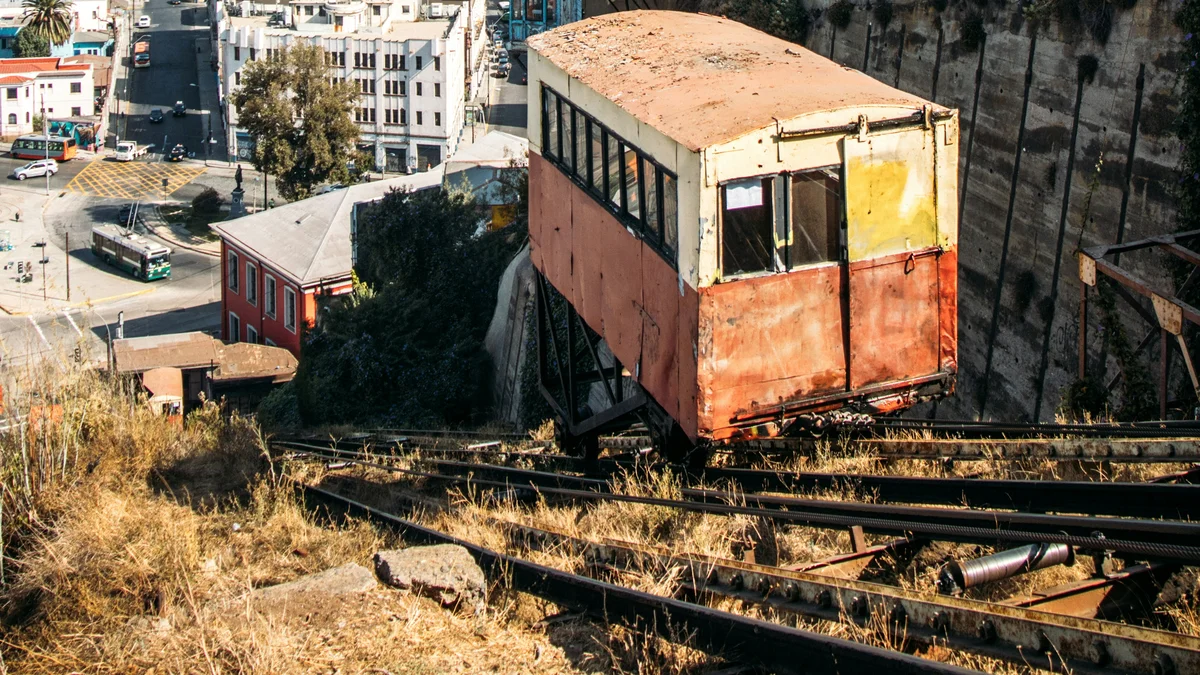
The two hills are meant for slow exploration on foot, with cobbled streets, steps and viewpoints. Funiculars such as El Peral, Reina Victoria and Concepcion link them to the port, though not all may be running. A private guided visit with a dedicated vehicle and driver can bring a group to the top and pick them up at the end of a walk.
See every tour and attraction we cover in Valparaiso.