TorontoOntario · 36 tours
 Niagara FallsOntario · 25 tours
 New York CityNew York · 30 tours
 Las VegasNevada · 8 tours
 San FranciscoCalifornia · 16 tours
 VancouverBritish Columbia · 17 tours
 DubaiUAE · 54 tours
 Abu DhabiUAE · 5 tours
 Buenos AiresArgentina · 23 tours
 AthensGreece · 31 tours
 AucklandNew Zealand · 38 tours
 CancunMexico · 54 tours
No destinations match “”. Try searching all tours instead — that search understands full questions, not just place names.
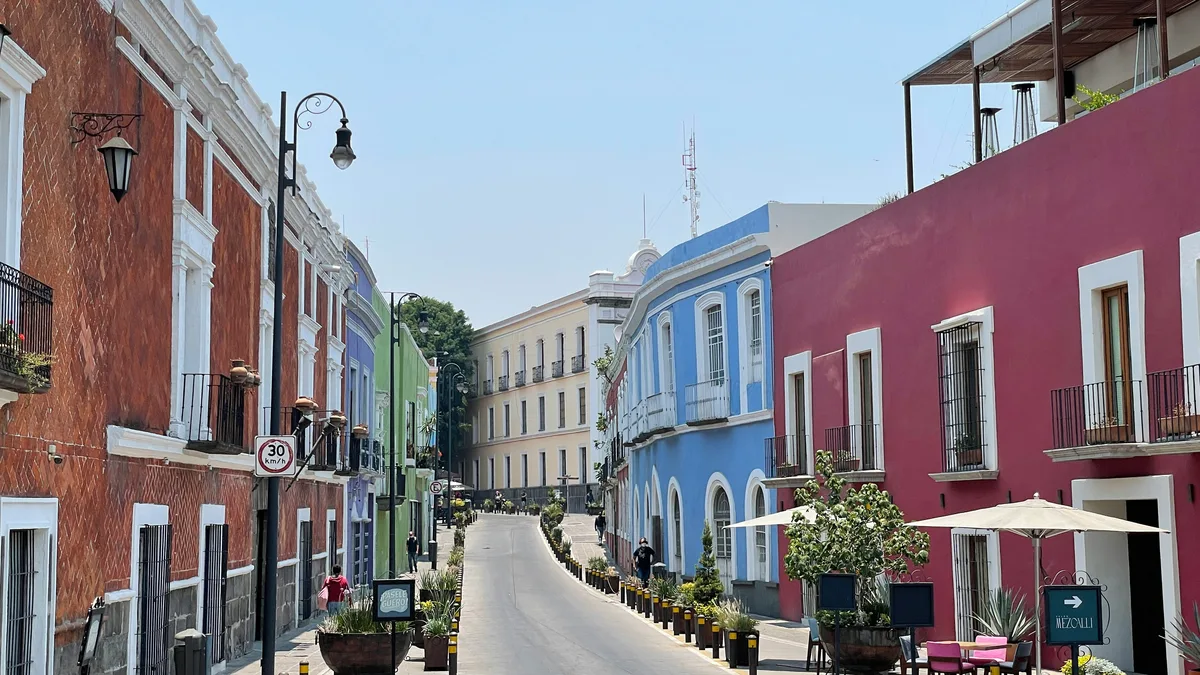
Part of the Church of Santo Domingo, this small 17th-century chapel is covered floor to ceiling in gold-leaf stucco, onyx, and Talavera tile, widely regarded as one of the finest surviving examples of Mexican Baroque interior art. It's often described locally as the eighth wonder of the world for the density of its decoration.
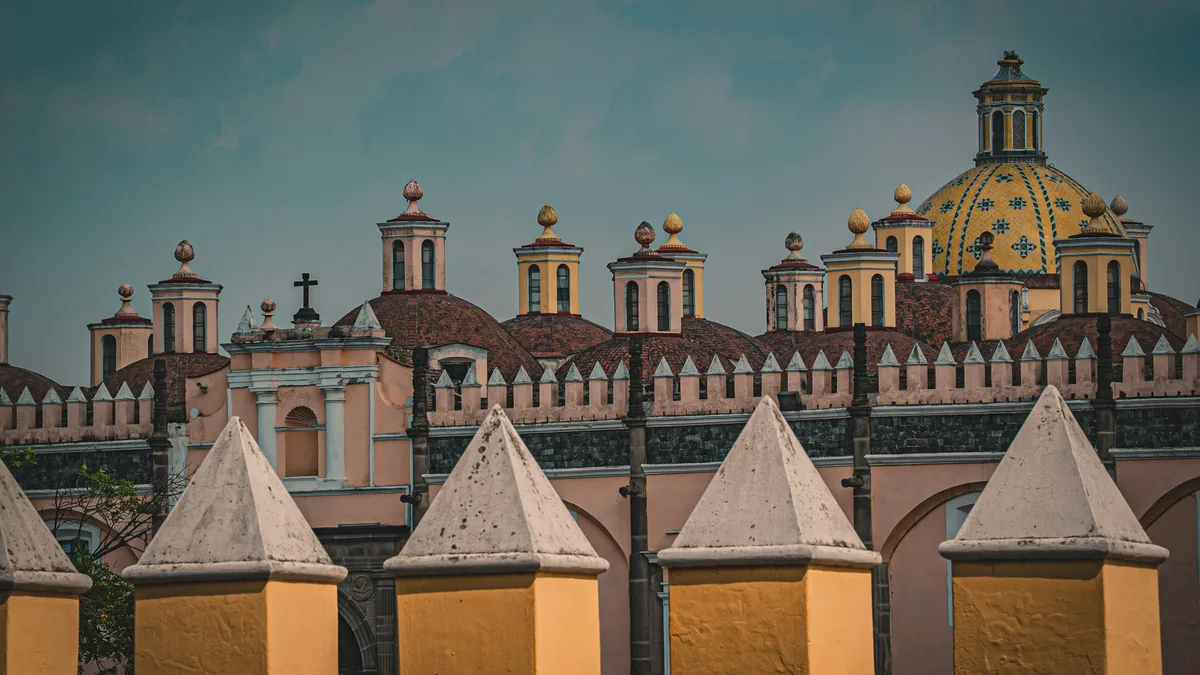 Private Tours
A private tour to Cholula, the Temple of Santa María Tonantzintla, and the Temple of San Francisco Acatepec — two of the country's most celebrated examples of indigenous Baroque art.
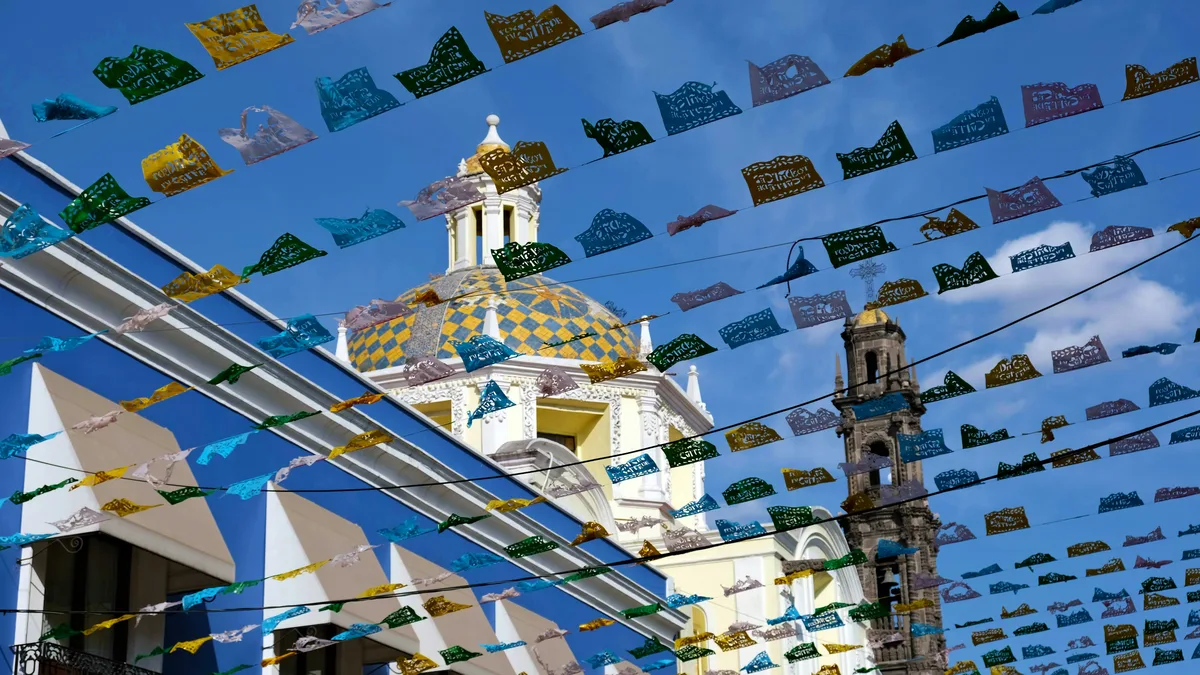 Private Tours
A private, all-inclusive walking tour through Puebla's historic center with your own private guide, taking in the Puebla Cathedral, the Rosary Chapel, the city's handicraft market, and its oldest bar.
Visitor guide
The Rosary Chapel, or Capilla del Rosario, is a chapel attached to the Church of Santo Domingo in the historic center of Puebla, Mexico. Wikipedia calls it an example of New Spanish Baroque and notes that in its time it was considered the eighth wonder of the world.
The Convent Church of Santo Domingo de Guzman in Puebla is a Roman Catholic church of the Archdiocese of Puebla de los Angeles. English Wikipedia lists its architecture as completed in 1611 and Baroque in style. The Rosary Chapel was built later as an addition. Spanish Wikipedia says that Fray Juan de Cuenca conceived and began it in 1650, and that it was the first chapel in Mexico dedicated to the Virgin of the Rosary. Other sources add that his idea was to teach the faithful the Rosary.
Fray Juan de Cuenca did not live to see the chapel finished. Spanish Wikipedia says Fray Agustin Hernandez and Fray Diego de Gorozpe completed it, and it was consecrated on 16 April 1690. Another source describes nine consecutive days of festivities. Public acts and sermons marking the opening were printed in a volume titled Octava Maravilla del Nuevo Mundo, the Eighth Wonder of the New World, which explains the nickname still used for the chapel.
The chapel has been called La Casa de Oro, the House of Gold, and Spanish Wikipedia says that in 1979 Pope John Paul II called it a Relicario de America, a Reliquary of the Americas. These are descriptions of its richness rather than measured claims.
Spanish Wikipedia describes a Latin-cross plan with short arms, a nave of three bays, a barrel vault and a dome on a drum. The interior is covered in gilded stucco with gold leaf and in Talavera tiles of Puebla. Other descriptions refer to Baroque plasterwork with plant, animal and figural motifs and Moorish-style tracery. The paintings of the walls, crossing and apse are by Jose Rodriguez Carnero, and the altar's baldachin is by Lucas Pinto. The dome shows the theological virtues, the gifts of the Holy Spirit and sixteen female saints, and the canopy beneath the dome has twelve columns representing the apostles. Popular descriptions mention onyx, but the sources consulted describe gilding and do not confirm it, so that detail is left aside here.
Spanish Wikipedia says the chapel was fully restored between 1967 and 1971.
The chapel is within the Historic Centre of Puebla, which UNESCO inscribed in 1987, a short distance from the cathedral and the main square. Because the decoration is dense and symbolic, a guide can add a great deal by explaining the imagery. A private guided visit suits the site, and visitors should expect a place of worship where quiet and respectful behaviour are expected.
See every tour and attraction we cover in Puebla City.