TorontoOntario · 36 tours
 Niagara FallsOntario · 25 tours
 New York CityNew York · 30 tours
 Las VegasNevada · 8 tours
 San FranciscoCalifornia · 16 tours
 VancouverBritish Columbia · 17 tours
 DubaiUAE · 54 tours
 Abu DhabiUAE · 5 tours
 Buenos AiresArgentina · 23 tours
 AthensGreece · 31 tours
 AucklandNew Zealand · 38 tours
 CancunMexico · 54 tours
No destinations match “”. Try searching all tours instead — that search understands full questions, not just place names.
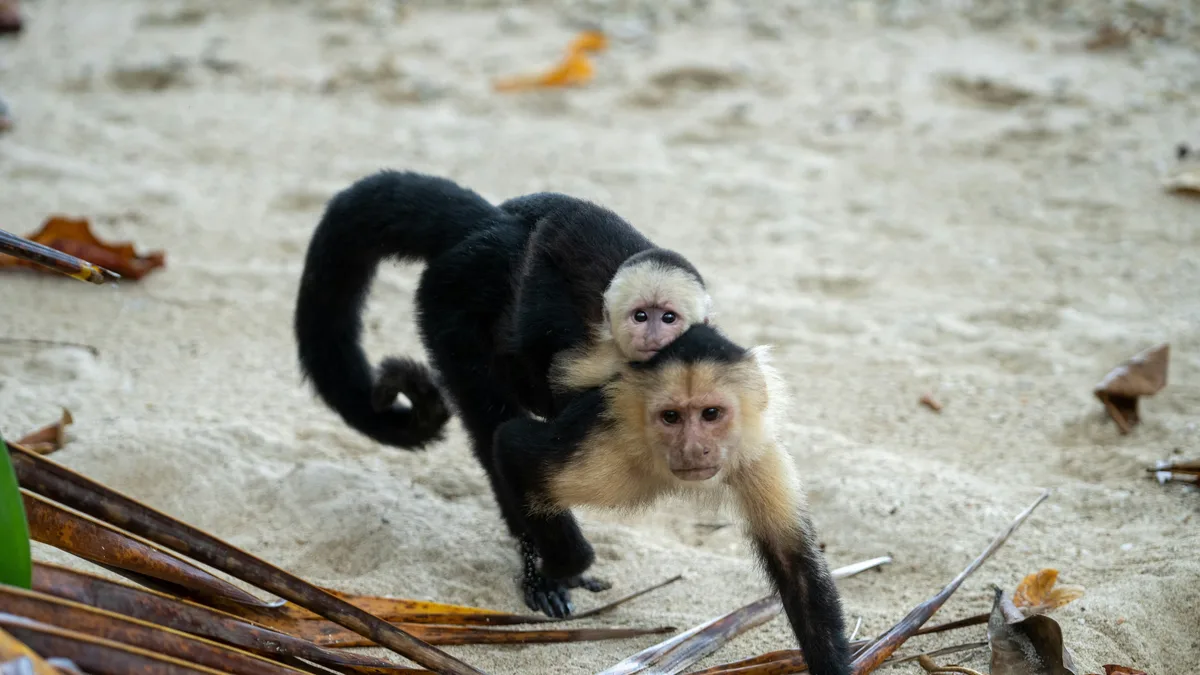
A small coastal park on Costa Rica's Caribbean side combining rainforest trails with an offshore coral reef, home to sloths, howler monkeys, and white-faced capuchins along an easy coastal path.
Visitor guide
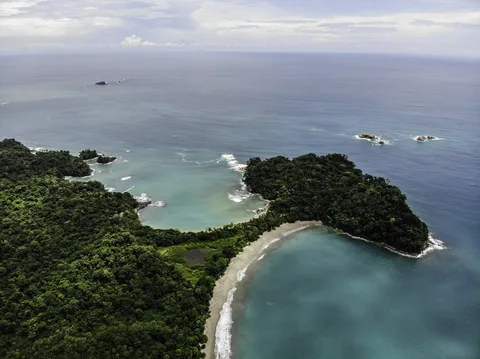
Cahuita National Park is a combined land and marine park on Costa Rica's southern Caribbean coast in Limon Province. It protects a stretch of beach, lowland forest and a coral reef, and it sits beside the town of Cahuita.
Cahuita began as a national monument in 1970, became a national park in 1978 and was formalised in 1982, with Wikipedia giving an official date of 27 December 1982. It belongs to the Caribbean La Amistad Conservation Area and is managed by SINAC. The land area is given as about 1,106 hectares in the text and about 10.7 square kilometres in the infobox, so sources differ slightly, and the marine area is roughly 22,300 hectares.
Wikipedia also notes that the Cahuita entrance operates differently from other Costa Rican national park entrances, reflecting the park's close link with the local community.
In practice this means the park functions as both a conservation area and a community resource, and respectful behaviour, staying on the trail and leaving no waste are part of the unwritten rules that guides will explain.
The reef covers about 600 acres, according to Wikipedia, with at least 35 coral species, 140 mollusc species, 44 crustacean species and 123 fish species. The outer reef is about four kilometres long. Live coral cover fell from roughly 40 percent in the early 1980s to under ten percent by the early 1990s, which Wikipedia attributes to sediment runoff, bleaching and other causes.
Underwater visibility changes with weather and the time of year, and Wikipedia says February to April typically offers the best conditions for snorkelers. Reef visits are normally done with local licensed guides.
On land the park supports northern tamanduas, pacas, white-nosed coatis, raccoons, sloths, agoutis, mantled howlers and white-headed capuchins. Birds include the green ibis, green-and-rufous kingfisher and keel-billed toucan. The beaches serve as nesting ground for sea turtles, and marine mammals have been reported offshore.
The beaches are described as among the least developed in Costa Rica, and a trail follows the shoreline, which makes wildlife viewing relatively easy and flat.
The park protects beaches and lowlands as well as the marine area. Access is possible from both the north and south by road, and visitors can also enter on foot via Kelly Creek just south of the town. Because the park is so close to Cahuita, facilities and roads are comparatively well developed.
Wikipedia reports that in 2025 two shipwrecks in the park were identified as the Fridericus Quartus and Christianus Quintus, Danish slave ships dating to 1710, though their existence had been known for years. The park is closely linked to the Afro-Caribbean town of Cahuita, whose culture contrasts with other parts of the country.
A private guided visit works well here because a local guide can read the trail, explain the reef and point out sloths and monkeys high in the trees.
See every tour and attraction we cover in Costa Rica.