TorontoOntario · 36 tours
 Niagara FallsOntario · 25 tours
 New York CityNew York · 30 tours
 Las VegasNevada · 8 tours
 San FranciscoCalifornia · 16 tours
 VancouverBritish Columbia · 17 tours
 DubaiUAE · 54 tours
 Abu DhabiUAE · 5 tours
 Buenos AiresArgentina · 23 tours
 AthensGreece · 31 tours
 AucklandNew Zealand · 38 tours
 CancunMexico · 54 tours
No destinations match “”. Try searching all tours instead — that search understands full questions, not just place names.
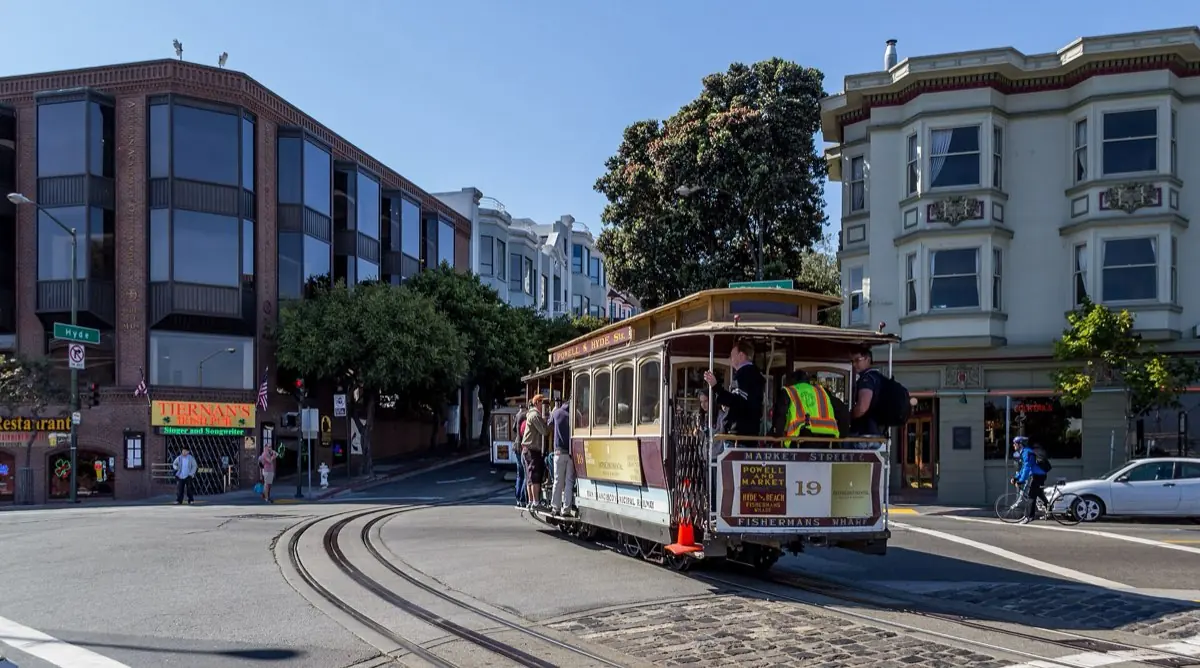
The city's National Historic Landmark cable car system, centered near its main shopping square.
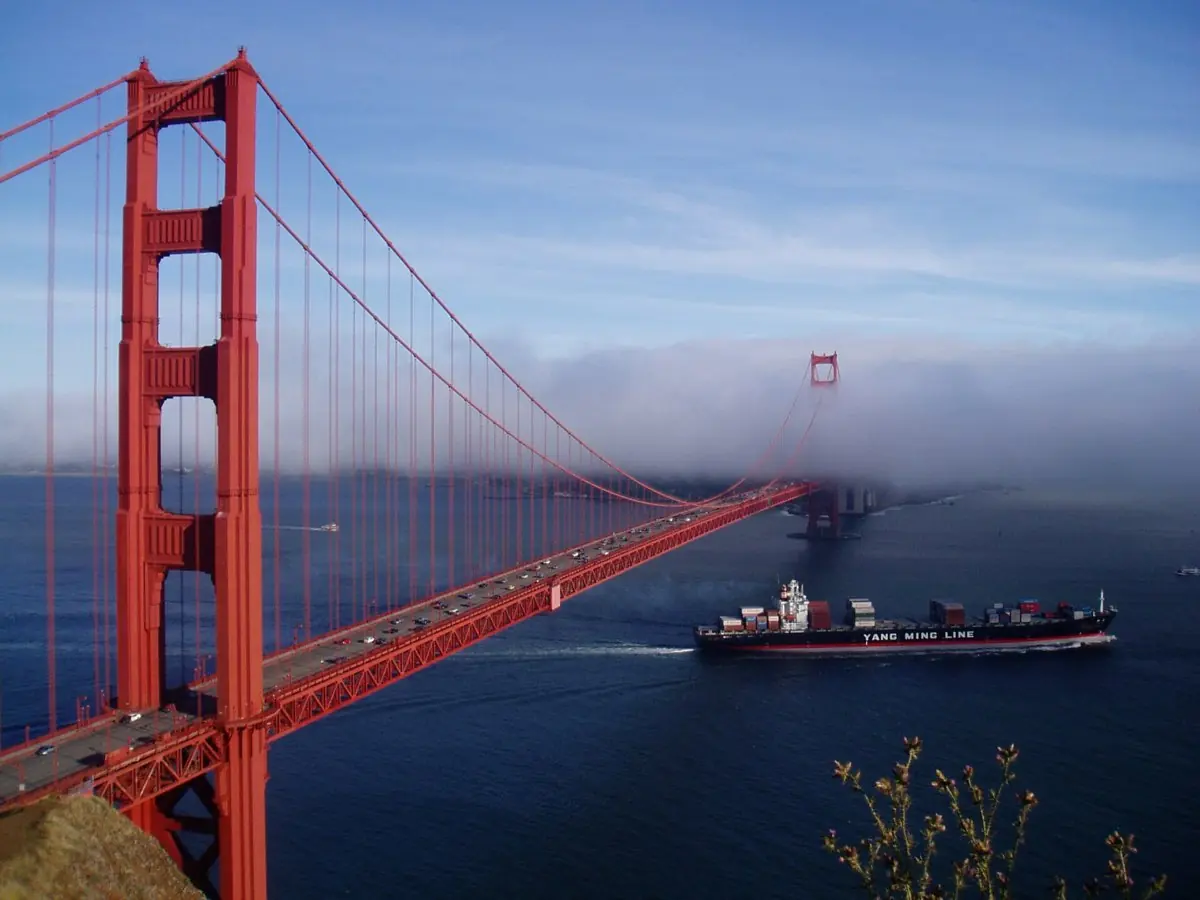 Private Tours Popular Pick
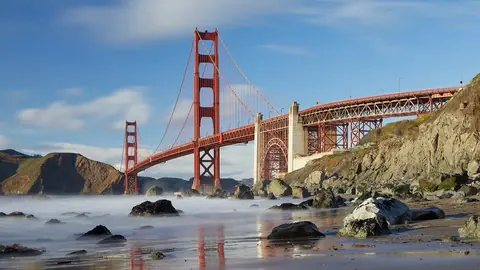
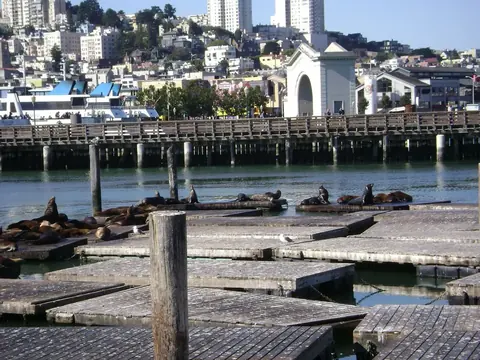
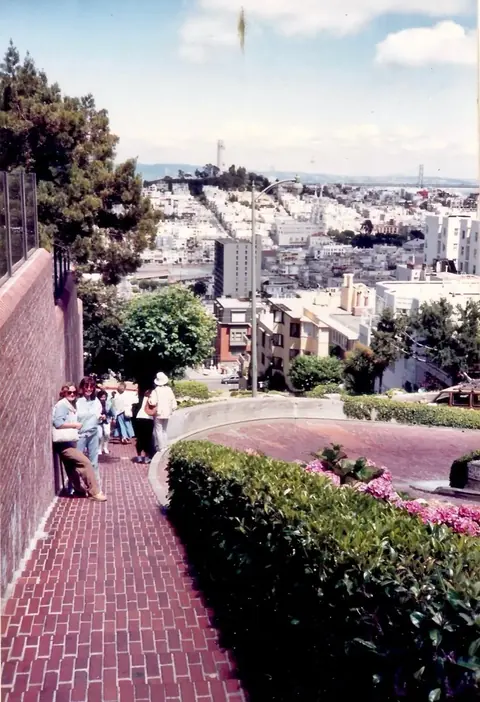
A private, fully customizable tour of San Francisco — the Golden Gate Bridge, Fisherman's Wharf, and the city's famously hilly neighborhoods — with a dedicated local guide.
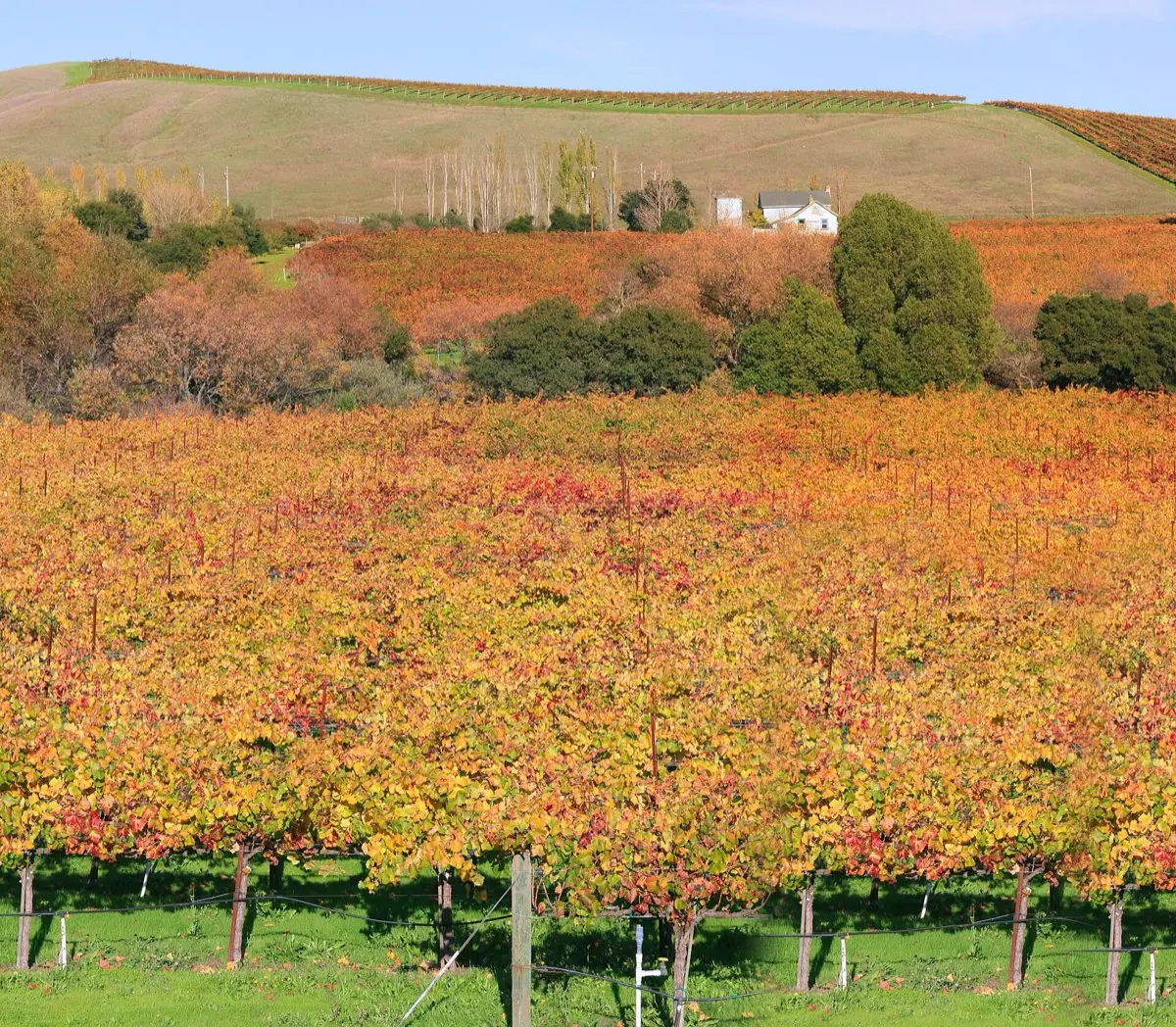 Private Tours
A private day trip from San Francisco into Napa and Sonoma wine country — visit boutique wineries at your own pace, with a driver who knows the region.
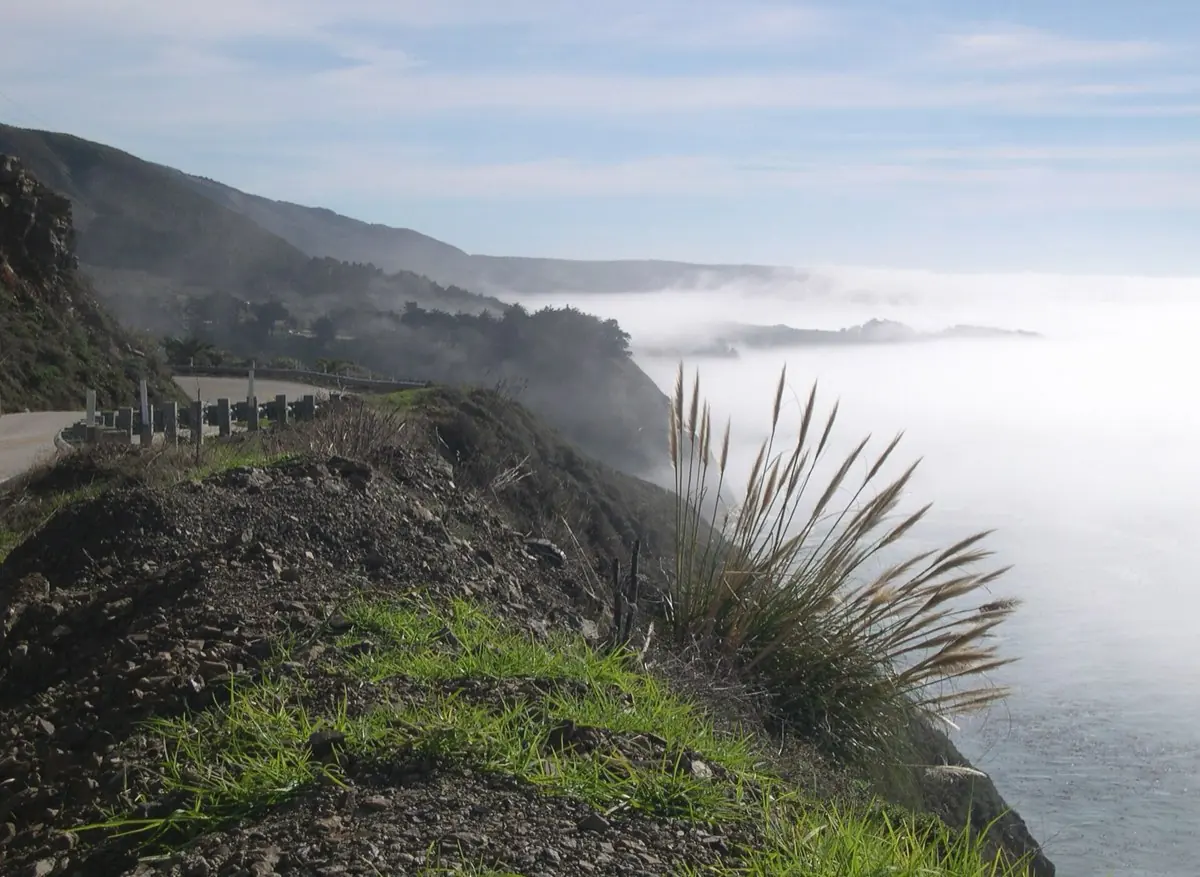 Private Tours
A private day trip from San Francisco down the California coast — Carmel-by-the-Sea, Monterey, and the cliffs of Big Sur along Highway 1.
Visitor guide
San Francisco's cable cars are cars pulled along by a continuously moving cable beneath the street, a system that first ran in 1873 and is still operated by the city today. Three lines survive, and two of them start near Union Square, the city's central shopping plaza.
Andrew Smith Hallidie conceived the system in 1869, reportedly after a horse-drawn car slid backward on a wet hill. His Clay Street Hill Railroad made its first run on August 2, 1873, with regular service beginning on September 1. Between 1873 and 1890 some 23 cable lines were established. The 1906 earthquake and fire destroyed the powerhouses and car barns of two operators, along with 117 cable cars, and rebuilding favored electric streetcars; eight lines remained by 1912.
In 1947 Mayor Roger Lapham proposed closing the two municipal lines. A coalition of women's civic groups led by Friedel Klussmann formed the Citizens' Committee to Save the Cable Cars, and a charter-amendment vote to keep the Powell Street lines passed by a wide margin. The system was designated a National Historic Landmark on January 29, 1964. After a major rebuild that closed it in 1982, it reopened on June 21, 1984.
The Powell-Mason line has operated since 1888, and Powell-Hyde was pieced together in 1957 from parts of older routes; both start at Powell and Market and run to the Fisherman's Wharf area. The California Street line, which began in 1878, runs from California and Market to Van Ness Avenue and is the oldest cable line still operating. The SFMTA owns the system and Muni runs it.
There is no engine on board. A grip operator clamps a lever onto a cable that runs in a slot under the street at about 9.5 miles per hour, driven from a central powerhouse, and releases it to stop, while a conductor handles fares and rear brakes. The car barn and powerhouse at Washington and Mason streets, built in 1888, remain in use, and the Cable Car Museum there shows the winding machinery. Check the SFMTA for current line operations, as service and upgrade work can change.
Union Square takes its name from pro-Union rallies held there around the Civil War. The plaza, which San Francisco Recreation and Parks lists at about 2.4 acres, is bounded by Geary, Powell, Post and Stockton streets and became a California Historical Landmark in 1957. The Dewey Monument, a granite column that San Francisco Recreation and Parks puts at about 90 feet, is topped by a statue called Victory and was dedicated in 1903. A garage beneath the square, designed by Timothy Pflueger and built around 1939 to 1941, is often described as the first underground public garage; the plaza was renovated and reopened in 2002. Around it sit department stores, hotels and boutiques, and the Geary and Curran theaters lie a block to the west.
See every tour and attraction we cover in San Francisco.