TorontoOntario · 36 tours
 Niagara FallsOntario · 25 tours
 New York CityNew York · 30 tours
 Las VegasNevada · 8 tours
 San FranciscoCalifornia · 16 tours
 VancouverBritish Columbia · 17 tours
 DubaiUAE · 54 tours
 Abu DhabiUAE · 5 tours
 Buenos AiresArgentina · 23 tours
 AthensGreece · 31 tours
 AucklandNew Zealand · 38 tours
 CancunMexico · 54 tours
No destinations match “”. Try searching all tours instead — that search understands full questions, not just place names.
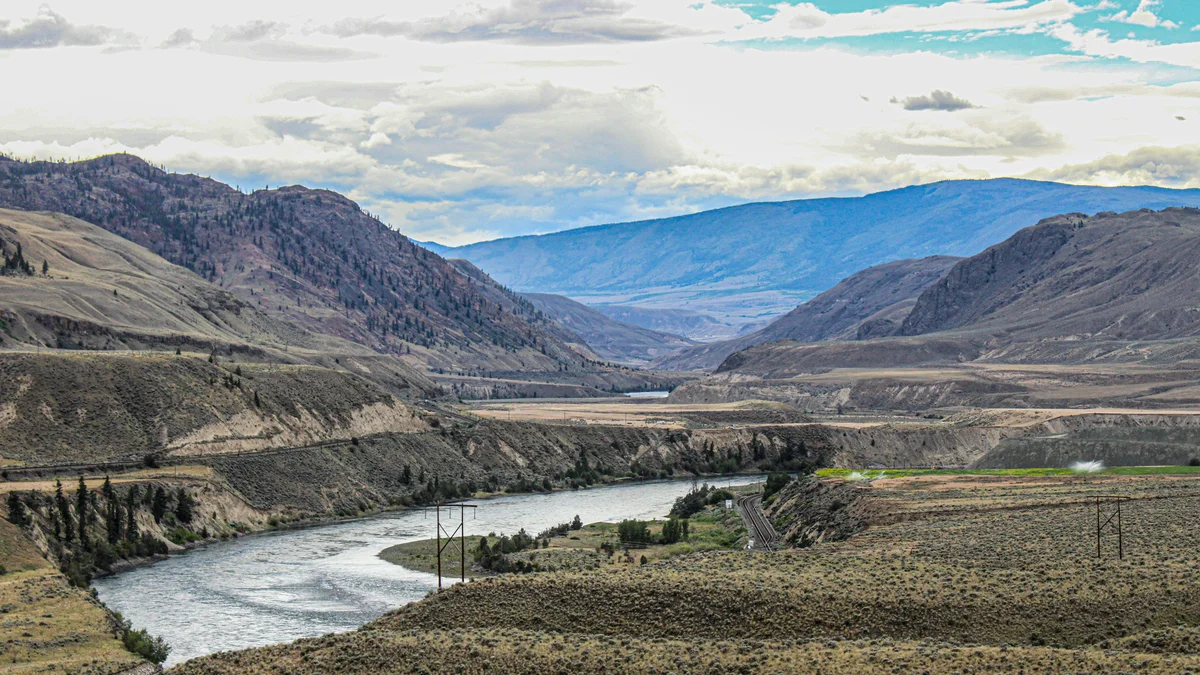
A wildlife park just outside Kamloops, home to bears, wolves, cougars, and birds of prey native to British Columbia.
Visitor guide
The BC Wildlife Park is a 106-acre (about 43 ha) non-profit zoo and wildlife rehabilitation centre east of Kamloops, British Columbia, that focuses on animals native to the province. It has been operating since the mid-1960s and is run by the Kamloops Wildlife Park Society, a registered charity.
According to Wikipedia, animal enthusiast John Moelaert proposed a zoological park to the Kamloops Chamber of Commerce in February 1965, and the Greater Kamloops Zoological Society formed soon after; the park's own history says it was registered under the Societies Act on 31 March 1965. Molson Breweries donated 106 acres of an unused hops farm in February 1966, and the park opened on 16 August 1966 as the Kamloops Zoo, renamed the British Columbia Wildlife Park that November. Early exhibits included moose, deer and Canada geese; the first exhibit shown to the public was a moose named Demitrius with his companion Gerda. The park hit financial trouble around 1970 and was stabilised in 1972 when Kamloops amalgamated with surrounding municipalities.
Wikipedia reports about 7,000 visitors in the first 80 days and describes tour buses and school buses arriving after media coverage. Three bison calves were donated in 1967, the first animal born at the park was a white-tailed deer fawn on 8 June 1967, and a children's zoo opened that May. The financial squeeze came in 1970, when a referendum on a five-year grant failed to reach the required 60 percent approval; the directors then took personal liability for a loan, and the 1972 amalgamation placed the park within city boundaries.
The park's website says it houses nearly 200 animals of about 65 species native to BC, including cougars, bears, wolves, reptiles and birds of prey; many are rescued or orphaned animals unable to survive in the wild. It says it has the only Kermode bear in human care in the world, a claim to treat as the park's own. It has been accredited by Canada's Accredited Zoos and Aquariums since 1987. Its motto is 'Conservation through Education', and its programs include guided tours, learning resources and wildlife camps.
The burrowing owl program, which Wikipedia says has bred and released the birds since 1990 (the park's site says it began working with the Burrowing Owl Conservation Society in 1992), has returned hundreds of juveniles to the wild. Wikipedia says a new Burrowing Owl Recovery Centre opened in 2002, able to produce over 100 young a year, and that the program earned an award of excellence from the zoo association in 2004. The park describes itself as the largest and most successful breeder of the owls in the world, again its own claim.
The Fawcett Family Wildlife Health Centre rehabilitates injured and orphaned wildlife, and the park describes it as the only full-service rehabilitation centre in the Southern Interior, accepting over 600 animals a year. Wikipedia notes an earlier partnership between the rehabilitation centre and the animal health technology program at Thompson Rivers University.
Beyond animal habitats, Wikipedia lists an amphitheatre, the Wildlife Express (a narrow-gauge railway with a 2-foot gauge), a playground and splash park, and a TD Canada Trust Nature Exchange. At the Nature Exchange visitors trade natural items, which are scored on knowledge, distinctiveness and condition, across zones such as animals, insects, plants and trees, rocks and fossils, and skulls and bones. The park acknowledges it sits on the unceded territory of Tk'emlúps te Secwépemc.
Check the park for current hours, admission, animal changes and any closures. Wikipedia says governance rests with a volunteer board elected from the park's membership, so the society's own site is the best place for current programs.
The Secwépemc Museum and Kamloops Lake are nearby. A Voyzo private tour with your own driver offers door-to-door pickup for families visiting the park.
See every tour and attraction we cover in Kamloops.