TorontoOntario · 36 tours
 Niagara FallsOntario · 25 tours
 New York CityNew York · 30 tours
 Las VegasNevada · 8 tours
 San FranciscoCalifornia · 16 tours
 VancouverBritish Columbia · 17 tours
 DubaiUAE · 54 tours
 Abu DhabiUAE · 5 tours
 Buenos AiresArgentina · 23 tours
 AthensGreece · 31 tours
 AucklandNew Zealand · 38 tours
 CancunMexico · 54 tours
No destinations match “”. Try searching all tours instead — that search understands full questions, not just place names.
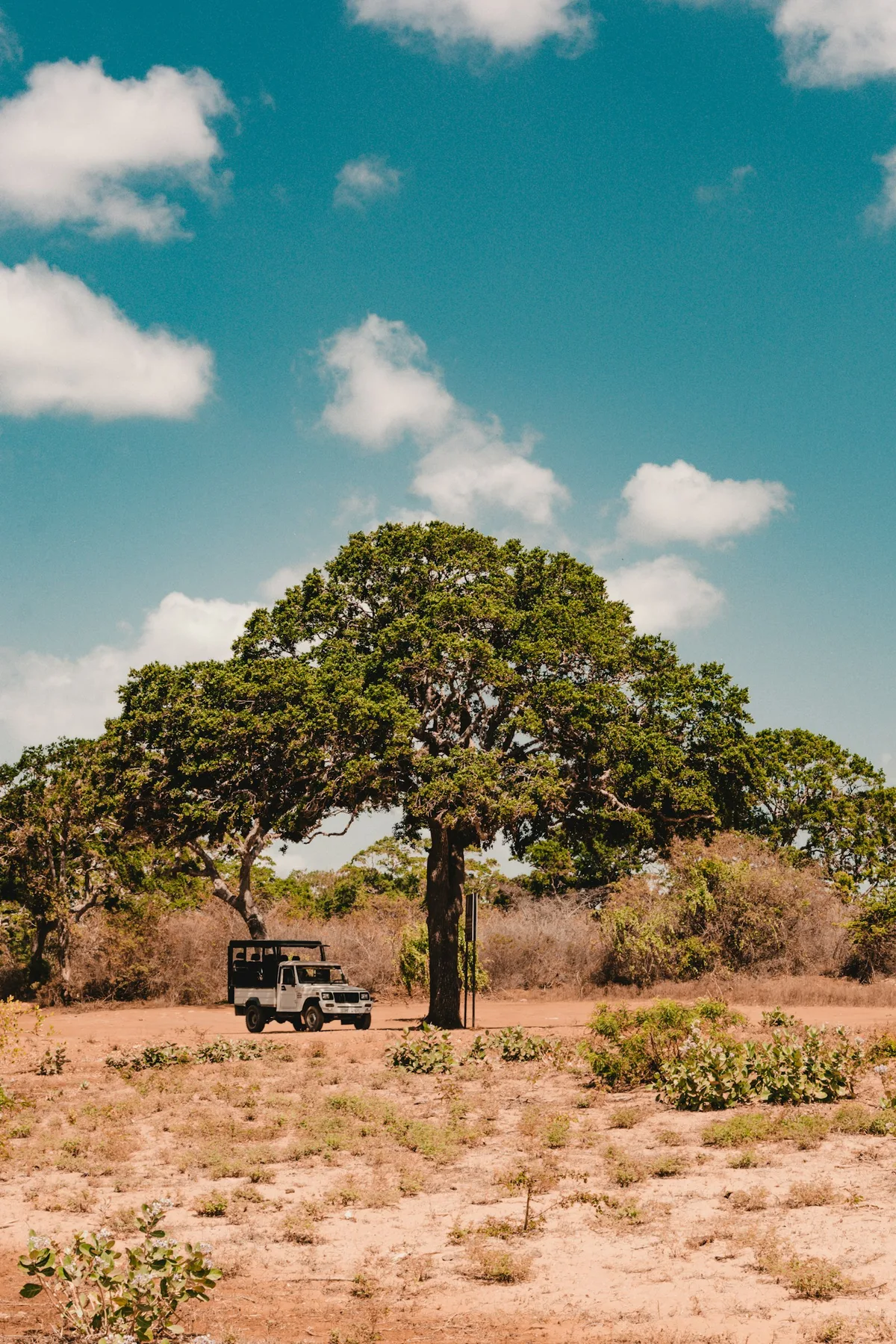
Sri Lanka's most visited national park and one of the best places in the world to see wild leopards, alongside elephants, crocodiles, and more than 200 recorded bird species.
 Multi-Day Tours
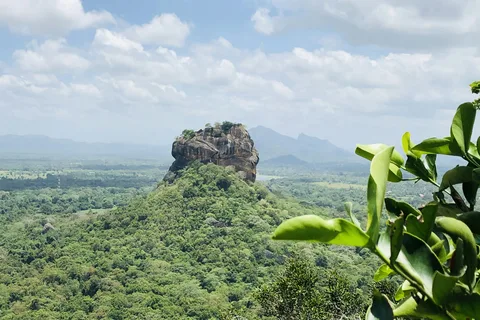
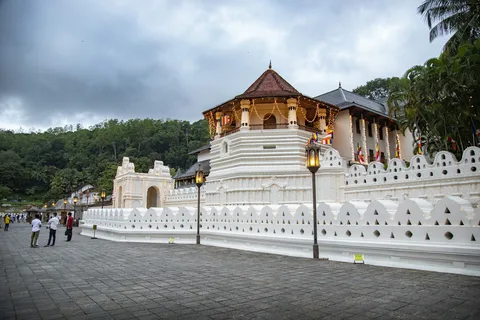
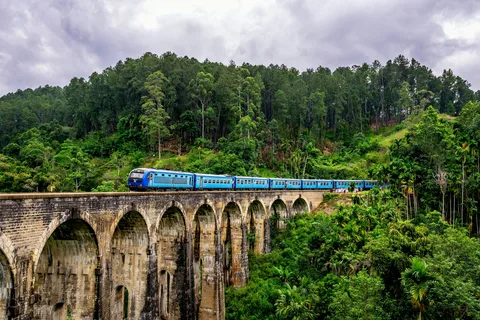
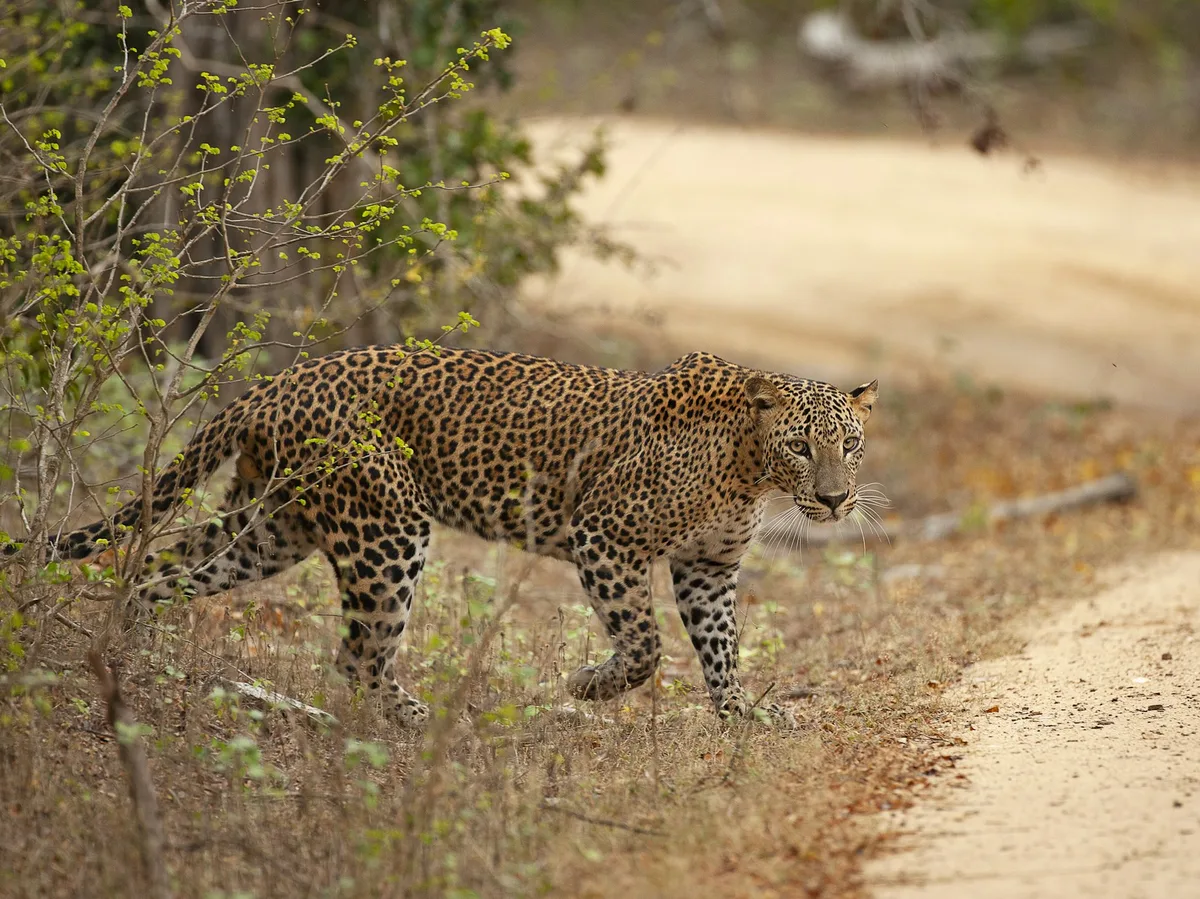
An 11-day private circuit from Dambulla's Sigiriya Rock through Kandy, the tea country of Nuwara Eliya, and safaris in Yala National Park and the Sinharaja rainforest, ending on Mirissa's beaches.
 Multi-Day Tours
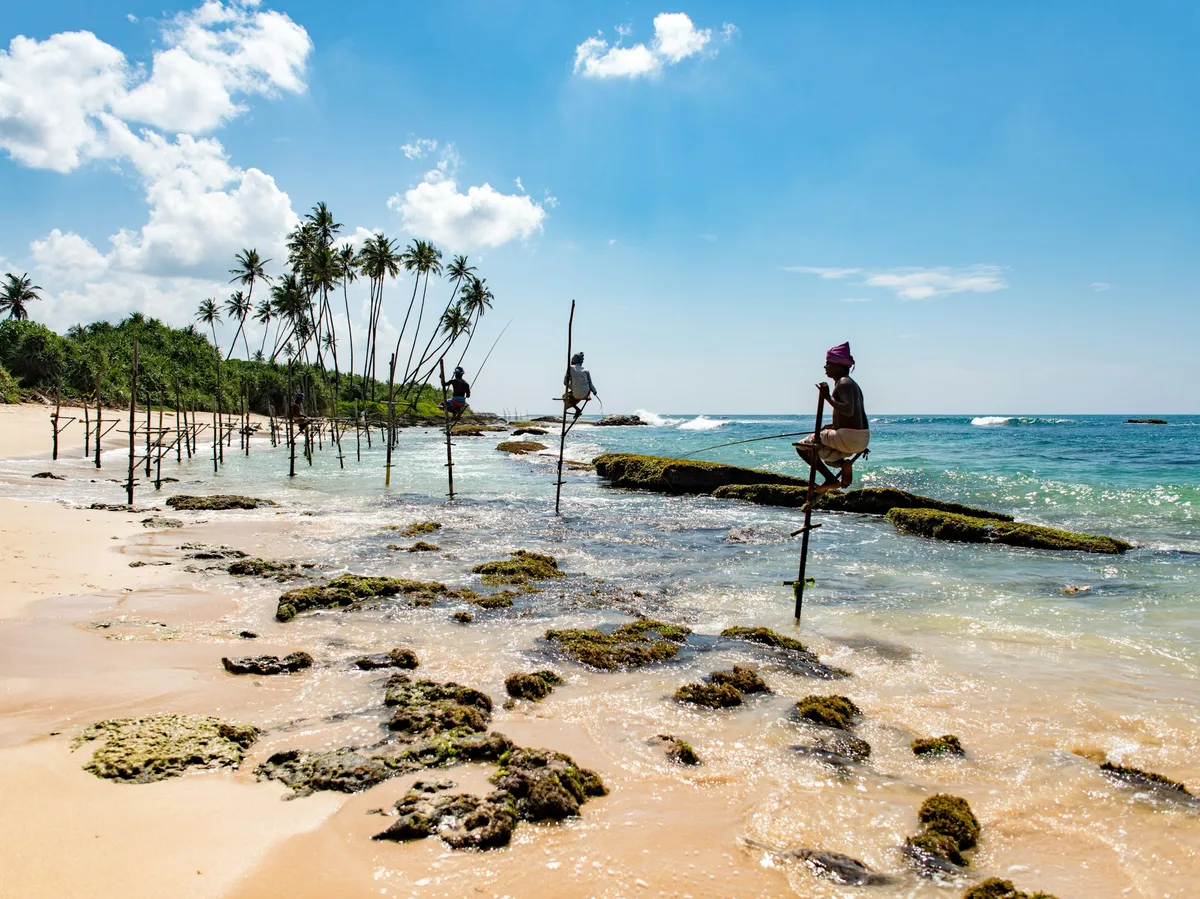
A 12-day private route along Sri Lanka's southern coast — Bentota's beaches and turtle conservation, the Sinharaja rainforest, Galle's Dutch Fort, and safaris in Yala National Park.
 Multi-Day Tours
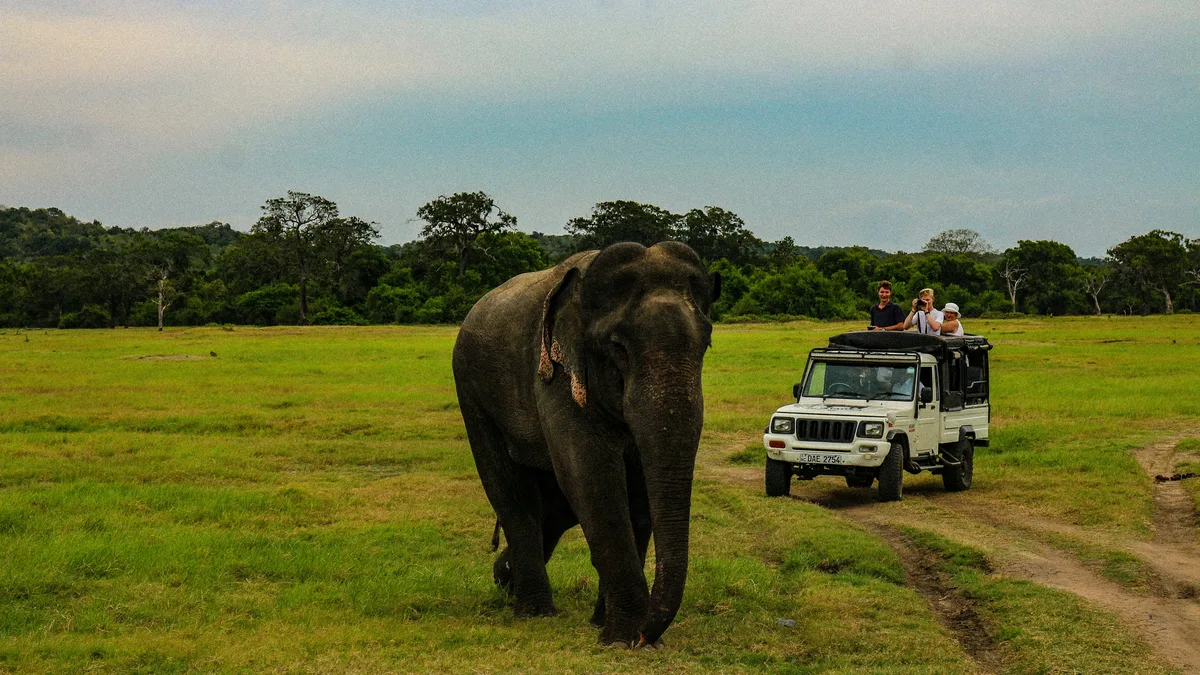
A 16-day, family-friendly private tour through Habarana's elephant gathering, Trincomalee's beaches, Kandy, the hill country, Yala National Park, and Galle.
Visitor guide
Yala National Park is a protected area in southeastern Sri Lanka, spanning the Uva, Eastern and Southern Provinces and bordering the Indian Ocean. Covering about 979 square kilometres and managed by the Department of Wildlife Conservation, it is known for its leopards, elephants and a mix of forest, grassland, lagoon and coastal habitats.
On 23 March 1900 the government proclaimed Yala and Wilpattu reserves under the Forest Ordinance. Yala's initial extent was 389 square kilometres between the Menik and Kumbukkan Rivers. On 1 March 1938 it became a national park under the Flora and Fauna Protection Ordinance, and it later grew through the addition of further blocks between 1954 and 1973. Kumana National Park and the Yala Strict Nature Reserve are contiguous with the park, and the nearest city is Kataragama.
The park lies in a dry, semi-arid climate zone, with most rain during the northeast monsoon, and the terrain is mostly flat and mildly undulating. The Menik River crosses the western side and the Kumbukkan Oya flows through the east. Habitats include moist and dry monsoon forests, thorn forest, grasslands, marshes, mangroves, lagoons and sandy beaches. Rock pools and waterholes are important to wildlife in the dry season.
Wikipedia records 44 mammal species, including Sri Lankan elephants, leopards, sloth bears and wild water buffalo. The park is described as having one of the highest leopard population densities in the world, and an estimate from 1982 put about 25 leopards in Block I. Other mammals include toque macaques, golden palm civets and fishing cats.
The park has 215 recorded bird species and is one of Sri Lanka's 70 Important Bird Areas, with endemics such as the Sri Lanka junglefowl and Sri Lanka grey hornbill. It also records 47 reptile species, including mugger and saltwater crocodiles, and sea turtles visit its coastline.
The area was a centre of ancient civilisations, with old irrigation tanks suggesting an agricultural society dating back to the 5th century BC. Two Buddhist pilgrimage sites lie within the park: Sithulpahuwa, reportedly home to 12,000 arahants, and Magul Vihara, built in 87 BC. The Ruhuna Kingdom supported agriculture here until its decline at the end of the 13th century. During the colonial period Yala was a popular hunting ground.
Wikipedia lists threats including poaching, gem mining along the Menik River and Kumbukkan Oya, invasive plants and vehicles disturbing wildlife. The 2004 Indian Ocean tsunami affected about 5,000 hectares of grassland, forest and wetland. A 40 kilometre electric fence keeps elephants out of nearby villages. Wikipedia also notes that Yala is classed as IUCN Category II, and that roughly 400,000 pilgrims visit the area's religious sites annually.
The shortest route from Colombo, via Ratnapura and Tissamaharama, is about 270 kilometres. A private tour with a local driver and a park-approved guide helps with the long approach and the wildlife drives.
See every tour and attraction we cover in Sri Lanka.