TorontoOntario · 36 tours
 Niagara FallsOntario · 25 tours
 New York CityNew York · 30 tours
 Las VegasNevada · 8 tours
 San FranciscoCalifornia · 16 tours
 VancouverBritish Columbia · 17 tours
 DubaiUAE · 54 tours
 Abu DhabiUAE · 5 tours
 Buenos AiresArgentina · 23 tours
 AthensGreece · 31 tours
 AucklandNew Zealand · 38 tours
 CancunMexico · 54 tours
No destinations match “”. Try searching all tours instead — that search understands full questions, not just place names.
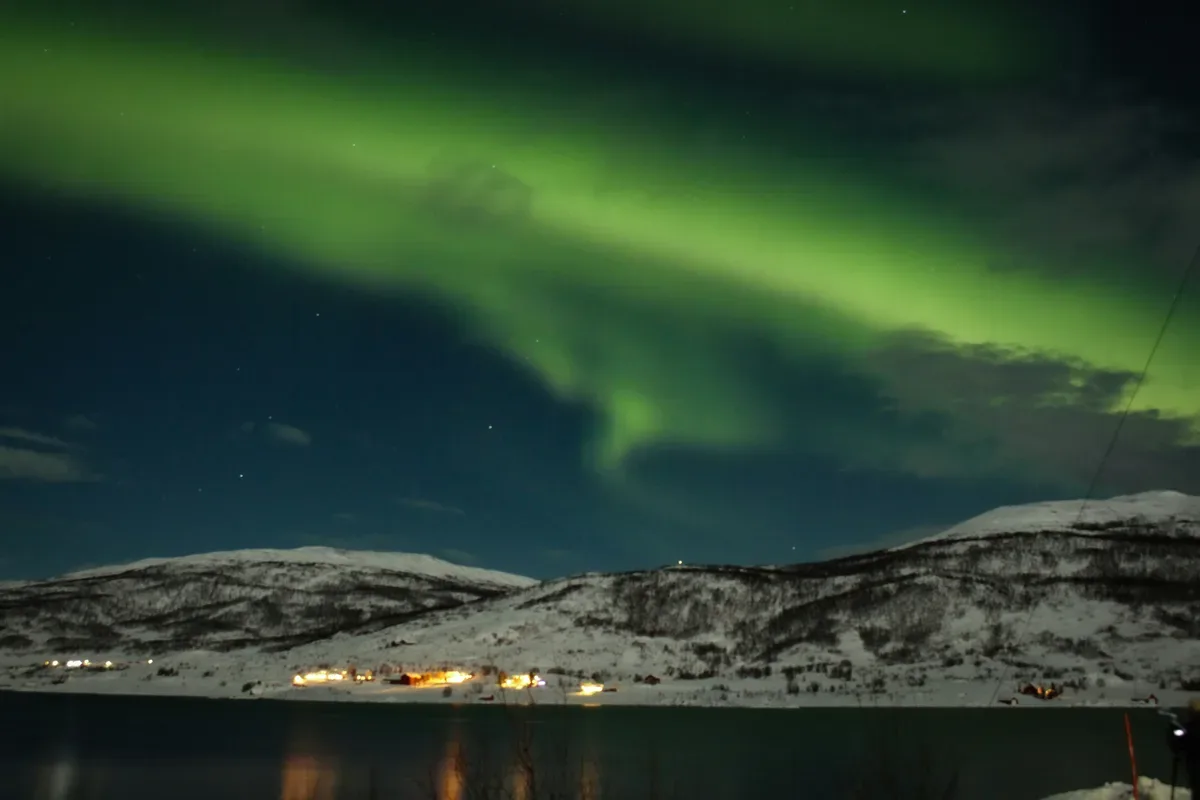
The 'Gateway to the Arctic', a base for whale watching, dog-sledding, and Northern Lights viewing far north of the Arctic Circle.
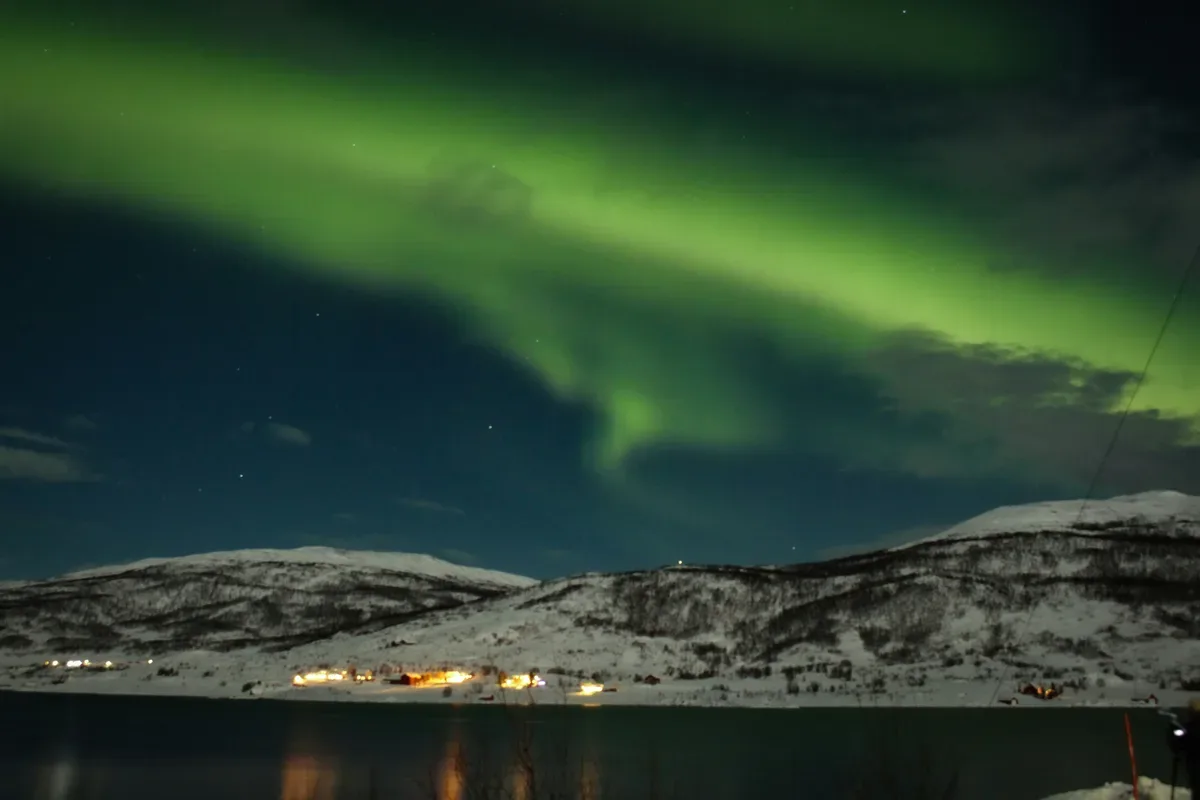 Multi-Day Tours
A 7-day Arctic winter journey from Tromsø's whale-watching and Northern Lights cruises to Alta's dog-sledding, snowmobile safaris, an Igloo Hotel stay, and a morning with the Sami and their reindeer.
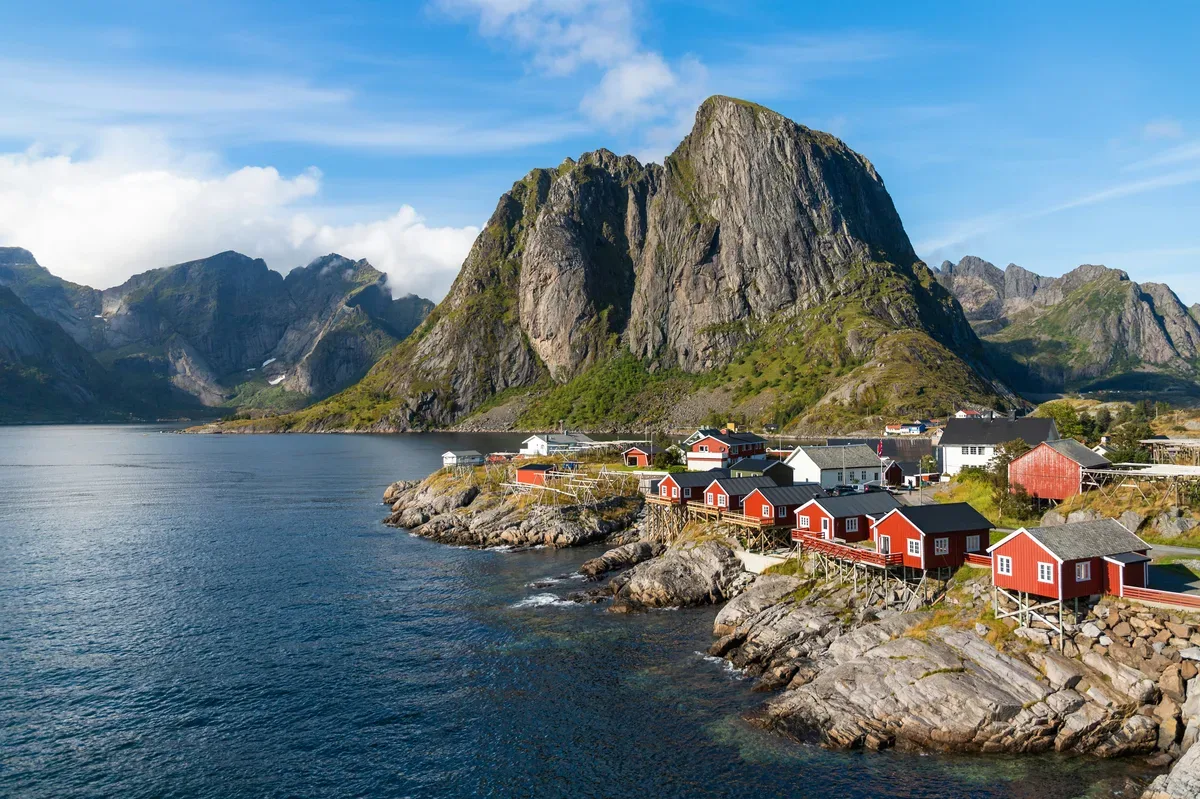 Multi-Day Tours
An 8-day winter route through the Lofoten Islands' fishing villages and Viking history, an overnight coastal cruise to Tromsø, a Northern Lights hunt, Arctic glamping, and a Sami reindeer-sledding experience.
Visitor guide
Tromsø is a city in Troms county, Northern Norway, on the island of Tromsøya more than 300 kilometres north of the Arctic Circle. It is the administrative centre of the county and a long-standing base for Arctic exploration, research and, today, winter tourism. Its mix of historic wooden houses, polar institutions and mountain scenery makes it one of the best-known northern cities in Europe.
The area has been inhabited since the end of the last ice age, and excavations at Tønsvika suggest settlement 9,000 to 10,000 years ago. The first church on Tromsøya was built in 1252 and was reportedly the northernmost church in the world at the time. Tromsø received its city charter in 1794 under King Christian VII, following the end of Bergen's monopoly on the cod trade. By 1850 it was the main centre of Arctic hunting, overtaking Hammerfest.
By the late 1800s Tromsø was a major trade centre and departure point for polar expeditions. Roald Amundsen, Umberto Nobile and Fridtjof Nansen drew on local expertise and often recruited crews here. In the 19th century the city earned the nickname Paris of the North, reportedly because locals seemed more sophisticated than southern visitors expected. On 10 April 1940 Tromsø briefly served as the seat of the Norwegian government after the German invasion, and the battleship Tirpitz was sunk by RAF bombers off Tromsøya on 12 November 1944.
The Arctic Cathedral, completed in 1965 and designed by Jan Inge Hovig, stands on the mainland side of the strait and is a parish church rather than a true cathedral. Tromsø Cathedral, dating from 1861, is Norway's only wooden cathedral. The centre holds many historic wooden houses dating from 1789 to 1904, and Skansen, built in 1789, is the oldest house in the city. A cable car rises to Storsteinen, 421 metres above sea level, with views across the city and surrounding peaks. Polaria, an aquarium and experience centre, opened in 1998.
The University of Tromsø, founded in 1972, is described as the world's northernmost university. The Norwegian Polar Institute moved to Tromsø in 1998, and the Arctic Council has its headquarters here. The Northern Lights observatory was founded in 1927. The Polar Museum occupies a wharf building dating from 1837.
Tromsø has a subarctic climate, but the Norwegian Sea keeps winters unusually mild for the latitude. The midnight sun lasts roughly from mid-May to late July, though mountains block the view on some days. Polar night runs from late November to mid-January. Because twilight is long, there is no true darkness from about 27 March to 17 September.
The aurora borealis can be seen from Tromsø, but not during the midnight-sun period, and cloud cover often blocks it. This is why northern lights outings are a winter and shoulder-season activity, and why a guide who follows weather conditions can improve the chances of a clear sky.
Tromsø's Sámi name is Romsa. The area has a long Sámi heritage, and today there is a Sámi kindergarten and Sámi language classes in some schools. The International Day of the Sámi People is marked each year on 6 February. The city also hosts summer festivals including the Bukta Tromsø Open Air Festival and the Riddu Riddu festival, and holds a Midnight Sun Marathon each June.
Tromsøya is linked to the mainland by the Tromsø Bridge and the Tromsøysund Tunnel, and to the island of Kvaløya by the Sandnessund Bridge. Tromsdalstinden, at 1,238 metres, is a prominent peak visible from the centre. Excursions into the surrounding fjords and mountains are usually arranged as day trips from the city, and a private vehicle and driver can reach viewpoints that are awkward by public transport.
See every tour and attraction we cover in Norway.