TorontoOntario · 36 tours
 Niagara FallsOntario · 25 tours
 New York CityNew York · 30 tours
 Las VegasNevada · 8 tours
 San FranciscoCalifornia · 16 tours
 VancouverBritish Columbia · 17 tours
 DubaiUAE · 54 tours
 Abu DhabiUAE · 5 tours
 Buenos AiresArgentina · 23 tours
 AthensGreece · 31 tours
 AucklandNew Zealand · 38 tours
 CancunMexico · 54 tours
No destinations match “”. Try searching all tours instead — that search understands full questions, not just place names.
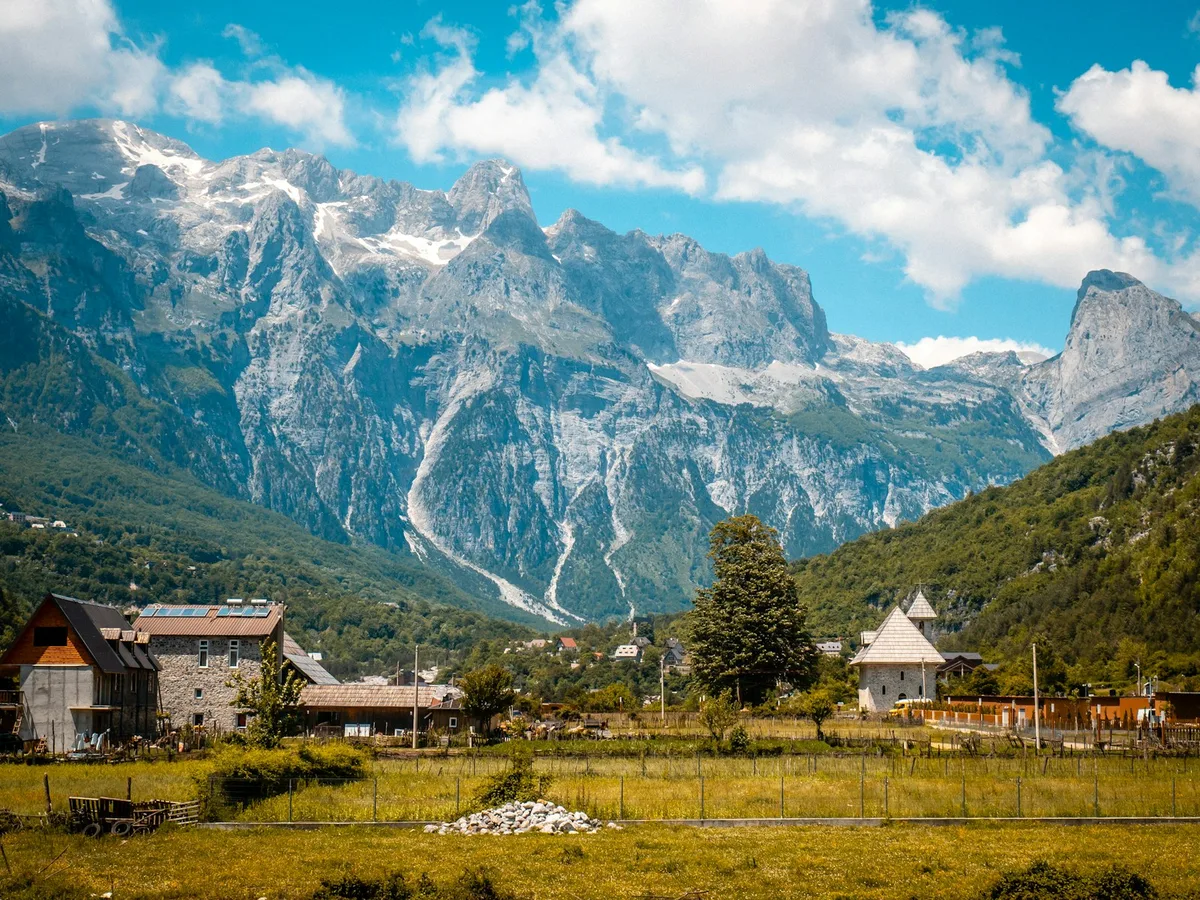
A valley in the Albanian Alps reached by a rough mountain road, ringed by limestone peaks and centred on the small village of Theth with its 19th-century lock-in tower and stone church.
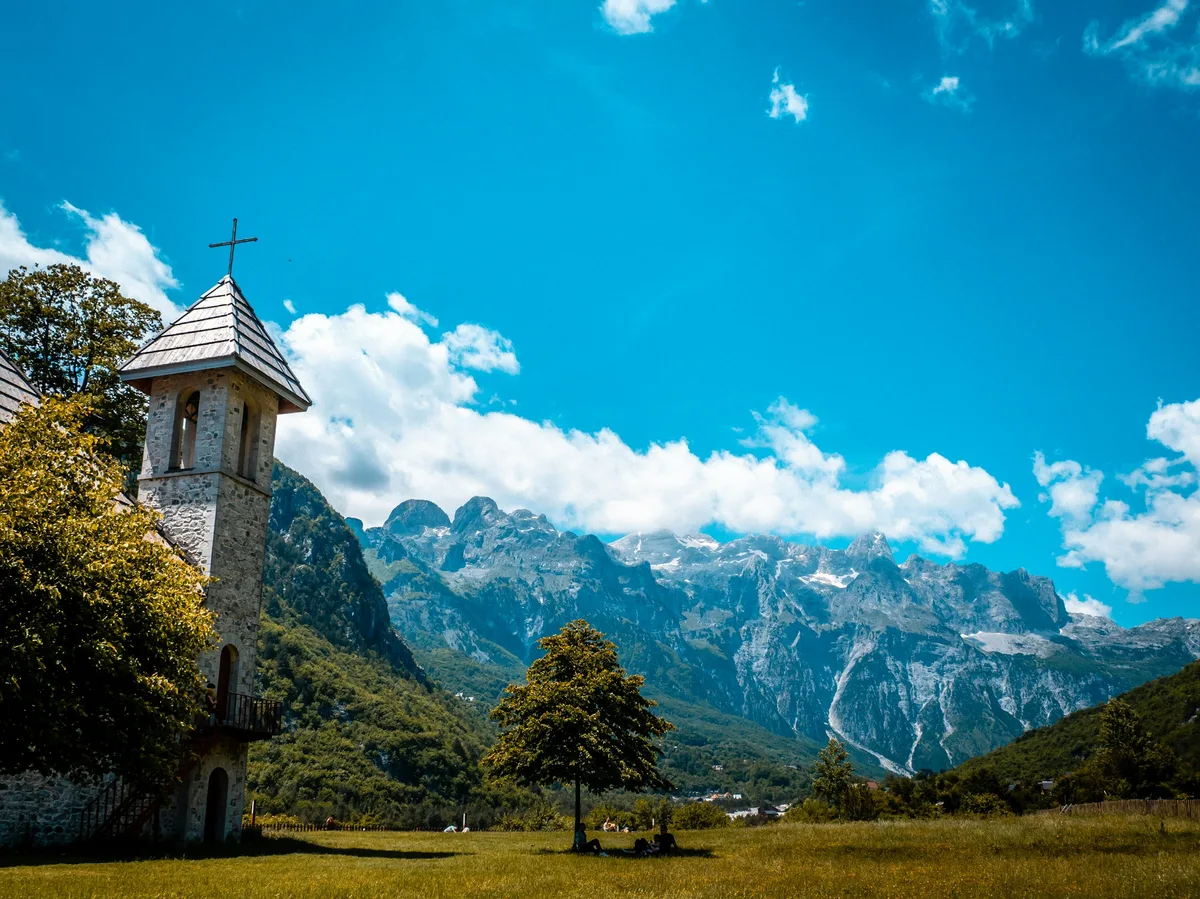 Multi-Day Tours
An 8-day private tour from Tirana through the Albanian Alps and Theth, with river kayaking, biking, wild swimming, and a boat cruise on Lake Komani.
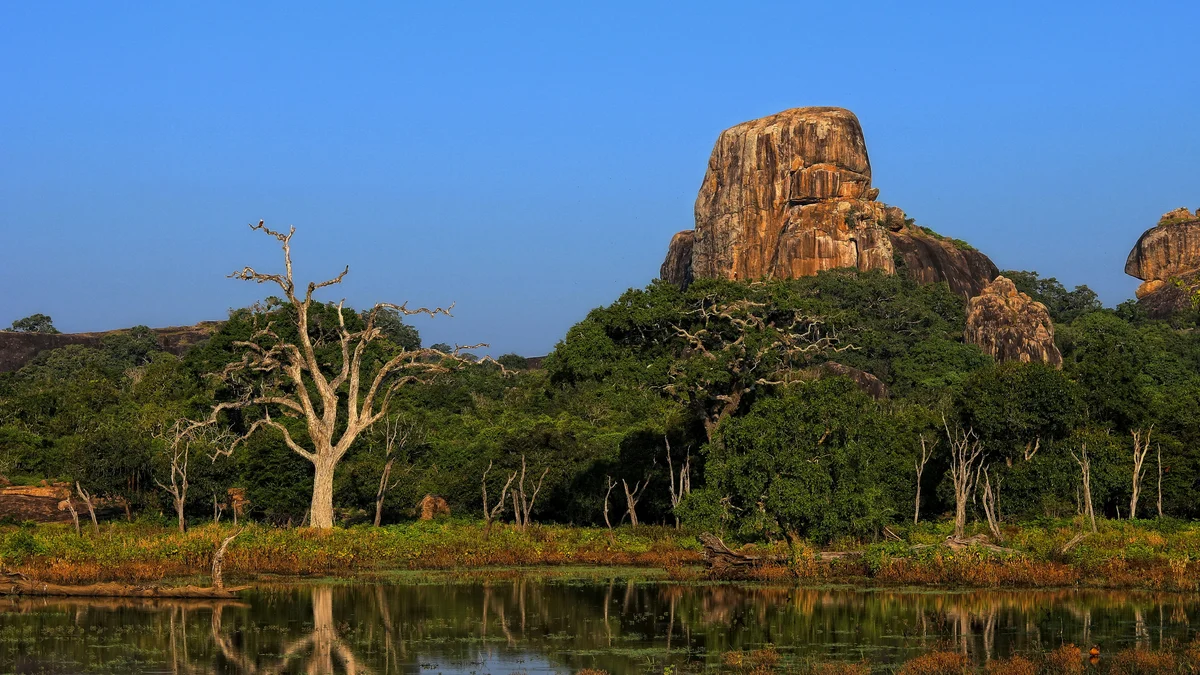 Multi-Day Tours
An 8-day private tour from Tirana through the Albanian Alps and Theth National Park, with cycling near Shkodra, a Lake Komani boat trip, and a cooking class.
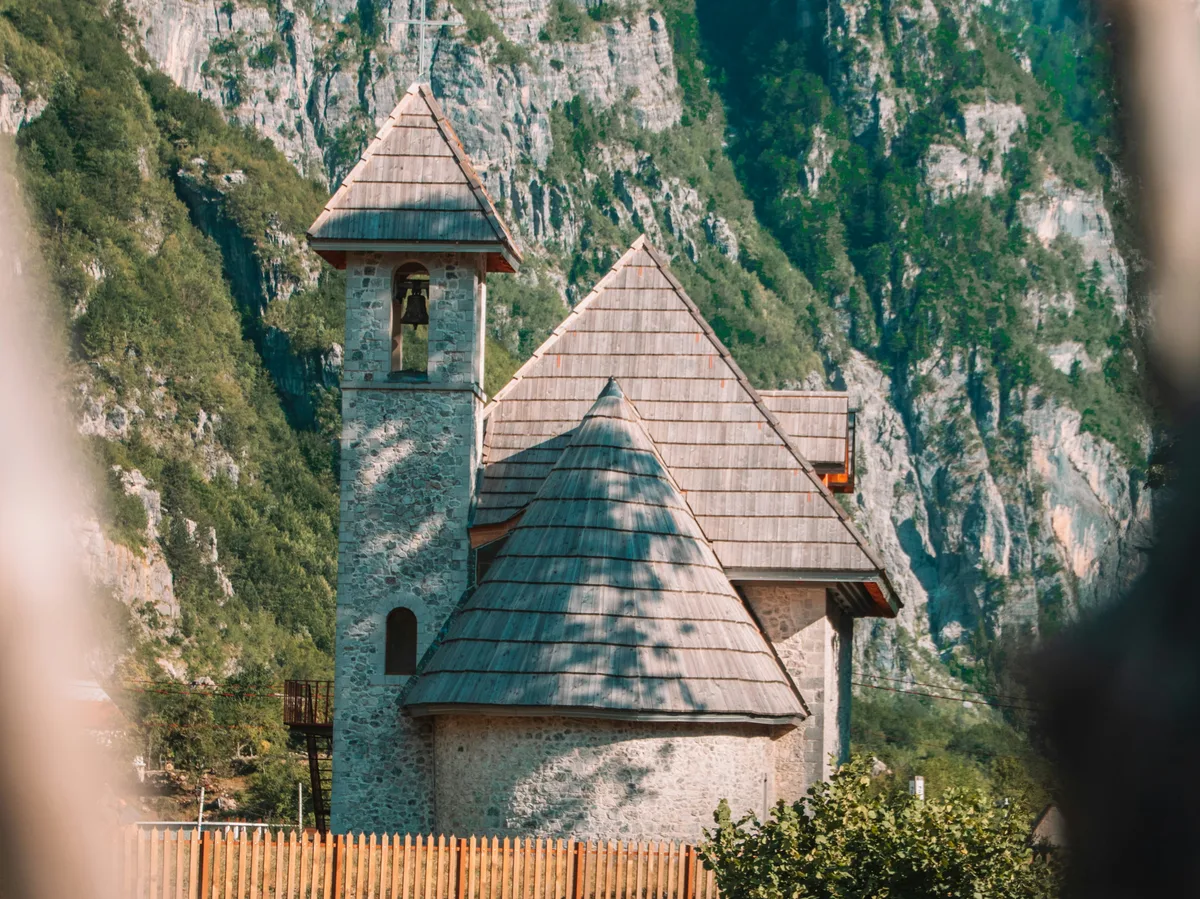 Multi-Day Tours
A 9-day, 8-night trek through the Accursed Mountains, crossing from Kosovo's Rugova Valley into Montenegro's glacial lakes and Albania's Theth and Valbona valleys before returning to Kosovo's Ottoman-era Prizren.
Visitor guide
Theth is a remote mountain village in the Shala Valley of the Albanian Alps, in Shkoder County, northern Albania. Ringed by limestone peaks of more than 2,000 metres, it was the centre of Theth National Park, established in 1966, and is now part of the larger Alps of Albania National Park, which was created in 2022.
Wikipedia describes Theth as sprawling across the upper Shala Valley and trapped on four sides by two-thousanders such as Radohima to the west, Arapi and Poplluka to the north and Jezerca to the east. The Valbona Pass, at 1,795 metres, leads on a mountain path to the neighbouring Valbona Valley. The mountains are made of limestone and dolomite and show major karst features, including the Grunas Canyon and the southern wall of Arapi, which is considered the highest rock face in the Balkans.
Theth National Park originally covered about 26 square kilometres around the larger part of the Shala Valley. In 2022 it was merged with Valbona Valley National Park and the Gashi Nature Reserve to form the Alps of Albania National Park, the largest national park in the country, covering about 828 square kilometres. In 2017 Theth was declared a Protected Historic Center.
Local tradition says the community has a single common ancestor, Ded Nika, and that families moved to Theth some 300 to 350 years ago from the lower Shala Valley to preserve their Catholic Christian traditions. The English traveller Edith Durham, visiting in the early 20th century, wrote that no place where people lived had given her such an impression of majestic isolation from all the world. She described a settlement of about 180 houses. Other early 20th-century visitors included Rose Wilder Lane and Franz Nopcsa.
The traditional customary law known as the Kanun remains influential in the mountains. Theth still has one of the very few surviving lock-in towers, a historic defensive tower used as protection for families. Other sights include waterfalls, a working watermill and a modest ethnographic museum. The community has long faced depopulation, and many residents live in Theth only in the summer months.
Wikipedia says the park has a notably diverse flora, with estimates ranging between 1,500 and 1,650 plant species, of which about 70 are endangered. Oak forest occupies the lower slopes, beech and silver fir the middle slopes up to about 1,900 metres, and alpine meadows and juniper the highest ground. Large mammals include brown bear, roe deer and chamois, while rarer species such as grey wolf, lynx and wild goat are also reported. About 50 bird species have been recorded, including golden eagle and western capercaillie.
Theth remains remote. The single road from the village of Boga has been paved and upgraded in recent years, but Wikipedia notes it can still be impassable in winter until around April. The best months for visiting are therefore the warmer ones. A private tour with a local driver who knows the mountain road is a practical way to reach the village and make a short visit to the lock-in tower, church and waterfalls.
Local families offer board and lodging to hikers, and trails lead to places such as Grunas waterfall and across the Valbona Pass. Details of trails, conditions and access are best confirmed locally before travel.
See every tour and attraction we cover in Albania.