TorontoOntario · 36 tours
 Niagara FallsOntario · 25 tours
 New York CityNew York · 30 tours
 Las VegasNevada · 8 tours
 San FranciscoCalifornia · 16 tours
 VancouverBritish Columbia · 17 tours
 DubaiUAE · 54 tours
 Abu DhabiUAE · 5 tours
 Buenos AiresArgentina · 23 tours
 AthensGreece · 31 tours
 AucklandNew Zealand · 38 tours
 CancunMexico · 54 tours
No destinations match “”. Try searching all tours instead — that search understands full questions, not just place names.
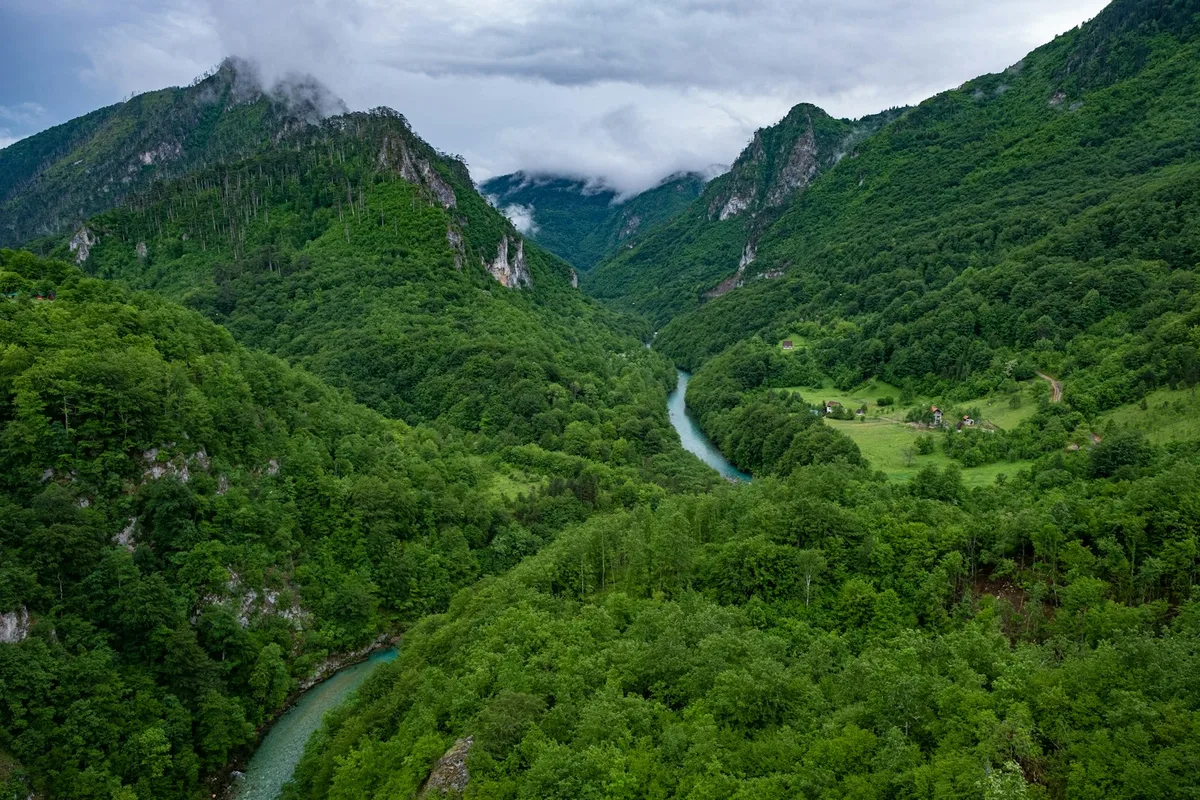
Europe's deepest river canyon at up to 1,300 metres, cutting through Durmitor National Park along the Bosnian border — a UNESCO-listed setting for white-water rafting and canyon-rim viewpoints.
 Multi-Day Tours
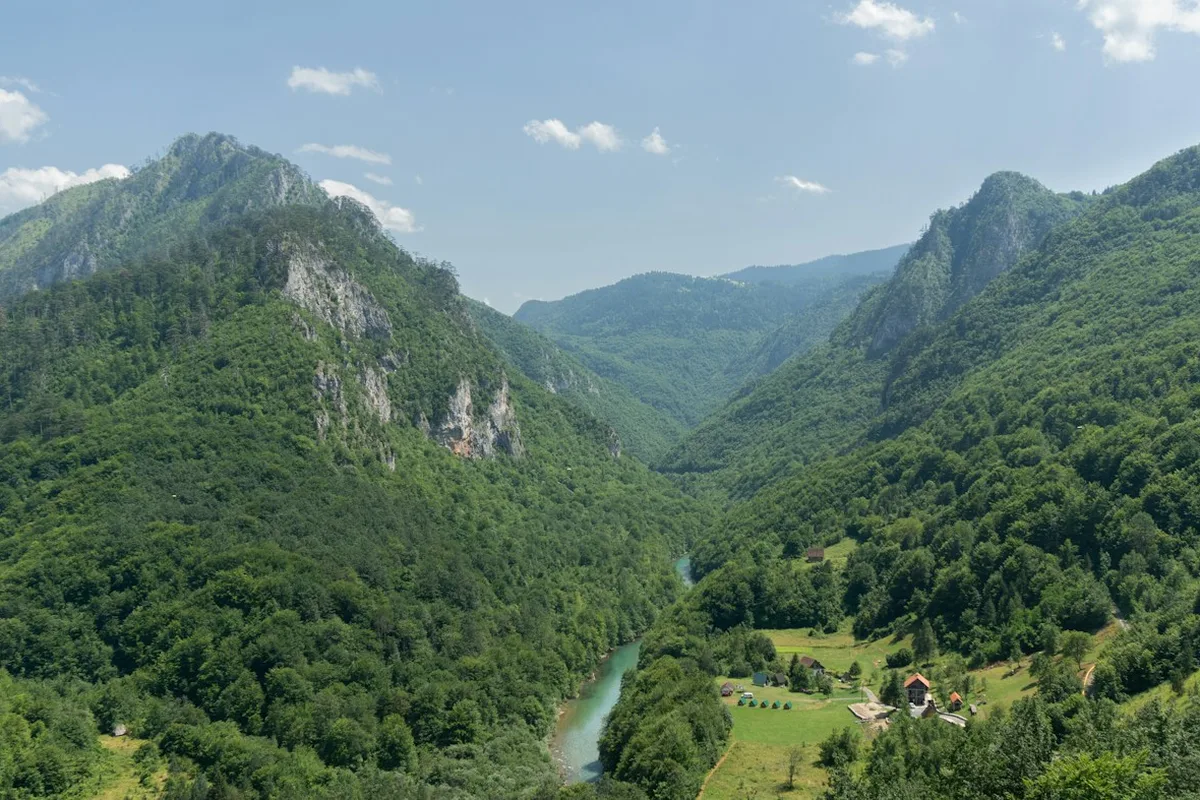
An 8-day multi-activity adventure through Durmitor and Piva — hiking, canyoning through Nevidio Canyon, cycling to Piva Nature Park, kayaking Piva Lake, and white-water rafting Europe's deepest canyon on the Tara River.
 Multi-Day Tours
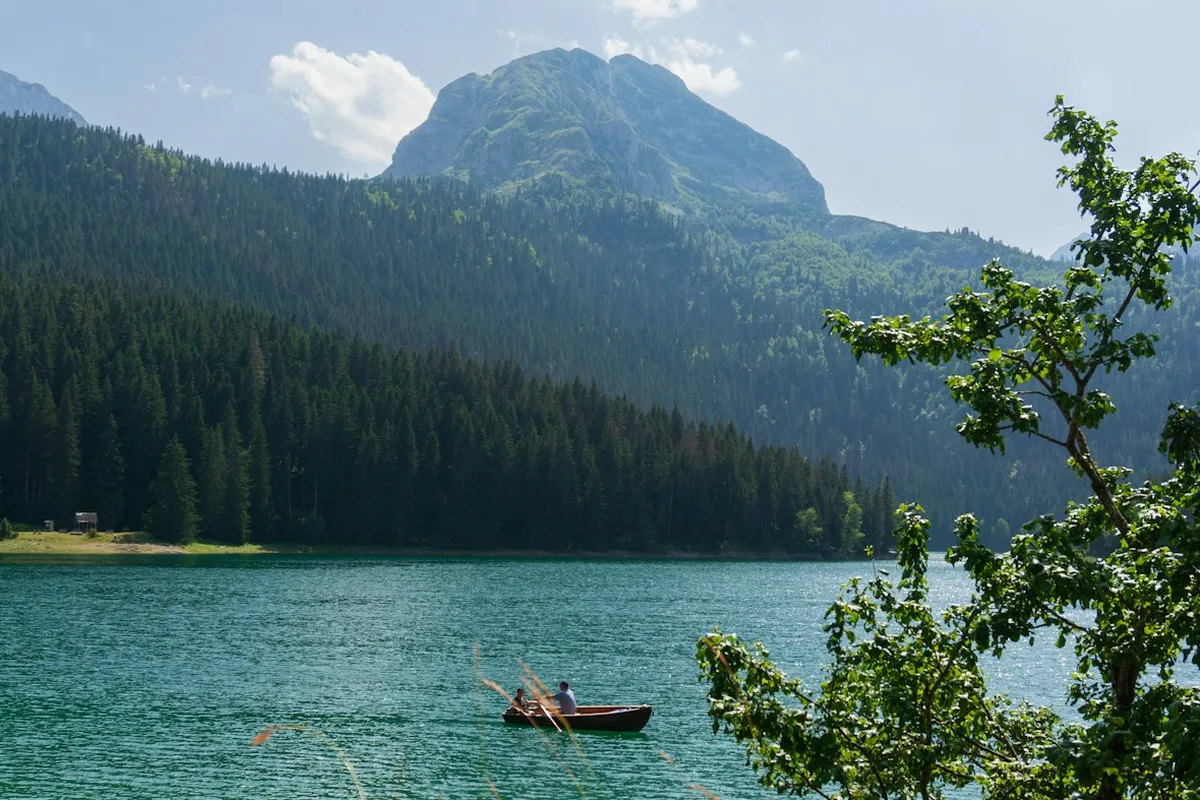
An 11-day hiking traverse of Montenegro's Piva, Durmitor and Komovi mountains — white-water rafting the Tara River, wild swimming at Skrka Lakes, a night wild camping in Dobri Do Valley, and the Mrtvica Canyon descent.
 Multi-Day Tours
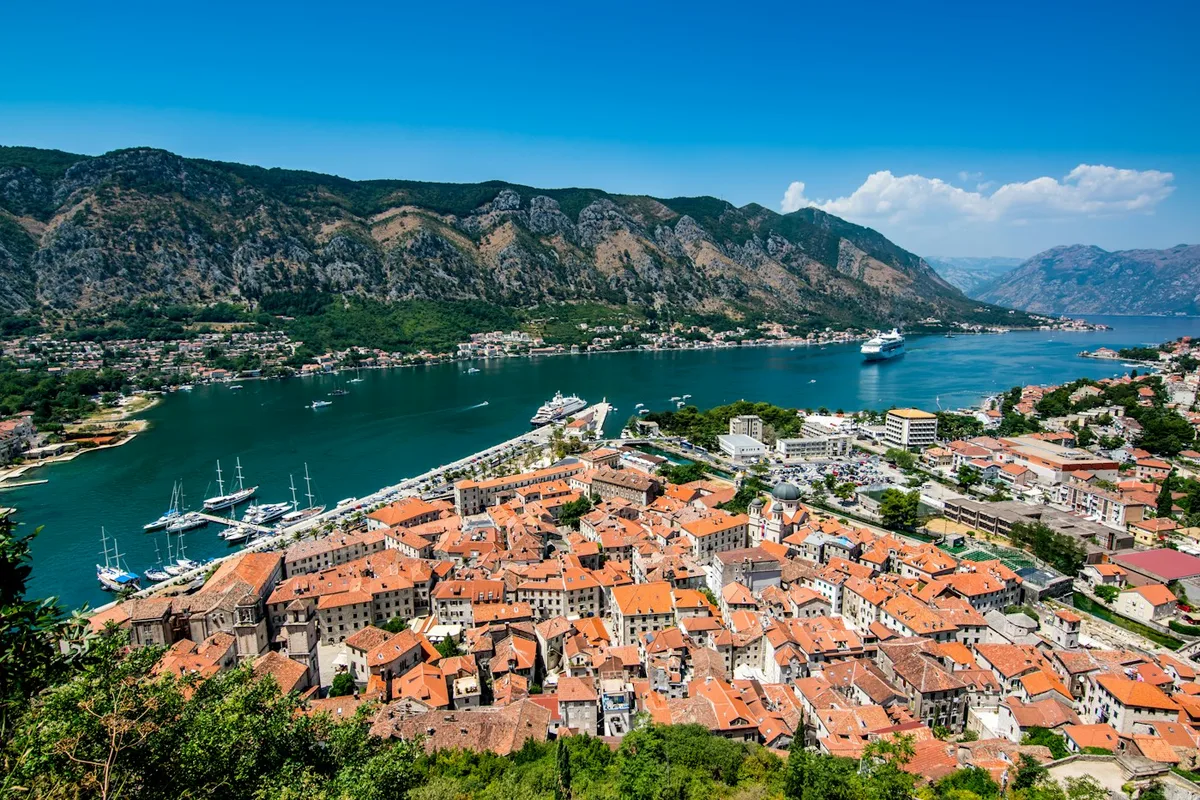
An 8-day private tour pairing Montenegro's national parks with its wine country — Biogradska Gora, three lakes in Durmitor, the Ostrog Monastery carved into a cliff, a Skadar Lake vineyard, and the Bay of Kotor.
 Multi-Day Tours
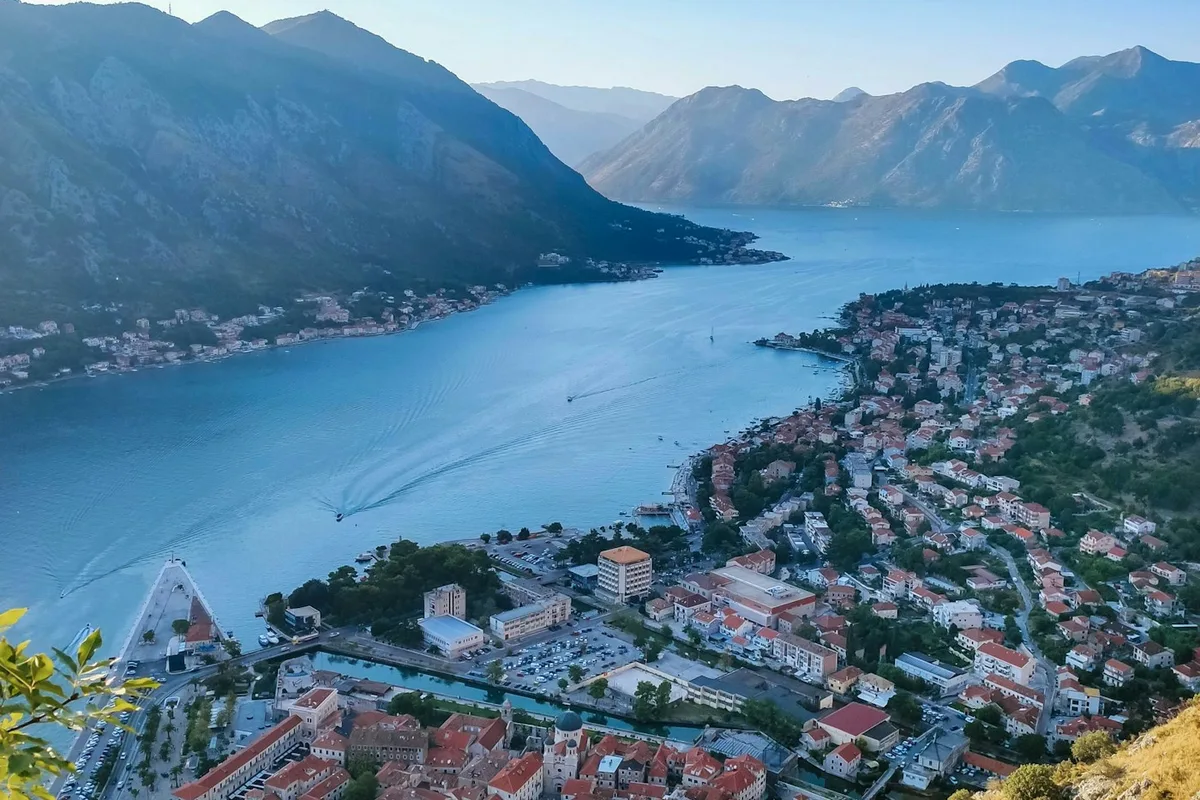
An 8-day tour from the Bay of Kotor to the Durmitor mountains — a Kotor Bay boat cruise, a hike to the Lovćen mausoleum, horseback riding near Žabljak, white-water rafting the Tara Canyon, and kayaking Lake Skadar.
Visitor guide
The Tara River Canyon is a deep gorge in northern Montenegro, running about 82 kilometres from near Bistrica in Montenegro to Hum in Bosnia and Herzegovina. Much of it lies within Durmitor National Park, and it is often called the Tear of Europe.
Wikipedia gives the canyon's depth as up to about 1,300 metres, with an infobox maximum of 1,333 metres and an average of 1,073 metres. It describes the canyon as the deepest in continental Europe, and says it is second deepest in Europe behind Sulak Canyon and third deepest globally behind the Grand Canyon, though such rankings depend on how depth is measured. About 60 kilometres of the canyon is protected by Durmitor National Park, and the last 36 kilometres form the border between Montenegro and Bosnia and Herzegovina.
The Tara River is about 158 kilometres long and has 69 rapids and more than 40 cascades, with whitewater between categories 2 and 4. It becomes the Drina at its confluence with the Piva near Hum. The canyon is carved through Middle and Upper Triassic, Upper Jurassic and Upper Cretaceous rock and has rocky and pebbly terraces, sandy beaches, high cliffs and more than 80 large caves.
In Montenegro the canyon forms part of Durmitor National Park, a UNESCO World Heritage Site. The Tara River Basin is also a UNESCO biosphere reserve, recognised in 1976 under the Man and Biosphere programme, according to UNESCO's list (a few documents cite 1977). In Bosnia and Herzegovina the canyon is protected as Tara Nature Park. The river and the Drina are Europe's main habitat and spawning ground for huchen, a large freshwater salmonid.
The canyon is a famed rafting destination. The one-day route runs from Brstanovica to Scepan Polje, about 14 kilometres and has the steepest drop in elevation, while a longer route covers about 60 kilometres. It hosted the European Rafting Championships in 2005 and 2009. Montenegro and Republika Srpska have in the past planned dams that would flood part of the gorge, and the Buk Bijela project was reportedly abandoned after protests in 2005 and reconsidered in 2018.
The canyon forms the northern boundary of the Durmitor massif, with the Piva and Komarnica canyons to the west and south. Wikipedia describes the Tara as the northern boundary of Durmitor, whose highest peak is Bobotov Kuk at 2,523 metres. The town of Zabljak, at 1,456 metres, is the main base for the national park. A private guided tour with a driver suits the canyon, as viewpoints are separated by mountain roads.
Zabljak, which Wikipedia calls the highest-situated Balkan town, has a humid continental climate with mild summers and cold winters, and its snow cover lasts about 120 days a year. The town was rebuilt after the Second World War as Montenegro's main centre for mountain tourism, and summer activities in the area include hiking, mountaineering and mountain biking.
See every tour and attraction we cover in Montenegro.