TorontoOntario · 36 tours
 Niagara FallsOntario · 25 tours
 New York CityNew York · 30 tours
 Las VegasNevada · 8 tours
 San FranciscoCalifornia · 16 tours
 VancouverBritish Columbia · 17 tours
 DubaiUAE · 54 tours
 Abu DhabiUAE · 5 tours
 Buenos AiresArgentina · 23 tours
 AthensGreece · 31 tours
 AucklandNew Zealand · 38 tours
 CancunMexico · 54 tours
No destinations match “”. Try searching all tours instead — that search understands full questions, not just place names.
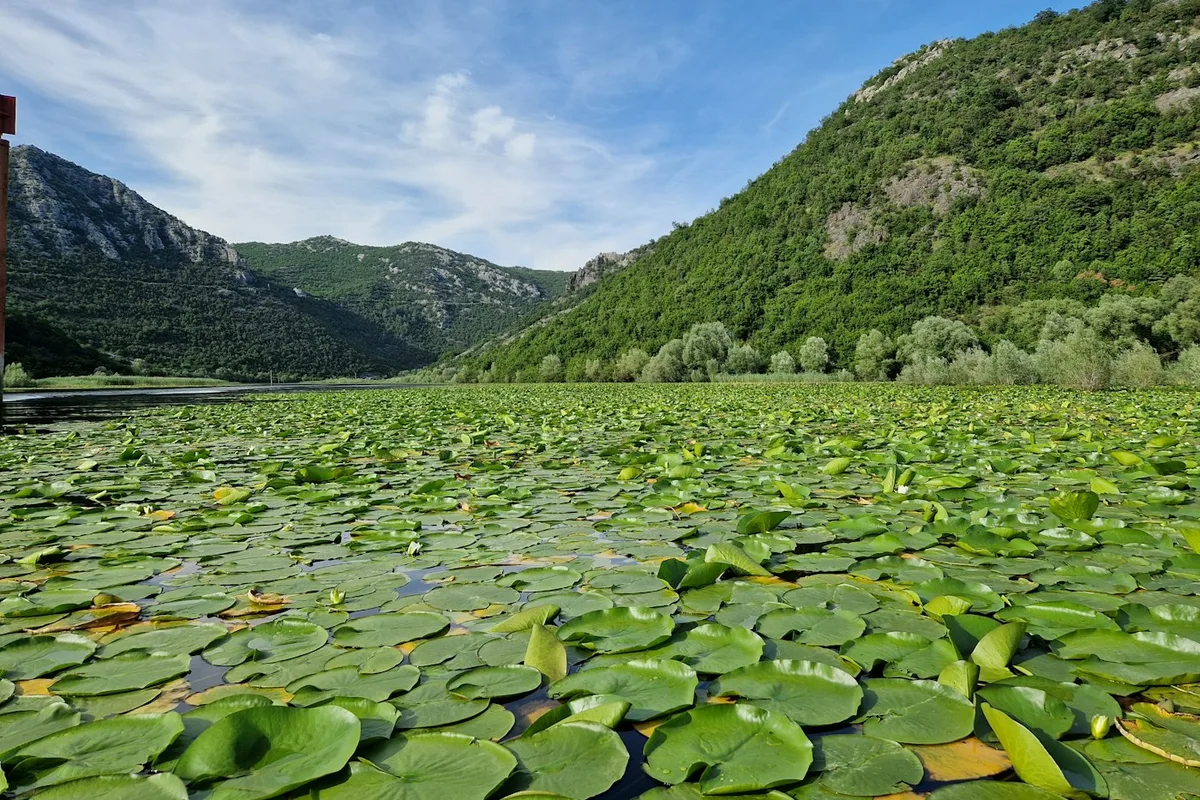
The largest lake in the Balkans and home to roughly 270 to 280 bird species, its water-lily-covered coves, island monasteries and fishing villages best explored by kayak or boat.
 Multi-Day Tours
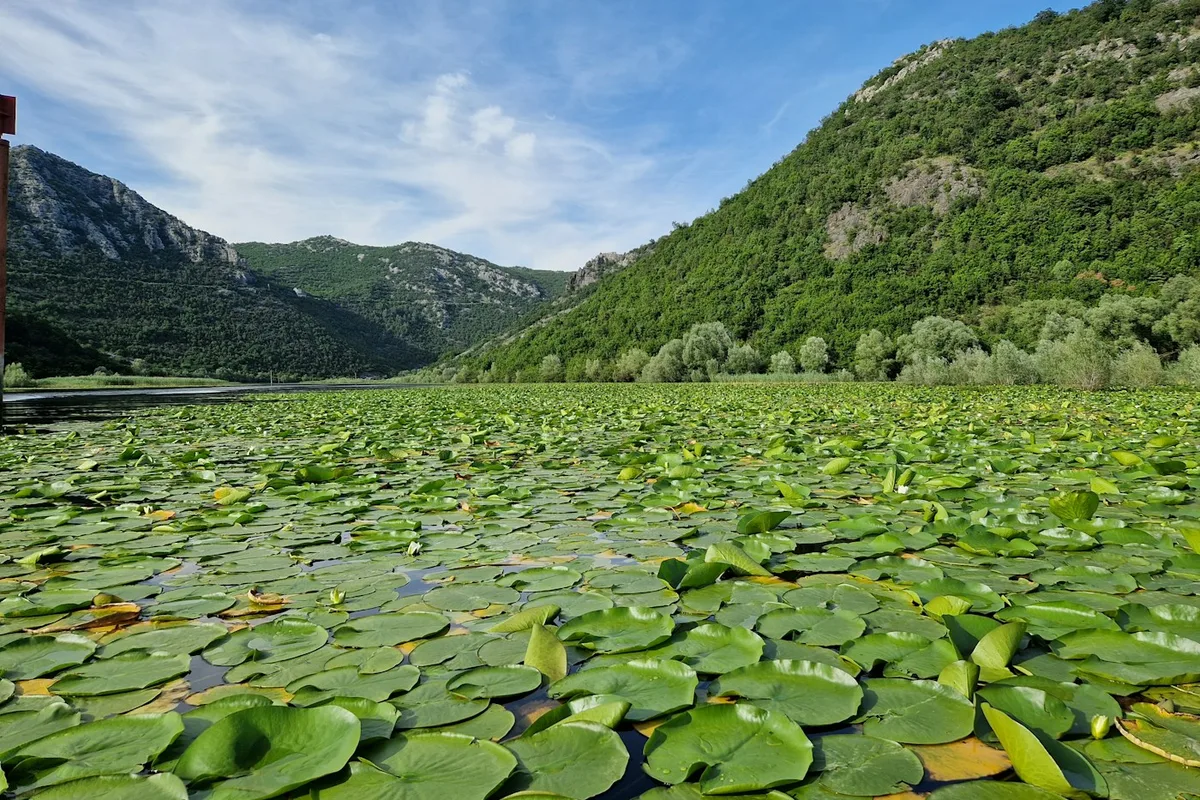
An 8-day kayaking expedition across Lake Skadar, the largest lake in the Balkans — paddling past lily fields, abandoned forts and island villages, with an optional rest-day visit to Kotor's Old Town.
 Multi-Day Tours
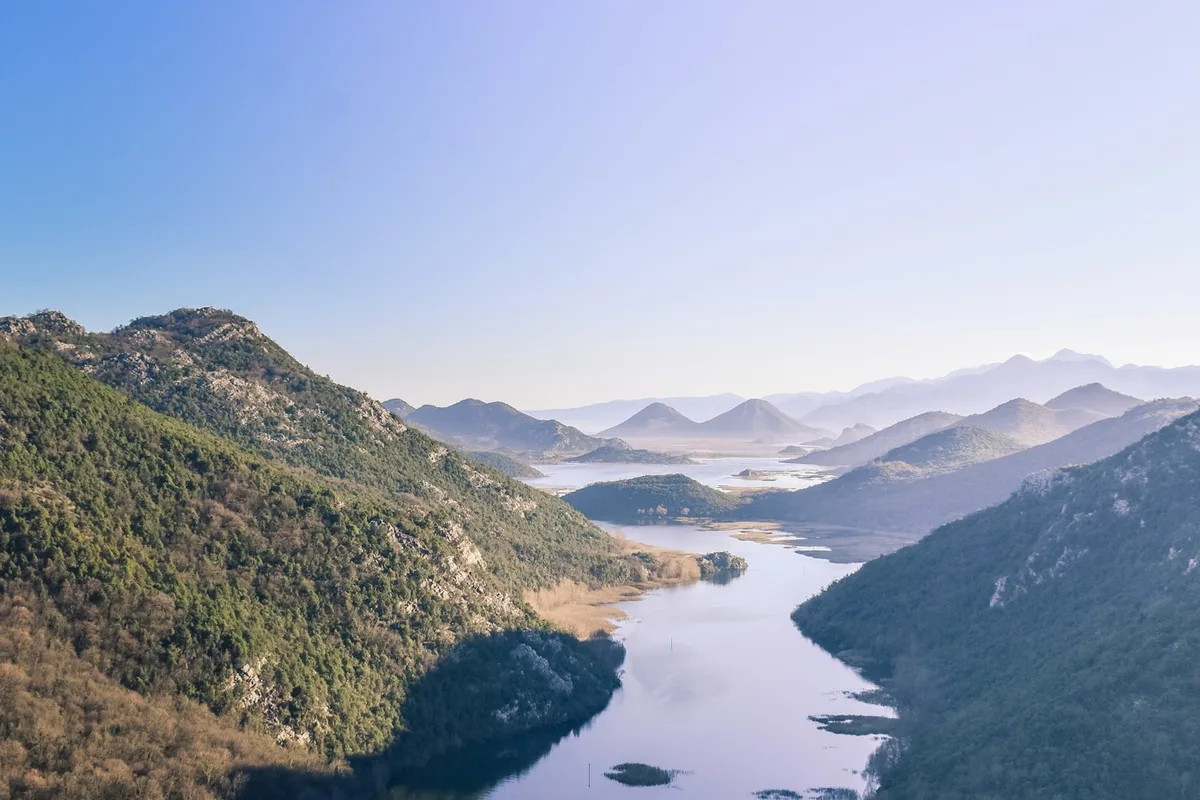
A 5-day adventure sampler in southern Montenegro — a winery welcome, a Lake Skadar kayaking day, canyoning at Međureč Canyon, and a choice of coastal hiking, sea kayaking or cycling around the lake.
 Multi-Day Tours
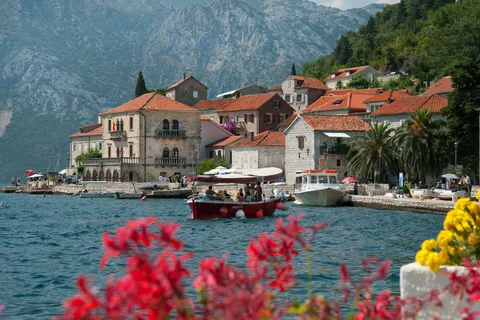
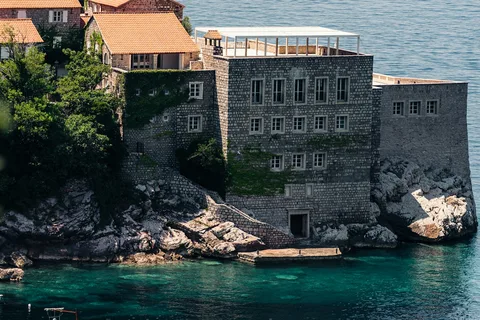
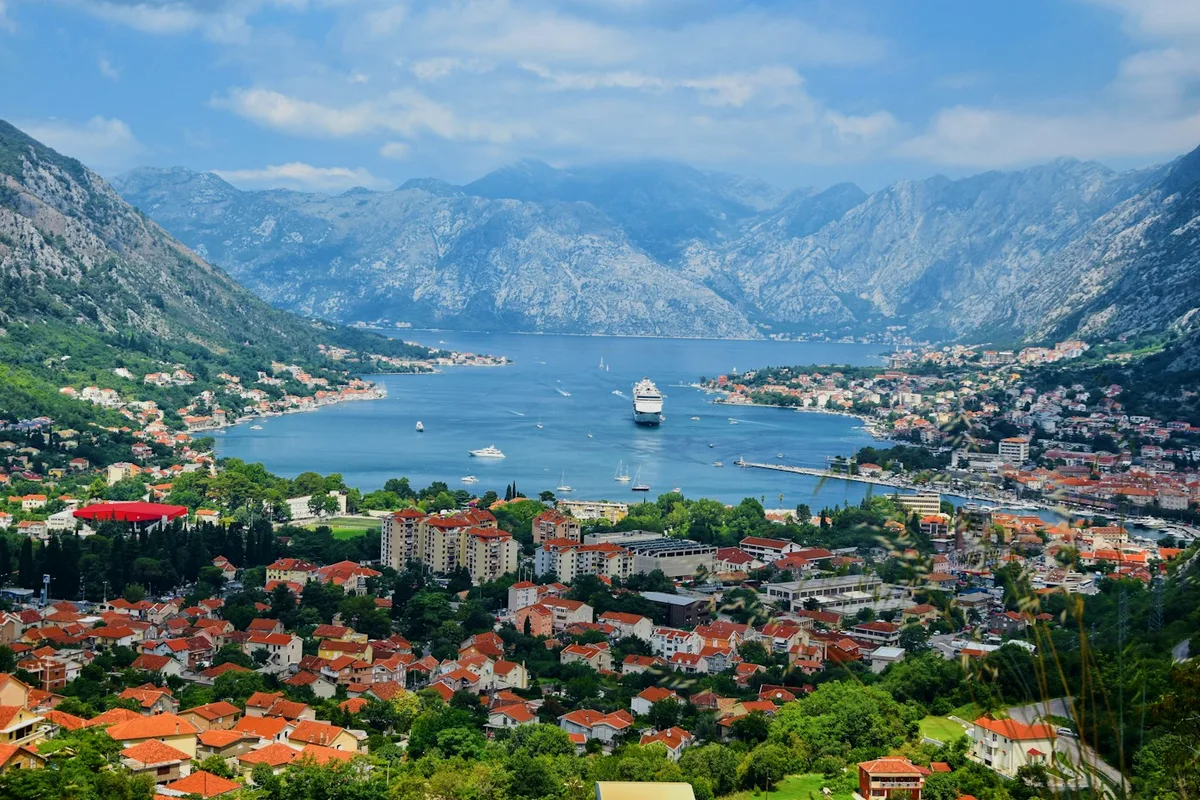
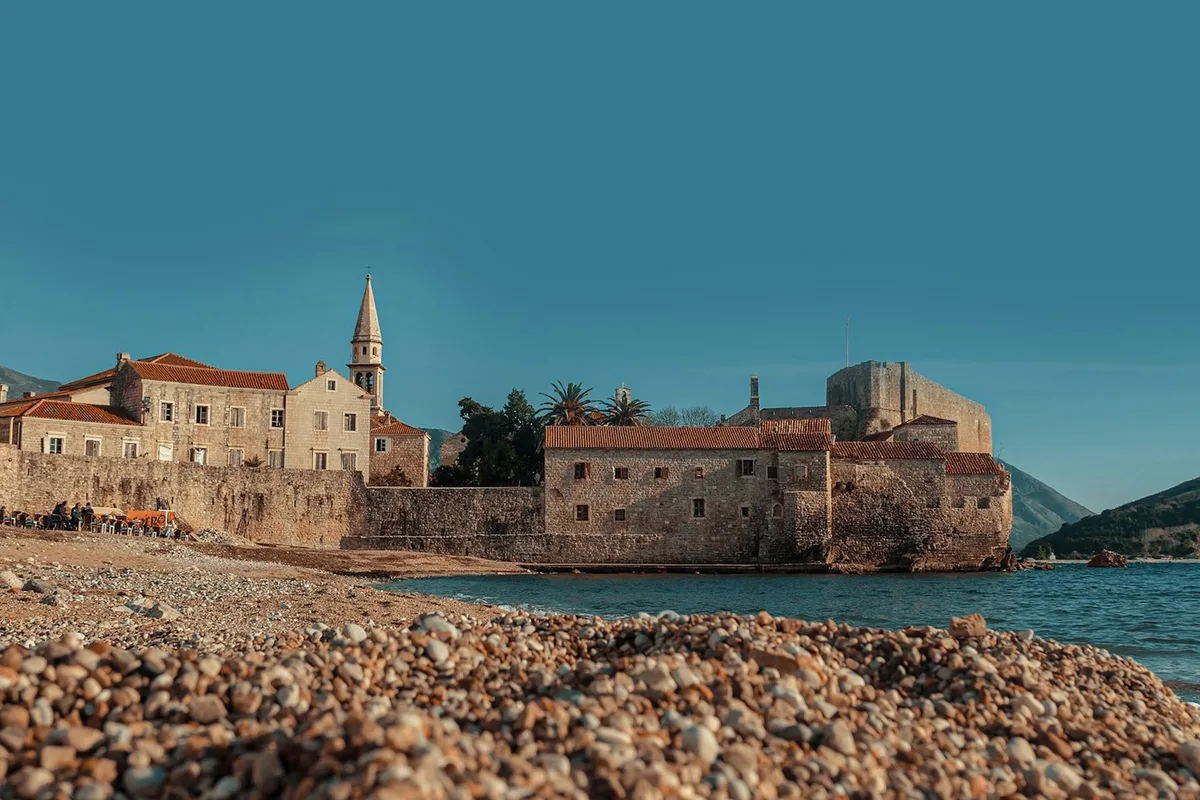
Adapted from a self-drive itinerary — Voyzo runs this route with your own private driver and vehicle instead of a rental car. An 8-day coastal loop from Kotor to Perast, Sveti Stefan, Ulcinj, Lake Skadar and Budva, with old royal Cetinje along the way.
 Multi-Day Tours
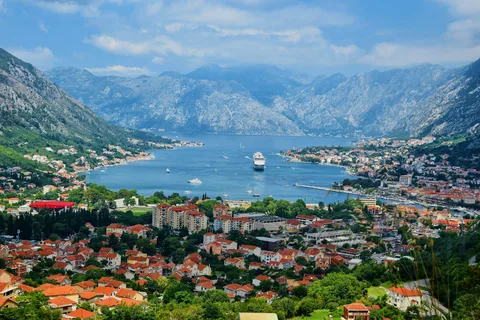
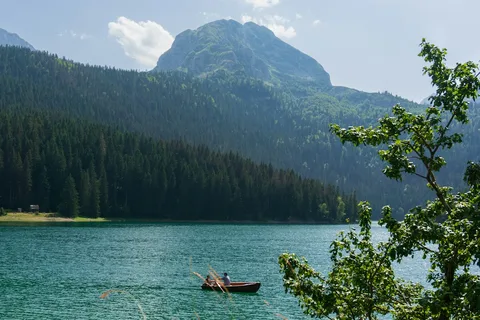
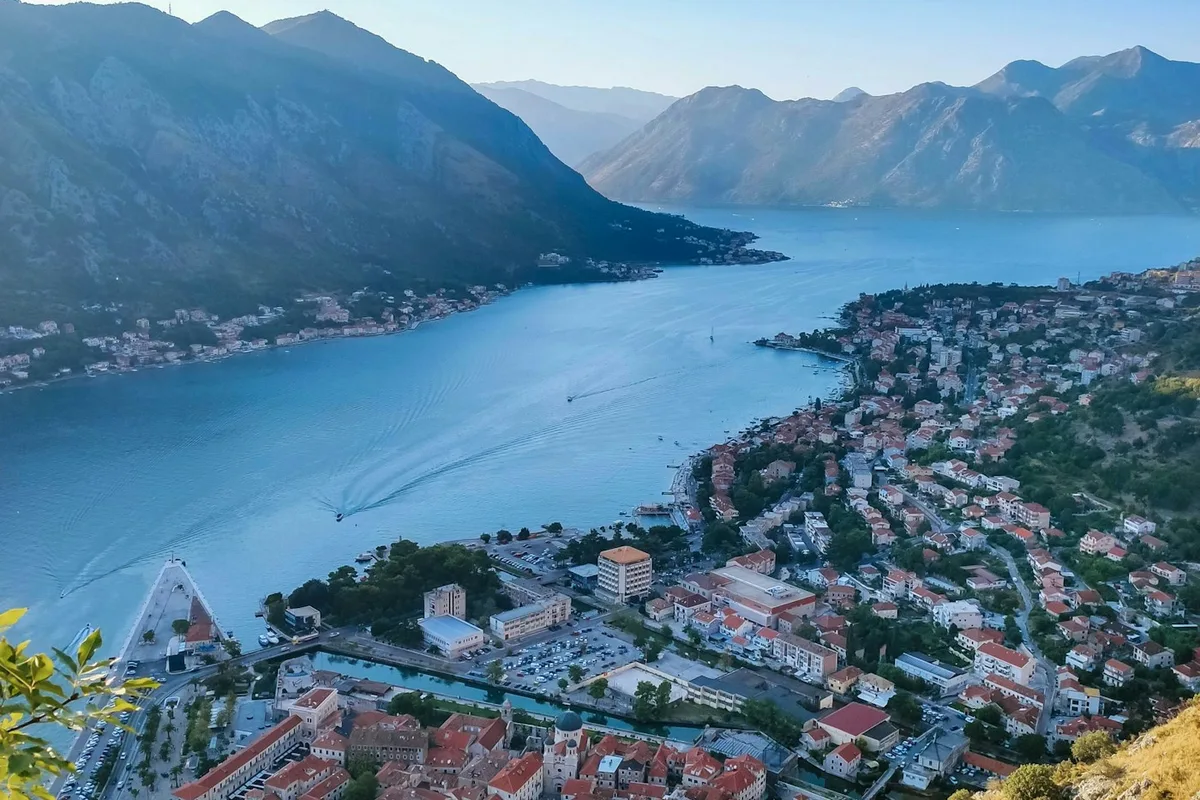
An 8-day loop pairing Montenegro's mountains and coast — Biogradska Gora's primary forest, Black Lake above Žabljak, the cliffside Ostrog Monastery, Kotor Bay, and beach time in Budva and Sveti Stefan.
 Multi-Day Tours
An 8-day tour from the Bay of Kotor to the Durmitor mountains — a Kotor Bay boat cruise, a hike to the Lovćen mausoleum, horseback riding near Žabljak, white-water rafting the Tara Canyon, and kayaking Lake Skadar.
Visitor guide
Lake Skadar is the largest lake in the Balkan Peninsula, lying on the border between Montenegro and Albania. The Montenegrin part and its surrounding land became Lake Skadar National Park in 1983, protecting a vast shallow wetland known for its birdlife.
Wikipedia describes Lake Skadar, also known as Lake Scutari or Lake Shkoder, as the largest lake in Southern Europe. Its surface area ranges seasonally from 370 to 530 square kilometres, and about 65 percent belongs to Montenegro and about 35 percent to Albania. It is roughly 44 kilometres long and up to 14 kilometres wide, and its water level varies seasonally between 4.7 and 9.8 metres above sea level.
The lake is a cryptodepression, a basin below the surrounding terrain, filled mainly by the Moraca River, which supplies about 62 percent of its water. The Buna River drains it to the Adriatic Sea and forms the international border along the lower half of its length. More than 200 karst springs feed the lake, many of them underwater. Average depth is about five metres, though sources vary on the maximum.
The lake hosts roughly 270 to 280 bird species depending on the source and is one of Europe's major bird reserves, recognised by BirdLife International as an Important Bird Area. It is home to some of Europe's last Dalmatian pelicans, which attract birdwatchers, along with herons and gulls. Fish are abundant, especially carp, bleak and eel; of 34 native fish species, seven are endemic to the lake. About 31 percent of its freshwater snail species are also endemic.
The lake was listed as a Ramsar wetland in 1995, and the Lake Shkodra and River Buna site was designated in 2006. The Albanian part is a managed nature reserve. Among the islands, Beska has two churches and Grmozur, on the southwestern side, is a former fortress and prison. Near Rijeka Crnojevica lies the wreck of the steamboat Skanderbeg, sunk in 1942 during the Second World War.
Travel sources add detail about the lake's human history. Virpazar is the main departure point on the Montenegrin shore and hosts the national park visitor centre. Zabljak Crnojevica is a medieval fortified town on a hill overlooking the park, which Lonely Planet says served for a brief time in the 15th century as the capital of the Zetan ruler, between the fall of Skadar and the founding of Cetinje. Rijeka Crnojevica sits at the lake's northwestern end, where the river winds in serpentine loops, with an arched limestone bridge dating to 1853 in one source.
Several islands hold Orthodox monasteries, among them Vranjina, Starcevo, Beska and Moracnik. Sources give differing foundation dates, but Starcevo is described as the oldest, said to have been founded by a hermit in 1377, and Beska has been revived by a community of nuns. Besac Fortress above Virpazar was built by the Ottomans in 1478, according to Lonely Planet, and Grmozur, the former prison island, is sometimes nicknamed the Montenegrin Alcatraz. Travel descriptions of these places vary, so details are best confirmed on the spot.
The climate is hot-summer Mediterranean with dry summers. The Montenegrin side includes the Skadar Lake Basin, a wine-growing region. Wikipedia lists eutrophication, pollution and sand and gravel extraction as ongoing pressures on the lake.
A private guided tour with a driver suits the area, with its scattered villages, shorelines and viewpoints reached by road before boat trips on the water.
See every tour and attraction we cover in Montenegro.