TorontoOntario · 36 tours
 Niagara FallsOntario · 25 tours
 New York CityNew York · 30 tours
 Las VegasNevada · 8 tours
 San FranciscoCalifornia · 16 tours
 VancouverBritish Columbia · 17 tours
 DubaiUAE · 54 tours
 Abu DhabiUAE · 5 tours
 Buenos AiresArgentina · 23 tours
 AthensGreece · 31 tours
 AucklandNew Zealand · 38 tours
 CancunMexico · 54 tours
No destinations match “”. Try searching all tours instead — that search understands full questions, not just place names.
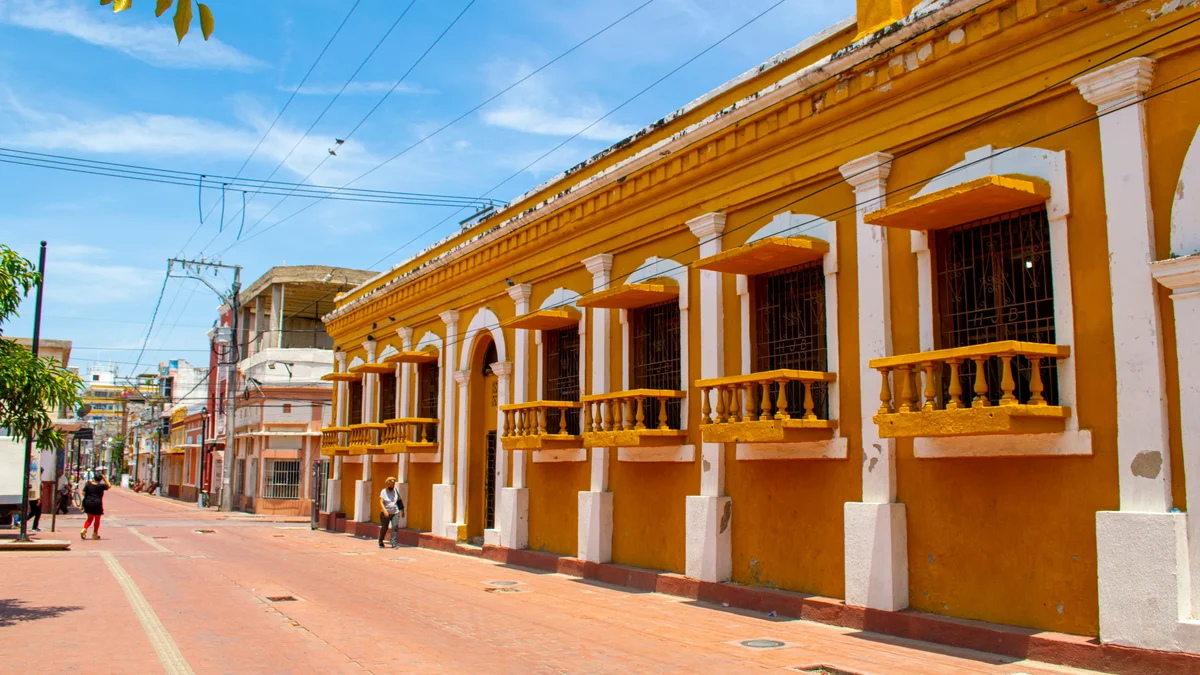
The colonial core of South America's oldest surviving city, founded in 1525 by Spanish conquistador Rodrigo de Bastidas. Its narrow streets, colorful low-rise facades, and central squares like Parque de los Novios sit just steps from El Malecón, the palm-lined waterfront promenade along Santa Marta Bay.
 Private Tours
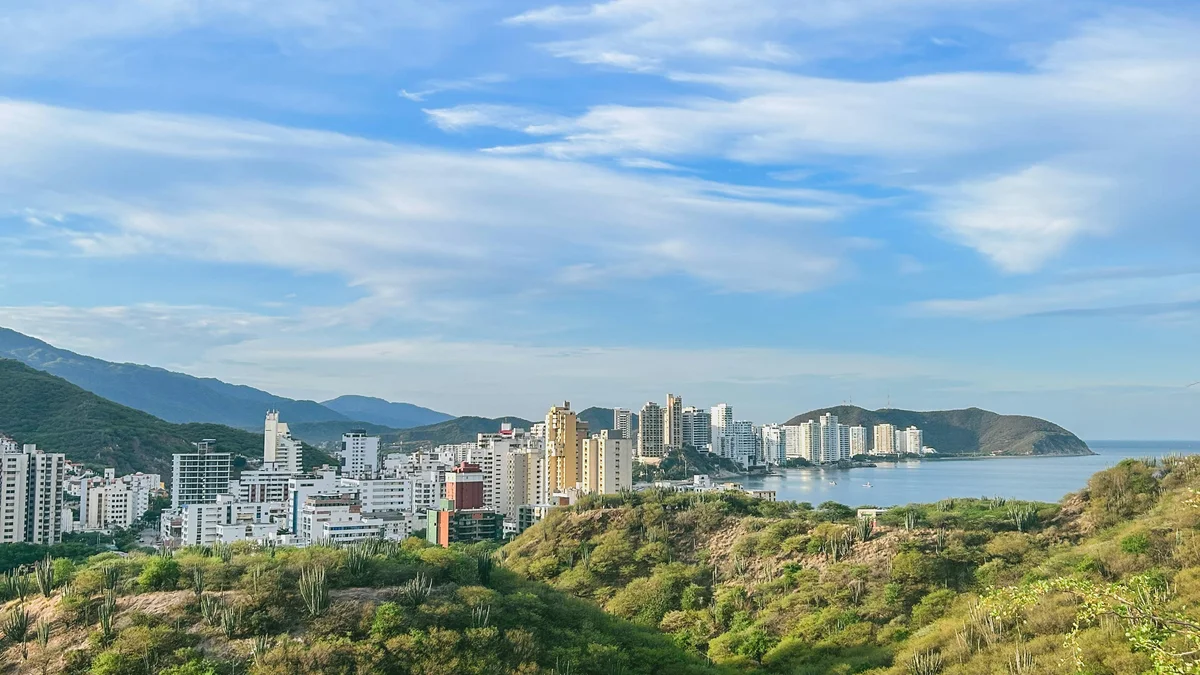
A private guided walk through the historical center of Santa Marta, Colombia's oldest surviving Spanish-founded city (1525), visiting the Tayrona Gold Museum and the Malecón waterfront promenade, with samples of local fruit and juice along the way.
 Private Tours
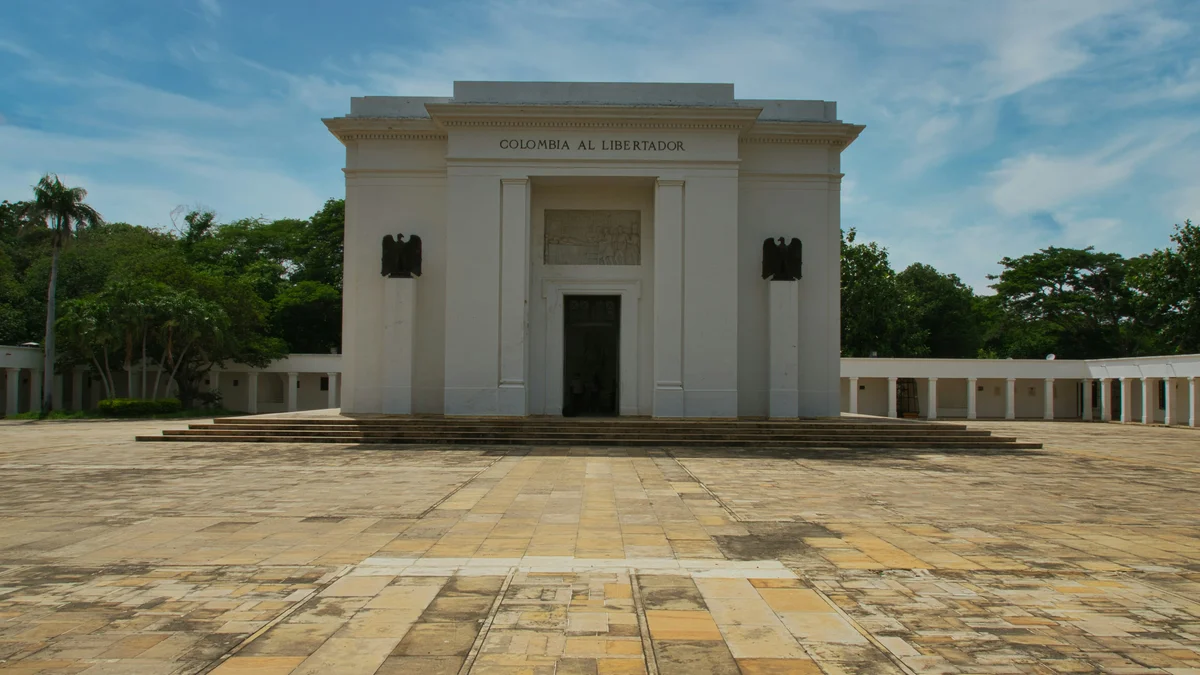
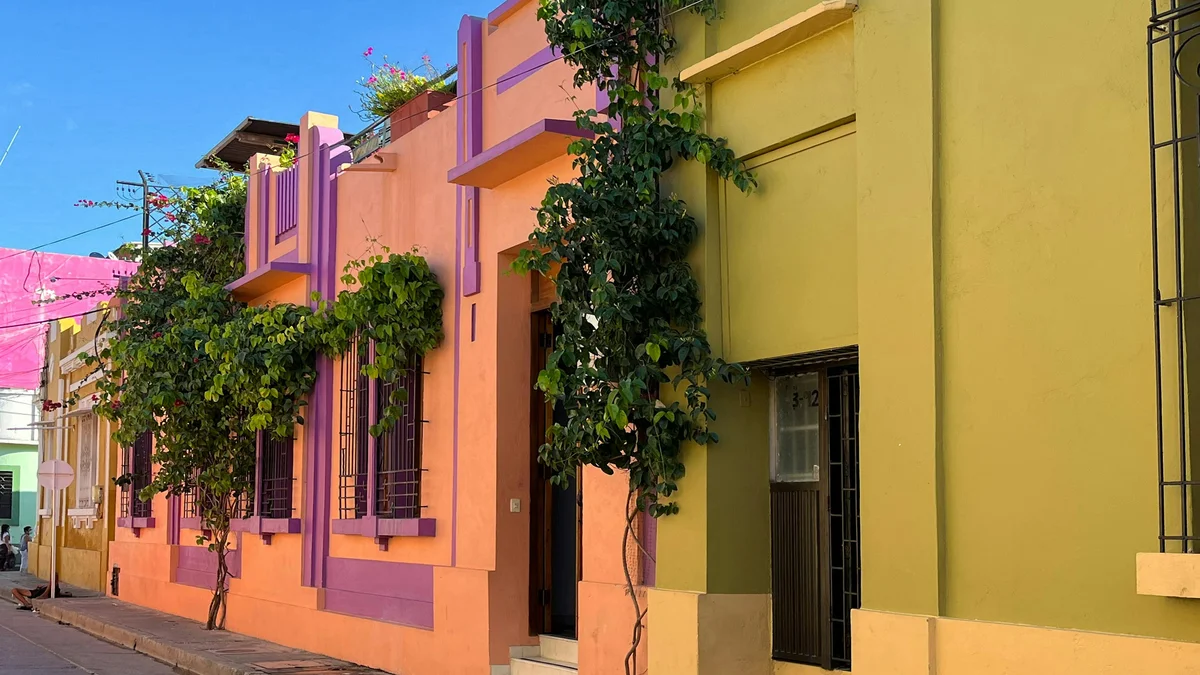
A private tour of Santa Marta's historic Old Town and the Quinta de San Pedro Alejandrino, the colonial hacienda where Simón Bolívar spent his final days, including the Cathedral and the tomb of city founder Rodrigo de Bastidas.
Visitor guide
The historic centre of Santa Marta, known as the Centro Historico, is the colonial core of the city on Colombia's Caribbean coast. Founded in 1525 by the Spanish conquistador Rodrigo de Bastidas, Santa Marta is generally described as the country's oldest surviving Spanish-founded city.
According to Wikipedia, Santa Marta was founded on 29 July 1525 and is the capital of Magdalena Department. It was one of the earliest Spanish settlements in Colombia and is described as the second-oldest in South America in some sources, though such rankings vary. The city faced repeated raids; published accounts say English, Dutch and French pirates attacked it on many occasions, which slowed the growth of its monuments.
The Cathedral Basilica is one of the oldest structures in the city. Wikipedia places its construction in the eighteenth century, while another source gives 1766 to 1794, and the dates vary slightly between sources. It held the remains of both Bastidas and Simon Bolivar after their deaths. Bolivar was buried here in 1830, before his remains were moved to Caracas, and the founder's remains are said to be inside the church. Some tourist sites call it the oldest church in Colombia, but that claim is not confirmed.
The centre is arranged around several adjacent squares. The Plaza de Bolivar, also called Parque Bolivar, was originally known as the Plaza de Armas and has a central statue of Bolivar, reportedly sculpted in 1953 by the Italian artist Leone Tommasi as a gift from Venezuela. A fountain at its eastern end is dated to 1848.
Nearby is the Parque de los Novios, once named Santander Park, which has a bandstand and is now ringed by bars, cafes and restaurants on the pedestrianised Calle 19. The old centre mixes colonial houses with later buildings, and streets are lively in the evenings.
The Casa de la Aduana, or Customs House, is one of the older buildings, with sources dating it to the colonial period. The customs office moved into it in 1819, giving it its present name. Bolivar was a guest in the building in December 1830, shortly before he died. It houses the Museo del Oro Tairona, a museum run by the Bank of the Republic, which was reopened in October 2014 after restoration. Its collection includes goldwork, ceramics and stone objects made by the Tairona.
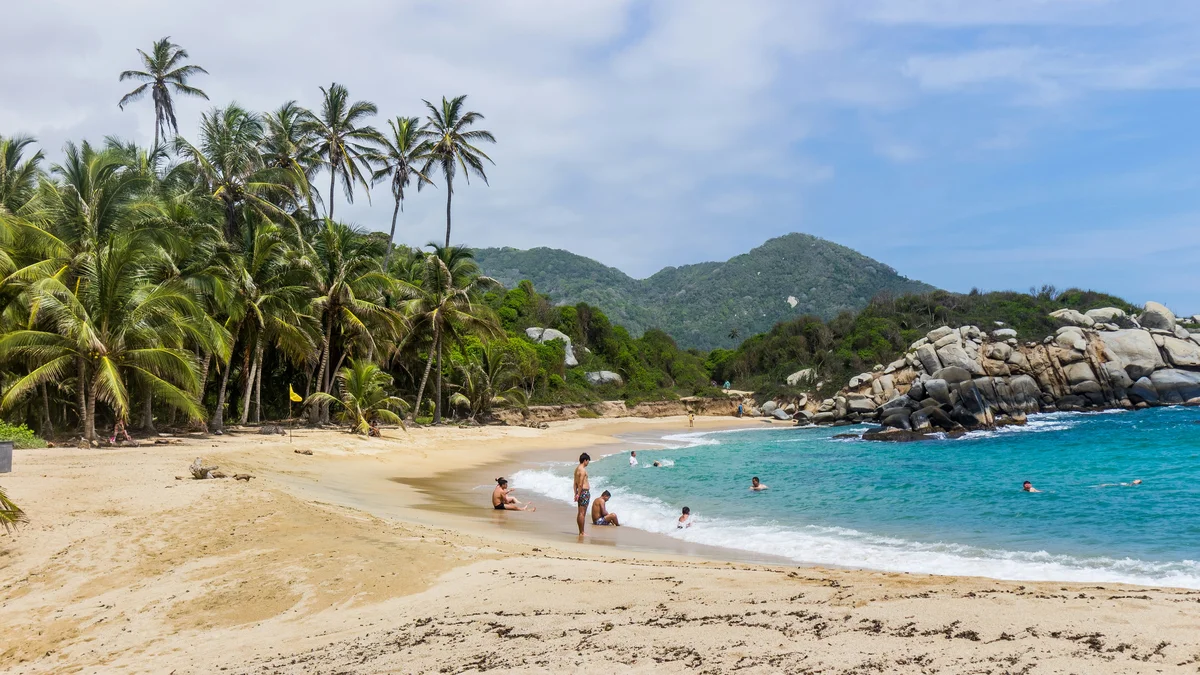
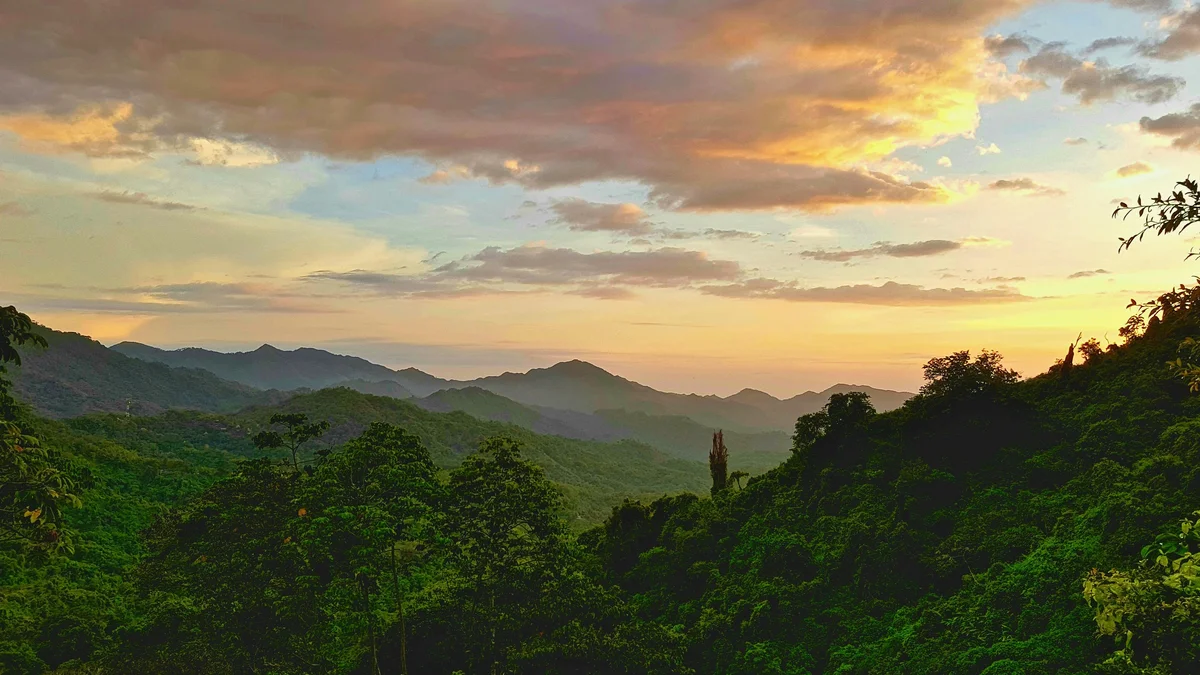
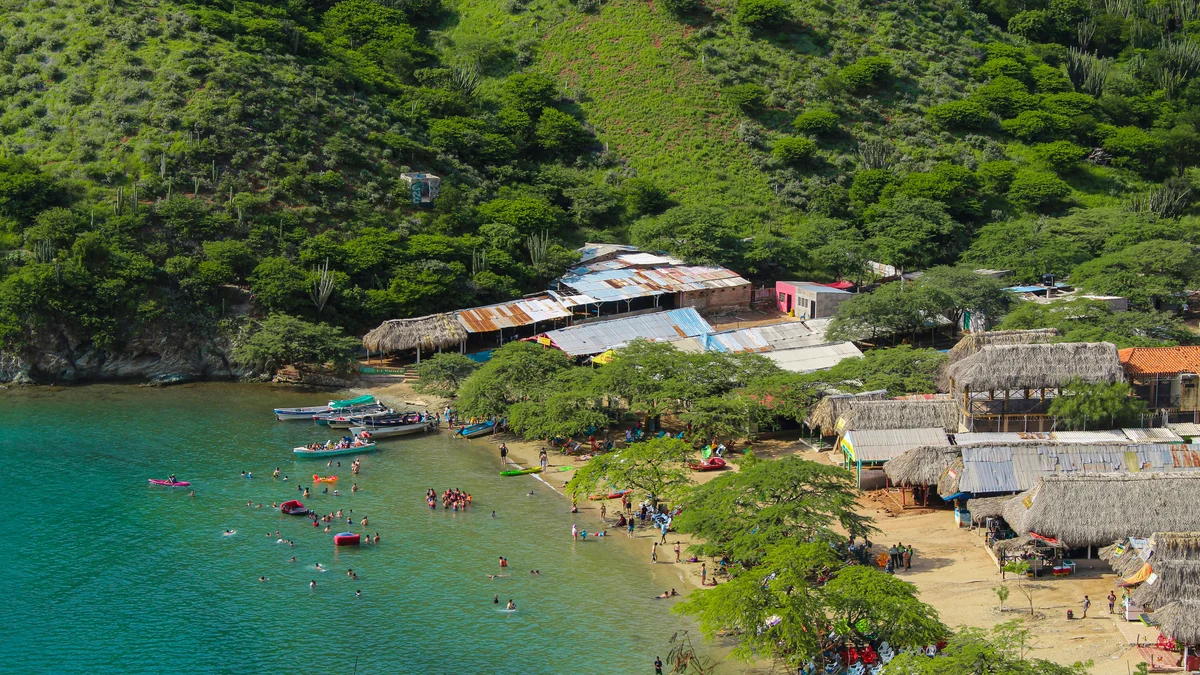
Santa Marta is also the starting point for excursions to Tayrona National Natural Park, the Sierra Nevada and the nearby coastal towns, so the historic centre often serves as an introduction to the region before visitors head to the beaches or the mountains. It makes a good first stop on a tour because it explains how the Spanish colonial city and the Tairona world met on this coast.
The historic centre is compact and flat and best explored on foot in the cooler hours, since Santa Marta is hot all year. A private guide can connect the colonial buildings with the story of Bolivar and the Tairona, and a driver can link the centre with the Quinta de San Pedro Alejandrino and the beaches.
See every tour and attraction we cover in Santa Marta.