TorontoOntario · 36 tours
 Niagara FallsOntario · 25 tours
 New York CityNew York · 30 tours
 Las VegasNevada · 8 tours
 San FranciscoCalifornia · 16 tours
 VancouverBritish Columbia · 17 tours
 DubaiUAE · 54 tours
 Abu DhabiUAE · 5 tours
 Buenos AiresArgentina · 23 tours
 AthensGreece · 31 tours
 AucklandNew Zealand · 38 tours
 CancunMexico · 54 tours
No destinations match “”. Try searching all tours instead — that search understands full questions, not just place names.
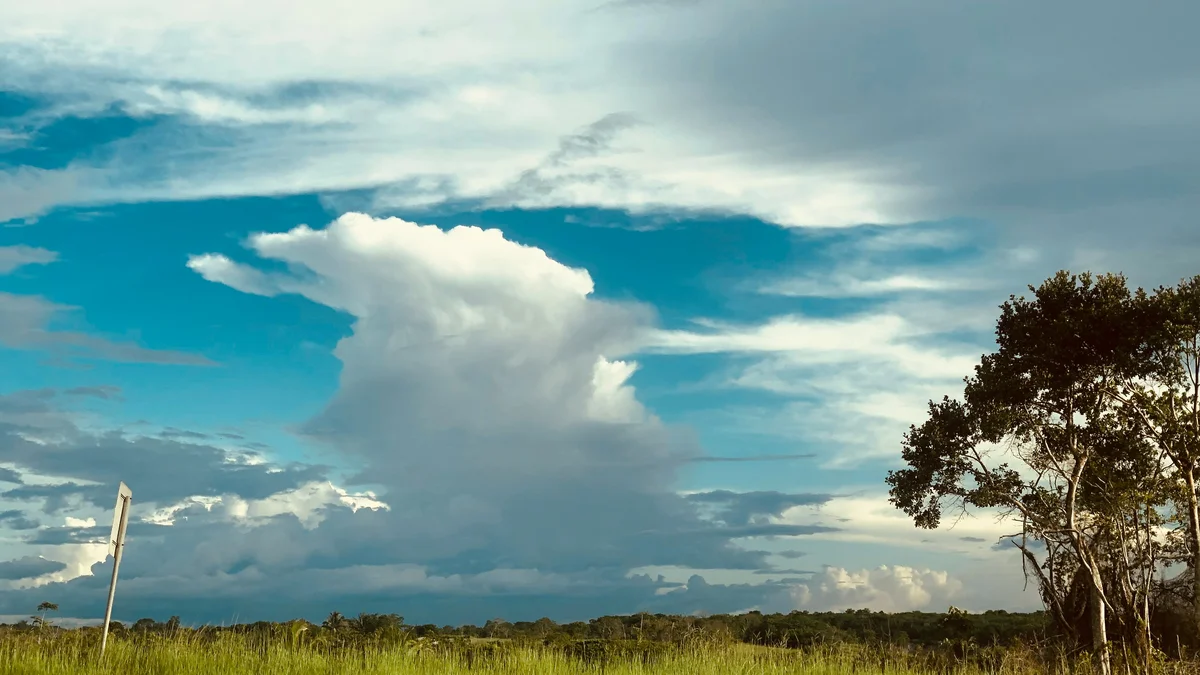
A vast grassland region in southern Guyana, spread across the country's Upper Takutu-Upper Essequibo region around the border town of Lethem. It's cattle-ranching country and home to Indigenous Wapishana and Macushi communities, with wetlands and gallery forests that support some of Guyana's richest wildlife-watching outside the rainforest proper.
Visitor guide
The Rupununi Savannah is the vast grassland and wetland region of south-western Guyana along the Brazilian border, home to cattle ranches, Indigenous communities and a wide variety of wildlife. Most residents of the Rupununi live in the savannah, while forests cover the areas along the major rivers.
Wikipedia describes the Rupununi as a region of savannah, wetlands, forest and low mountain ranges. It gives Region 9 an area of 57,750 square kilometres and more than 80 communities. The Rupununi River is a main tributary of the Essequibo and rises in the Kanuku Mountains. The name is linked to a Makushi word for the black-bellied whistling duck. In the flood season the river shares a watershed with the Amazon and is linked to the Takutu River by Pirara Creek. The Kanuku Mountains are made of high-grade gneisses.
The Makushi, Wapishana and Wai-Wai peoples lived in the area before colonisation. The Makushi are said to have migrated there more than 400 years ago. Paleo-Indian petroglyphs several thousand years old have been found along the river. Walter Raleigh claimed that the region held El Dorado but never explored the river, and Charles Waterton and Robert Schomburgk visited the northern Rupununi later.
The Rupununi uprising of 2 to 4 January 1969 took place near Lethem, led by cattle ranchers, and Wikipedia notes that accounts of its motives are disputed. Lethem, on the Brazilian border, is the regional capital, and a bridge opened in 2009 connects it to Bonfim in Brazil. The town holds an annual Easter rodeo, and the savannah is known for cattle ranches and local cowboys, called vaqueiros.
Wikipedia calls the region's richness comparable with that of Amazonia, citing more than 1,400 vertebrate species and 2,800 plant species in the northern Rupununi. A survey recorded 306 bird species along the river, including the harpy eagle, and the critically endangered red siskin is found in the region. The area supports jaguars and pumas, giant otters, capybaras, giant anteaters, howler monkeys and tapirs, and the black caiman, which can reach five metres. Large fish such as the arapaima live in the rivers.
Karanambu Ranch, said to have been started in 1927, is a protected area for giant otters. Caiman House is a social-enterprise lodge whose revenue supports a library. Ecotourism is an important source of income, particularly for Amerindian communities.
Travel in the Rupununi is shaped by distance and season. Wikipedia says overland travel from Georgetown to Lethem can be very slow or impossible in the rainy season. Many visitors fly in. A private vehicle and driver suits the long distances within the savannah, and local guides help with wildlife and community visits. The tropical savanna climate has a drier season from September to April and heavy rain from May to August.
See every tour and attraction we cover in Guyana.