TorontoOntario · 36 tours
 Niagara FallsOntario · 25 tours
 New York CityNew York · 30 tours
 Las VegasNevada · 8 tours
 San FranciscoCalifornia · 16 tours
 VancouverBritish Columbia · 17 tours
 DubaiUAE · 54 tours
 Abu DhabiUAE · 5 tours
 Buenos AiresArgentina · 23 tours
 AthensGreece · 31 tours
 AucklandNew Zealand · 38 tours
 CancunMexico · 54 tours
No destinations match “”. Try searching all tours instead — that search understands full questions, not just place names.
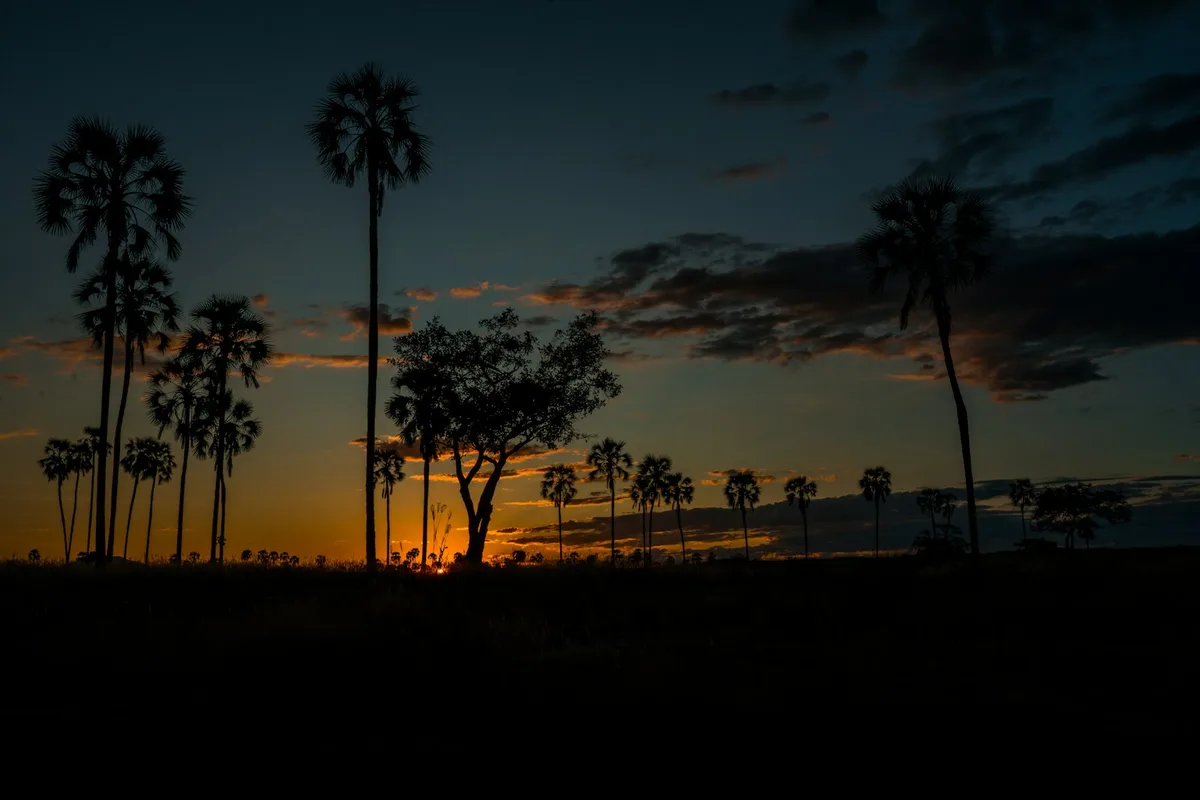
One of Tanzania's largest national parks, a remote stretch of baobab-studded savanna along the Great Ruaha River with one of East Africa's largest elephant populations and far fewer visitors than the northern circuit.
Visitor guide
Ruaha National Park is a large protected area in central Tanzania, roughly 100 to 130 kilometres from the town of Iringa (TANAPA gives 108 km by road). Covering around 20,226 square kilometres according to Wikipedia, it takes its name from the Great Ruaha River and is known for its remote bush, baobab-studded landscape and wide range of wildlife.
The park was established in 1964 when the southern part of the Rungwa Game Reserve was given full national park status. Earlier, in 1910, the German colonial government had gazetted the Saba Game Reserve, which the British renamed Rungwa in 1946. In 2008 the Usangu Game Reserve and other wetlands were added, enlarging the park considerably. Ruaha forms part of the much bigger Rungwa-Kizigo-Muhesi ecosystem of roughly 45,000 square kilometres, which also includes several game reserves and a wildlife management area. It is managed by the Tanzania National Parks Authority and is IUCN Category II.
The Great Ruaha River runs along the park's southeastern edge and is the focus of game viewing, especially in the dry season when other water sources shrink. The dry season lasts from about June to October, with hot days reaching around 35 degrees Celsius and cooler nights. As vegetation thins out, animals concentrate along the river, making sightings easier.
Wikipedia lists the park as lying within the southern Acacia-Commiphora bushlands and thickets and the central Zambezian miombo woodlands. In practice this means a mix of open bush, baobabs, rocky hills and woodland, and the transition makes the park a meeting point for species from different regions. Both greater and lesser kudu live here, which is considered a notable draw for wildlife enthusiasts.
Other sources, including BirdLife and safari operator guides, describe a mix of flat savanna, miombo woodland, dry bush, swamps and riverine forest, with large numbers of baobab trees set against rocky escarpments and rolling hills. They note that the Great Ruaha River runs for about 130 kilometres along the park's southeastern boundary and is generally perennial, though in the driest months it can shrink to a chain of waterholes. Tributaries such as the Mwagusi, Jongomero and Mzombe are also named as important watercourses. Average annual rainfall is described as modest, making Ruaha one of the drier protected areas in the country, though figures differ between sources.
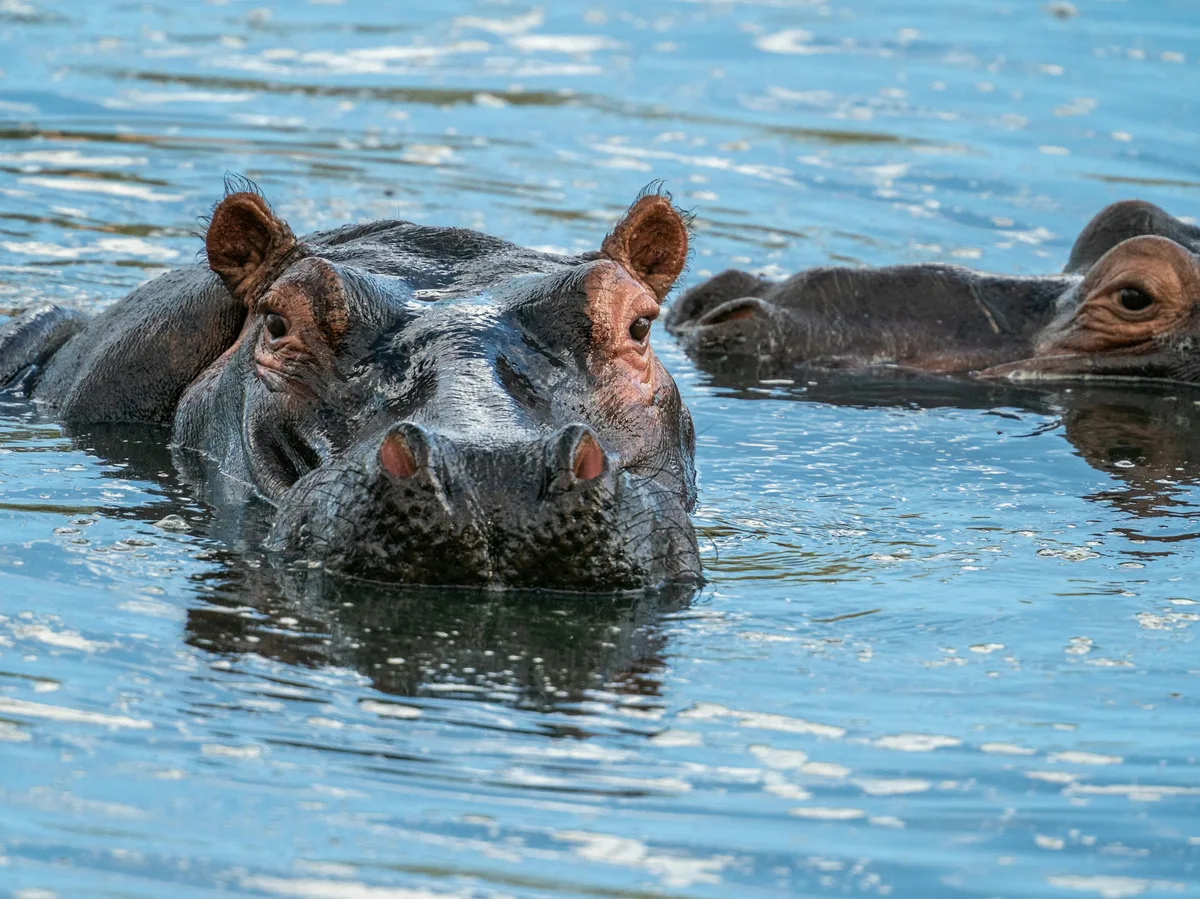
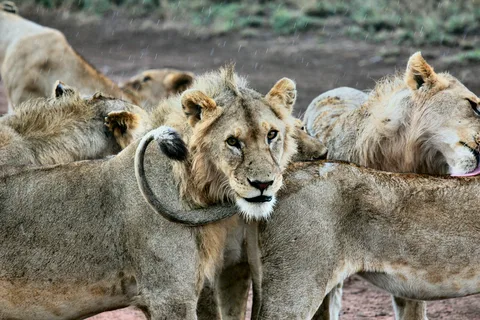
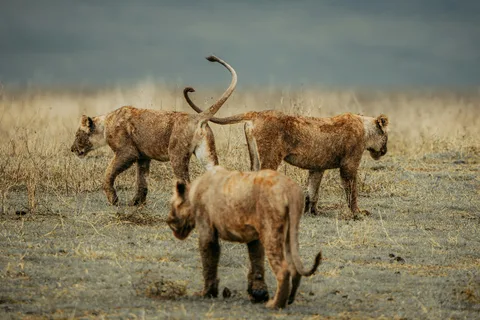
Ruaha has been recognised as a lion conservation unit since 2005. Other predators include leopards, cheetahs, spotted hyenas and African wild dogs. Herbivores include Masai giraffe, buffalo, hippo, and roan and sable antelope. The park was long known for its large elephant population: Wikipedia cites an estimate of around 34,000 elephants in the wider Ruaha-Rungwa ecosystem in 2009 and a lower aerial count in 2015, so numbers have varied and should be checked against recent surveys.
Birdlife is rich, with more than 570 species recorded, including hornbills and many migratory visitors.
Ruaha receives far fewer visitors than Tanzania's northern parks. Wikipedia reports about 21,000 visitors in 2012. Access is by a dirt road from Iringa or by light aircraft to airstrips such as Msembe near the park headquarters. Because the distances are long and the terrain remote, a private driver and guide who knows the area is a practical way to see it.
See every tour and attraction we cover in Tanzania.