TorontoOntario · 36 tours
 Niagara FallsOntario · 25 tours
 New York CityNew York · 30 tours
 Las VegasNevada · 8 tours
 San FranciscoCalifornia · 16 tours
 VancouverBritish Columbia · 17 tours
 DubaiUAE · 54 tours
 Abu DhabiUAE · 5 tours
 Buenos AiresArgentina · 23 tours
 AthensGreece · 31 tours
 AucklandNew Zealand · 38 tours
 CancunMexico · 54 tours
No destinations match “”. Try searching all tours instead — that search understands full questions, not just place names.
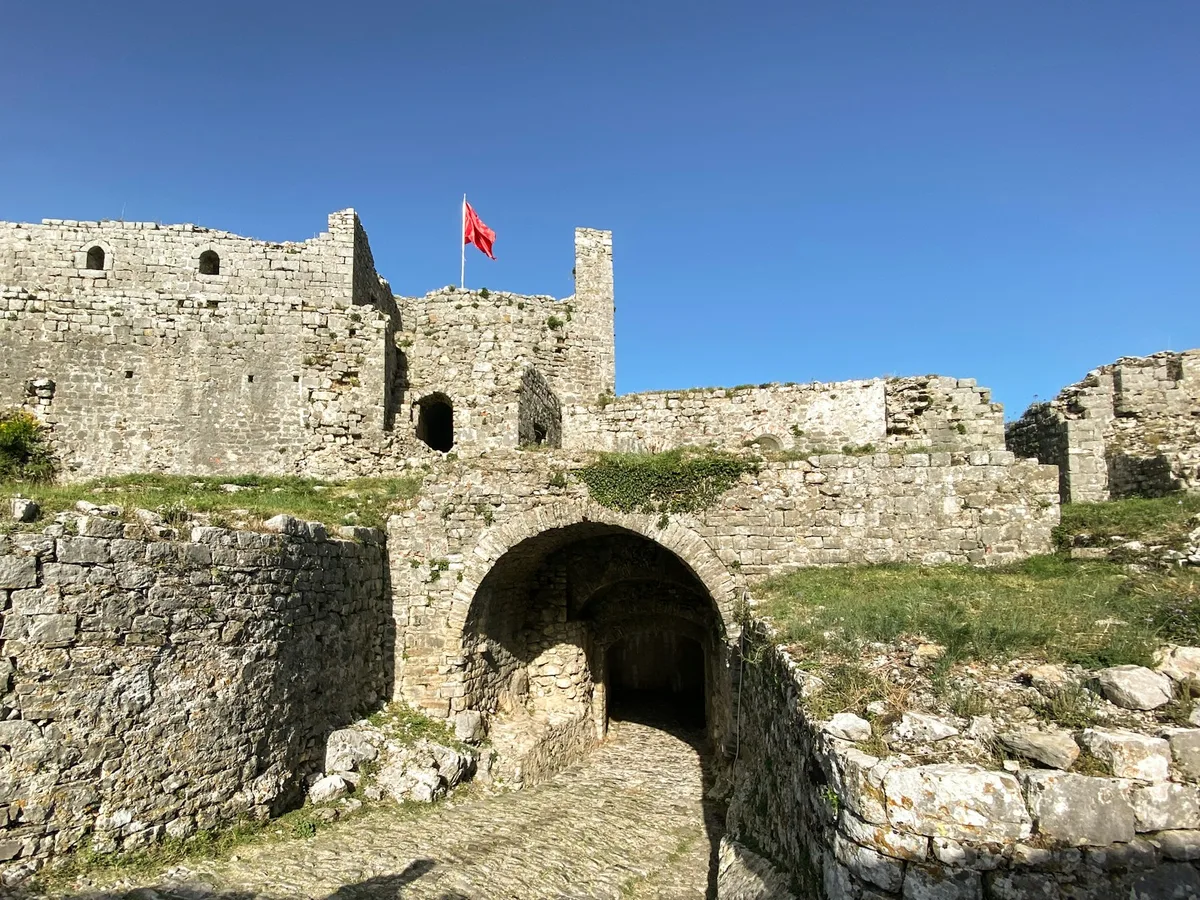
A hilltop fortress above Shkodër with roots going back to antiquity and rebuilt over centuries by Illyrians, Venetians and Ottomans, overlooking the confluence of three rivers.
 Multi-Day Tours
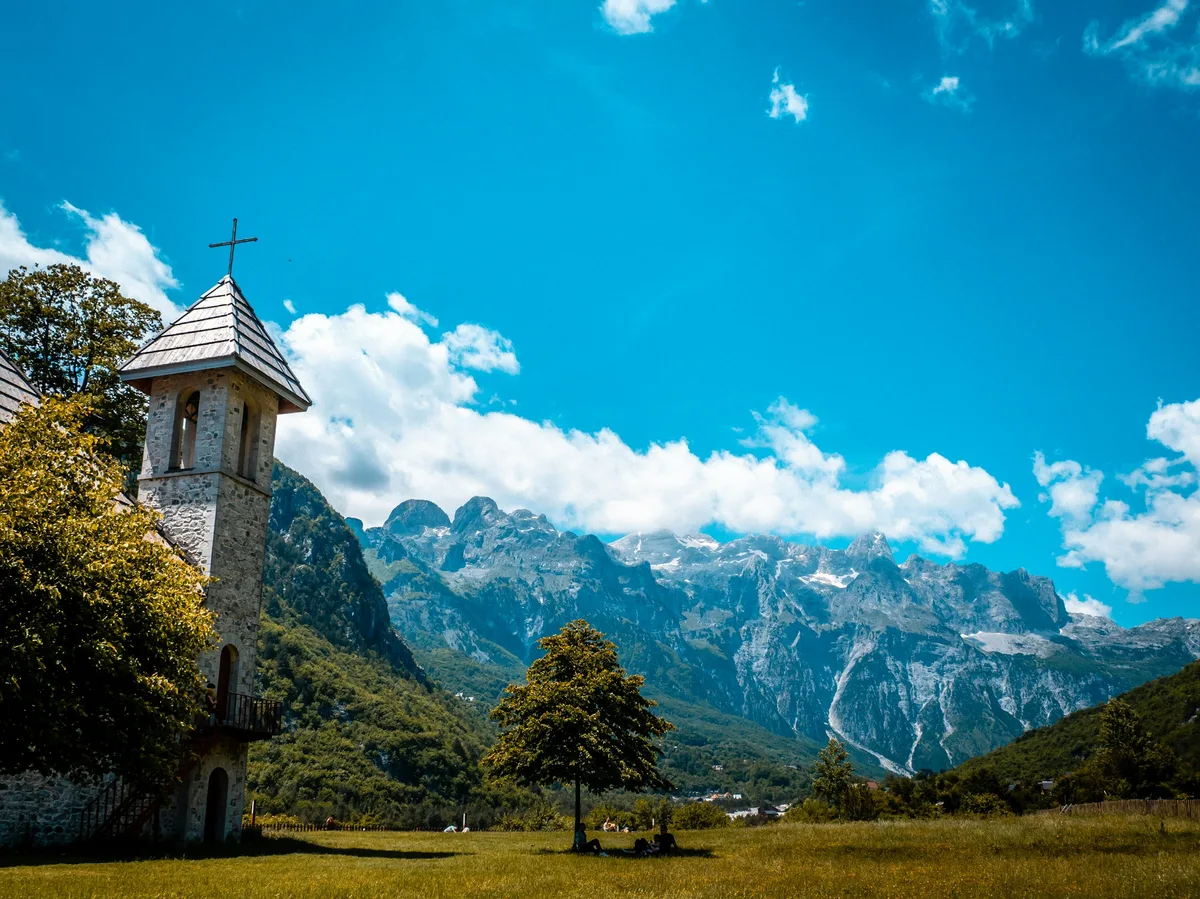
An 8-day private tour from Tirana through the Albanian Alps and Theth, with river kayaking, biking, wild swimming, and a boat cruise on Lake Komani.
 Multi-Day Tours
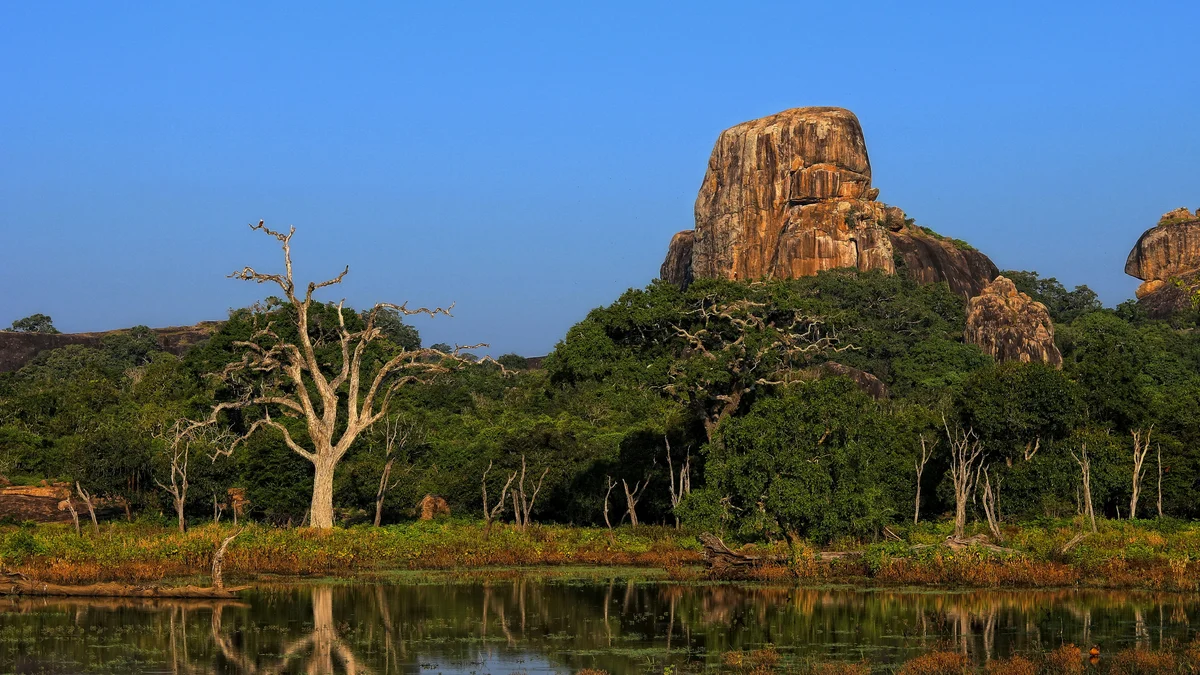
An 8-day private tour from Tirana through the Albanian Alps and Theth National Park, with cycling near Shkodra, a Lake Komani boat trip, and a cooking class.
 Multi-Day Tours
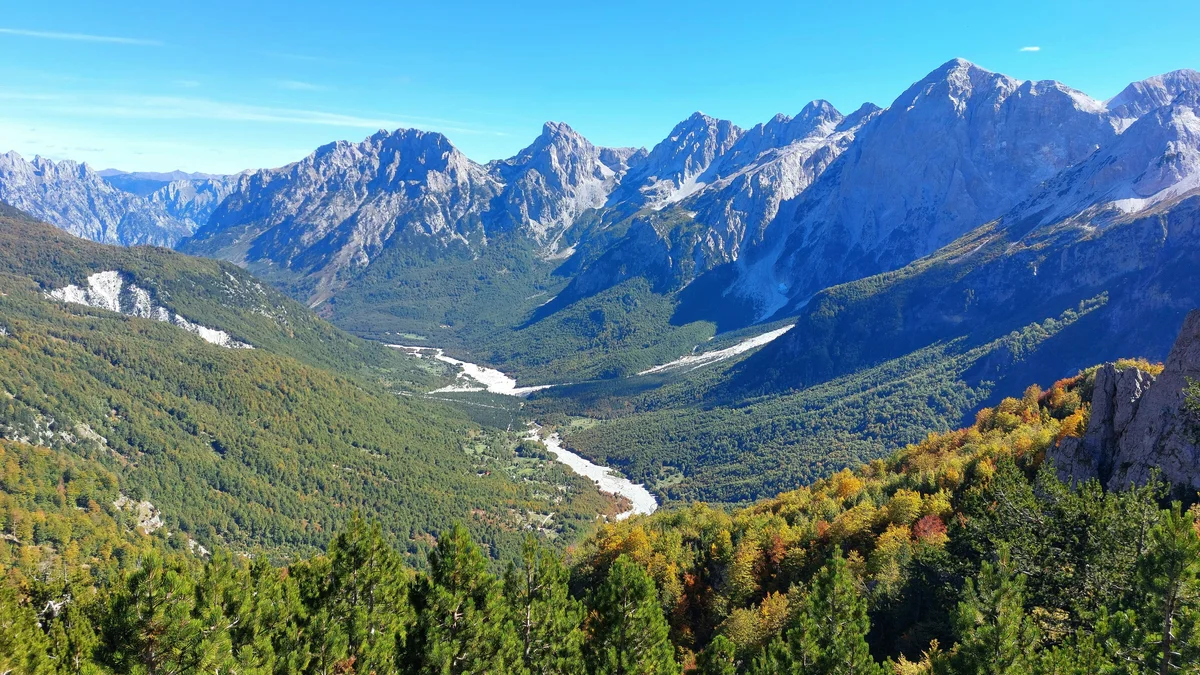
A 17-day private tour circling Albania end to end — Tirana, Shkodra and Lake Komani, Karavasta Lagoon, Berat, the Albanian Riviera, Saranda and Butrint, Gjirokastra, Korça, and Lake Ohrid's Albanian shore.
Visitor guide
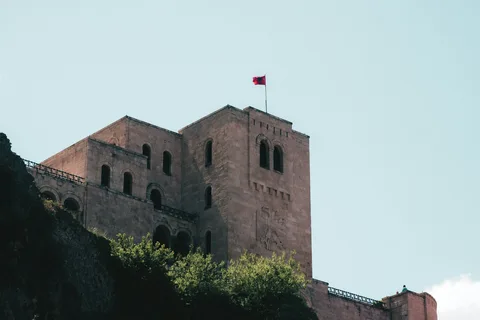
Rozafa Castle, also called Shkoder Castle, is a hilltop fortress in the city of Shkoder in northwestern Albania. It stands about 130 metres above sea level on a rocky hill, with the Buna and Drin rivers around it, and its walls record centuries of Illyrian, Roman, Venetian and Ottoman history. The castle and its surroundings form an Archaeological Park of Albania.
Wikipedia reports that the hill was settled from the Early Bronze Age and that the earliest fortification walls date to the 4th and 3rd centuries BCE, forming the citadel of the Illyrian city of Skodra. This was the capital of the Illyrian Labeatae, especially under King Gentius. When the Romans attacked in the Third Illyrian War, Gentius took refuge in Scodra but was forced to surrender, and the fall of the Illyrian kingdom in 168 BCE is recorded by Livy. Most of the walls visible today are of Venetian construction. The Venetians acquired Shkoder in 1396 after it was surrendered by the Balsha family as protection against the Ottomans.
The name Rozafa has several legendary explanations, but scholars link it to Resafa, the place associated with the death of Saint Sergius, a saint widely venerated in the Shkoder area.
The castle is best known for the siege of Shkoder in 1478 and 1479. Wikipedia says Mehmed II laid the siege in person, and that about ten heavy cannons were cast on site, firing stone balls as heavy as 380 kilograms, some of which are still on display in the castle museum. The defenders held out despite bombardment and famine, and an agreement in January 1479 ended the siege. The castle saw another siege in 1912 and 1913. Inside the walls are the ruins of a 13th-century Venetian Catholic church, considered by scholars to be the cathedral of St Stephen, which was converted into the Fatih Sultan Mehmet Mosque after the Ottoman capture.
A widely told Albanian legend is connected with the castle's construction. According to the story, three brothers built the walls by day, but the foundations collapsed each night. A wise old man told them the work would only last if the wife who brought them food the next day was walled up in the foundations. Two of the brothers warned their wives, so the youngest brother's wife, Rozafa, came with the food. She accepted her fate but asked that a hole be left for her right eye, hand, foot and breast, so she could still care for her infant son. This is a legend, not history. The story is attested as early as 1505 in a work by the Albanian humanist Marin Barleti, and similar tales are known across the Balkans, including a Serbian epic poem about the building of Skadar.
Local tradition holds that Rozafa's milk still flows in the walls, linked to milky sap from native plants and limestone deposits found inside the original Illyrian gateway. Wikipedia reports that local women have traditionally scraped these deposits for a folk remedy to increase milk supply.
Shkoder lies on a plain between Lake Shkoder and the foothills of the Albanian Alps, enclosed by the Kir to the east, the Drin to the south and the Buna to the west. The castle, in the south of the city, commands views across the rivers and lake. A private tour with a driver and guide helps visitors connect the layers of history and the legend while exploring the walls, and the castle is often combined with other Shkoder sights and the road to the Albanian Alps.
See every tour and attraction we cover in Albania.