TorontoOntario · 36 tours
 Niagara FallsOntario · 25 tours
 New York CityNew York · 30 tours
 Las VegasNevada · 8 tours
 San FranciscoCalifornia · 16 tours
 VancouverBritish Columbia · 17 tours
 DubaiUAE · 54 tours
 Abu DhabiUAE · 5 tours
 Buenos AiresArgentina · 23 tours
 AthensGreece · 31 tours
 AucklandNew Zealand · 38 tours
 CancunMexico · 54 tours
No destinations match “”. Try searching all tours instead — that search understands full questions, not just place names.
A preserved 19th-century rural PEI crossroads village, with a working farm, store, and church open to visitors.
Visitor guide
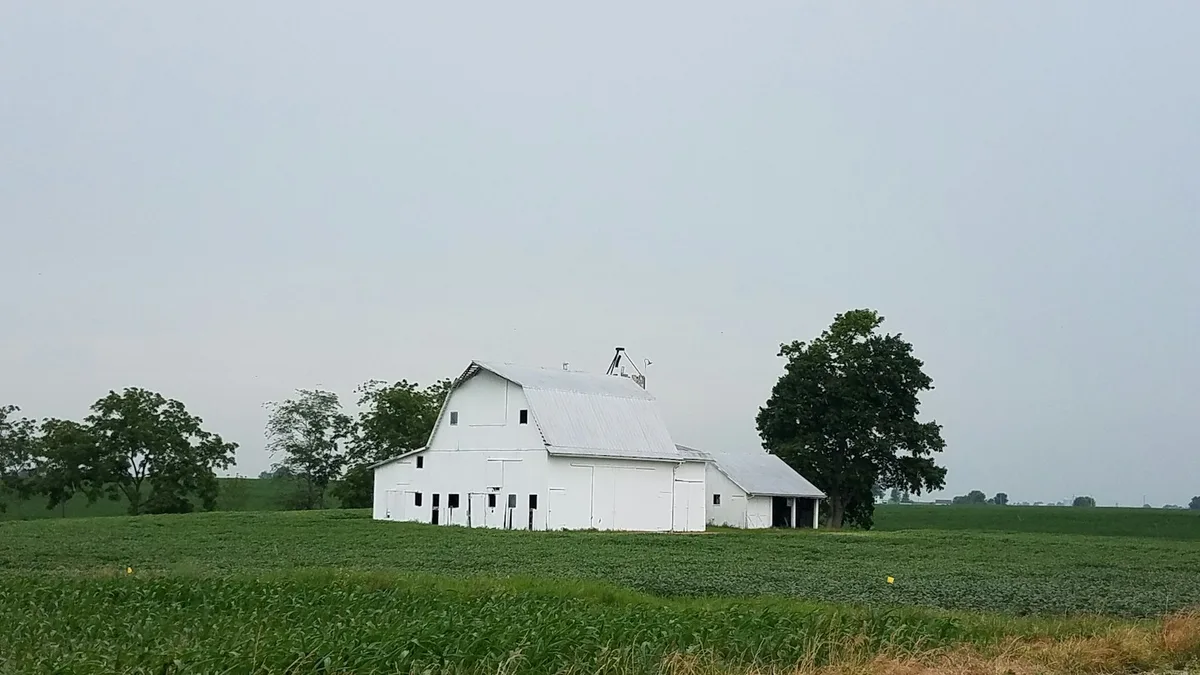
Orwell Corner Historic Village is a preserved rural crossroads in eastern Prince Edward Island, near Vernon Bridge, where an 1890s farming community is interpreted for visitors. It grew from a local effort to save an old church and its neighbours, and it is run today as part of the province's heritage system.
The site is built around the former D. E. Clarke store, house and barns, an 1861 church and an 1895 one-room school. The settlers in the area were pioneers from Scotland and Ireland. According to a local history account, Ruth (MacLeod) Van Iderstine pressed to save the church when its contents were sold, and the government also bought the old school and the Clarke property. Restoration began in 1970 and the village opened to the public on July 16, 1973. It is owned by the Province of Prince Edward Island and administered by the Prince Edward Island Museum and Heritage Foundation, working with a local corporation.
Orwell Church, formerly St. Andrew's, was built in 1861 and is described in the Canadian Register as a well-preserved example of an early Scottish Presbyterian Gothic Revival church, with strong vertical lines and pointed arches. It was built by Martin Martin of Grandview, with donated land, materials and labour. An adjacent cemetery dates to 1884, a transept was added in 1891 for a pump organ and choir, and early in the 1900s services were often conducted in Gaelic as well as English. The congregation joined the United Church of Canada in 1925 and the church was decommissioned in 1978 and leased to the province. The heritage designation covers the footprint and exterior, not the interior; it was formally recognized in 2005.
The village has a general store and post office, the Clarke house, a blacksmith shop, the schoolhouse, a church, an agricultural museum, and a working farm with animals, where period tools and methods are demonstrated. A tour listing mentions an 1864 farmhouse that served as post office, general store and dressmaker's shop, but I could not confirm the building date from an official source. Costumed interpreters and craftspeople demonstrate traditional skills, and the village is known for evening ceilidhs with fiddle music and step dancing. Programming, seasons, hours and admission change, so check the Museum and Heritage Foundation for the current schedule.
Allow unhurried time, since much of the value is in talking to the interpreters and watching the work. Wear sturdy shoes for farm paths, and bring a layer for the church, which was never built for winter comfort.
Orwell is in rural eastern Queens County, between Charlottetown and the ferry port of Wood Islands. On a Voyzo private tour, a private vehicle and driver can add the village to a drive across the east of the Island, with time for the rural scenery rather than a dash between stops.
See every tour and attraction we cover in Charlottetown.