TorontoOntario · 36 tours
 Niagara FallsOntario · 25 tours
 New York CityNew York · 30 tours
 Las VegasNevada · 8 tours
 San FranciscoCalifornia · 16 tours
 VancouverBritish Columbia · 17 tours
 DubaiUAE · 54 tours
 Abu DhabiUAE · 5 tours
 Buenos AiresArgentina · 23 tours
 AthensGreece · 31 tours
 AucklandNew Zealand · 38 tours
 CancunMexico · 54 tours
No destinations match “”. Try searching all tours instead — that search understands full questions, not just place names.
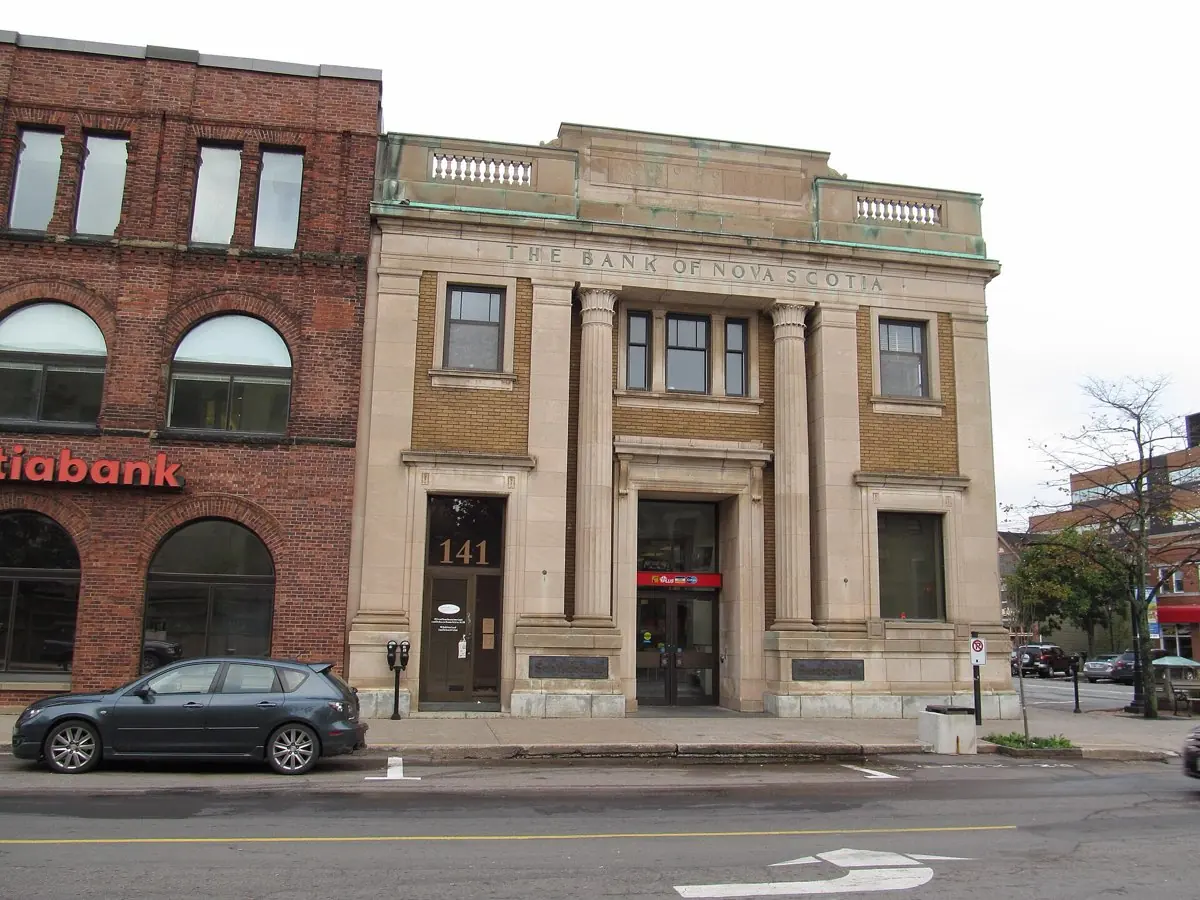
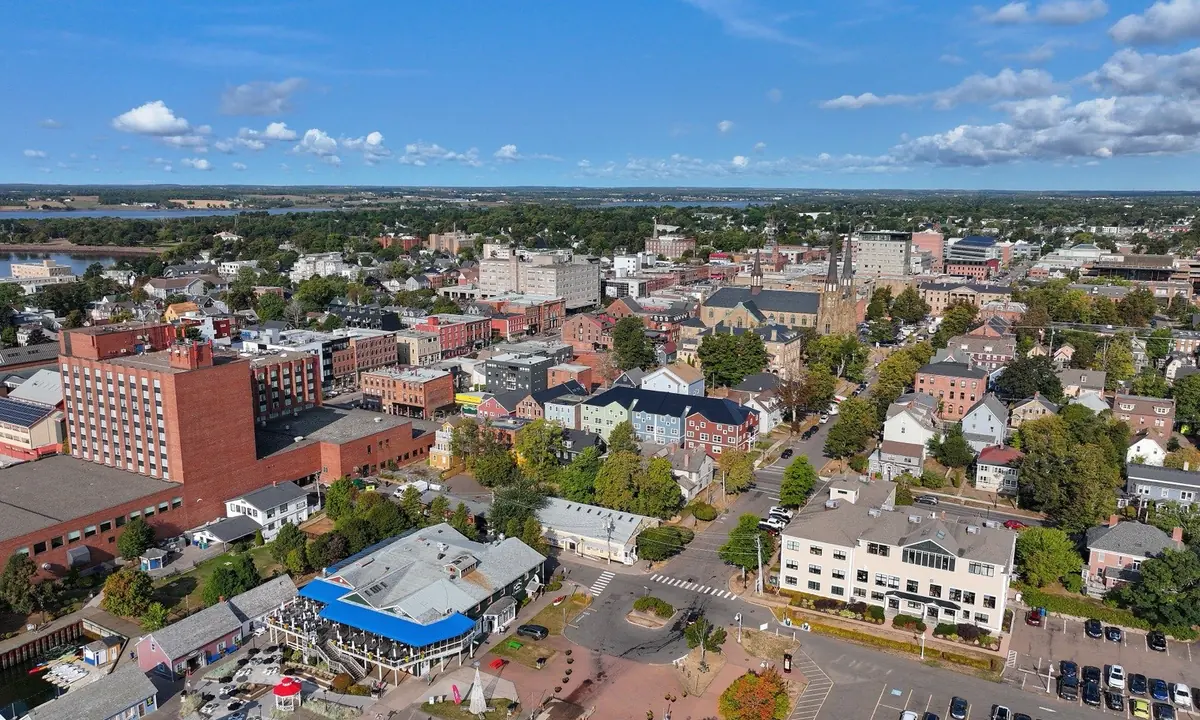
PEI's small, walkable capital, built around 19th-century colonial architecture.
Visitor guide
Charlottetown's historic downtown is a compact, walkable grid between Province House and the harbour, laid out in the 18th century and filled with Victorian buildings. It is the capital of Prince Edward Island, and it uses the motto Cunabula Foederis, 'Birthplace of Confederation'.
The harbour was first settled by the French, who founded Port-la-Joye on its southwestern side in 1720 with colonists brought from Louisbourg. A British fleet seized the settlement and the island in August 1758. In 1764 Captain Samuel Holland, the Surveyor-General, recommended the site as the colony's capital and suggested the name Charlotte Town for Queen Charlotte, wife of George III, according to the City of Charlottetown; sources differ on when it formally became the capital. Wikipedia says surveys between 1768 and 1771 laid out the street grid and public squares of the historic core. The City of Charlottetown says Holland asked Charles Morris to lay out a plan in 1768 and that Thomas Wright expanded it three years later into the 500-lot layout with a central square and four green squares.
The young capital had a rough early history. Wikipedia reports that Massachusetts-based privateers raided it on November 17, 1775, and carried off the colonial seal. In 1798 the island, then called St. John's Island, was renamed Prince Edward Island. Charlottetown was incorporated as a city on April 17, 1855, when it had about 6,500 residents, and its 2021 census population was 38,809. Shipbuilding and lumber shaped its 19th-century economy, and the harbour, formed by three rivers, opens onto the Northumberland Strait.
In early September 1864 delegates from the Maritime colonies and the Province of Canada met here at the Charlottetown Conference, held mainly at Province House. The Maritime colonies had planned to discuss a regional union, but the Province of Canada asked to take part, which widened the agenda. Delegates included John A. Macdonald, George-Étienne Cartier, George Brown and Charles Tupper. Wikipedia notes that no formal transcript of the talks exists, so historians rely on delegates' letters, and that a circus in town competed for the public's attention and made lodging scarce. The delegates agreed to meet again, in Halifax and then at the Quebec Conference in October 1864, and Canada was founded on July 1, 1867. Prince Edward Island itself joined in 1873.
Parks Canada says the Fathers of Confederation came ashore at Peake's Quay at the foot of Great George Street on August 31 and September 1, 1864, and that the view up the street still holds many elements the delegates would have seen. Wikipedia sources give the steamship's name as either SS Victoria or Queen Victoria.
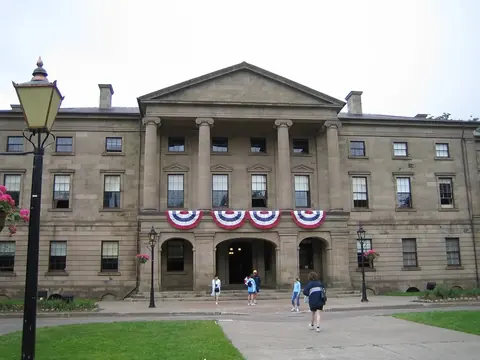
Province House, at the top of Great George Street, was designed by the Yorkshire-born self-taught architect Isaac Smith in Greek and Roman Revival style. Its cornerstone was laid in May 1843 and it opened in January 1847, and the Island legislature has met there since. It was designated a National Historic Site of Canada in 1966. Parks Canada restored part of the building to its 1864 appearance between 1979 and 1983, including the Confederation Chamber where the conference met. Check Parks Canada for current access, because conservation work has affected visiting.
Great George Street is designated a National Historic Site, described by Parks Canada as six blocks rising from the waterfront to Province House, valued for its Confederation associations and for domestic architecture much of it from the Confederation era; Parks Canada's directory gives its designation as 1990. Victoria Row on Richmond Street faces the Confederation Centre of the Arts, and CBC reports a fire in 1884 destroyed its wooden streetscape, after which it was rebuilt in brick. It is now largely pedestrian and holds shops and restaurants. St. Dunstan's Basilica on Great George Street is a French Gothic building; Wikipedia says the present church dates to 1913 to 1919 after a fire in 1913, and it became a minor basilica in 1929.
The Confederation Centre of the Arts opened in 1964 as a national memorial to the Fathers of Confederation, marking the conference's centennial, and houses a gallery, a library and the theatre that hosts the Charlottetown Festival. Founders' Hall, a former railway maintenance building, now hosts an exhibit on Canada's development. After CN ended rail service in 1989 the waterfront was redeveloped into parks and trails; the Confederation Landing Park section was completed in 1995 on a former tank farm, according to a heritage summary.
Because the grid is small, most sights are within a few minutes' walk of one another. Opening hours, tours and closures change seasonally, so check the individual sites.
A private driver can pick you up from your hotel or cruise ship and drop you at the top of Great George Street, so you can walk downhill to the waterfront.
See every tour and attraction we cover in Charlottetown.