TorontoOntario · 36 tours
 Niagara FallsOntario · 25 tours
 New York CityNew York · 30 tours
 Las VegasNevada · 8 tours
 San FranciscoCalifornia · 16 tours
 VancouverBritish Columbia · 17 tours
 DubaiUAE · 54 tours
 Abu DhabiUAE · 5 tours
 Buenos AiresArgentina · 23 tours
 AthensGreece · 31 tours
 AucklandNew Zealand · 38 tours
 CancunMexico · 54 tours
No destinations match “”. Try searching all tours instead — that search understands full questions, not just place names.
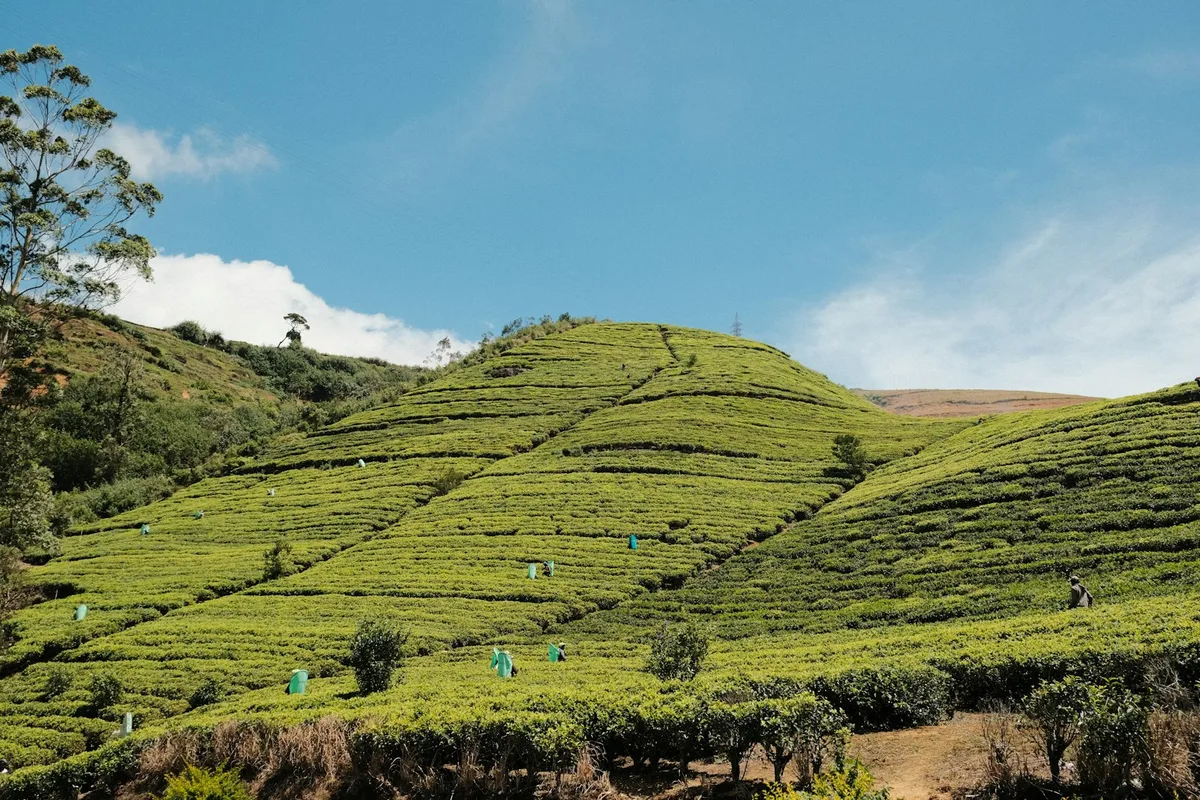
Rolling hill-country tea estates around 1,800 metres above sea level, where Sri Lanka's Ceylon tea is still hand-picked and processed much as it was under British colonial planters.
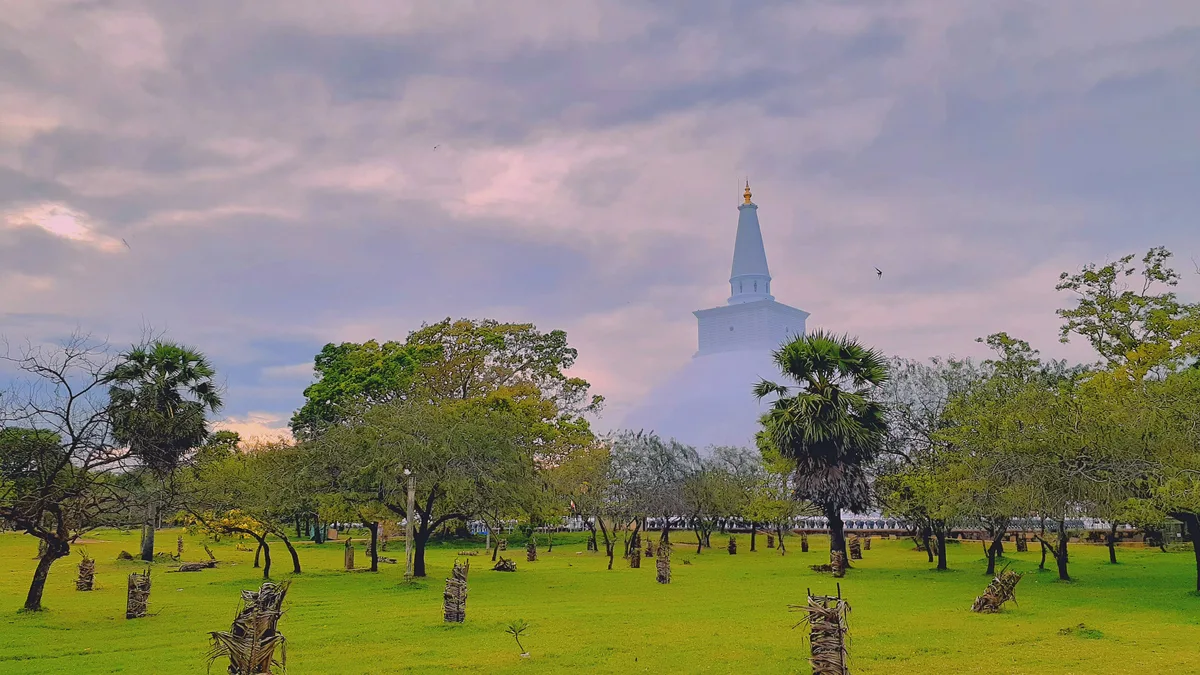 Multi-Day Tours Popular Pick
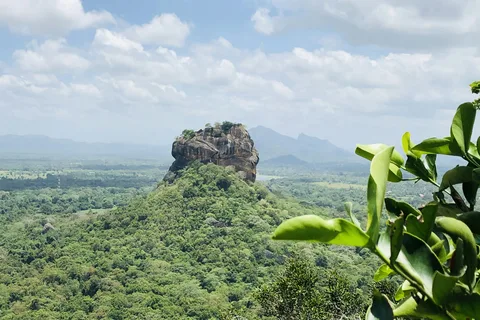
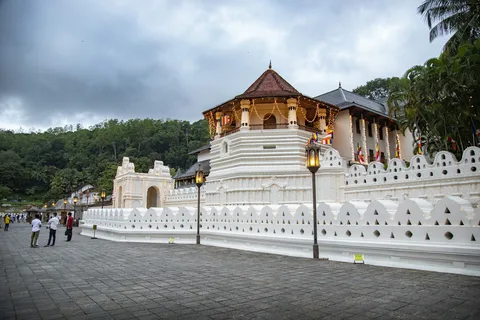
A 6-day private circuit through Sri Lanka's ancient sites and hill country — Anuradhapura, Trincomalee, Sigiriya, and Kandy to Nuwara Eliya — with your own driver and hotels arranged throughout.
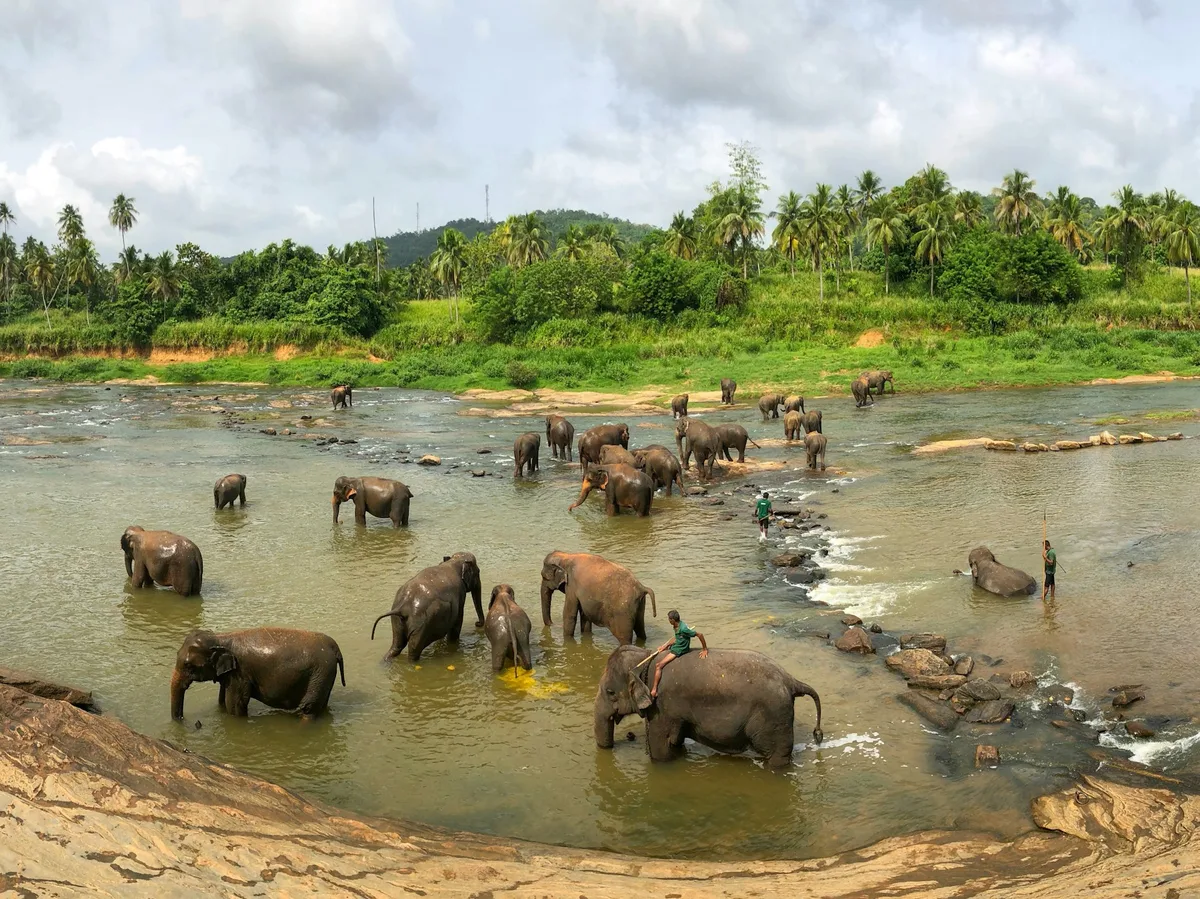 Multi-Day Tours Popular Pick
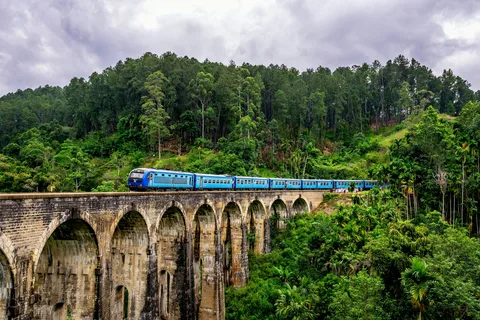
Voyzo's most complete Sri Lanka itinerary — 8 days from Negombo's beaches to the Pinnawala Elephant Orphanage, Sigiriya, a Habarana safari, Kandy, Nuwara Eliya's tea country, and Ella's Nine Arch Bridge.
Visitor guide
Nuwara Eliya is a hill-country city in Sri Lanka's Central Province, at about 1,868 metres above sea level, and is considered the most important centre for tea production in the country according to Wikipedia. The tea plantations and factories around the city give visitors a view of how the high-grown tea of the Central Highlands is grown and made.
Wikipedia's article on tea production in Sri Lanka says tea planting was introduced in 1867 by James Taylor, a British planter. The industry grew rapidly after coffee leaf rust devastated the island's coffee plantations in 1869. Today Sri Lanka produces mainly orthodox black teas, and is the world's fourth-largest tea producer. The Sri Lanka Tea Board owns the lion logo that certifies pure Ceylon tea packed in Sri Lanka.
Wikipedia says the explorer Samuel Baker founded Nuwara Eliya in 1846 and that its climate made it a retreat for British civil servants and planters. Because of its English-like setting it became known as Little England. Colonial-era buildings survive, including Queen's Cottage, the General's House, the Grand Hotel, the Hill Club and the Town Post Office.
The city has a subtropical highland climate with a mean annual temperature of about 16 degrees Celsius, making it the coolest area in Sri Lanka, and frost can form at night in winter. Pidurutalagala, the tallest mountain in Sri Lanka, overlooks the city. Surrounding terraces grow potatoes, carrots, leeks, fruit and roses, with tea bushes on the steeper slopes. Wikipedia describes the central highlands as having the humidity, cool temperatures and rainfall that favour high-quality tea, and notes buyers worldwide for Nuwara Eliya's specialty high-country teas.
Several tea factories around the city offer guided tours and tastings. Nearby are Lake Gregory, Victoria Park, known for birdwatching, and Lovers Leap, a waterfall about 30 metres high among tea plantations. Horton Plains National Park, with the World's End viewpoint overlooking a drop of about 1,050 metres, is also within reach, and early mornings are recommended before mist covers the view.
The Tea Research Ordinance of 1925 created the Tea Research Institute, which Wikipedia describes as the only national body that generates and disseminates new tea research and technology. International certifiers operating in Sri Lanka include Rainforest Alliance, Fairtrade and the Ethical Tea Partnership. Tea provides about 2 percent of national GDP according to the same article, and the industry employs over a million people directly or indirectly. Smallholder tea planting became popular in the 1970s and is the primary livelihood for tens of thousands of families.
Beyond tea, Nuwara Eliya has other sights. The Seetha Amman Temple, a Hindu temple on the road to Badulla, is tied by local folklore to the Ramayana. Holy Trinity Church on Church Road has an old graveyard where most headstones bear British names. The Nuwara Eliya Golf Club hosts tournaments in April, and the surrounding area grows flowers and vegetables in terraces beside the estates.
The city is especially lively in April during the Sinhalese and Tamil New Year, when many Sri Lankans holiday in the area and accommodation can be hard to find. Rain is heaviest in October and November. Roads wind steeply through the hills, so a private tour with a local driver is a comfortable way to reach the plantations and to arrange factory visits.
See every tour and attraction we cover in Sri Lanka.