TorontoOntario · 36 tours
 Niagara FallsOntario · 25 tours
 New York CityNew York · 30 tours
 Las VegasNevada · 8 tours
 San FranciscoCalifornia · 16 tours
 VancouverBritish Columbia · 17 tours
 DubaiUAE · 54 tours
 Abu DhabiUAE · 5 tours
 Buenos AiresArgentina · 23 tours
 AthensGreece · 31 tours
 AucklandNew Zealand · 38 tours
 CancunMexico · 54 tours
No destinations match “”. Try searching all tours instead — that search understands full questions, not just place names.
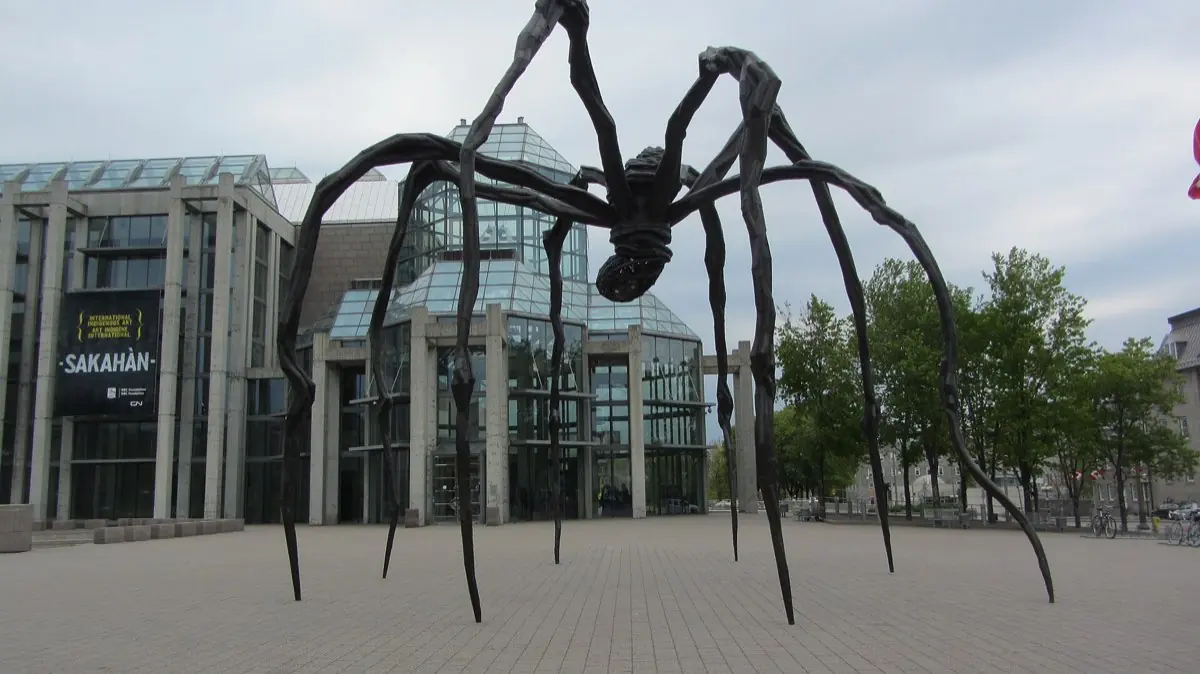
Canada's national art museum, instantly recognizable by the giant spider sculpture at its entrance.
Visitor guide
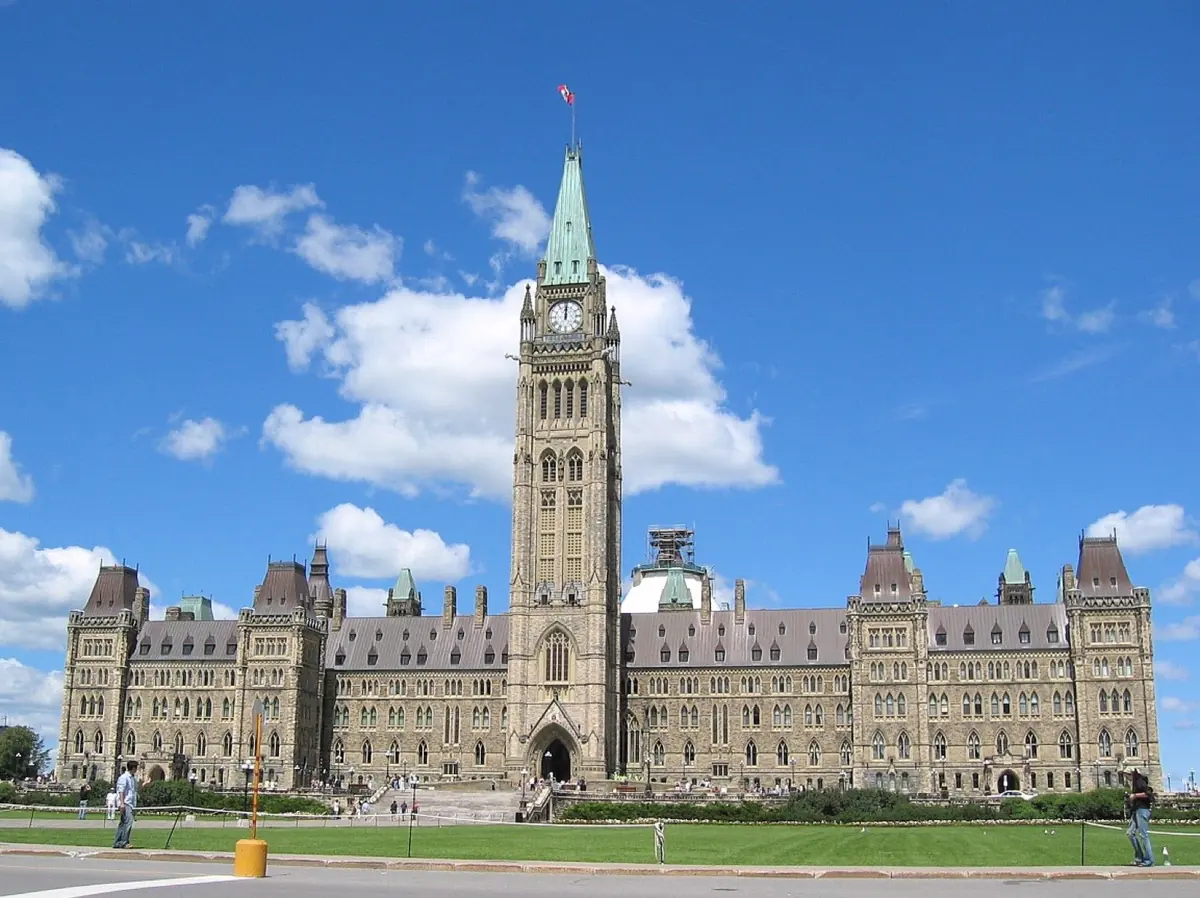
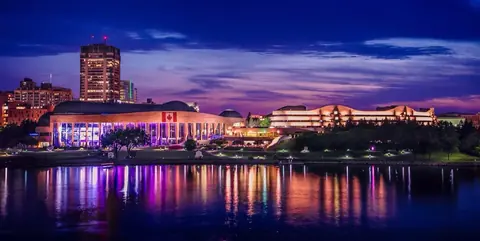
The National Gallery of Canada is the country's national art museum, housed since 1988 in a glass-and-granite building by architect Moshe Safdie at 380 Sussex Drive, with a view across to Parliament Hill. It concentrates on Canadian art, with Indigenous, European, American and Asian work alongside. Outside the entrance, Louise Bourgeois's giant spider sculpture Maman is the photo stop for most visitors.
The gallery was founded in 1880 by Governor General the Marquess of Lorne (the Duke of Argyll) alongside the Royal Canadian Academy of Arts. It then moved around Ottawa, occupying five different spaces before its current building, including the Supreme Court building and later the Victoria Memorial Museum. Construction of the current building began in December 1983, and it was completed in April 1988 and opened to the public that May. The gallery's building page puts the construction and landscaping cost at C$122 million.
Safdie's design has a long colonnade ramp rising from the pink-granite entrance lobby to the Great Hall, which sits under a three-storey glass cupola, and the southern glass wall was meant to evoke a cathedral. Notre-Dame Cathedral Basilica sits nearby, and the gallery's profile is often read as a response to the basilica and the Library of Parliament. The Taiga Garden, an interior courtyard by landscape architect Cornelia Oberlander, was inspired by A. Y. Jackson's painting Terre Sauvage. The total floor area is about 46,600 square metres, with about 12,400 square metres for exhibitions.
The gallery's collection numbers in the tens of thousands of works (its collecting-areas page cites more than 35,000, while other sources give higher totals depending on what is counted). Its Canadian holdings include major works by Tom Thomson and the Group of Seven, with Thomson's The Jack Pine entering the collection in 1918, and the gallery holds a large body of work by Alex Colville. The permanent Canadian and Indigenous Art galleries were reinstalled for Canada's 150th anniversary in 2017 after a C$7.4 million renovation. The gallery's own history with Indigenous art is mixed: the first Inuit works were acquired in 1956, but Indigenous art was only brought fully into the collecting mandate in the mid-1980s, and it was folded into the main Canadian galleries in a 2003 re-hang.
Maman, the bronze, stainless steel and marble spider with a sac of marble eggs, was made by Louise Bourgeois, who described it as an homage to her mother; sources give different acquisition years (1999 and the mid-2000s) and heights near nine metres, so those details are best left to the gallery. Inside, Barnett Newman's Voice of Fire was bought in 1990, a purchase that caused national controversy. The gallery also contains the reassembled interior of the Rideau Street Convent Chapel, designed by Georges Bouillon in 1887 to 1888 and saved in 1,123 pieces when the convent was demolished in 1972; it has been on display in the gallery since 1988.
Check gallery.ca for current exhibitions, hours, ticketing and any closures of galleries or the chapel before planning a visit. The plaza and Maman are outdoors and visible any time, and the ByWard Market is a few steps away.
The gallery sits near Notre-Dame Cathedral Basilica, Major's Hill Park and Parliament Hill. On a Voyzo private tour, the driver can pick you up at your door and drop you at the gallery entrance, then wait nearby so you can combine the gallery with the ByWard Market and Parliament Hill at your own pace.
See every tour and attraction we cover in Ottawa.