TorontoOntario · 36 tours
 Niagara FallsOntario · 25 tours
 New York CityNew York · 30 tours
 Las VegasNevada · 8 tours
 San FranciscoCalifornia · 16 tours
 VancouverBritish Columbia · 17 tours
 DubaiUAE · 54 tours
 Abu DhabiUAE · 5 tours
 Buenos AiresArgentina · 23 tours
 AthensGreece · 31 tours
 AucklandNew Zealand · 38 tours
 CancunMexico · 54 tours
No destinations match “”. Try searching all tours instead — that search understands full questions, not just place names.
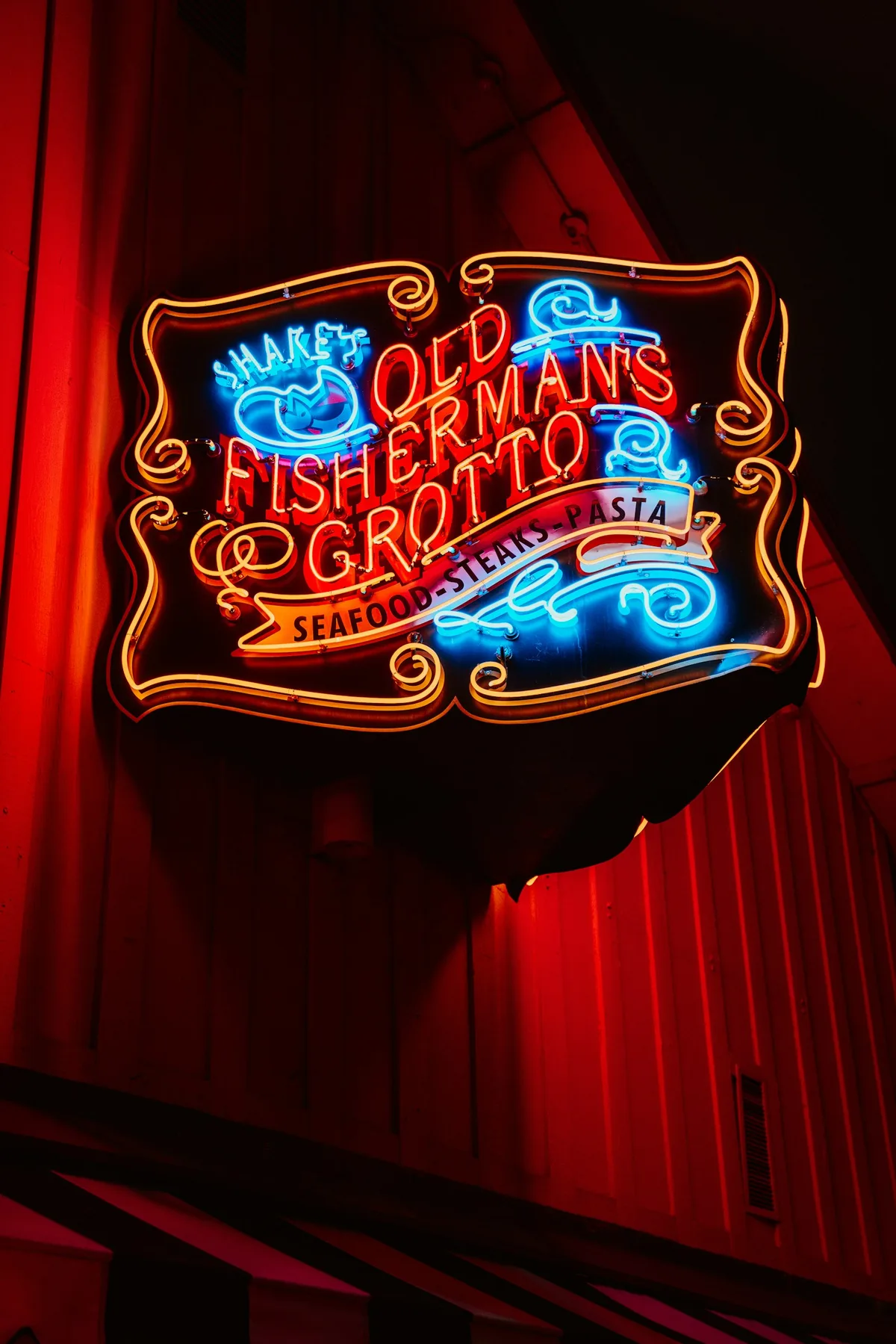
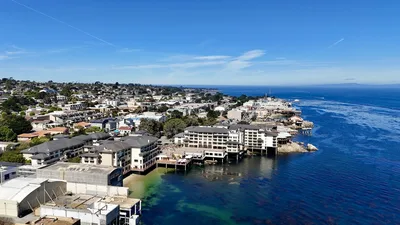
Monterey's historic working wharf, lined with seafood restaurants and shops, and a common departure point for whale-watching and fishing boats on the bay.
Visitor guide
Monterey's Old Fisherman's Wharf is a waterfront pier at the end of Alvarado Mall, beside Custom House Plaza, where fishing, whale watching, and bay cruises still launch from the same timbers that served the town's sardine and steamship eras. It is formally called the Old Fisherman's Wharf to distinguish it from Municipal Wharf No. 2, the working commercial pier next door.
The story starts in the Mexican era. Thomas Larkin built a wharf at the foot of the Custom House in about 1845 to handle passenger and freight traffic, though accounts differ slightly on dates. The next year, in 1846, American forces under Commodore John Drake Sloat landed in the harbor and raised the U.S. flag at the nearby Custom House, and the wharf was used by the Army and Navy. In 1870 the Pacific Coast Steamship Company built a pier about 400 feet long on the site to load and unload passengers and cargo.
The wharf also reflects the immigrant fishing communities that built Monterey. Chinese fishermen pioneered the squid fishery in the early 1850s, Portuguese whalers followed, Japanese divers and fishermen worked abalone and salmon from the 1890s, and Sicilian Italian fishermen focused on sardines. The city council assumed ownership in 1913 (some sources date the purchase to 1916), and by 1920 the pier held warehouses, nearly 20 fish businesses, a marine service station, a restaurant, and an abalone shell grinding business.
On March 3, 1923, bad weather pushed the steamer S.S. San Antonio against the wharf while a large sardine shipment was being loaded, and 132 feet of the pier collapsed. The rebuild added about 750 feet, and Municipal Wharf II followed in 1926. The sardine fishery crashed after World War II, and Old Fisherman's Wharf reoriented toward tourism, though it operated as an active wholesale fish market into the 1960s.
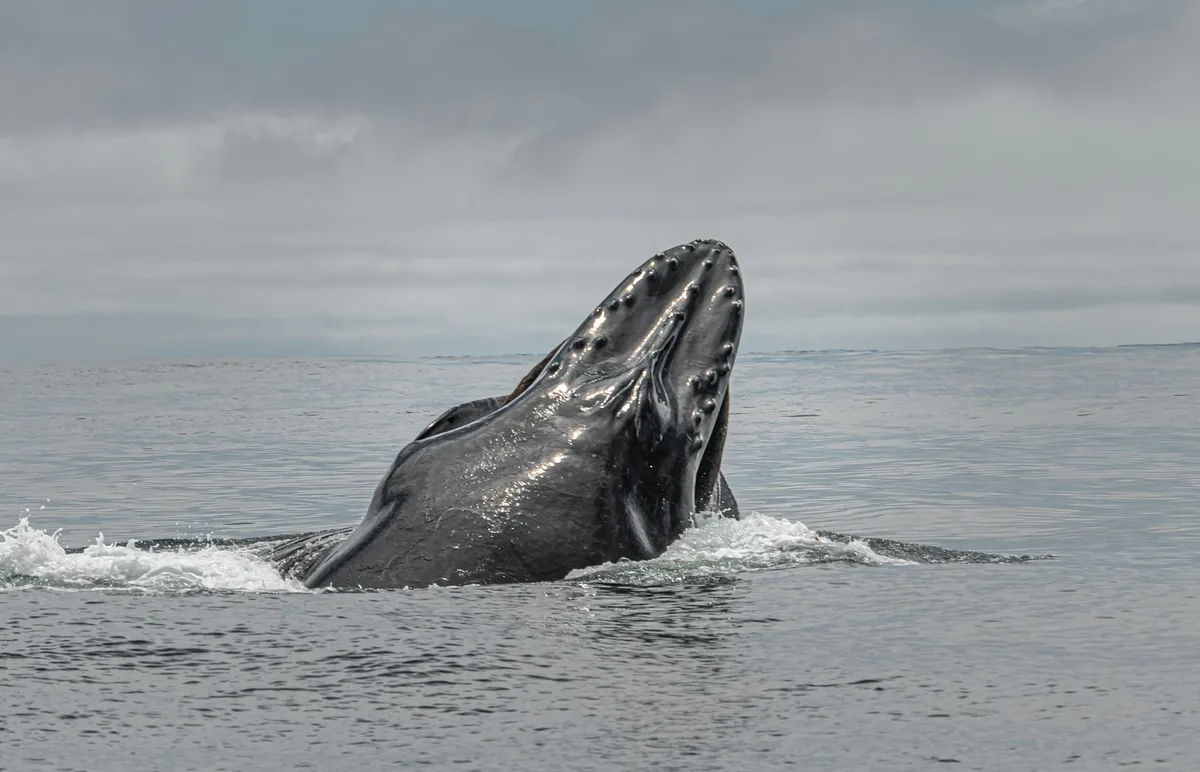
The wharf is almost entirely pedestrian and lined with seafood restaurants, gift shops, galleries, and candy shops. Several whale watching and fishing operators depart from here, and sea lions commonly rest on pilings, buoys, and moored boats, with sea otters often visible in the harbor. Look for marine wildlife from the rail rather than approaching or feeding animals.
The entrance at Custom House Plaza is the historical heart of Monterey. The Old Custom House, part of Monterey State Historic Park, is described as the oldest government building in California, and the Monterey Maritime Museum, and the last whalebone sidewalk in the United States, are close by. The wharf sits on the Monterey Bay Coastal Recreation Trail, which runs along the water to Cannery Row and Pacific Grove.
Parking in the waterfront core fills quickly, and a private vehicle and driver from Voyzo, with door-to-door pickup, lets your group be dropped at the foot of the wharf instead of circling for a space. Check each boat operator for current schedules, sailing conditions, and bookings, because these change with season and weather.
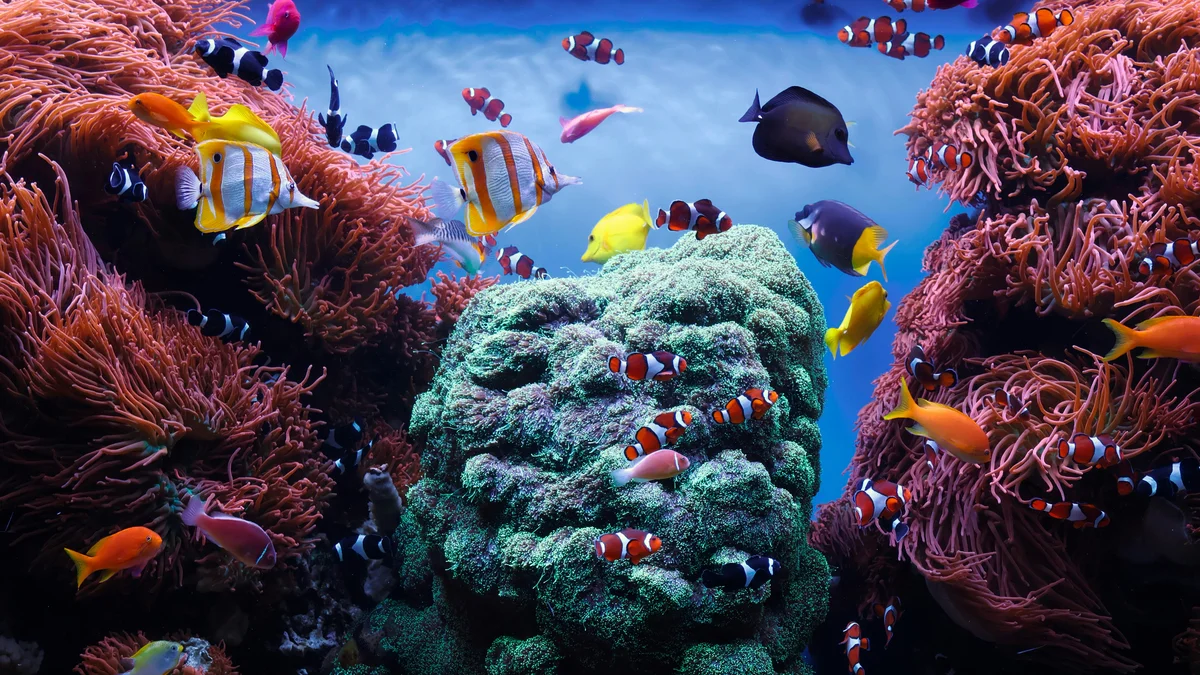
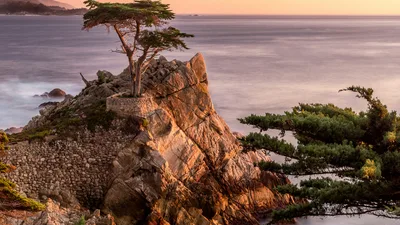
Cannery Row and the Monterey Bay Aquarium are a short walk or drive along the Coastal Recreation Trail, and the 17-Mile Drive begins in Pacific Grove a few minutes away. The Monterey Municipal Marina, dedicated in 1960, lies beside the wharf.
See every tour and attraction we cover in Monterey.