TorontoOntario · 36 tours
 Niagara FallsOntario · 25 tours
 New York CityNew York · 30 tours
 Las VegasNevada · 8 tours
 San FranciscoCalifornia · 16 tours
 VancouverBritish Columbia · 17 tours
 DubaiUAE · 54 tours
 Abu DhabiUAE · 5 tours
 Buenos AiresArgentina · 23 tours
 AthensGreece · 31 tours
 AucklandNew Zealand · 38 tours
 CancunMexico · 54 tours
No destinations match “”. Try searching all tours instead — that search understands full questions, not just place names.
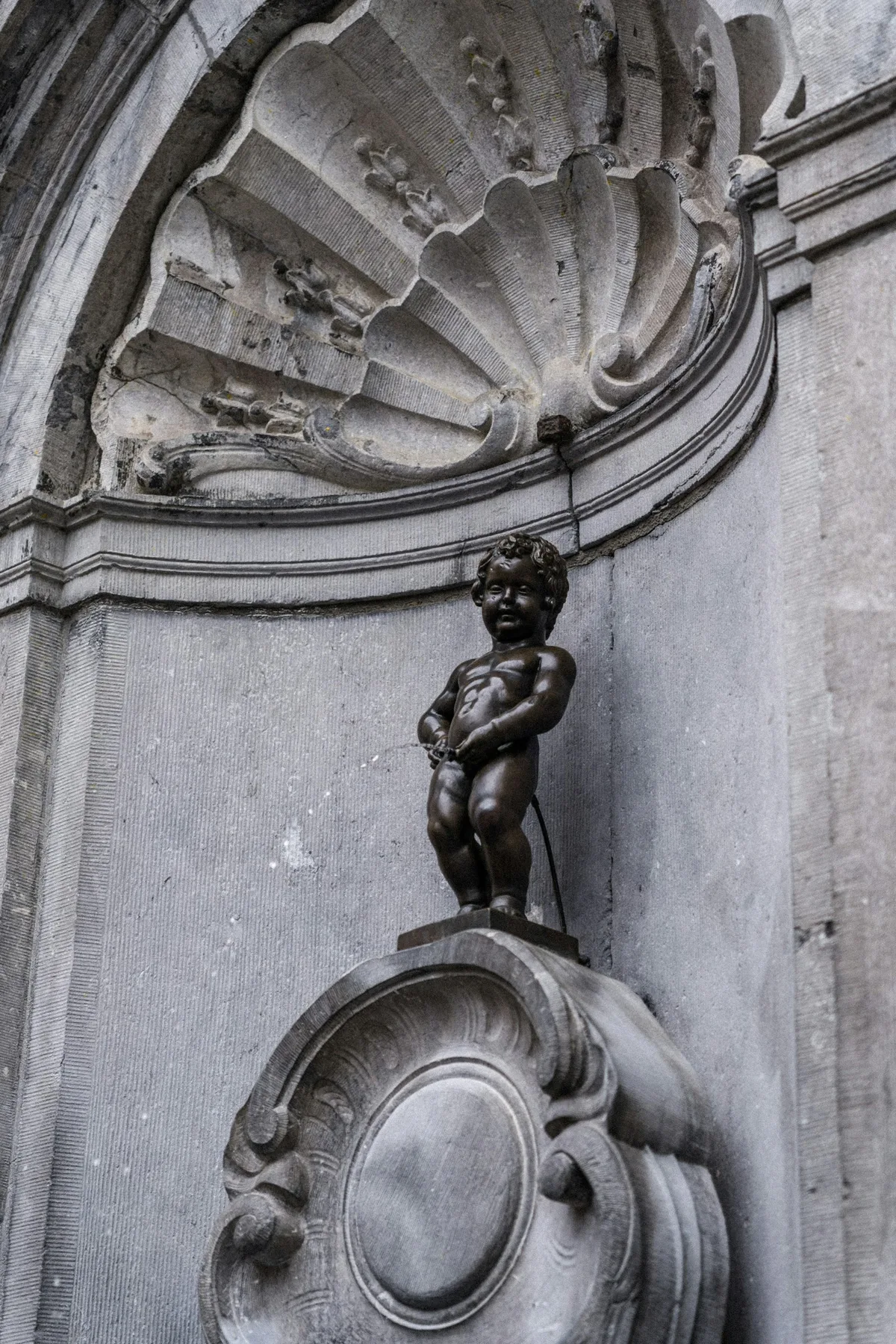
A small bronze fountain statue of a urinating boy, cast in the 17th century, that has become one of Brussels' best-known landmarks and is regularly dressed in costume.
Visitor guide
Manneken Pis is a small bronze fountain statue in central Brussels, Belgium, showing a nude boy urinating into a basin. Measuring about 55.5 centimetres, it is one of the city's best-known symbols and is famous for the large wardrobe of costumes it is dressed in.
According to Wikipedia, a statue stood on the site by the mid-15th century and is first documented in a 1451 to 1452 administrative record concerning the city's water lines. The bronze version was commissioned in 1619 by the Brussels City Council and designed by the Brabantine sculptor Jerome Duquesnoy the Elder. It was probably cast and installed in 1620, and the stone cutter Daniel Raessens remodelled the column and basin at that time. The blue stone rocaille niche dates from 1770.
Many stories explain the statue, and they should be read as legend rather than history. One says the infant Duke Godfrey III of Leuven urinated on enemy troops from a basket in an oak tree during the 1142 Battle of Ransbeek. Another tells of a boy who put out a burning fuse set to blow up the city walls, and others describe a lost child found in a small street or a boy who extinguished a fire at the king's castle. The nickname Petit Julien, or Julianske, belonged to a different, vanished fountain, which 19th-century historians confused with this one.
The statue has been stolen and damaged more than once. In 1817 a freed convict took it and broke it into eleven pieces, which were restored and recast in bronze. Antwerp students held it for five days in 1963 to raise funds for orphanages, and in 1965 it was broken and stolen again before divers recovered it from the Charleroi Canal in 1966. A replica has stood on the site since 1965, and the original is displayed in the Brussels City Museum.
A legend of 1745 claims that English soldiers took the statue to Geraardsbergen, and another says French grenadiers tried to steal it in 1747, after which King Louis XV gave it a gold-embroidered gown. Replicas and imitations exist across Belgium and abroad, and Geraardsbergen disputes Brussels' claim to be the oldest, citing its own statue from 1459.
The statue owns roughly 1,000 costumes, many of them national dress, trades, associations or pop-culture figures. The earliest recorded dressing dates to 1615, when it wore a shepherd's outfit for the Ommegang, and its first formal costume came in 1698 from Governor Maximilian II Emanuel of Bavaria. The Order of the Friends of Manneken Pis, founded in 1954, manages the wardrobe, and the 1,000th costume was designed by Jean-Paul Lespagnard in 2018. Since February 2017 the GardeRobe MannekenPis museum on the Rue du Chene has displayed the collection.
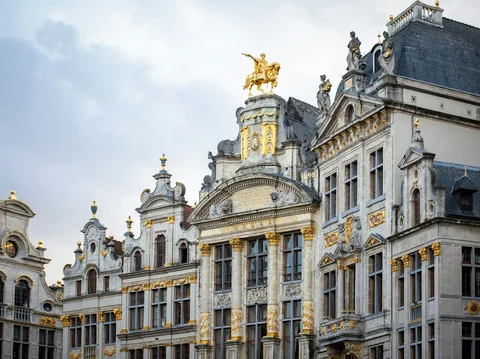
The statue survived the French bombardment of Brussels in 1695, although its water pipes were damaged, and it became a civic symbol from that period. It embodies belgitude, a self-deprecating Belgian identity, and zwanze, Brussels folk humour. It stands a short walk from the Grand-Place, so a private guided visit can combine the two in a single easy walk.
See every tour and attraction we cover in Belgium.