TorontoOntario · 36 tours
 Niagara FallsOntario · 25 tours
 New York CityNew York · 30 tours
 Las VegasNevada · 8 tours
 San FranciscoCalifornia · 16 tours
 VancouverBritish Columbia · 17 tours
 DubaiUAE · 54 tours
 Abu DhabiUAE · 5 tours
 Buenos AiresArgentina · 23 tours
 AthensGreece · 31 tours
 AucklandNew Zealand · 38 tours
 CancunMexico · 54 tours
No destinations match “”. Try searching all tours instead — that search understands full questions, not just place names.
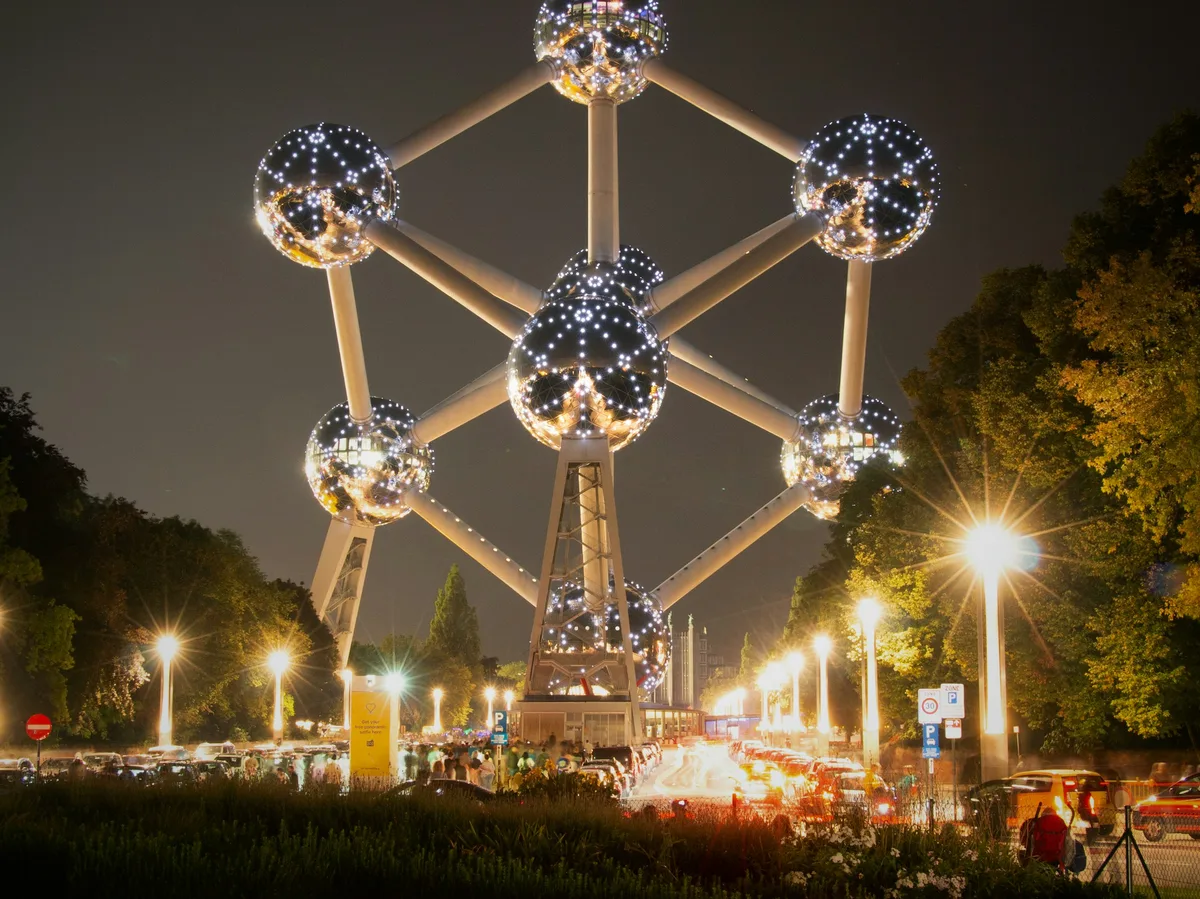
A 102-meter stainless-steel structure built for the 1958 World's Fair, shaped like an iron crystal magnified 165 billion times, with an observation deck and exhibitions inside its spheres.
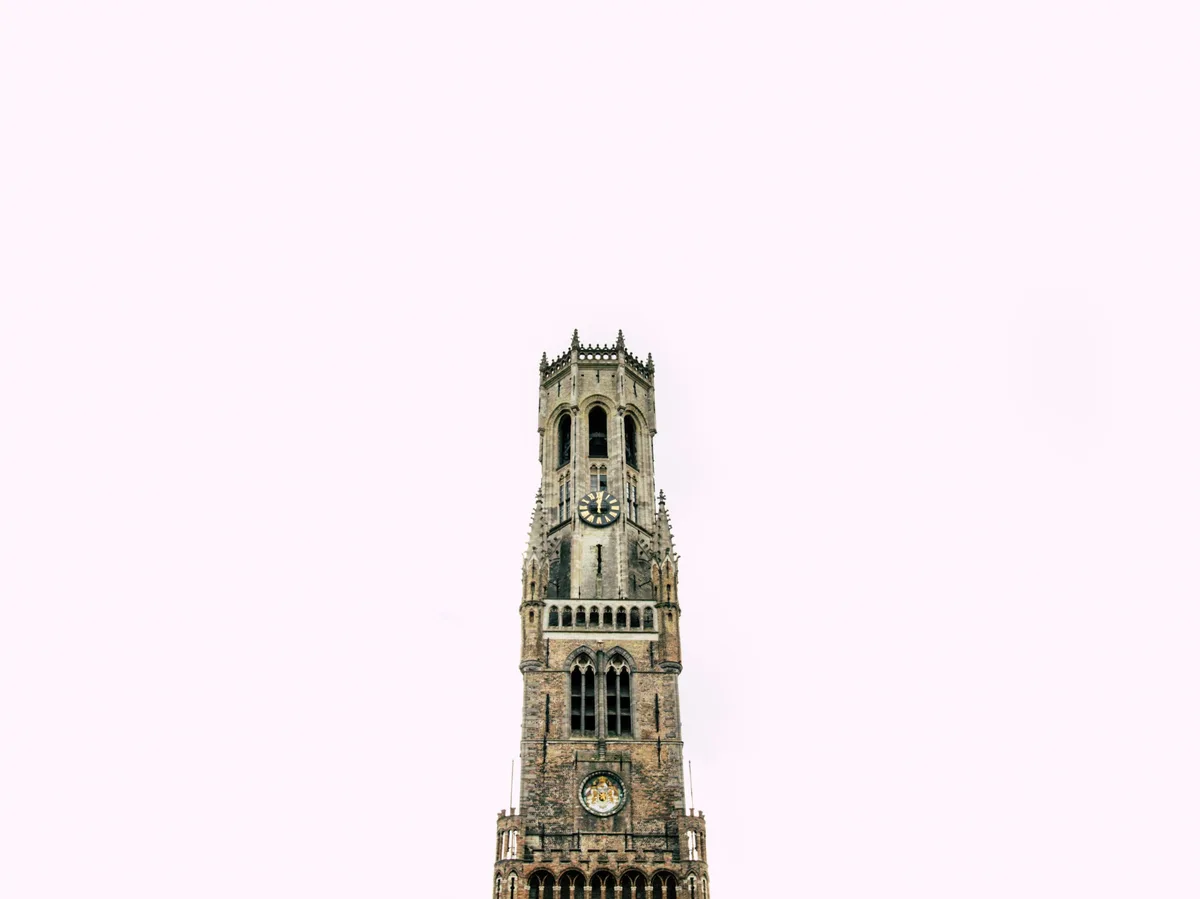 Multi-Day Tours Popular Pick
A 9-day private tour through Belgium's four great cities — Antwerp, Ghent, Bruges, and Brussels — built around guided walking and food tours, chocolate, and Flemish architecture, entirely within Belgium.
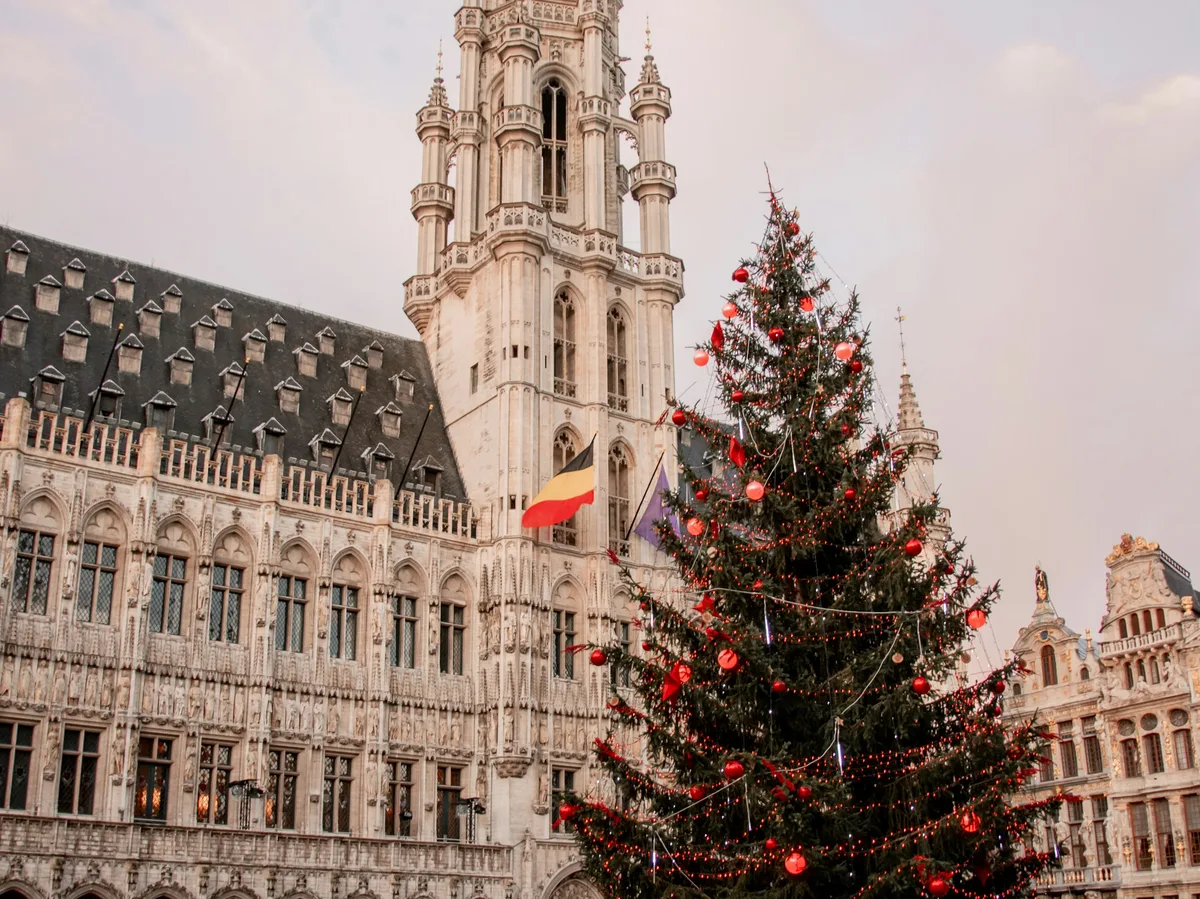 Multi-Day Tours
A 7-day private winter tour through Bruges, Ghent, and Brussels, timed to Belgium's Christmas markets — mulled wine, chocolate, ice skating, and Gothic squares lit up for the season.
Visitor guide
The Atomium is a landmark of about 102 metres on the Heysel Plateau in Laeken, in the northern part of the City of Brussels, Belgium. Built as the centrepiece of the 1958 Brussels World's Fair, it takes the form of nine stainless-steel spheres arranged as an iron crystal magnified about 165 billion times.
The Atomium was completed less than a month before Expo 58 opened on 17 April 1958. The fair ran until 19 October 1958 on the Heysel plateau, drew roughly 41.5 million visitors according to Wikipedia, and carried the theme of an evaluation of the world for a more humane world. That theme reflected faith in technical and scientific progress and postwar debate about the ethical use of atomic power, and the Atomium expressed it in steel.
The engineer Andre Waterkeyn proposed the project, and the architects Andre and Jean Polak developed its design. The structure represents a body-centred cubic unit cell of iron, with each sphere standing for an atom. It was meant to last only the six months of the exhibition, but it was never taken down and became a permanent symbol of the city.
The nine spheres are each 18 metres in diameter and are linked by tubes 3 metres across. Wikipedia gives the overall height as 102 metres in one article and 103 metres in another, so the figure is best treated as roughly 102 metres. The central tube contained what was then described as Europe's fastest lift, travelling at 5 metres per second.
Six of the nine spheres are open to the public. One hosts permanent exhibits on the 1950s and Expo 58, another temporary exhibitions, two are used for events, one is a children's sphere, and the top sphere has a restaurant with a panoramic view over Brussels.
Between 2004 and 2006 the Atomium was renovated by Jacques Delens and the contractor BESIX. The original aluminium cladding was replaced with stainless steel and a new reception pavilion was added. New LED lighting was tested in December 2005, interior lighting was designed by Ingo Maurer, and the building reopened in February 2006.
The Atomium stands on the Heysel, or Heizel, plateau, an area that Wikipedia says was developed as an exhibition location after Laeken was annexed by the City of Brussels in 1921. The 1935 World's Fair and the Jubilee Stadium were early developments, and Expo 58 added 58 buildings and the Atomium. Today the plateau also holds the Brussels Expo halls and the Bruparck leisure complex, which includes the miniature park Mini-Europe. The Atomium is served by Heysel station on line 6 of the Brussels Metro.
Seen from a distance the polished spheres reflect the sky and change with the weather, while up close the scale of the tubes and spheres becomes apparent. A private guided visit can combine the Atomium with other Brussels sights using a single vehicle and driver.
See every tour and attraction we cover in Belgium.