TorontoOntario · 36 tours
 Niagara FallsOntario · 25 tours
 New York CityNew York · 30 tours
 Las VegasNevada · 8 tours
 San FranciscoCalifornia · 16 tours
 VancouverBritish Columbia · 17 tours
 DubaiUAE · 54 tours
 Abu DhabiUAE · 5 tours
 Buenos AiresArgentina · 23 tours
 AthensGreece · 31 tours
 AucklandNew Zealand · 38 tours
 CancunMexico · 54 tours
No destinations match “”. Try searching all tours instead — that search understands full questions, not just place names.
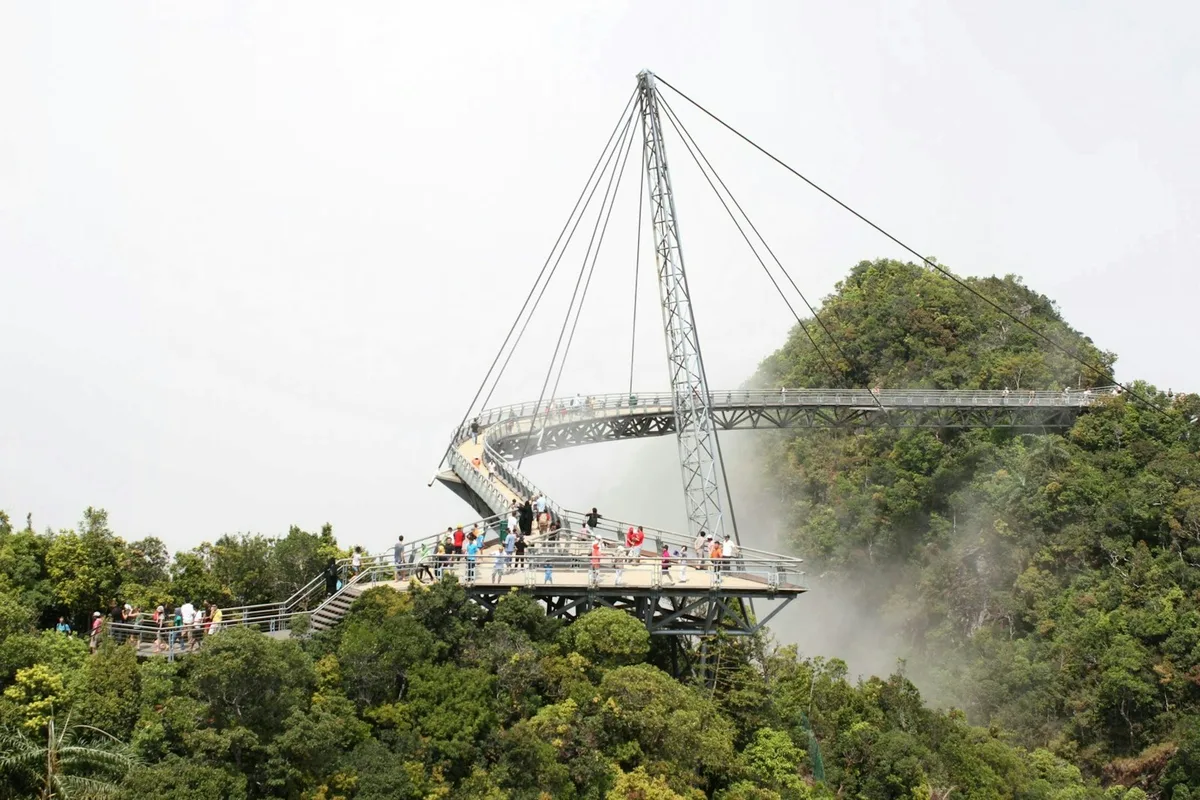
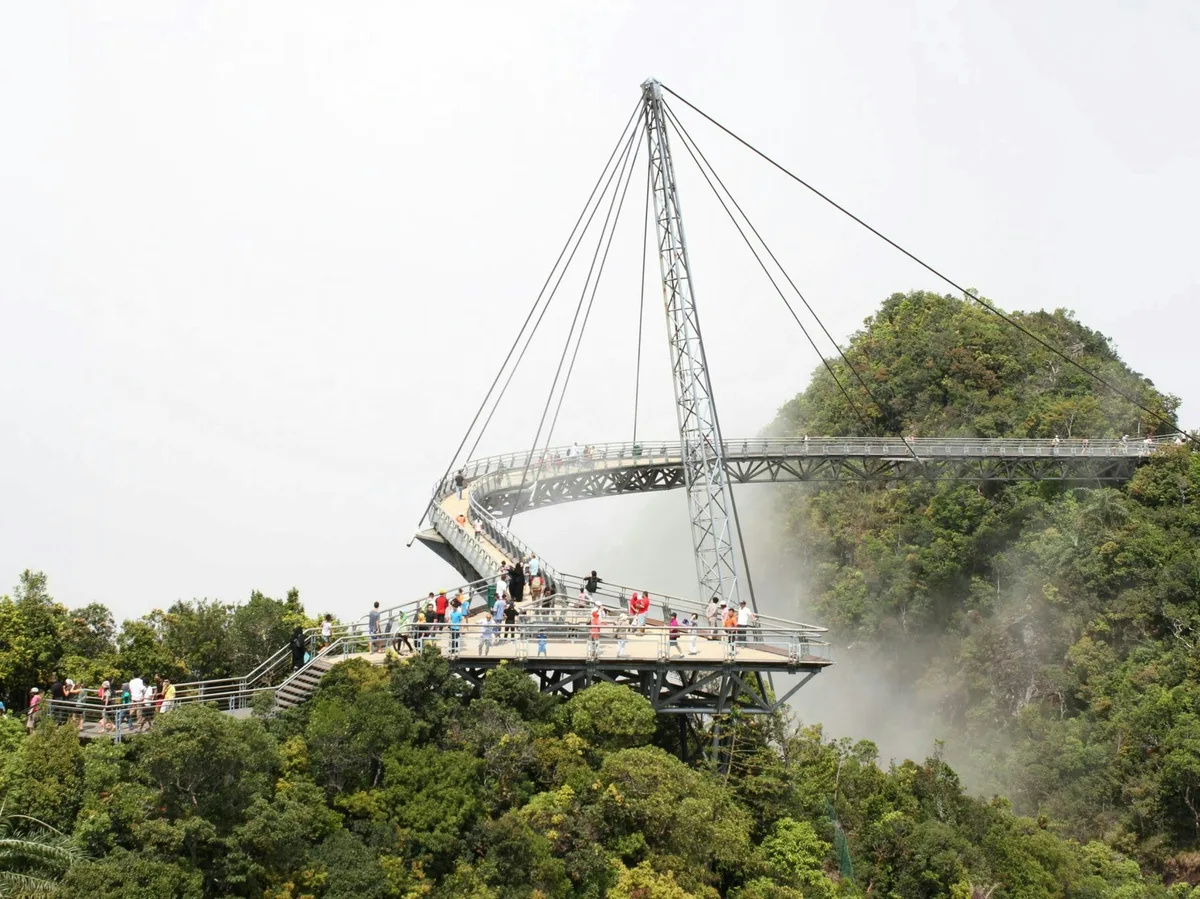
A 125-metre curved pedestrian cable-stayed bridge suspended roughly 700 metres above sea level on Langkawi's Gunung Mat Cincang, reached by cable car and offering views across the archipelago.
 Multi-Day Tours
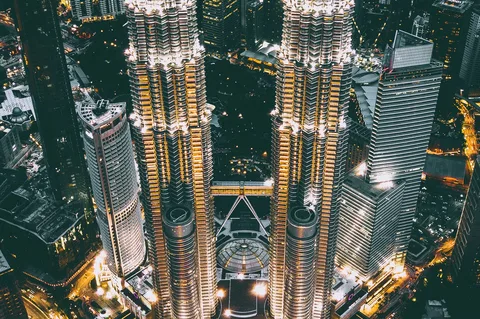
A 12-day luxury circuit from Kuala Lumpur's skyline and a Dinner in the Sky experience, through Ipoh's cave temples and Penang's colonial heritage, to four nights unwinding in Langkawi.
 Multi-Day Tours
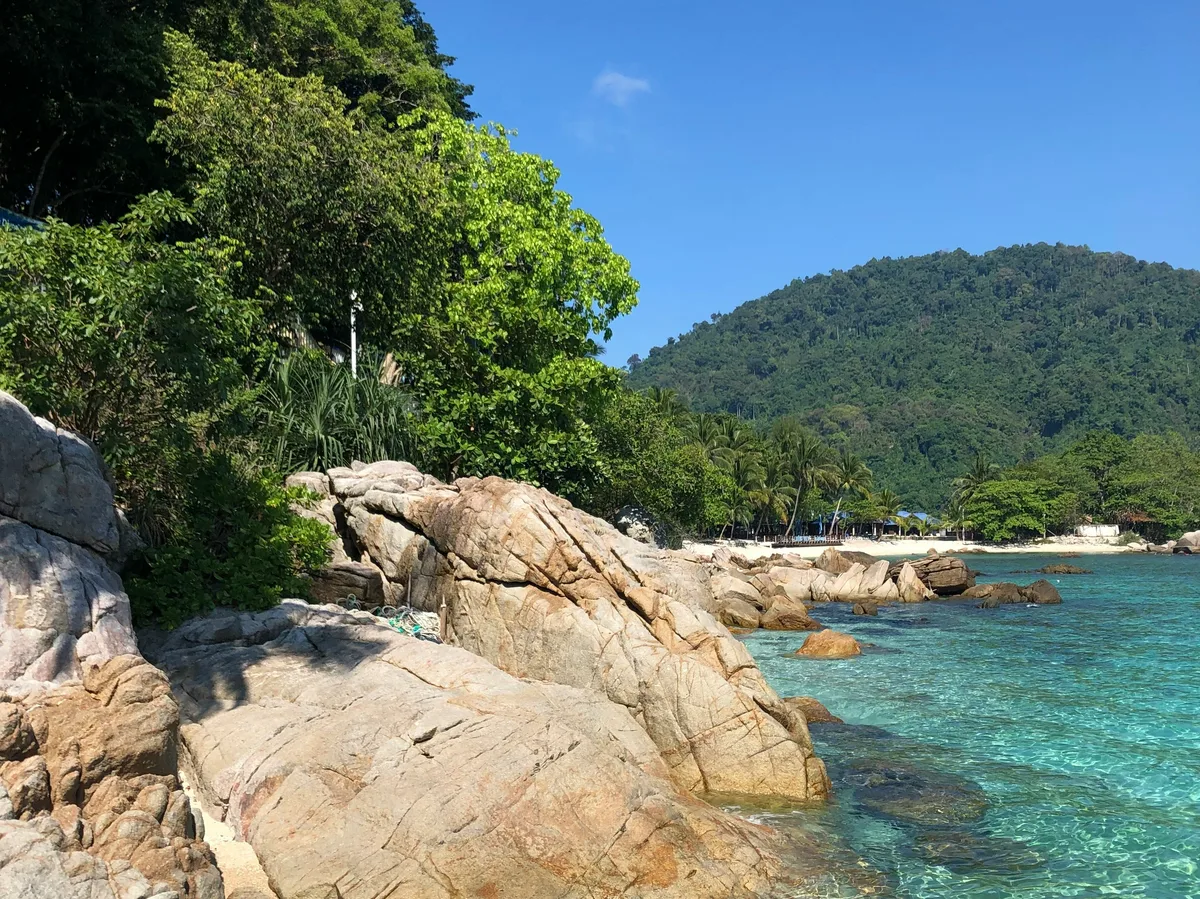
An 8-day island-hopping trip along Malaysia's best coastlines — Langkawi's beaches and cable car, a stop in Kuala Lumpur, and three nights on the Perhentian Islands for snorkeling and diving.
 Multi-Day Tours
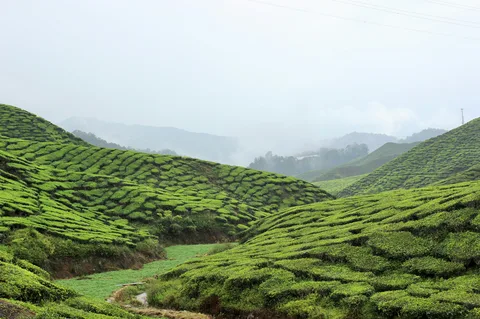
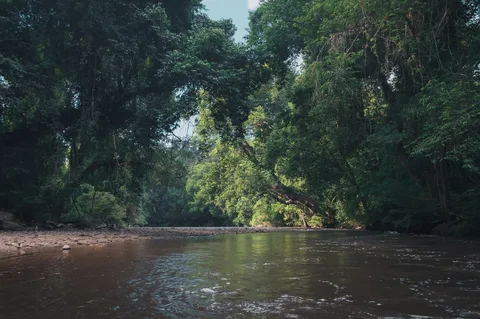
A 12-day deep dive along Malaysia's west coast — the trading-port heritage of Malacca, the skyline of Kuala Lumpur, jungle trekking in Taman Negara, tea country in the Cameron Highlands, Penang's heritage streets, and three nights unwinding in Langkawi.
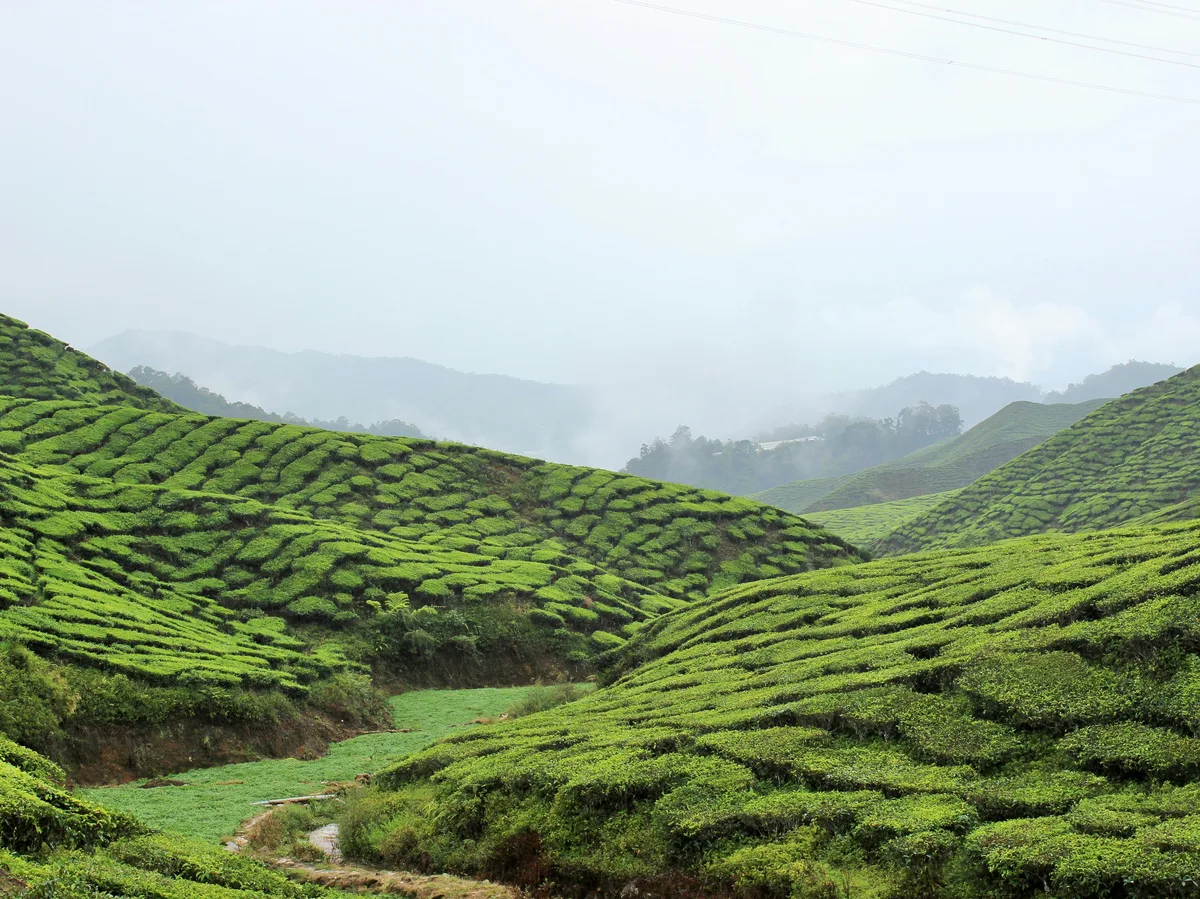 Multi-Day Tours
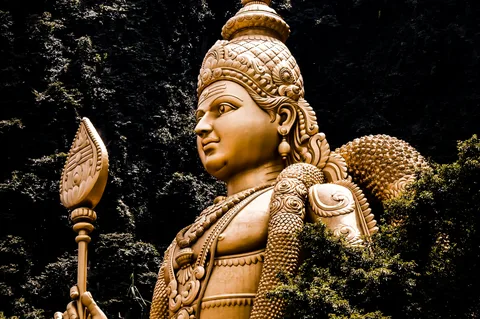
A 12-day journey through Peninsular Malaysia's full range of landscapes — Kuala Lumpur and Batu Caves, the Cameron Highlands' Mossy Forest, two nights deep in the 130-million-year-old Belum-Temenggor Rainforest, Penang, Langkawi's islands, and historic Melaka.
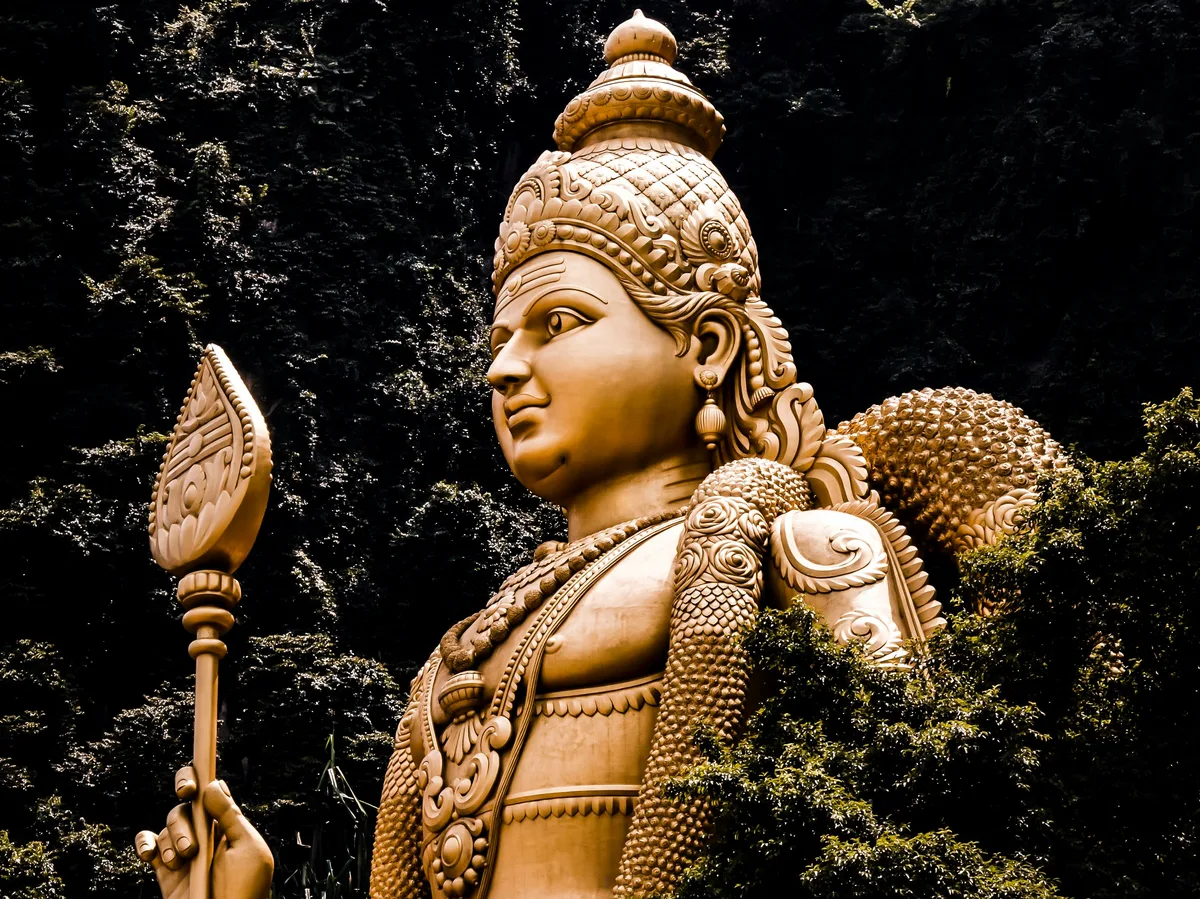 Multi-Day Tours
A 12-day family-friendly circuit through Malaysia — Batu Caves and the Petronas Towers in Kuala Lumpur, the Mossy Forest and Mount Brinchang in the Cameron Highlands, Penang's Georgetown, beach time in Langkawi, family time in Johor Bahru, and historic Melaka.
Visitor guide
The Langkawi Sky Bridge is a 125-metre curved pedestrian cable-stayed bridge on Pulau Langkawi, the main island of the Langkawi archipelago in Kedah, Malaysia. Completed in 2005, its deck sits roughly 660 to 700 metres above sea level depending on the source at the peak of Gunung Mat Cincang, also spelled Machinchang. It is reached by the Langkawi Cable Car, followed by an inclined lift or a walk.
According to Wikipedia, the bridge was designed by Peter Wyss as a curved walkway to maximise the viewing experience, with a shifting perspective as visitors walk along it. It connects two hilltops and is divided into five 25-metre sections: a straight section at each end and three curved ones between them. The deck is nominally 1.8 metres wide and suspended by four pairs of cables from a single pylon about 82 metres tall that is tilted from vertical and stabilised by back-stay cables anchored into opposite hillsides. A triangular viewing platform sits at each end, and the bridge is designed to carry up to 250 people.
There is no road to the summit, so the bridge was prefabricated in segments and lifted to the mountain top by Russian Kamov helicopters. Helicopters also helped erect the end platforms, the pylon and the first central segment of the deck, and the remaining 14 deck segments were put into place using a working cable and winches. Construction took 12 months between August 2003 and August 2004, and the bridge opened to the public in February 2005.
The bridge closed in July 2012 for maintenance, upgrading and structural strengthening, and it partially reopened in February 2015. The upgrade replaced the structure with stainless steel and added sections of glass walkway in the wider central curved section, so that visitors can look down into the valley. An inclined lift called SkyGlide, which carries up to 12 passengers per trip on a ride of about two minutes, opened in December 2015 and links the cable car's Top Station with the bridge. As an alternative Wikipedia mentions a steep 10 to 20 minute mountain track, which is less secure.
The Langkawi Cable Car, also called SkyCab, is a gondola lift running 2.2 kilometres from the Oriental Village at Teluk Burau to the peak of Gunung Machinchang, the second-highest peak of Langkawi. The ride takes about 15 minutes and has three stations: a base, a middle angle station where the gondolas make a 45-degree turn, and the Top Station. The project was first suggested in 1999, built by Doppelmayr of Austria with a local partner, and opened to the public on 1 November 2002 before being officially opened in 2003. Gondolas travel about 70 metres above the forest canopy, and operation is paused in strong winds or bad weather.
Langkawi was given World Geopark status by UNESCO on 1 June 2007, with three main conservation areas: Machincang Cambrian Geoforest Park, Kilim Karst Geoforest Park and Dayang Bunting Marble Geoforest Park. The Sky Bridge sits in the Machincang area. Langkawi itself is a duty-free island and an archipelago of 99 islands about 30 kilometres off the northwest coast of Malaysia, near the Thai border.
Because everything depends on the cable car and the weather, visits can be delayed or paused by wind, rain or low cloud, and the summit may be in mist. Clear mornings often give the widest views. A private transfer from your hotel to the Oriental Village and a guide who can interpret the geology and local legends add context to the ride.
See every tour and attraction we cover in Malaysia.