TorontoOntario · 36 tours
 Niagara FallsOntario · 25 tours
 New York CityNew York · 30 tours
 Las VegasNevada · 8 tours
 San FranciscoCalifornia · 16 tours
 VancouverBritish Columbia · 17 tours
 DubaiUAE · 54 tours
 Abu DhabiUAE · 5 tours
 Buenos AiresArgentina · 23 tours
 AthensGreece · 31 tours
 AucklandNew Zealand · 38 tours
 CancunMexico · 54 tours
No destinations match “”. Try searching all tours instead — that search understands full questions, not just place names.
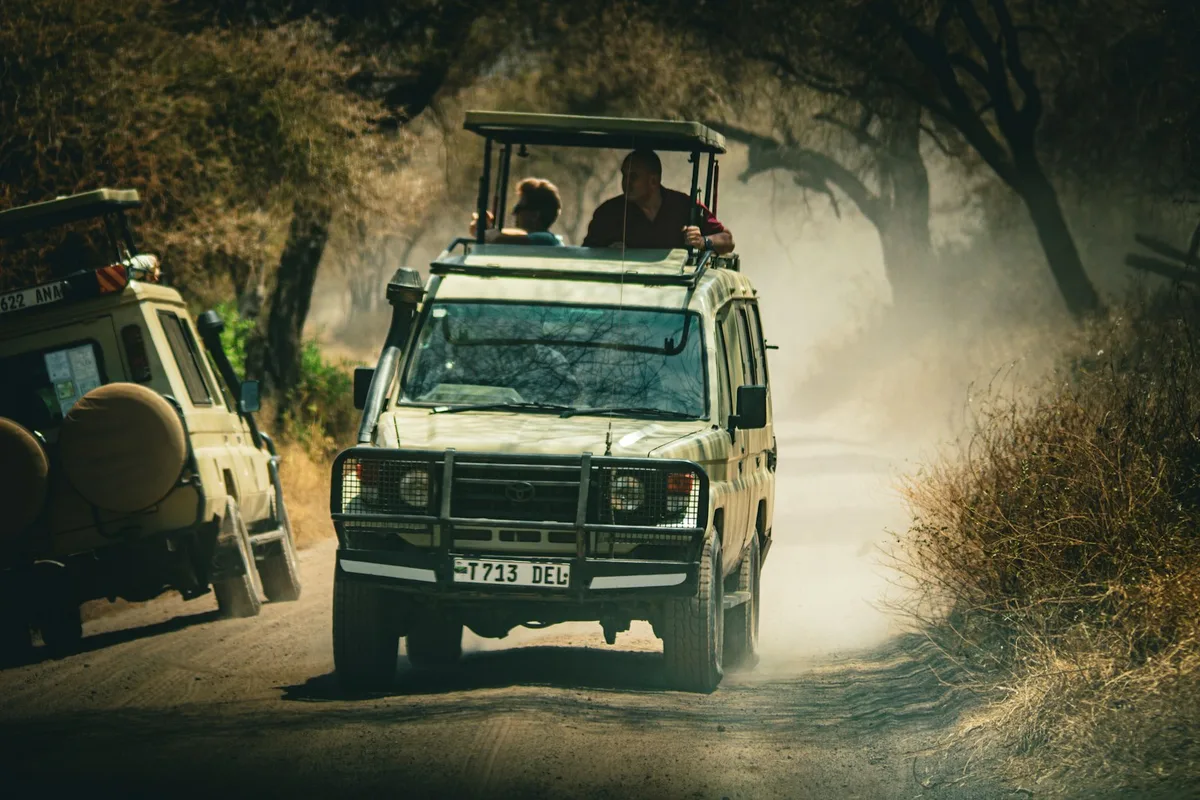
A compact park on the northern safari circuit known for its groundwater forest, tree-climbing lions, and the flamingo-lined shallows of Lake Manyara itself.
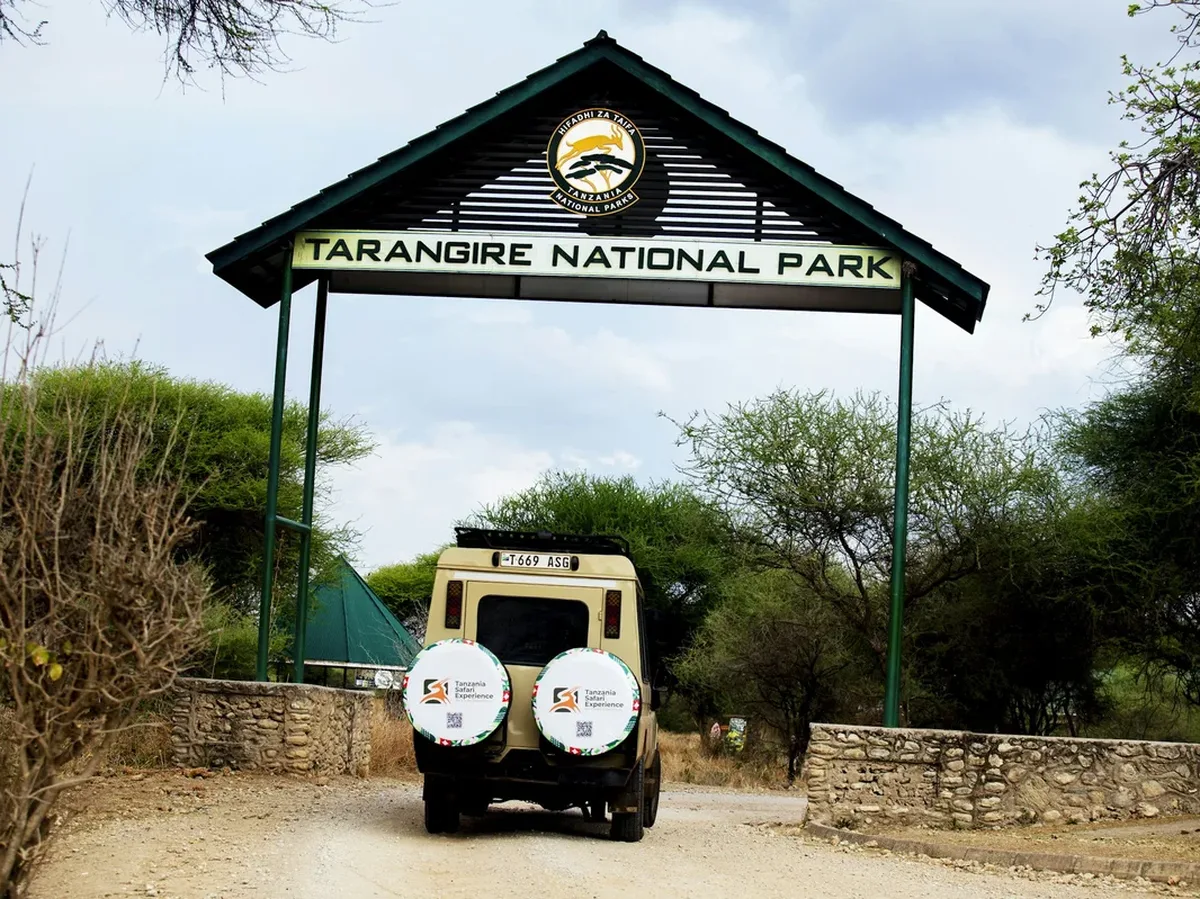 Multi-Day Tours
A short, 5-day introduction to northern Tanzania — Tarangire's elephants and baobabs, the Hadzabe and Datoga near Lake Eyasi, a full day in the Ngorongoro Crater, and Lake Manyara's tree-climbing lions and flamingos — for travelers without the time for a full Serengeti circuit.
 Multi-Day Tours
A 16-day, mainland-only deep dive into northern Tanzania — a Kilimanjaro-area hike, Arusha and Tarangire National Parks, Lake Eyasi's Hadzabe and Datoga, three days in the Ngorongoro Crater and Serengeti, a waterfall hike at the remote soda lake of Lake Natron, and Lake Manyara's tree-climbing lions — no beach extension.
 Multi-Day Tours
A 14-day safari through Tanzania's southern circuit — Nyerere National Park's Rufiji River, Mikumi's baobab plains, and Ruaha, one of Africa's largest lion populations — before heading north to Tarangire and a Ngorongoro Crater finale, starting in Dar es Salaam and spending its first week away from the standard Arusha-based circuit.
Visitor guide
Lake Manyara National Park is a compact protected area in northern Tanzania, lying in a narrow strip between the alkaline Lake Manyara and the steep western wall of the Great Rift Valley. It is known for its groundwater forest, its birdlife and the changing shoreline of the lake, and it is a popular first stop on the northern safari circuit.
Lake Manyara is a shallow alkaline lake at about 960 metres altitude, in a depression of the Rift Valley system. Wikipedia explains that it has no outflow and is fed by underground springs and permanent streams draining the Ngorongoro Highlands. Its size changes dramatically, and it has dried up completely at times. A 2010 survey recorded an average depth of just over 0.8 metres. The park includes only the northwest portion of the lake, and Wikipedia gives two area figures for the park, about 325 and 648 square kilometres, which reflect different ways of counting.
The Rift Valley escarpment rises steeply behind the park to roughly 1,200 to 1,800 metres, with baobabs scattered over its slopes, and a dense acacia woodland grows at its base on material washed down the face.
Sport hunting took place here from the 1920s. A game reserve was created in 1957 and the area became a national park in 1960, with about 550 hectares added at the southern end in 1974. UNESCO established the Lake Manyara Biosphere Reserve in 1981 under its Man and the Biosphere Programme. The park is administered by the Tanzania National Parks Authority.
Near the park gate stands a tall evergreen forest sustained by groundwater. Wikipedia reports that its canopy is dominated by fig and mahogany trees, and the forest is densest in gorges, along streams and where springs emerge. Beyond the forest the park includes swamps fed by the Simba River, grassland on the alkaline lake flats and open acacia woodland, giving a varied landscape in a small area.
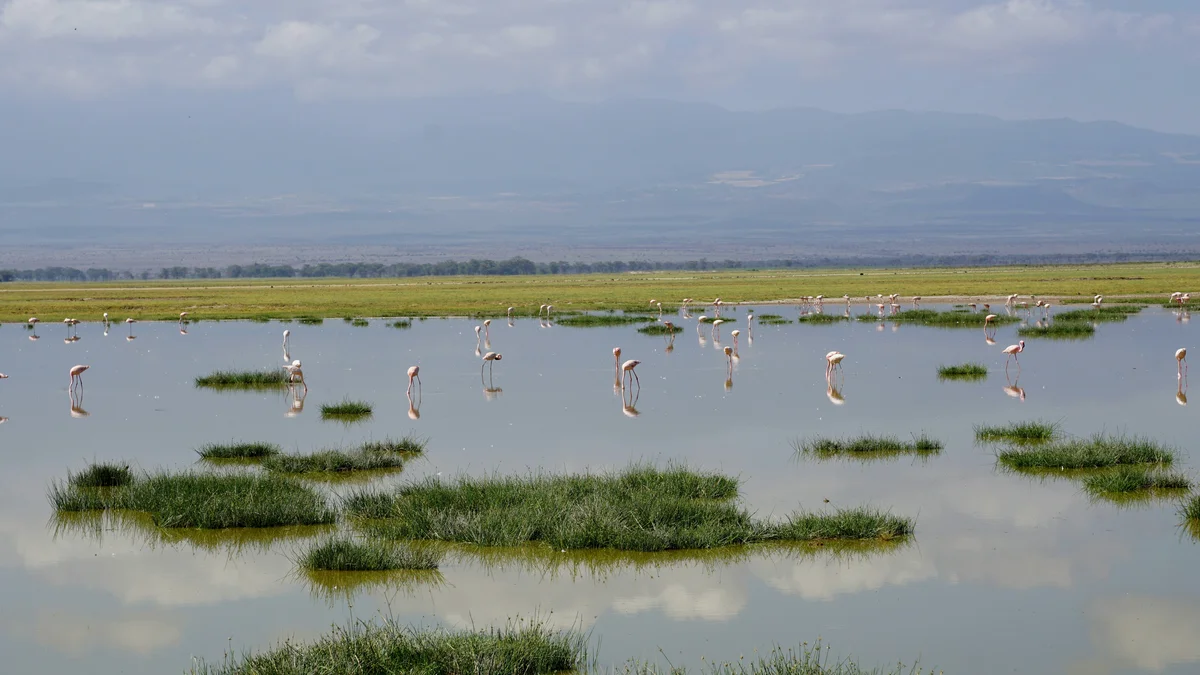
The lake is an Important Bird Area, and more than 390 bird species have been recorded in the park. Lesser flamingos gather along the shore in large flocks in the wet season, and Wikipedia cites an estimate from 1991 of about 1.9 million non-breeding lesser flamingos and 40,000 greater flamingos. Great white pelicans are also common, and the forest north of the lake is a major breeding site for pink-backed pelicans and yellow-billed storks.
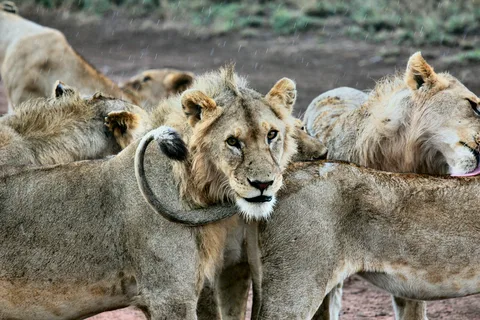
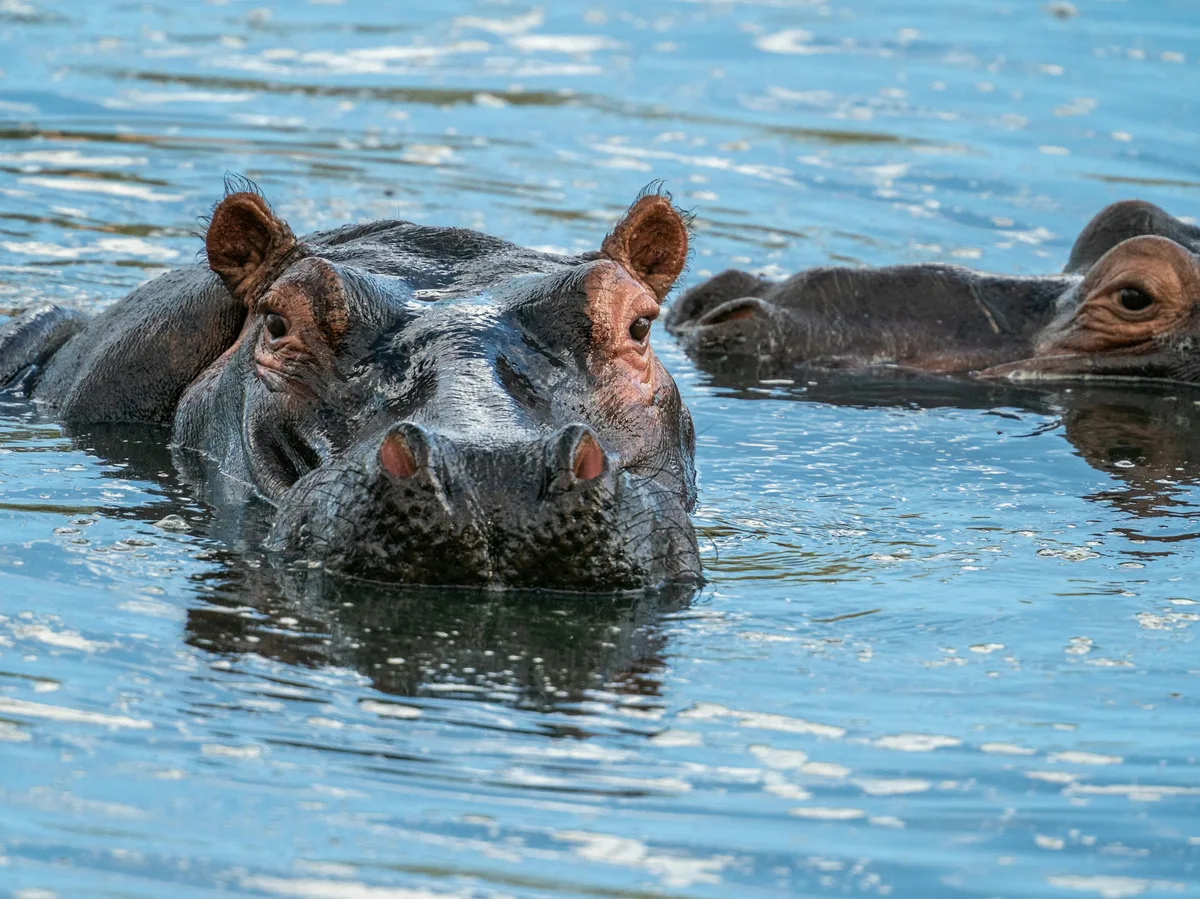
Mammals include elephants, buffalo, giraffe, hippos, zebra, impala, waterbuck and baboons, with lions, leopards and spotted hyenas as predators. Migratory herds of wildebeest and zebra move through, mainly from neighbouring Tarangire. The park is well known for its tree-climbing lions, which TANAPA describes as lounging in acacia branches, though sightings are never guaranteed. Elephant numbers fell in the late 1980s because of illegal hunting and had recovered somewhat by the mid-1990s.
Lake Manyara lies roughly an hour and a half by road from Arusha, according to Wikipedia, and is about 70 kilometres from Tarangire National Park. A private driver and guide can fit a half-day or full-day visit around other northern circuit stops.
See every tour and attraction we cover in Tanzania.