TorontoOntario · 36 tours
 Niagara FallsOntario · 25 tours
 New York CityNew York · 30 tours
 Las VegasNevada · 8 tours
 San FranciscoCalifornia · 16 tours
 VancouverBritish Columbia · 17 tours
 DubaiUAE · 54 tours
 Abu DhabiUAE · 5 tours
 Buenos AiresArgentina · 23 tours
 AthensGreece · 31 tours
 AucklandNew Zealand · 38 tours
 CancunMexico · 54 tours
No destinations match “”. Try searching all tours instead — that search understands full questions, not just place names.
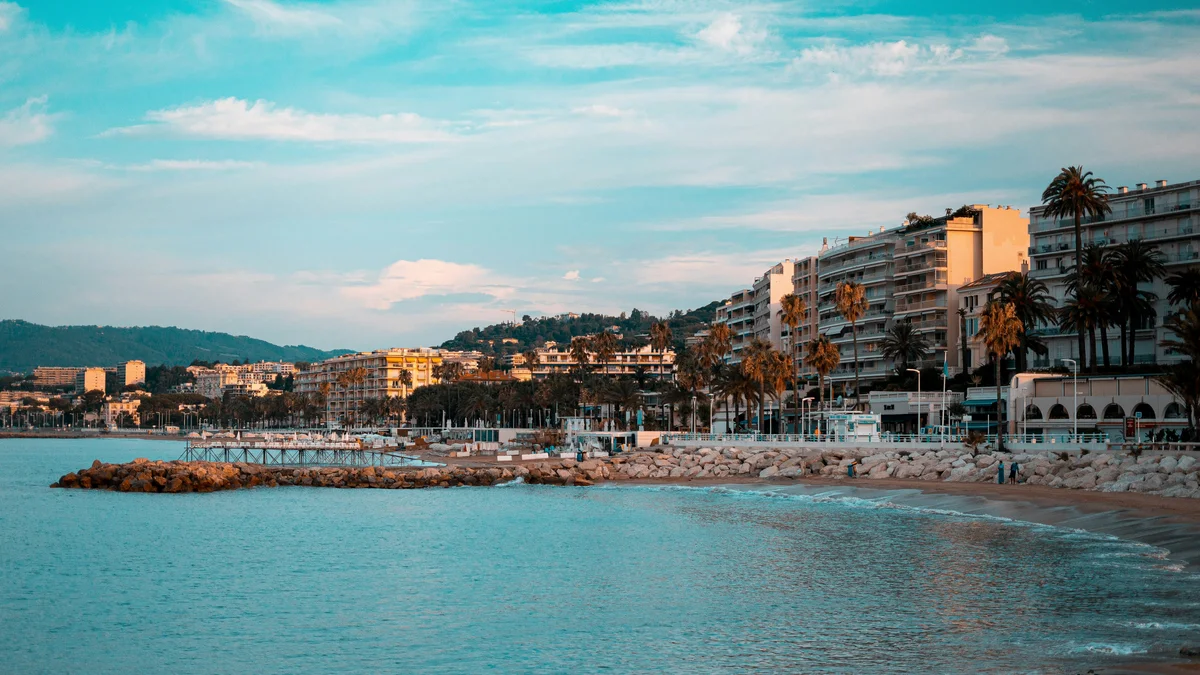
La Croisette is Cannes' real palm-lined waterfront boulevard, stretching along the Mediterranean coast from the Old Port past luxury hotels, designer boutiques, and private beach clubs. It's the promenade most associated with the city's glamorous image during the film festival, but it's a genuine public walkway open to everyone year-round. The wide sandy beach running alongside it looks out toward the Lérins Islands just offshore.
Visitor guide
La Croisette is the seafront boulevard and promenade of Cannes, on the French Riviera in southeastern France. Lined with palm trees, beaches, luxury hotels, boutiques and cafes, it curves around the Bay of Cannes and is the city's best-known street.
The name Croisette comes from a small cross, or calvary, erected on the cape by seafarers. According to the French Wikipedia entry on the boulevard, local archives already refer to the cape as that of the cross in 1369, and the name is linked to the Provencal word crouseto, meaning little cross. The cross was venerated locally, and penitent confraternities held processions there; pilgrims also embarked from the point for the abbey on Ile Saint-Honorat. A fort called the Fort de la Croix was built at the tip of the cape around 1630 to 1633.
The road was named Boulevard de l'Imperatrice in 1866, in honour of Eugenie de Montijo, wife of Napoleon III, and after the fall of the Second Empire in 1871 took its present name.
The boulevard is about 2.65 kilometres long and runs from the centre of Cannes to the Pointe Croisette. The seaward side has a broad promenade with flower beds, benches, kiosks and trees, and a wide pavement beside a cycle path. A low wall separates it from public and private beaches of white sand below, which have been widened in recent years.
The English Wikipedia describes La Croisette as known for its picturesque beaches, restaurants, cafes, boutiques and luxury hotels. Le Suquet, the old town of Cannes, provides a good view of the Croisette.
Cannes itself grew from a Ligurian settlement on the hill of Le Suquet, where an 11th-century tower overlooked the marshes where the modern city stands. The Croisette belongs to the later, resort side of the city, when the seafront began to be lined with hotels and villas, and today it provides a good place to understand how Cannes changed from fishing village to resort city.
The Palais des Festivals et des Congres stands at the top of the boulevard and hosts the Cannes Film Festival. The Promenade de la Croisette is the focus of the city during the festival, when public beaches are used for open-air film screenings. The city also has two marinas, the Vieux Port beside the Palais and Port Pierre Canto at the far end of the Croisette.
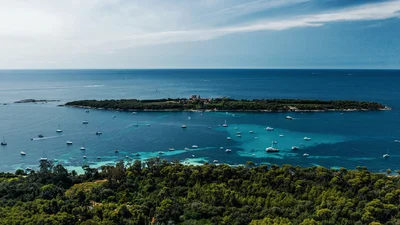
The promenade is best enjoyed on foot or by bicycle, with the Mediterranean on one side and grand buildings on the other. Traffic can be heavy in peak seasons and during events. A private tour with a driver can drop a group at either end so they can walk one direction and be collected at the other, and can combine the Croisette with Le Suquet and the boat route to the Lerins Islands.
See every tour and attraction we cover in Cannes.