TorontoOntario · 36 tours
 Niagara FallsOntario · 25 tours
 New York CityNew York · 30 tours
 Las VegasNevada · 8 tours
 San FranciscoCalifornia · 16 tours
 VancouverBritish Columbia · 17 tours
 DubaiUAE · 54 tours
 Abu DhabiUAE · 5 tours
 Buenos AiresArgentina · 23 tours
 AthensGreece · 31 tours
 AucklandNew Zealand · 38 tours
 CancunMexico · 54 tours
No destinations match “”. Try searching all tours instead — that search understands full questions, not just place names.
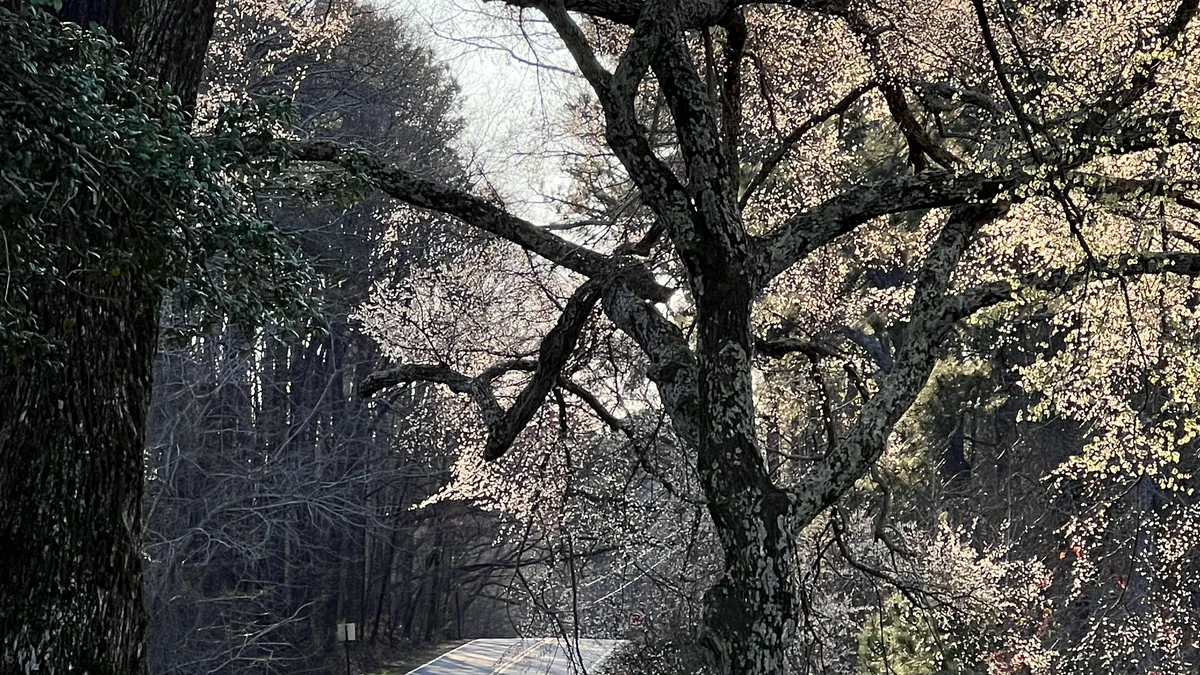
Kennesaw Mountain National Battlefield Park preserves the site of a major June 1864 engagement of the Atlanta Campaign, where Confederate forces under Joseph Johnston repelled a Union assault led by William Tecumseh Sherman. Original earthwork fortifications are still visible along the park's trails, and a paved road climbs partway up the mountain toward the summit for panoramic views. It's a quieter, more wooded counterpoint to Atlanta's downtown Civil War sites, with over 20 miles of hiking trails through the battlefield grounds.
Visitor guide
Kennesaw Mountain National Battlefield Park, in Cobb County northwest of Atlanta, preserves ground fought over in the Atlanta Campaign of the American Civil War. The main battle took place on June 27, 1864, when Union forces under Maj. Gen. William T. Sherman attacked Confederate lines held by Gen. Joseph E. Johnston. The park combines battlefield history with hiking trails over a ridge whose summit stands 1,808 feet above sea level.
By late June 1864 Sherman was pushing toward Atlanta and Johnston had dug in along the Kennesaw line. A Confederate attack by Hood's corps at Kolb's Farm on June 22 was unsuccessful. On June 27, Sherman tried a frontal assault. Maj. Gen. John A. Logan's XV Corps attacked Pigeon Hill, near Little Kennesaw Mountain, and failed against entrenched troops. Maj. Gen. George H. Thomas's men attacked the Confederate center at Cheatham Hill, where the bloodiest fighting became known as the Dead Angle. Maj. Gen. John M. Schofield's demonstration against the Confederate left was the day's one real gain, moving Union troops to within about five miles of the Chattahoochee River.
Union losses were about 3,000 and Confederate losses about 1,000. The Confederates held the field, but Sherman kept maneuvering and Johnston withdrew toward Smyrna on July 2. Jefferson Davis replaced Johnston with John Bell Hood on July 17, and Atlanta fell on September 2.
Remembrance began early. On December 26, 1899, Lansing J. Dawdy, a veteran of the 86th Illinois, bought a 60-acre tract at Cheatham Hill that included both the Federal and Confederate trenches. The land later passed to a veterans' association, and the Illinois Monument, built for $25,000, was unveiled on June 27, 1914 during the battle's 50th anniversary. Sources differ slightly on the intermediate property transfers, but the National Park Service administrative history is the authority on that chain.
The park was established as the Kennesaw Mountain National Battlefield Site on February 18, 1917 under the War Department and transferred to the National Park Service on June 26, 1935, becoming a national battlefield park. It has since grown from the original 60 acres to nearly 3,000 acres. The NPS says the park preserves three monuments, four stone markers for individuals, and the battlefield itself, and notes that the Cherokee's ancestors lived in the area since about 1000 B.C.
The visitor center at the base of the mountain has an interpretive museum and shows the film Kennesaw: One Last Mountain. The park lists ranger programs, museum tours and historic weapons demonstrations such as cannon firing among its activities. Trails cross the ridge and the earthworks; Wikipedia notes that the road to the summit is open to cars on weekdays and to park buses on weekends, but confirm with the NPS because summit access can change with weather and season.
Check the National Park Service for current hours, trail conditions and summit access. A private vehicle and driver with door-to-door pickup lets you choose your own pace between the visitor center, Cheatham Hill and the summit, without worrying about parking or the return.
See every tour and attraction we cover in Atlanta.