TorontoOntario · 36 tours
 Niagara FallsOntario · 25 tours
 New York CityNew York · 30 tours
 Las VegasNevada · 8 tours
 San FranciscoCalifornia · 16 tours
 VancouverBritish Columbia · 17 tours
 DubaiUAE · 54 tours
 Abu DhabiUAE · 5 tours
 Buenos AiresArgentina · 23 tours
 AthensGreece · 31 tours
 AucklandNew Zealand · 38 tours
 CancunMexico · 54 tours
No destinations match “”. Try searching all tours instead — that search understands full questions, not just place names.
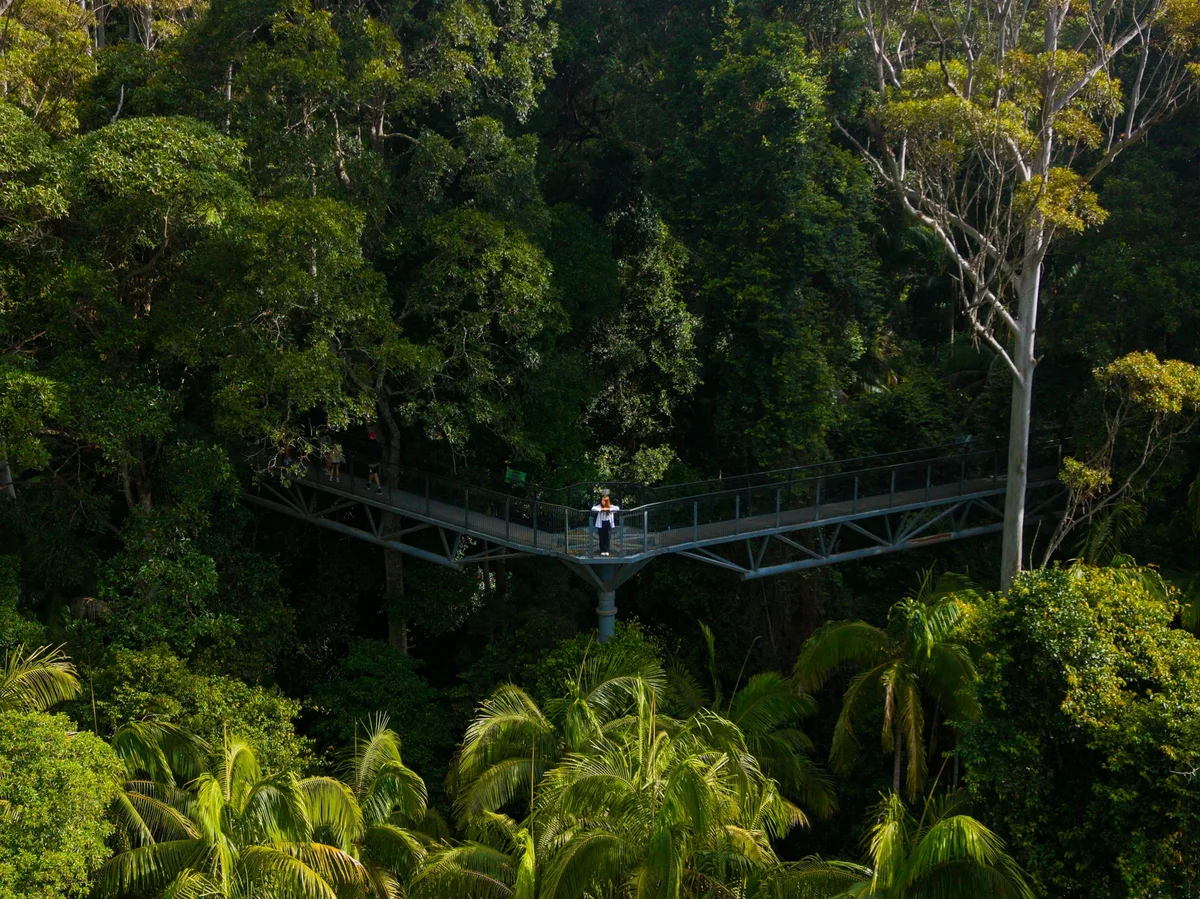
A suspended walkway strung through the tree canopy of one of West Africa's surviving tropical rainforests, hanging roughly 30-40 metres above the forest floor and home to forest elephants and monkeys.
 Multi-Day Tours
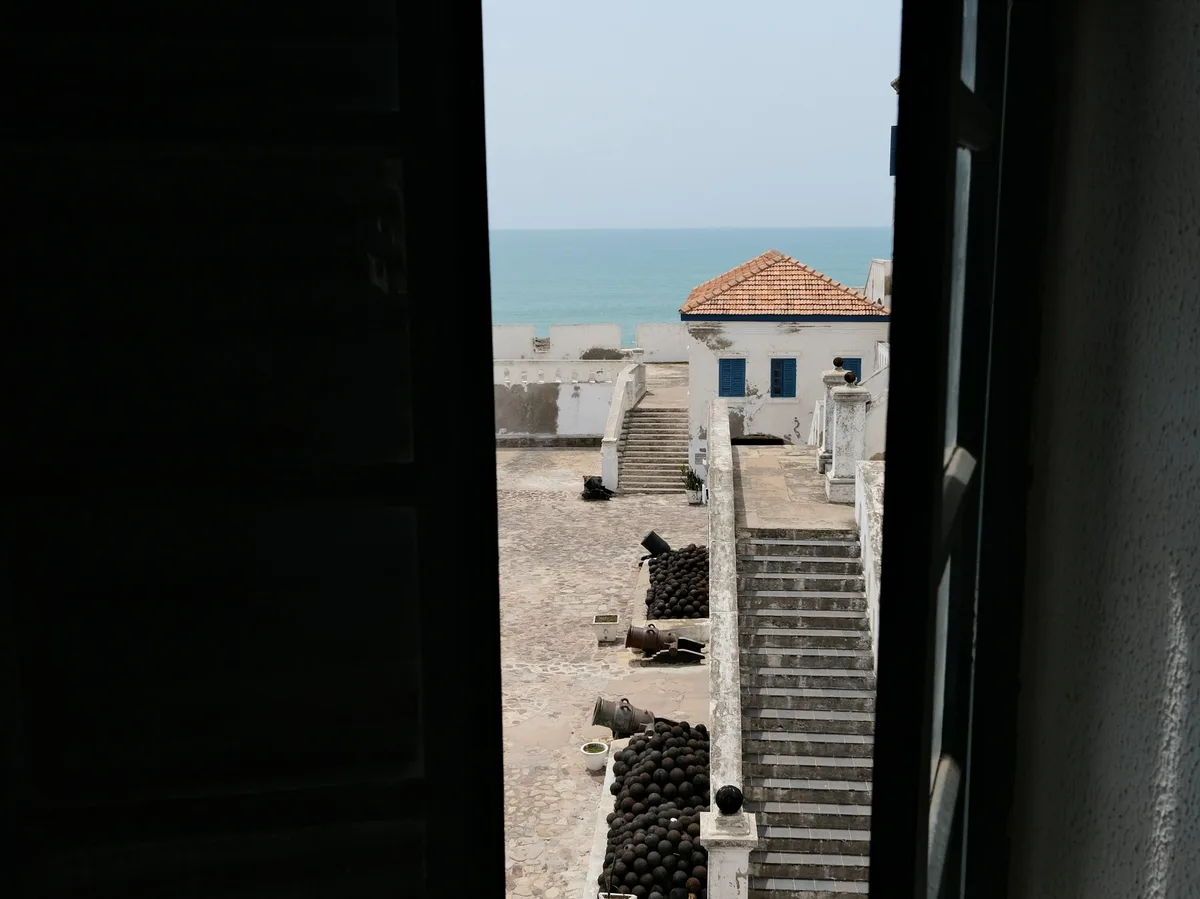
An 8-day private circuit through Ghana's coastal history — Cape Coast and Elmina's UNESCO-listed slave castles, the Assin Manso ancestral river site, the stilt village of Nzulezu, and the forest canopy walk at Kakum National Park.
 Multi-Day Tours
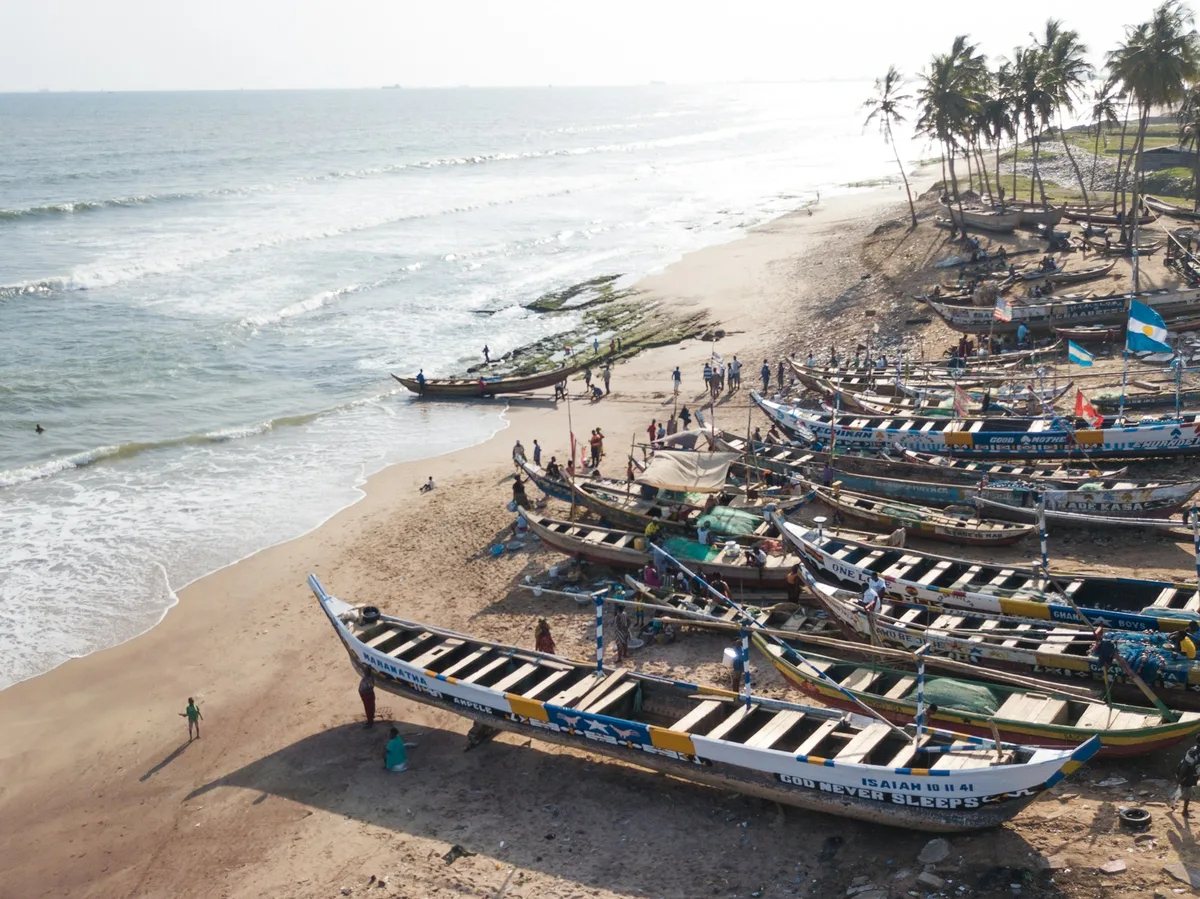
A relaxed 6-day beach-and-heritage trip to Ghana's western coast — Kakum National Park's canopy walk, Cape Coast Castle, and five nights based in the surf town of Busua, with visits to Fort Batenstein, Abokwa Island, and Fort Metal Cross.
 Multi-Day Tours
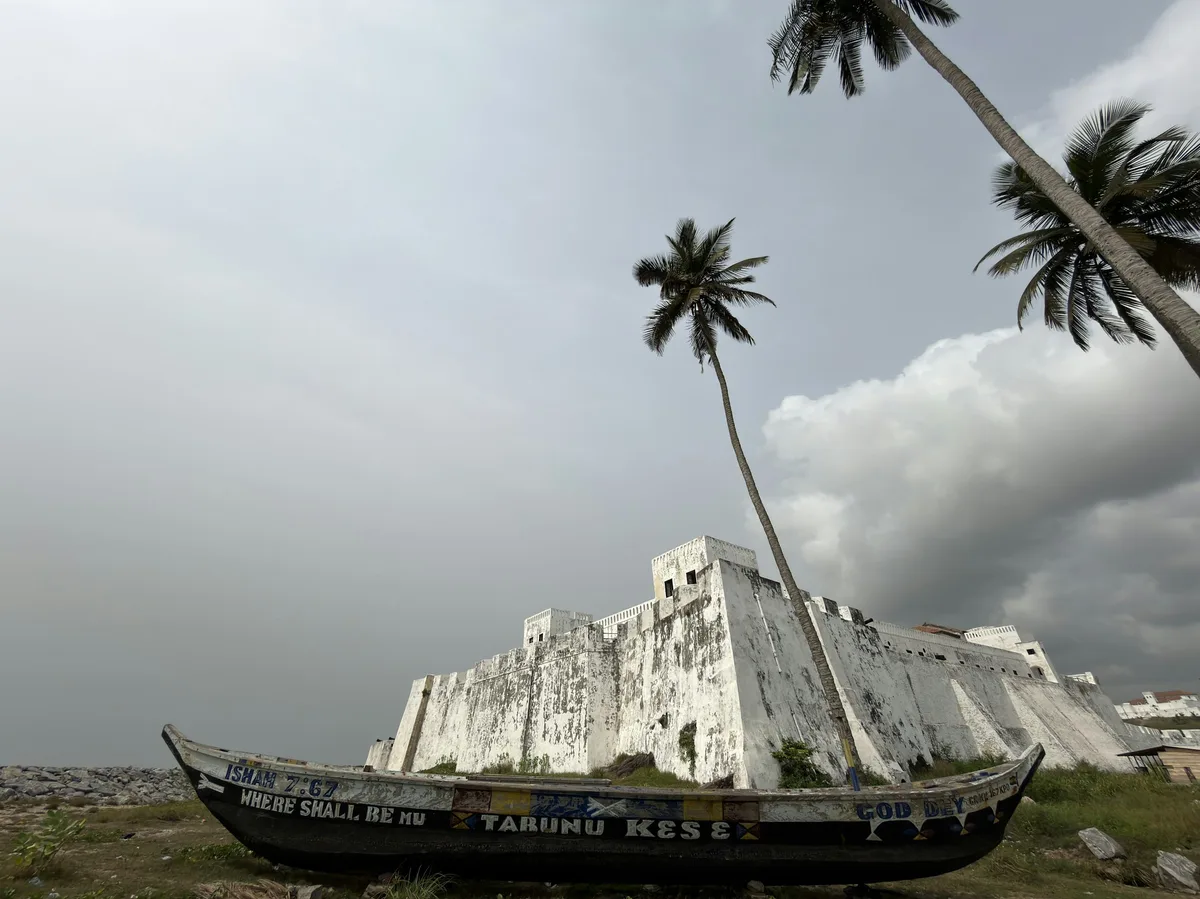
A comprehensive 14-day circuit from Accra's coast to the Ashanti heartland — Cape Coast and Elmina's slave castles, Kakum National Park, the stilt village of Nzulezu, Kumasi's Kejetia Market and royal craft villages, and Shai Hills Game Reserve.
 Multi-Day Tours
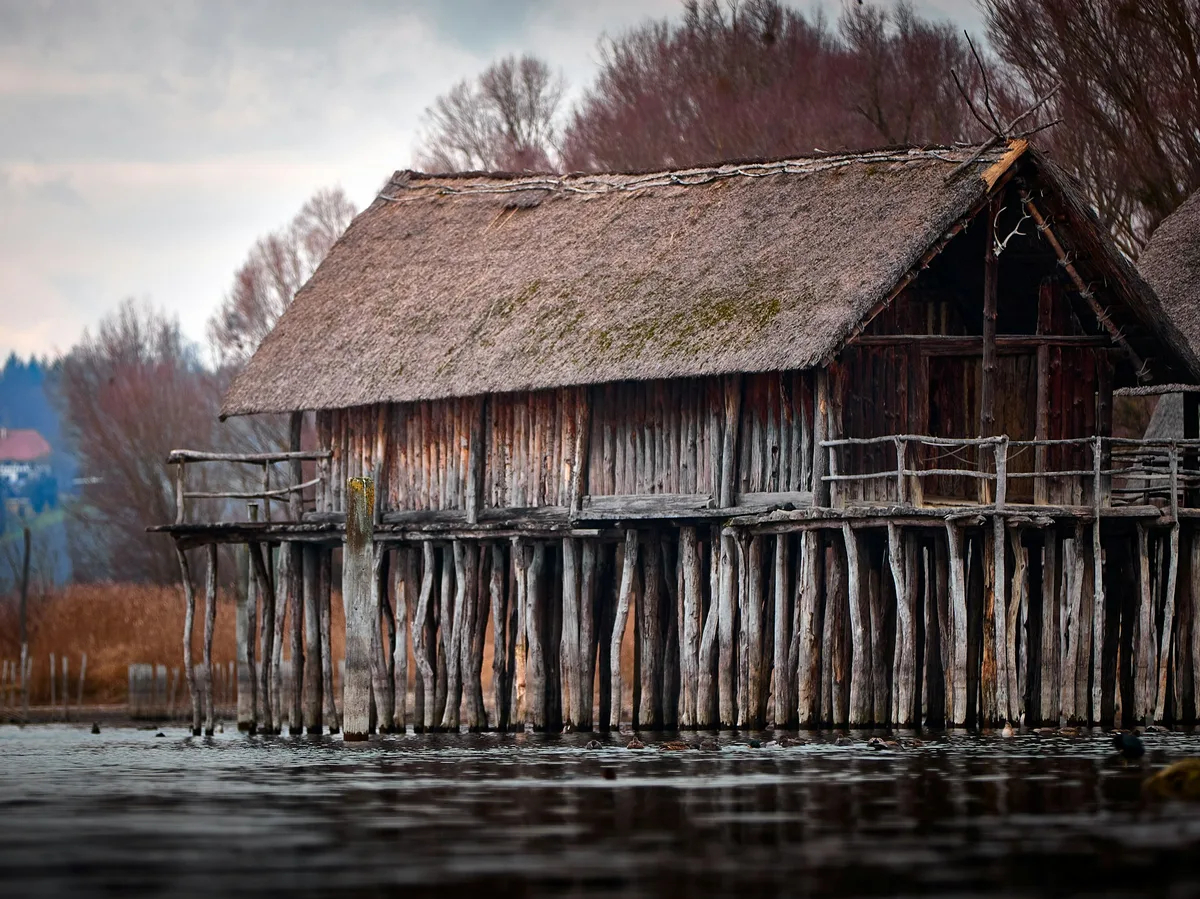
A 15-day cross-border journey through West Africa — starting and ending in Ghana (Accra, Cape Coast, Elmina, Kumasi), then crossing into Togo's capital Lomé, and on to Benin for the stilt village of Ganvié, the Royal Palaces of Abomey, and the voodoo heritage sites of Ouidah and Porto-Novo.
 Multi-Day Tours
A 5-day safari trip to Mole National Park, Ghana's largest wildlife reserve — elephant safari drives and walks, a visit to the Mognori Eco-Village, the centuries-old Larabanga Mosque, and a stop at Kakum National Park's canopy walk and Cape Coast Castle en route.
Visitor guide
Kakum National Park is a tropical rainforest reserve in Ghana's Central Region, about 33 km north of Cape Coast and Elmina, and it is home to a suspended canopy walkway. Covering roughly 350 to 375 square km depending on the source, it was gazetted as a national park in 1992 and is named after the Kakum River, which rises within it.
The land was declared a forest reserve in 1931 and managed by the Forestry Division, with logging continuing until 1989. Wikipedia notes that the park was established at the initiative of local people rather than the state wildlife department. It is surrounded by 33 villages and farmland, and management involves sharing park benefits with local communities. Kakum is considered Ghana's best-protected forest and was submitted for UNESCO World Heritage tentative listing in 2000.
The walkway hangs about 40 m above the ground and crosses seven bridges, with some tree canopies rising above 50 m. The article gives inconsistent lengths, 350 m in the introduction and 330 m in the body, and describes it as one of only three in Africa. A tree house about 20 m up in the forest can accommodate around 25 people for night experiences. The visitor centre opened in 1997, and the park won a Global Tourism for Tomorrow Award in 1998.
The walkway gives views down into the forest and across the canopy, which is otherwise hard to see from the ground. Anyone uneasy about heights should ask about the walkway in advance, and a short, calm crossing is still possible with the guide's support.
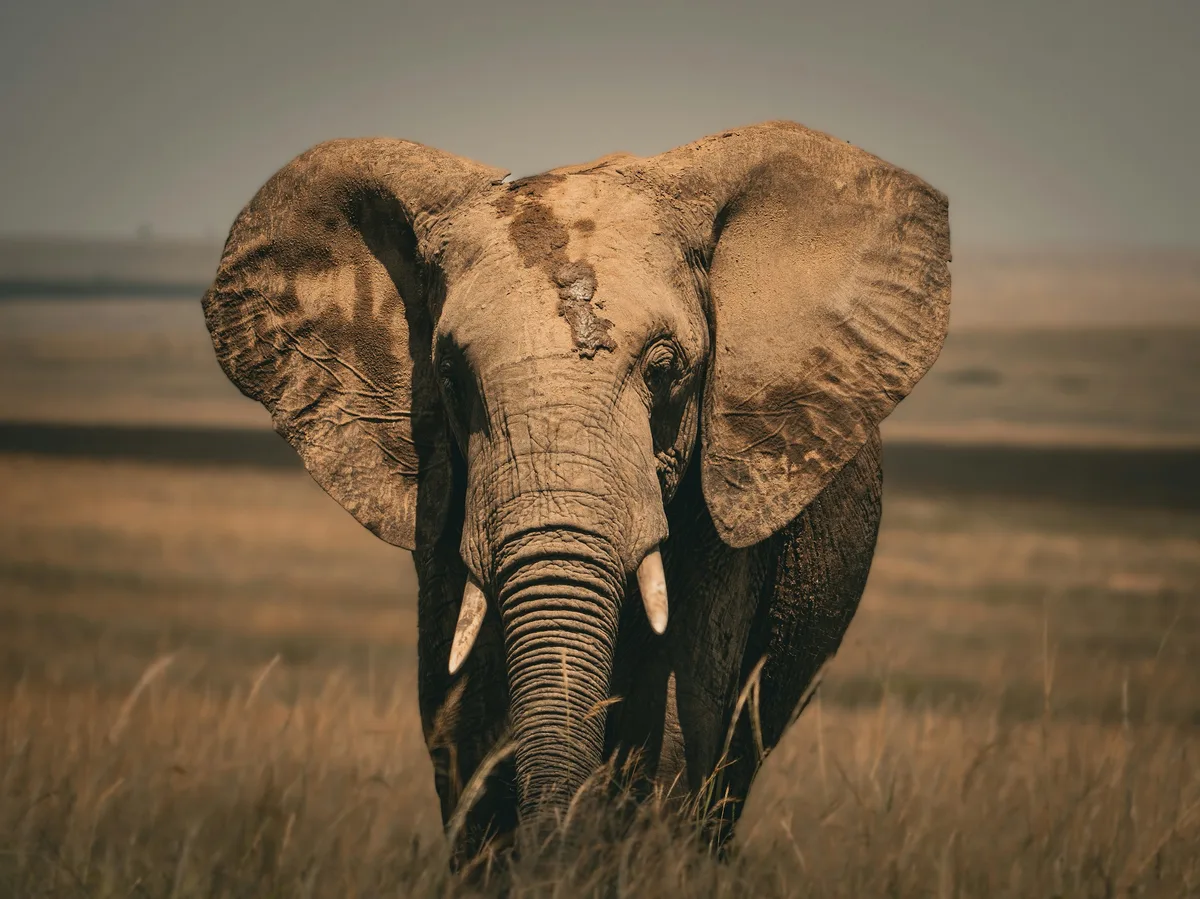
The habitat is mostly tropical rainforest, mainly moist evergreen forest with some seasonal dry semi-deciduous forest. Elevation ranges from 135 to 250 m, and average annual rainfall is about 1,380 mm. Mammals include forest elephants, forest buffalo, bongo, leopard, duikers, pangolins and several primates, and the park has the densest forest elephant population in Ghana as of 2012.
Endangered species named in the article include the Diana monkey, the bongo, the yellow-backed duiker and the African elephant. Ursine colobus and Roloway monkeys are critically endangered. The park is an Important Bird Area with 266 species recorded, including nine hornbill species and the grey parrot, and more than 600 butterfly species have been found. Most of this wildlife is shy, so visitors should expect the forest and canopy, rather than guaranteed animal sightings.
Threats include poaching, hunting, land encroachment and illegal chainsaw logging. Elephants raid farms outside the park, and farmers use pepper fences to deter them. Visitors numbers rose from 2,000 in 1992 to 135,870 in 2009, and the park is administered by Ghana's Wildlife Department.
Kakum is a short drive from Cape Coast Castle and Elmina Castle, so a private tour can combine forest and coast in one day with a driver handling the road.
See every tour and attraction we cover in Ghana.