TorontoOntario · 36 tours
 Niagara FallsOntario · 25 tours
 New York CityNew York · 30 tours
 Las VegasNevada · 8 tours
 San FranciscoCalifornia · 16 tours
 VancouverBritish Columbia · 17 tours
 DubaiUAE · 54 tours
 Abu DhabiUAE · 5 tours
 Buenos AiresArgentina · 23 tours
 AthensGreece · 31 tours
 AucklandNew Zealand · 38 tours
 CancunMexico · 54 tours
No destinations match “”. Try searching all tours instead — that search understands full questions, not just place names.
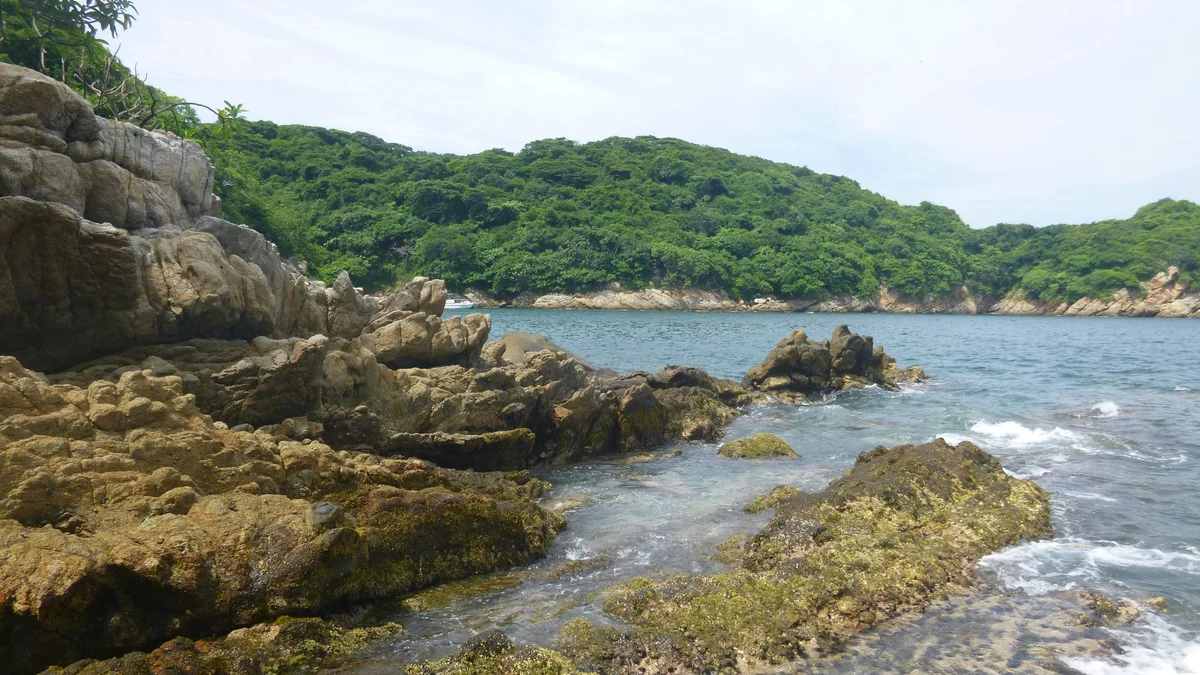
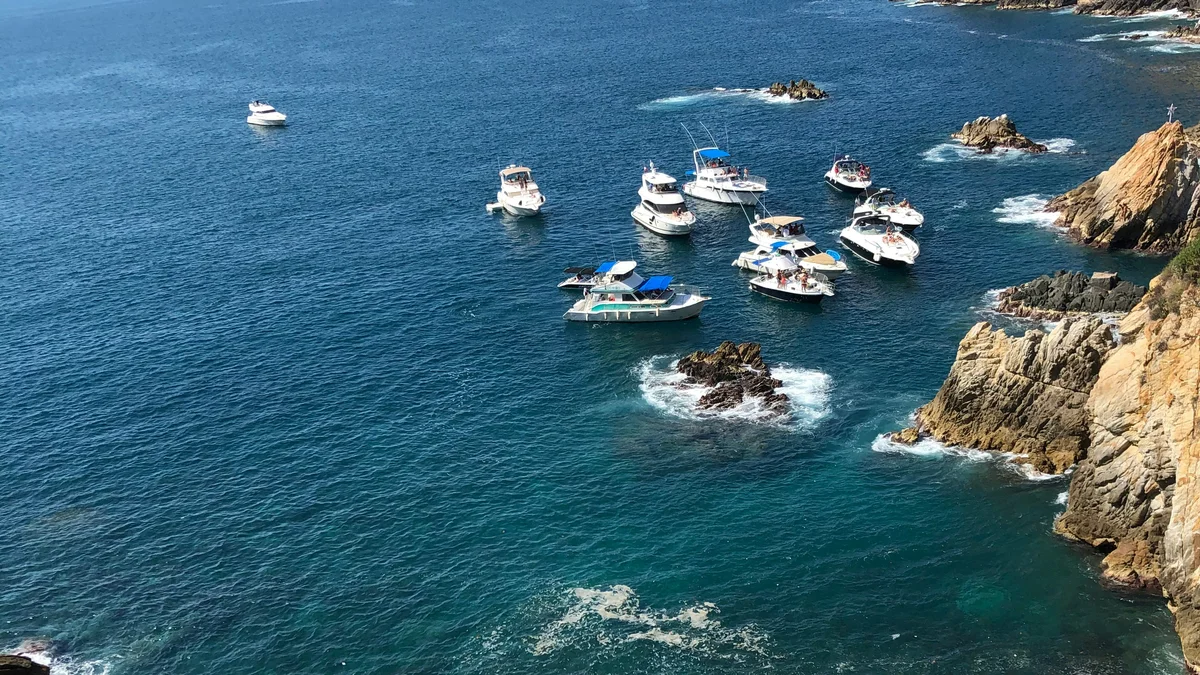
A small island just off Acapulco's Caleta and Caletilla beaches, spanning roughly 0.6 to 0.7 square kilometers, with beaches, a lighthouse, diving zones, and tropical flora and fauna; some sources call it a protected natural area.
Visitor guide
Isla La Roqueta is a small island at the entrance to Acapulco Bay, off the beaches of Caleta and Caletilla in Guerrero, Mexico. It covers roughly 0.6 to 0.7 square kilometres (a Mexican congressional record gives 0.59) and is known for its beaches, a lighthouse and snorkelling and diving areas; some sources describe it as a protected natural area.
The island faces the Bay of Santa Lucia near the port of Acapulco, and EcuRed gives its width as about 1.6 kilometres. A small islet between Caleta and Caletilla beaches, together with La Roqueta, blocks much of the Pacific surf, which is why the two beaches are known for calm water. A boat from Caletilla is the usual way across, and Wikipedia's Acapulco article describes a popular boat trip with snorkelling, lunch and a lighthouse. Its Acapulco article places the island in the adjoining Bay of Puerto Marques, while other sources place it in front of Santa Lucia bay, so the description of the surrounding water differs by source.
EcuRed says the island has no permanent residents, with a floating population of about 50 to 100 people working mainly in tourism. It lists tropical vegetation including coconut palms, almond, lime, guava, tamarind and nanche, and wildlife including iguanas, small reptiles and white and gray gulls. The island has two beaches and several snorkelling and diving areas.
The island has a place in the Mexican War of Independence. According to a Spanish-language account of the Caleta and Caletilla beaches, in June 1813 Jose Maria Morelos ordered insurgents to take La Roqueta from royalist soldiers, and Hermenegildo Galeana watched the operation from the Caleta beaches. A contemporary account says occupation of the island by the enemy made it strategically important because night landings could not be stopped.
A white cylindrical concrete lighthouse stands on the island, with four exterior ribs. A lighthouse database says it is managed by Mexico's Secretaria de Comunicaciones y Transportes and flashes white every ten seconds. One lighthouse database says visitors can reach the grounds but not the tower itself, while a Mexican tourism guide says the lighthouse can be visited, so access is unclear.
One of the best-known features in the water between Caleta and La Roqueta is an underwater image of the Virgin, often called the Virgen de los Mares or Virgin of the Seas. EcuRed says Apolonio Castillo reportedly brought it in 1958, gives its height as 2.45 metres and says fishermen and divers venerate it each 12 December. Wikipedia's Acapulco article says an underwater statue of the Virgin of Guadalupe made in 1958 by Armando Quesado honours divers who died there, and a Spanish-language account describes an underwater chapel near a small rocky islet called La Yerbabuena, viewed from glass-bottomed boats leaving Caletilla, with a procession of boats on 12 December. The maker, name and meaning vary by source.
Tourism sources mention a small zoo on the island, with EcuRed listing animals such as tigers, crocodiles and monkeys, but these accounts are older and the zoo's current status could not be confirmed. Some travel articles describe the island as a pirate refuge, a claim that is uncited here, and a different source attributes the pirate story to the Fort of San Diego instead.
A trip to La Roqueta is a half-day excursion from the Caleta area, and sun protection and water are useful. A private guided visit can organise pick-up, the boat crossing and the return, and pair the island with the cliff divers of La Quebrada and the Fort of San Diego.
See every tour and attraction we cover in Acapulco.