TorontoOntario · 36 tours
 Niagara FallsOntario · 25 tours
 New York CityNew York · 30 tours
 Las VegasNevada · 8 tours
 San FranciscoCalifornia · 16 tours
 VancouverBritish Columbia · 17 tours
 DubaiUAE · 54 tours
 Abu DhabiUAE · 5 tours
 Buenos AiresArgentina · 23 tours
 AthensGreece · 31 tours
 AucklandNew Zealand · 38 tours
 CancunMexico · 54 tours
No destinations match “”. Try searching all tours instead — that search understands full questions, not just place names.
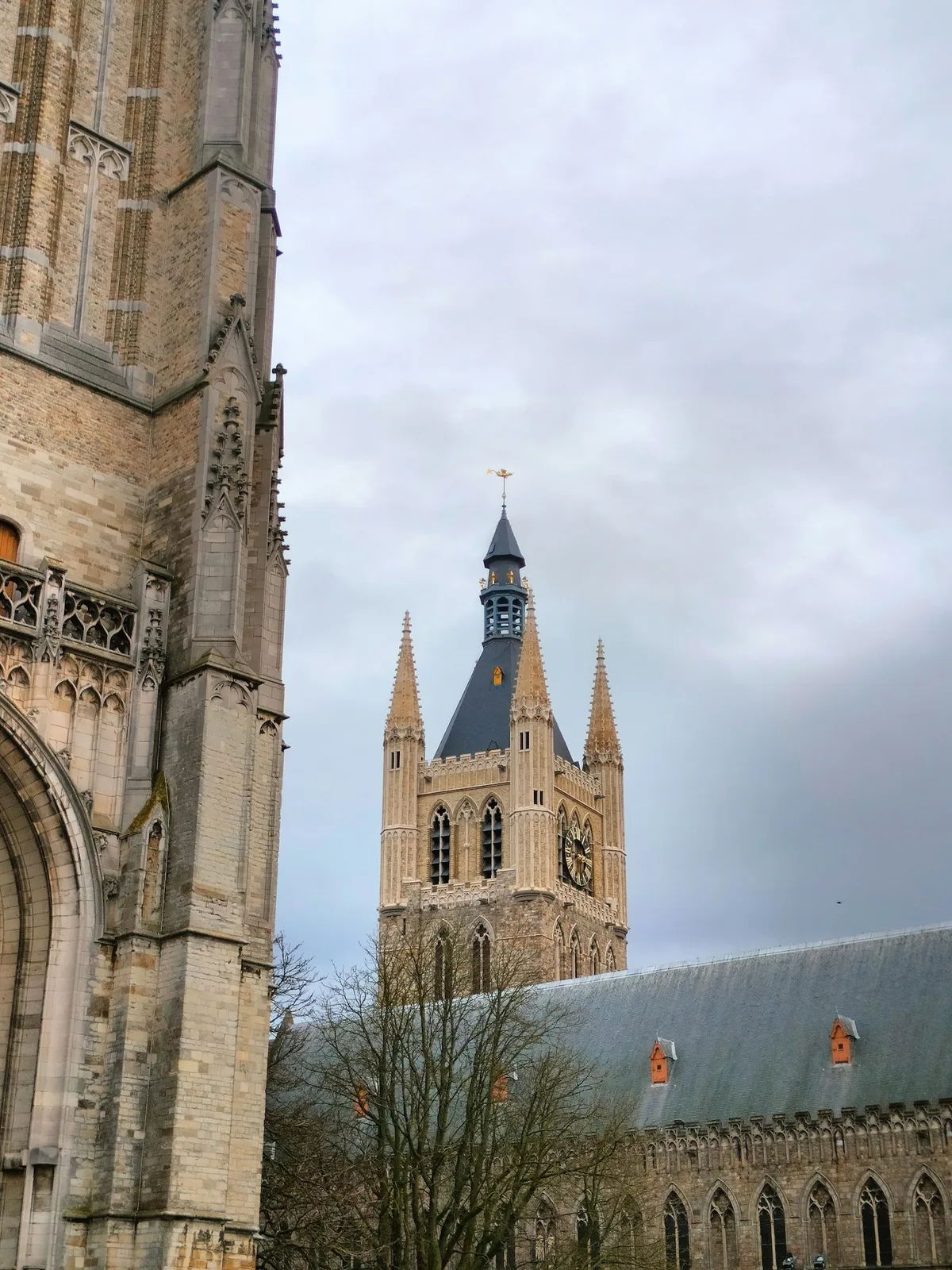
A First World War museum inside Ypres' rebuilt medieval Cloth Hall, documenting the battles fought around the town and the wider Flanders front.
Visitor guide
The In Flanders Fields Museum is a First World War museum on the second floor of the Cloth Hall (Lakenhalle) on the Grote Markt in Ypres (Ieper), in the Belgian province of West Flanders. It tells the story of the war in the Westhoek region, and takes its name from the poem In Flanders Fields by the Canadian John McCrae.
The museum was established in 1998, when the earlier Ypres Salient Memorial Museum was refurbished and renamed after the poem. It closed for a period and reopened on 11 June 2012. Wikipedia describes its stated aim as showing the futility of the war rather than glorifying it.
The displays tell the story of the invasion of Belgium, the mobilisation of armies, four years of trench warfare in the Westhoek, the end of the war and remembrance since. The museum uses objects, interactive installations and lifelike characters to tell individual stories, and the objects include medical equipment, gas masks, and a mule and munitions wagon.
Each visitor receives a poppy bracelet containing a microchip. It sets the visitor's chosen language and activates the personal story of one of four individuals as they move through the exhibits, so that the war is followed through particular lives rather than only through campaign narrative.
Ypres lay in Germany's planned route through Belgium into France, and the German army surrounded the city on three sides and bombarded it for much of the war. The First Battle of Ypres took place in October and November 1914. The Second Battle of Ypres in April and May 1915 saw the first use of poison gas, chlorine, by Germany, against Canadian, British and French troops. Mustard gas was first used near Ypres in autumn 1917 and was named Yperite after the town. The Third Battle of Ypres, known as Passchendaele, ran from July to November 1917 and produced nearly half a million casualties on all sides. British soldiers called the town Wipers.
The Cloth Hall was built mainly between about 1260 and 1304 in Gothic style and served as the main market and warehouse of Ypres's medieval cloth industry. It is about 125 metres wide, with a belfry 70 metres high. Artillery fire destroyed it almost completely during the First World War, and it was rebuilt between 1933 and 1967 under the architects J. Coomans and P. A. Pauwels, based on pre-war surveys. UNESCO listed the belfry in 1999 as part of the Belfries of Belgium and France. The belfry offers views over the town and the surrounding battlefields.
The Menin Gate memorial, unveiled in 1927, lists Commonwealth soldiers who fell in the Ypres Salient and have no known grave, and the Last Post has been sounded beneath it nightly since 1929, interrupted during the German occupation in the Second World War. Saint George's Memorial Church commemorates British and Commonwealth soldiers who died in the five battles for Ypres. A private guided visit can combine the museum with these sites and the surrounding battlefield landscape.
See every tour and attraction we cover in Belgium.