TorontoOntario · 36 tours
 Niagara FallsOntario · 25 tours
 New York CityNew York · 30 tours
 Las VegasNevada · 8 tours
 San FranciscoCalifornia · 16 tours
 VancouverBritish Columbia · 17 tours
 DubaiUAE · 54 tours
 Abu DhabiUAE · 5 tours
 Buenos AiresArgentina · 23 tours
 AthensGreece · 31 tours
 AucklandNew Zealand · 38 tours
 CancunMexico · 54 tours
No destinations match “”. Try searching all tours instead — that search understands full questions, not just place names.
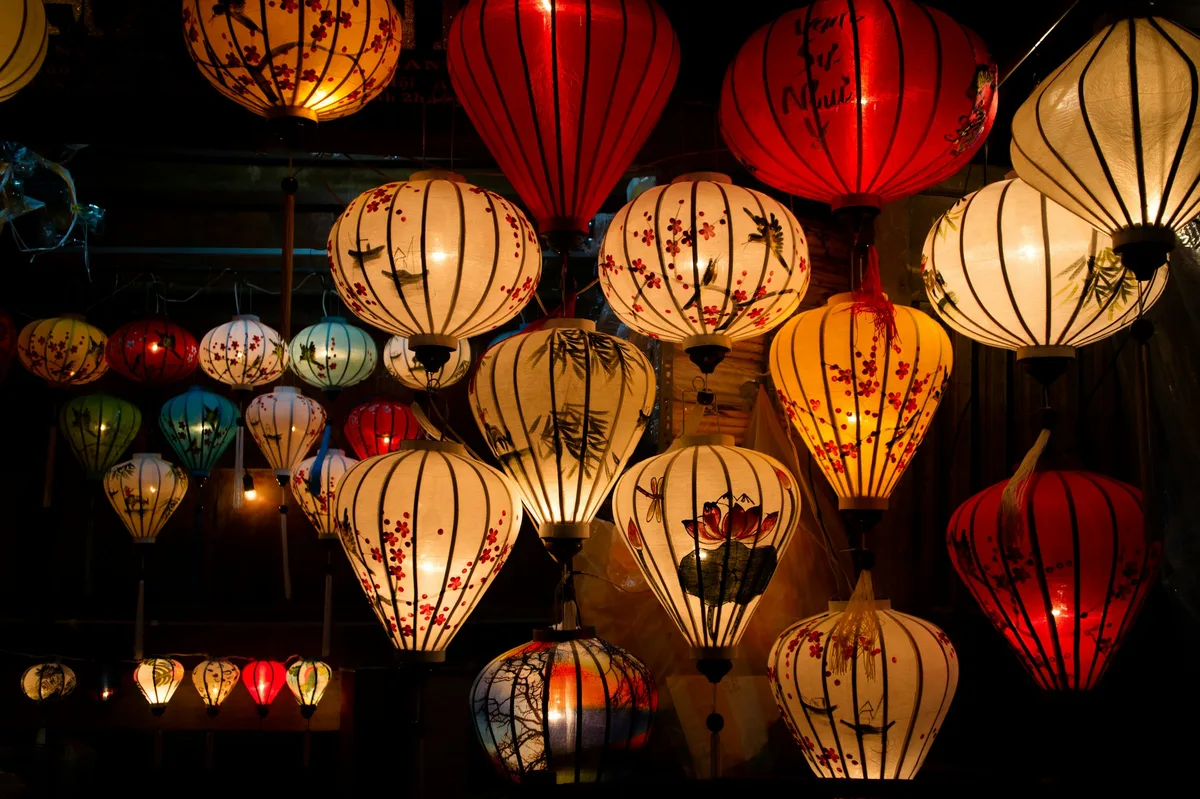
A UNESCO-listed former trading port on Vietnam's central coast, its old quarter strung with silk lanterns and lined with centuries-old merchant houses, including the Japanese Covered Bridge.
 Multi-Day Tours
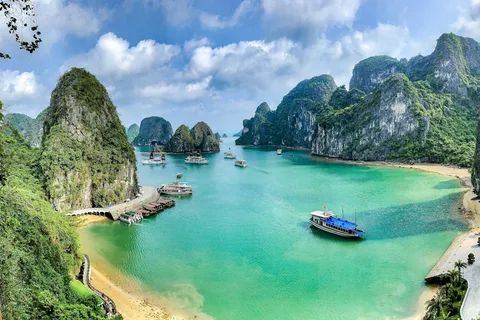
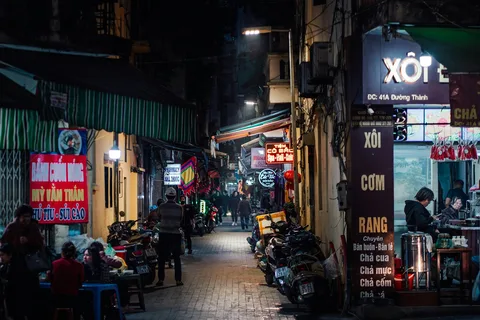
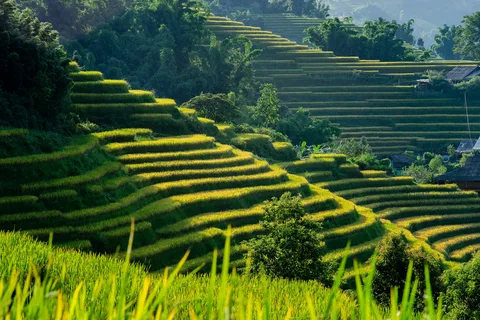
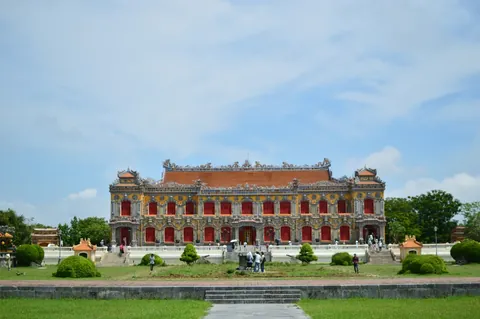
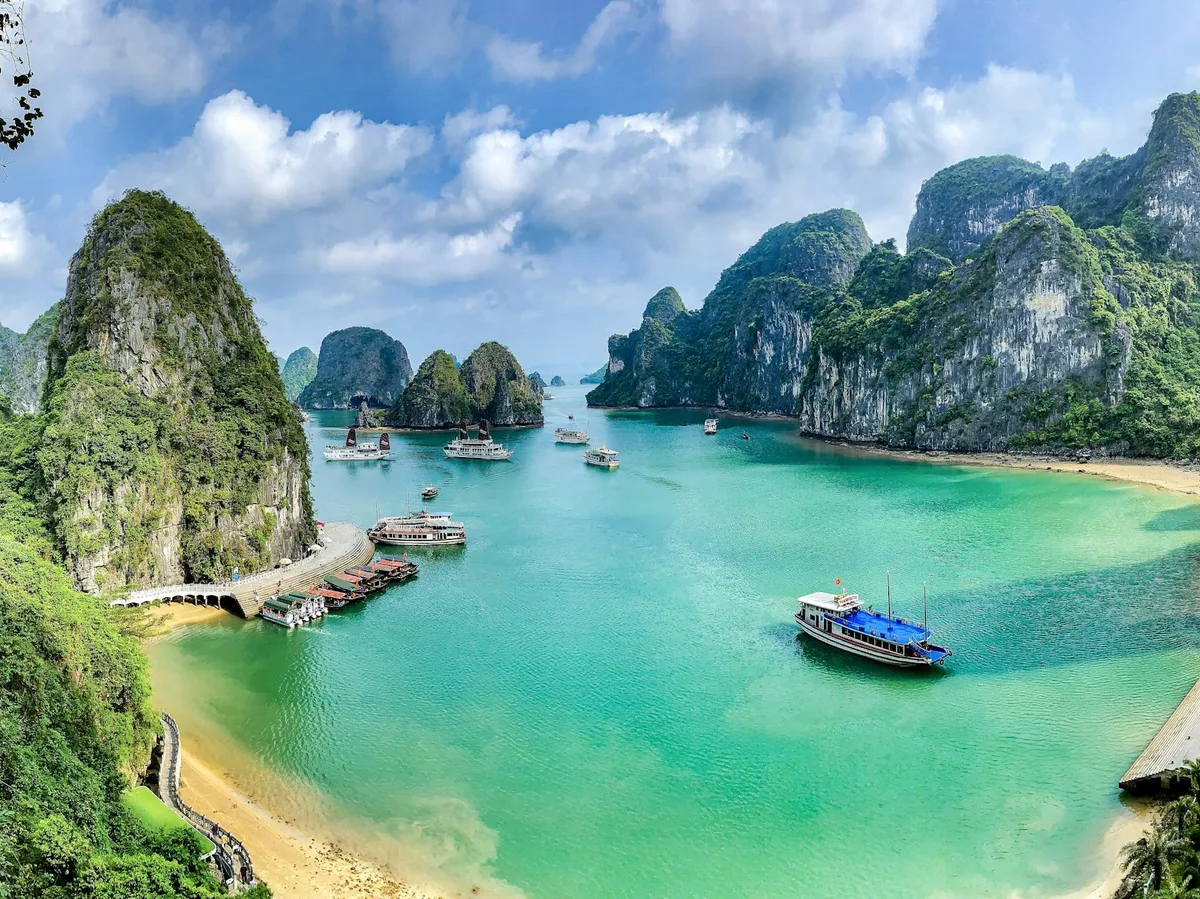
A 12-day private circuit from Hanoi's Old Quarter and Sapa's rice terraces to an overnight Ha Long Bay cruise, Hue's Imperial Citadel, Hoi An's Ancient Town, and the Mekong Delta from Ho Chi Minh City.
 Multi-Day Tours
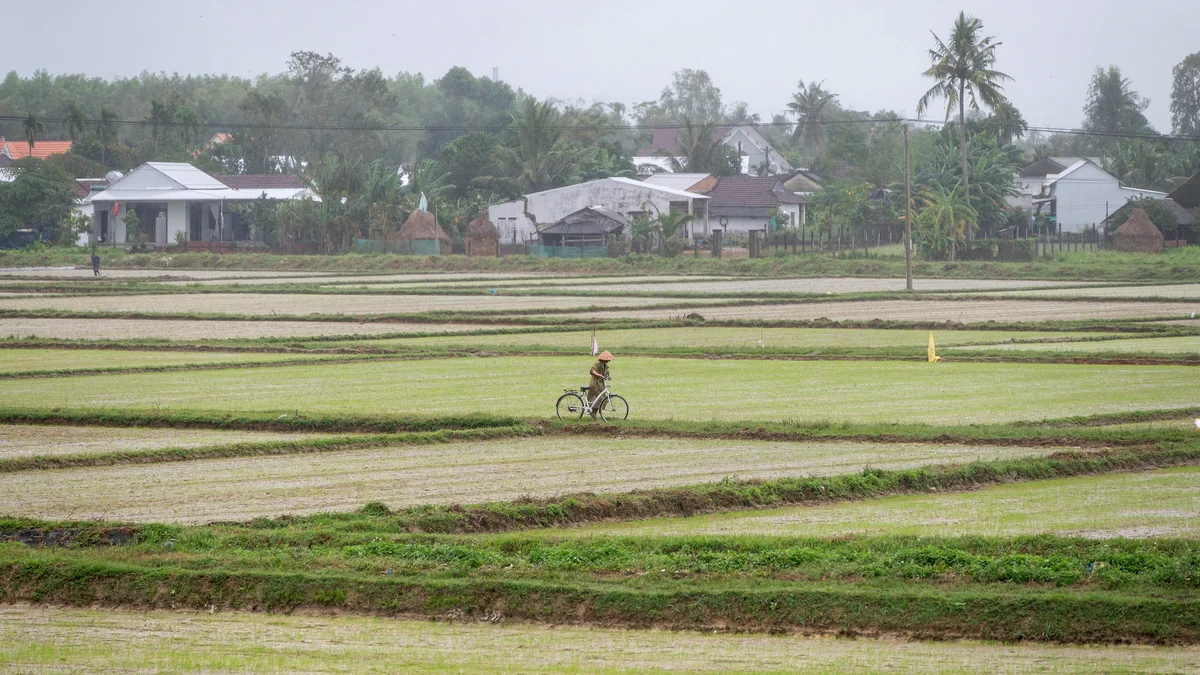
A 10-day private trip combining Hanoi, an eco-cycling day through Mai Chau's rice paddies, an overnight Ha Long Bay cruise, beach time near Hoi An, and the Mekong Delta's Cai Rang floating market.
Visitor guide
Hoi An Ancient Town is a preserved old trading port on the central coast of Vietnam, inscribed as a UNESCO World Heritage Site in 1999. Known in Vietnamese as Pho Co Hoi An, its compact street plan, timber merchant houses and assembly halls reflect centuries of contact between Vietnamese, Chinese and Japanese traders.
According to Wikipedia, the site lies downstream on the Thu Bon River, about 28 kilometres south of Da Nang, and was first associated with the Sa Huynh culture. From the 2nd century the Kingdom of Champa claimed the area and developed it into one of its foreign trading ports, a stop on the maritime Silk Road, and traces such as docks, old wells and the Trang Soi 1 archaeological site survive. Vietnamese settlers arrived in growing numbers from about the late 15th century under the control of the Nguyen clan. By the early 17th century, steady flows of Chinese and Japanese immigrants had settled to trade, and the town became one of the busiest trading posts in Southeast Asia for the next couple of centuries.
The old town covers about 30 hectares and is described in one source as containing 1,360 monuments and heritage sites, including 1,068 preserved houses; UNESCO's inscription text instead cites 1,107 timber-frame buildings. Its architecture records each group that lived there. Chinese immigrants built five assembly halls around the port in traditional styles that stress harmony and balance. The Japanese contribution is the wooden Japanese Bridge, about 18 metres long and traditionally dated to the late 16th or early 17th century (UNESCO's nomination says an inscription shows it existed by at least the early 18th century and that it has been reconstructed many times) and widely regarded as a signature landmark of the town. French colonial rule in the 19th century added French-style townhouses along some streets.
During the 19th century the port stagnated as Da Nang developed its own harbour and trade facilities. That decline proved fortunate for preservation, because little investment meant little redevelopment, and original materials and the old street plan stayed largely intact. Wikipedia describes the result as a remarkably intact townscape typical of 17th- and 18th-century trading towns.
Wikipedia also notes that several passages on the town's history are flagged as needing clarification, so specific dates for individual buildings are best confirmed on site or in the UNESCO documentation. What is clear is the pattern: an early Champa port, a Vietnamese and foreign merchant boom, a long quiet period after trade moved north to Da Nang, and a modern effort to protect what that quiet left behind. Walking the lanes today, a visitor can read that story in the roof lines, the carved timber of the assembly halls and the layout of the streets themselves.
Vietnam classified the town as a National Cultural Heritage Site in 1985 and upgraded it to a Special National Cultural Heritage Site in 2009. UNESCO inscribed it in December 1999, though Wikipedia gives slightly different day dates in its infobox and text. The whole old town is government-owned, and a buffer zone surrounds it, recorded as 280 hectares at inscription, though a later UNESCO document proposes correcting it to about 100 hectares. The compact streets reward unhurried walking, and a private guide with a driver can link the town with other places on the central coast while explaining who built which hall and house.
See every tour and attraction we cover in Vietnam.