TorontoOntario · 36 tours
 Niagara FallsOntario · 25 tours
 New York CityNew York · 30 tours
 Las VegasNevada · 8 tours
 San FranciscoCalifornia · 16 tours
 VancouverBritish Columbia · 17 tours
 DubaiUAE · 54 tours
 Abu DhabiUAE · 5 tours
 Buenos AiresArgentina · 23 tours
 AthensGreece · 31 tours
 AucklandNew Zealand · 38 tours
 CancunMexico · 54 tours
No destinations match “”. Try searching all tours instead — that search understands full questions, not just place names.
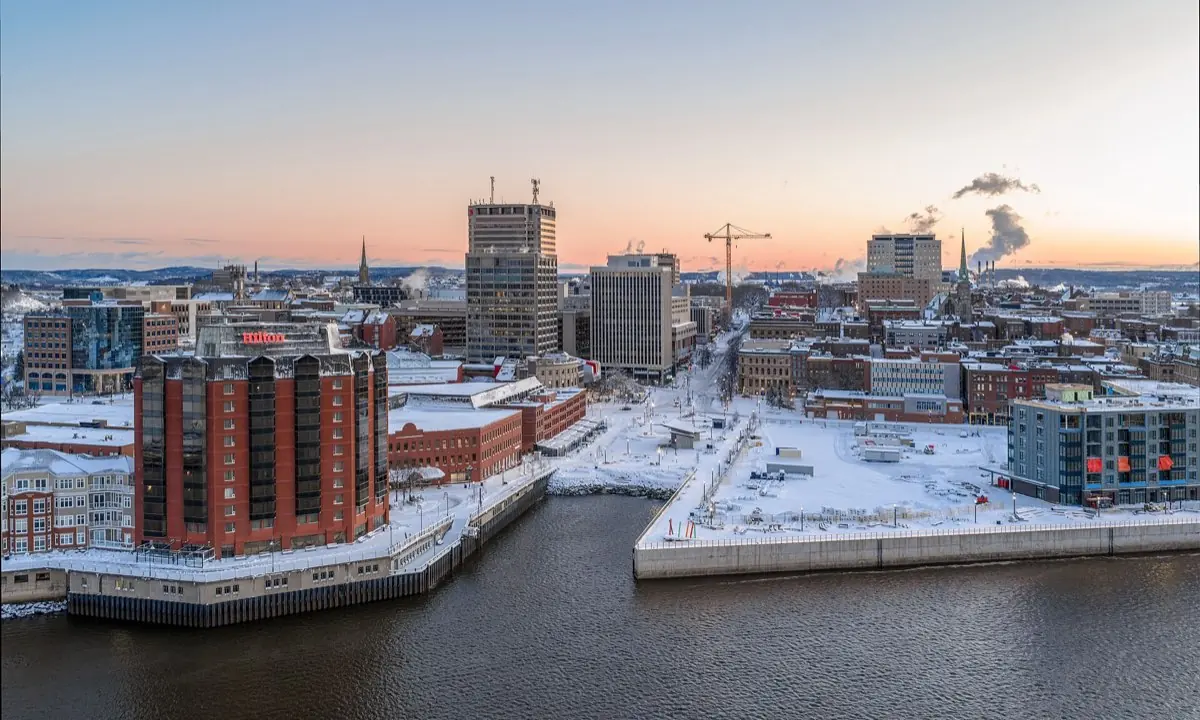
A waterfront walking and cycling trail along the Saint John Harbour.
Visitor guide
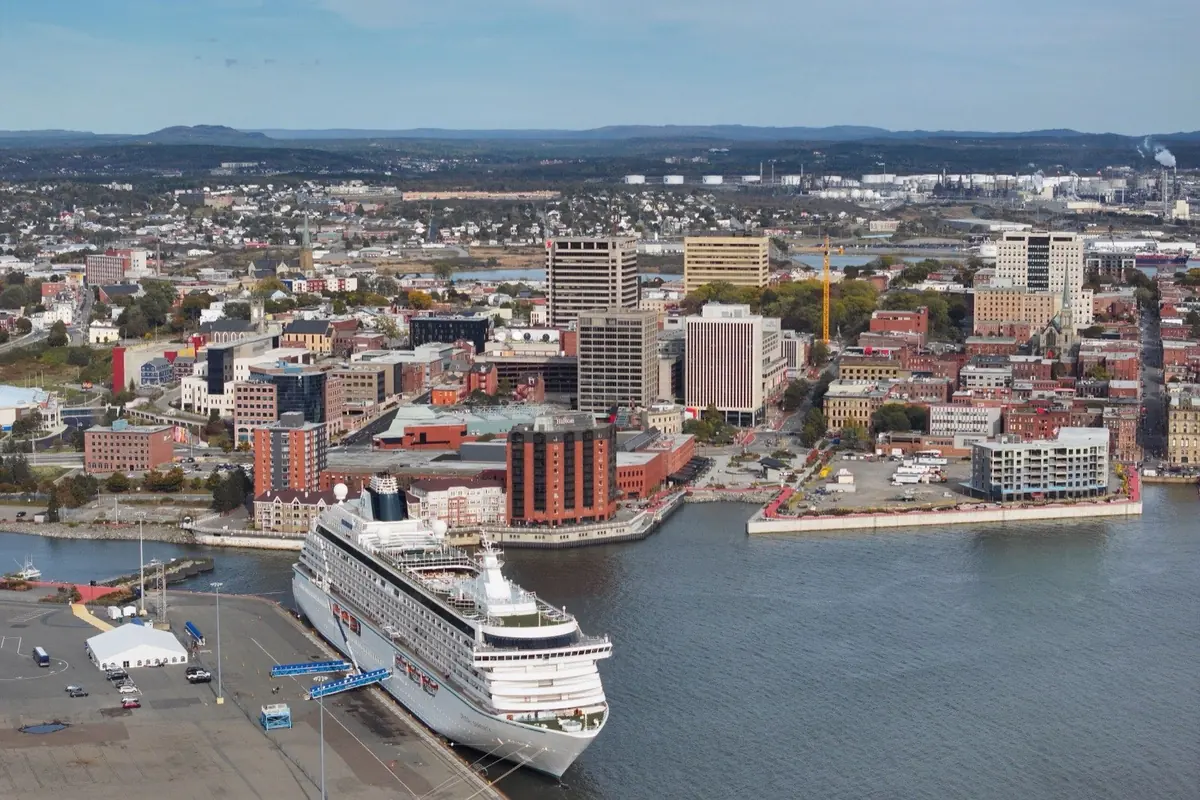
Harbour Passage is a network of paved and boardwalk walking and cycling trails along the working waterfront of Saint John, New Brunswick. It links uptown with the north and west sides of the city, and ends near the Reversing Falls. Interpretive panels along the route cover the harbour's history.
The City of Saint John describes it as a series of interconnected trails, lookouts and heritage sites with views of the harbour and active port. Published lengths differ because sources measure different parts: HikingNB lists the Market Wharf to Chesley Drive stretch at 1.9 km one way, a 2015 Boston Globe article put it at about 2.25 miles, Great Runs describes about 3.7 km out and back, and Earth magazine's geopark feature refers to a 4.5 km Harbour Passage trail. The trail starts at a boardwalk near Market Square, passes under the Harbour Bridge, climbs along the inner harbour, and ends on Chesley Drive, a short distance from the Reversing Falls lookout.
HikingNB reports that signs address Partridge Island, the Great Fire of 1877, and the defences built around the harbour over time. The city says its interpretive structures cover Saint John's shipbuilding and waterfront history. The surface changes from boardwalk to orange rubberised pavement. There are children's exhibits under the Harbour Bridge.
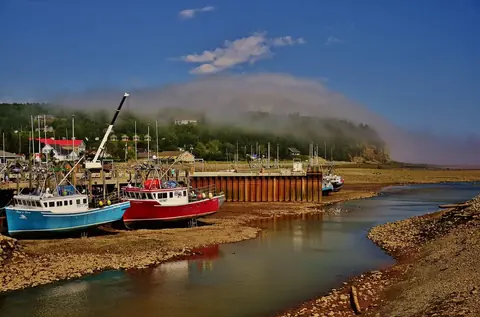
Wikipedia's Saint John article says Samuel de Champlain landed here on 24 June 1604, and that the harbour stays ice-free year-round thanks to the Bay of Fundy's large tides. Loyalist refugees began arriving in May 1783, with thousands landing within months, and the city was incorporated in 1785, which Wikipedia describes as making it Canada's oldest incorporated city. The Great Fire of 1877 is reported there to have destroyed roughly 40 percent of the city and left around 13,000 people homeless, after which rebuilding favoured brick and stone. The port remains active today, and Wikipedia describes it as Canada's third-largest by tonnage.
Partridge Island, visible near the harbour entrance about a kilometre off the west side, is the subject of several panels. Parks Canada designated the Partridge Island Quarantine Station a National Historic Site in 1974 for its role in 19th-century immigration to the Maritime Provinces. Its record says the station was established in 1830, and that about 2,000 Irish immigrants were quarantined there during the 1847 typhus epidemic, with 601 of them buried in a mass grave. The station operated until 1941 and the island was also used for military defence in both World Wars and as a light station. Sources disagree on some earlier dates, such as when quarantine use began.
Fort La Tour lies along the route. Charles de Saint-Étienne de la Tour built it in 1631 as a fortified fur-trading post, originally called Fort Sainte-Marie; the French occupied it from 1631 to 1645, and it became a National Historic Site of Canada in 1923. Parks Canada describes it as one of the earliest centres of the French fur trade in the region, where Indigenous traders brought furs down the Saint John River to exchange for goods such as beads and iron points.
The siege of 1645 is part of the Acadian civil war: Charles de Menou d'Aulnay attacked while La Tour was away, and Françoise-Marie Jacquelin, Madame de La Tour, led the defence. Accounts differ on how long it held out, with Parks Canada giving four days and the New Brunswick Museum three. Parks Canada notes the fort itself was destroyed at an unknown later date. Details of what visitors see today vary, so consult the city.
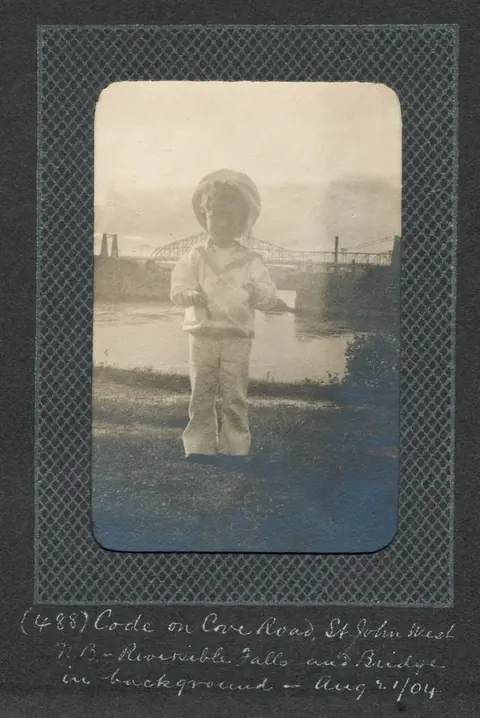
Wikipedia describes the Reversing Falls as a series of tidal rapids where the Saint John River passes through a narrow gorge into the Bay of Fundy; twice-daily tides push water upstream, and underwater ledges churn the water in both directions. Earth magazine says tides of up to 8 metres in Saint John push the river backward over a Precambrian marble ridge and notes that the geologist Charles Lyell visited in September 1852. Vessels must wait for slack tide to pass, and the rapids change with the tide, so check timing before you go.
A 2024 federal and municipal announcement committed roughly $1.5 million, reportedly $813,540 federal and $681,460 city, to a mainly off-street 400-metre section called the Cove between Riverview Avenue and Riverview Drive.
See every tour and attraction we cover in Saint John.