TorontoOntario · 36 tours
 Niagara FallsOntario · 25 tours
 New York CityNew York · 30 tours
 Las VegasNevada · 8 tours
 San FranciscoCalifornia · 16 tours
 VancouverBritish Columbia · 17 tours
 DubaiUAE · 54 tours
 Abu DhabiUAE · 5 tours
 Buenos AiresArgentina · 23 tours
 AthensGreece · 31 tours
 AucklandNew Zealand · 38 tours
 CancunMexico · 54 tours
No destinations match “”. Try searching all tours instead — that search understands full questions, not just place names.
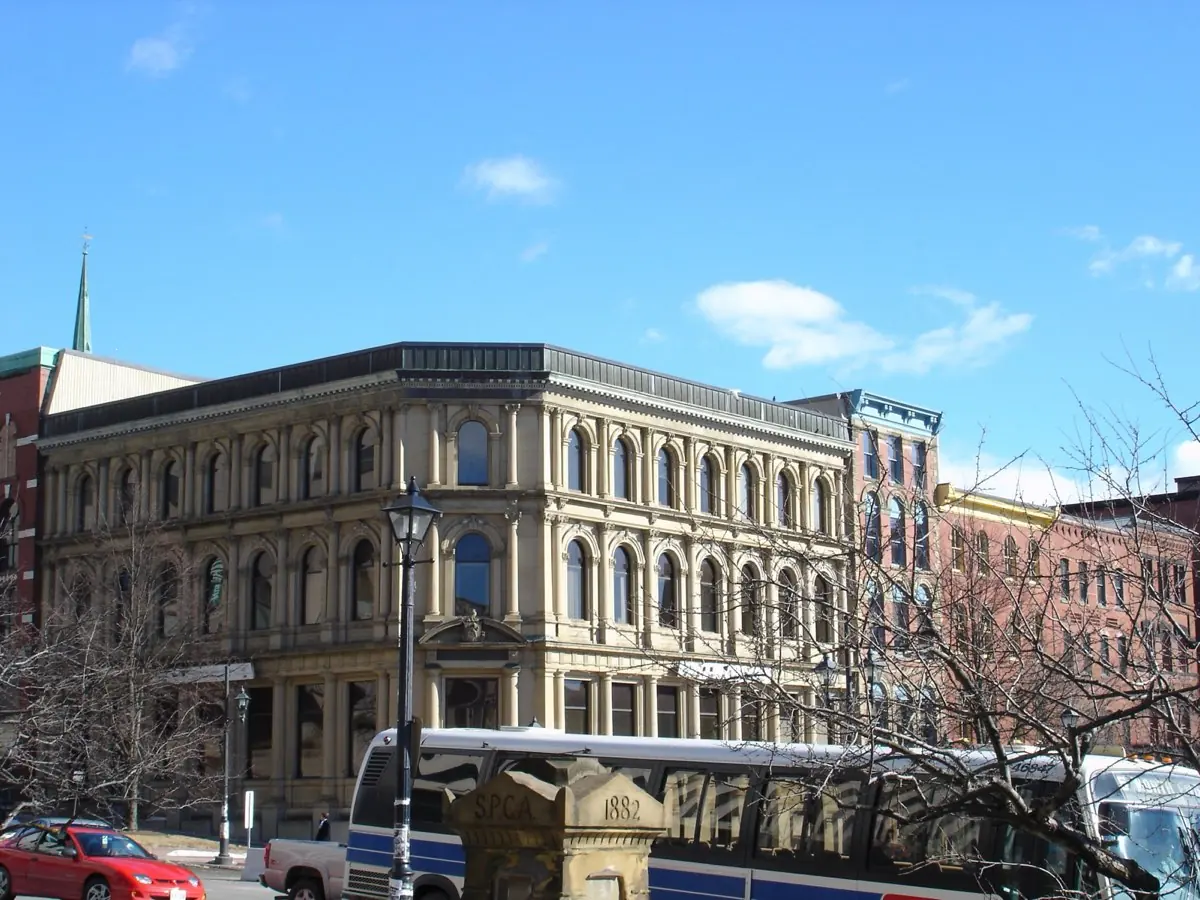
Preserved 19th-century stone architecture along the city's walkable historic core.
Visitor guide
Historic Uptown Saint John is the downtown core of New Brunswick's largest city, centred on the Trinity Royal Heritage Conservation Area, designated in 1982 as the city's first heritage conservation area. Its brick and stone streets are largely the product of rebuilding after the Great Fire of 1877. It is a compact, walkable district of Victorian commercial buildings, churches and small parks.
Saint John was settled in 1783 by British Loyalists who left the United States after the American Revolution, and the district's Loyalist Trail walk follows their footsteps. Trinity Anglican Church, around which the heritage area is organized, is a parish founded in 1783, although the present church dates from after the fire. Wikipedia describes Saint John as the first incorporated city in what is now Canada, a status best quoted with that source.
The fire began on 20 June 1877 near York Point and, according to local heritage sources, caused more than $27 million in damage and left about 13,000 people homeless within nine hours. A federal Canadian Register entry for a building in the district says two thirds of the city was destroyed, while Wikipedia gives about 40 percent of buildings for the same event, so the extent is best described as large. Wooden construction and closely packed, flammable stock helped the fire spread.
Builders, architects and craftsmen came from other North American cities to rebuild the port, and local sources date much of the work to 1877 through 1881 or a construction boom of eight to ten years. Brick and stone signalled a more fire-resistant city. The Canadian Register entry for the Bank of New Brunswick building on Prince William Street, built in 1879 to a design by Henry Starbuck, is a good example, with six Corinthian columns on a classical pediment. Prince William Street itself was designated in 1981 as the first federally designated historic streetscape in Canada.
Boundaries differ by source. Wikipedia describes the area as bounded by King, Water, Queen and Charlotte Streets plus the adjacent Sydney Street, while Discover Saint John describes King, Charlotte, Water and St. James Streets, about twenty blocks with more than 300 properties. The name comes from three churches along Germain Street, and the Three Sisters Lamp is its symbol. Preservation came late: many old buildings were demolished in the 1960s and 1970s before the 1982 designation.
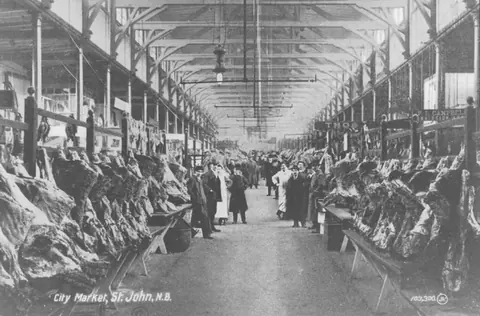
King's Square, Queen's Square and the Loyalist Burial Ground sit within or beside the district. The Saint John City Market, built in 1874-1876 and designated a National Historic Site in 1986, stands on Charlotte Street at its edge, and the old buildings now hold shops, galleries, pubs and restaurants. Interior access, tours and opening hours vary by building, so check with individual sites and the City of Saint John.
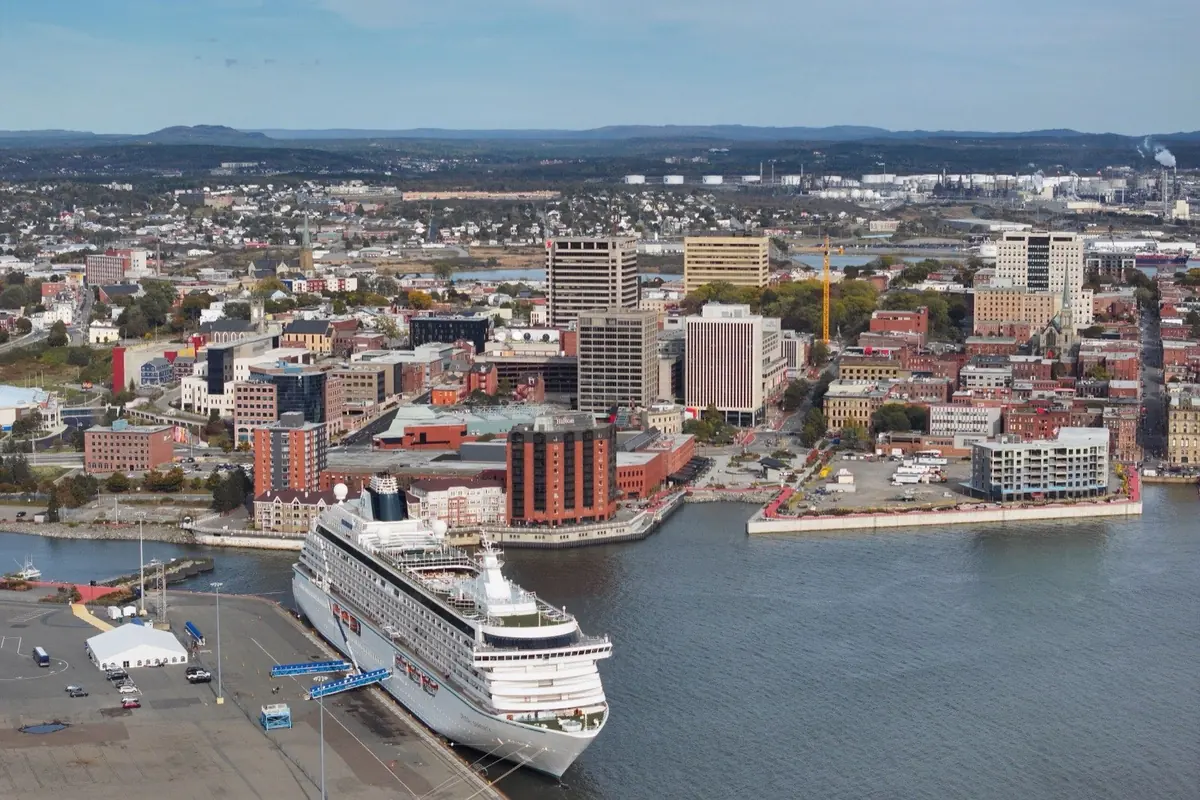
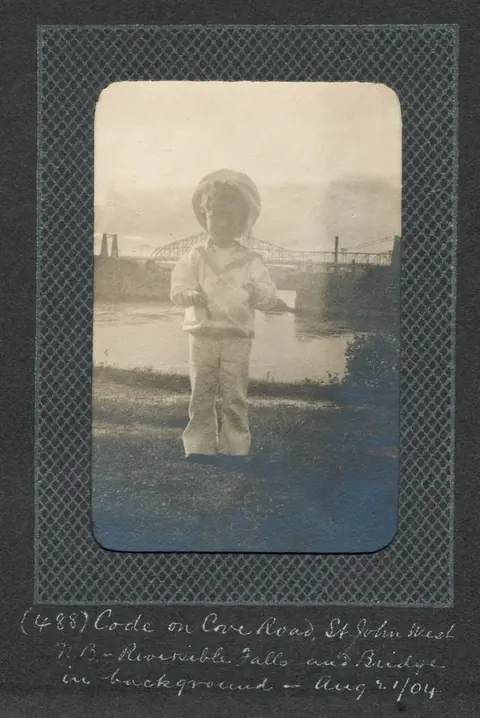
The harbour, the Reversing Falls and Irving Nature Park are a short drive away. Voyzo runs this as a private tour with your own vehicle and driver and door-to-door pickup, so the timing can be built around the tide or the weather rather than a shared schedule.
See every tour and attraction we cover in Saint John.