TorontoOntario · 36 tours
 Niagara FallsOntario · 25 tours
 New York CityNew York · 30 tours
 Las VegasNevada · 8 tours
 San FranciscoCalifornia · 16 tours
 VancouverBritish Columbia · 17 tours
 DubaiUAE · 54 tours
 Abu DhabiUAE · 5 tours
 Buenos AiresArgentina · 23 tours
 AthensGreece · 31 tours
 AucklandNew Zealand · 38 tours
 CancunMexico · 54 tours
No destinations match “”. Try searching all tours instead — that search understands full questions, not just place names.
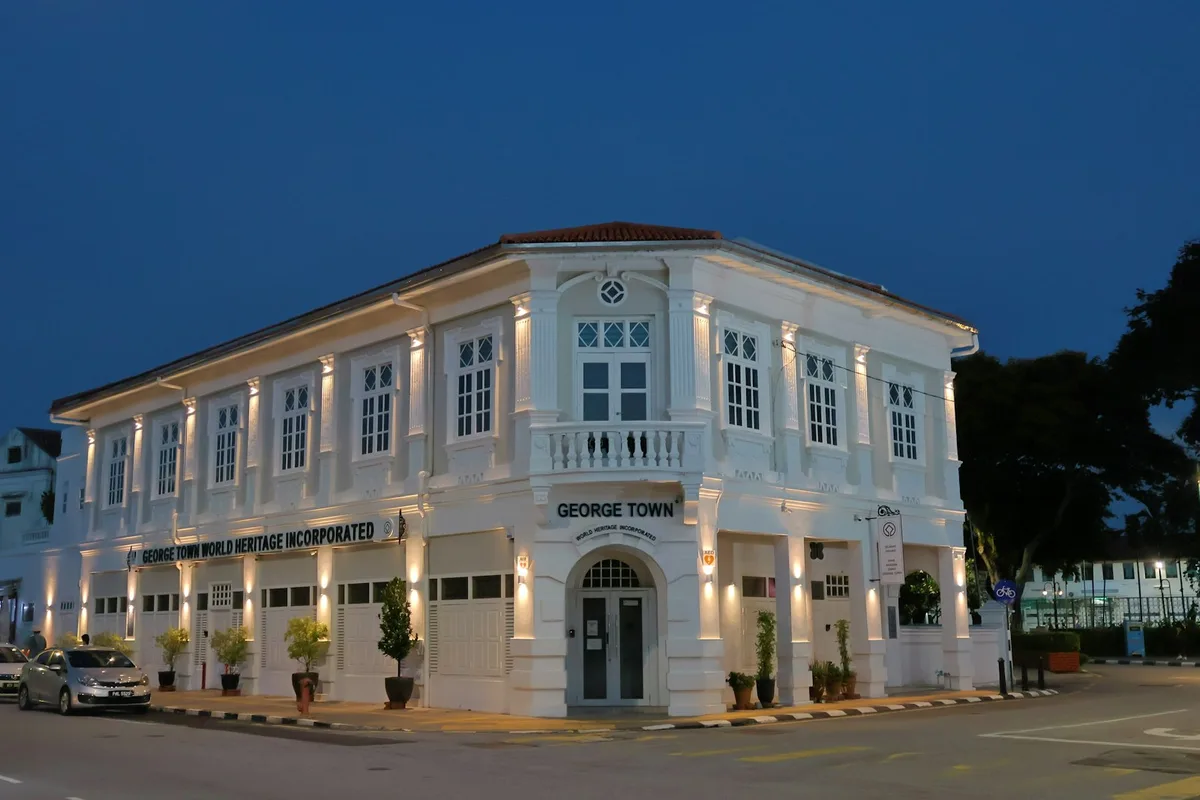
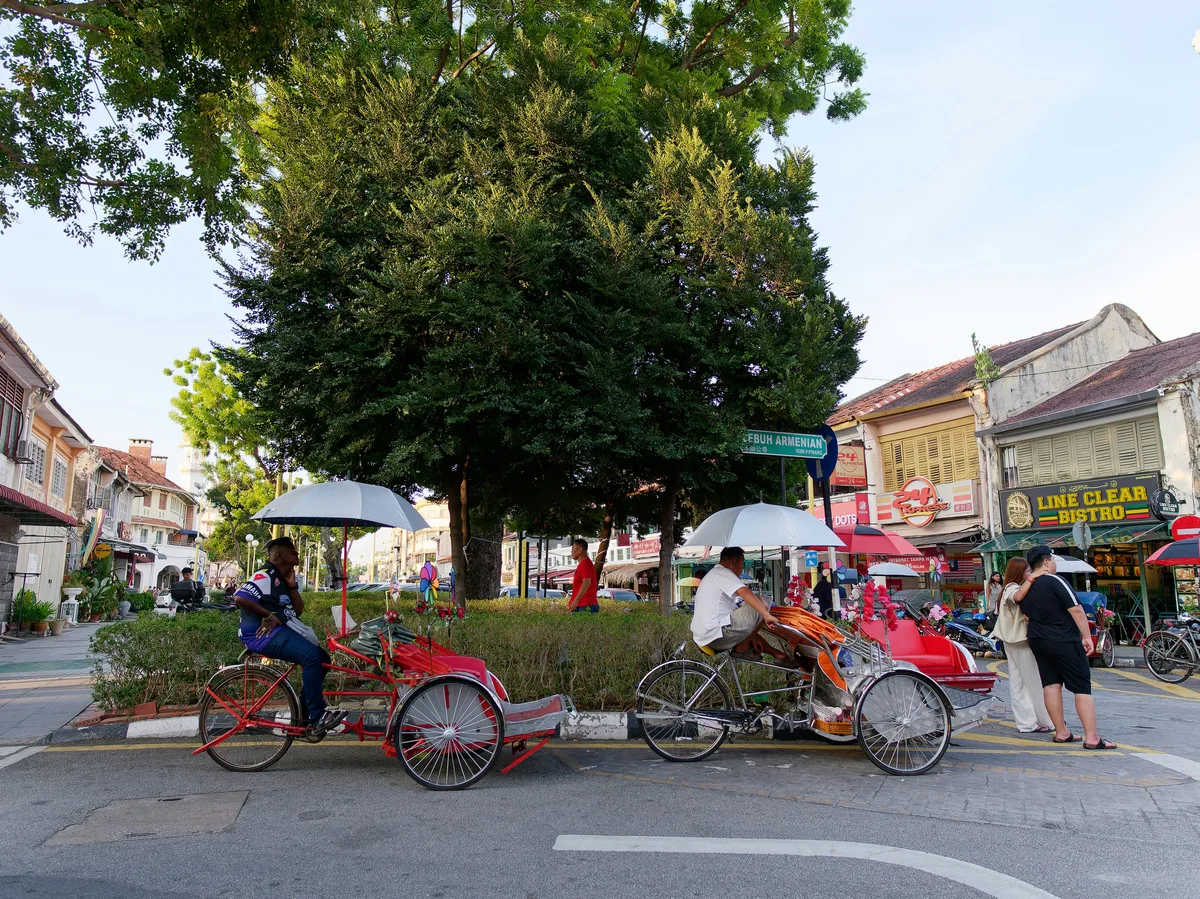
Penang's UNESCO-listed colonial-era capital, known for its mix of British, Chinese, Indian and Malay heritage buildings, street art murals, and hawker food culture along streets like Lebuh Armenian.
 Multi-Day Tours
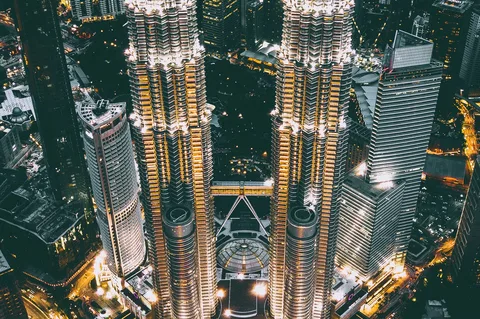
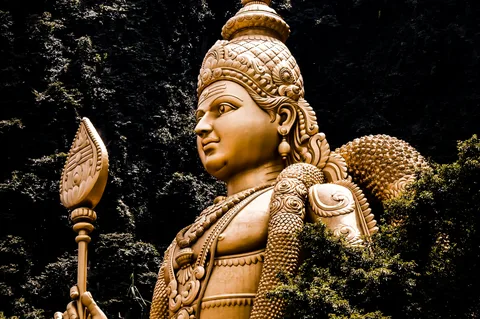
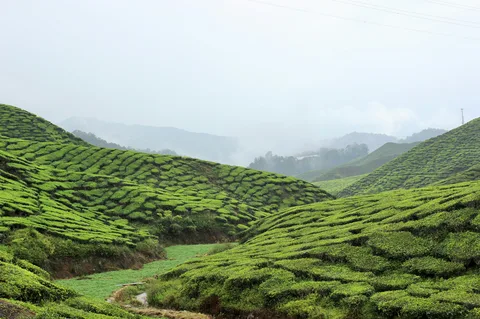
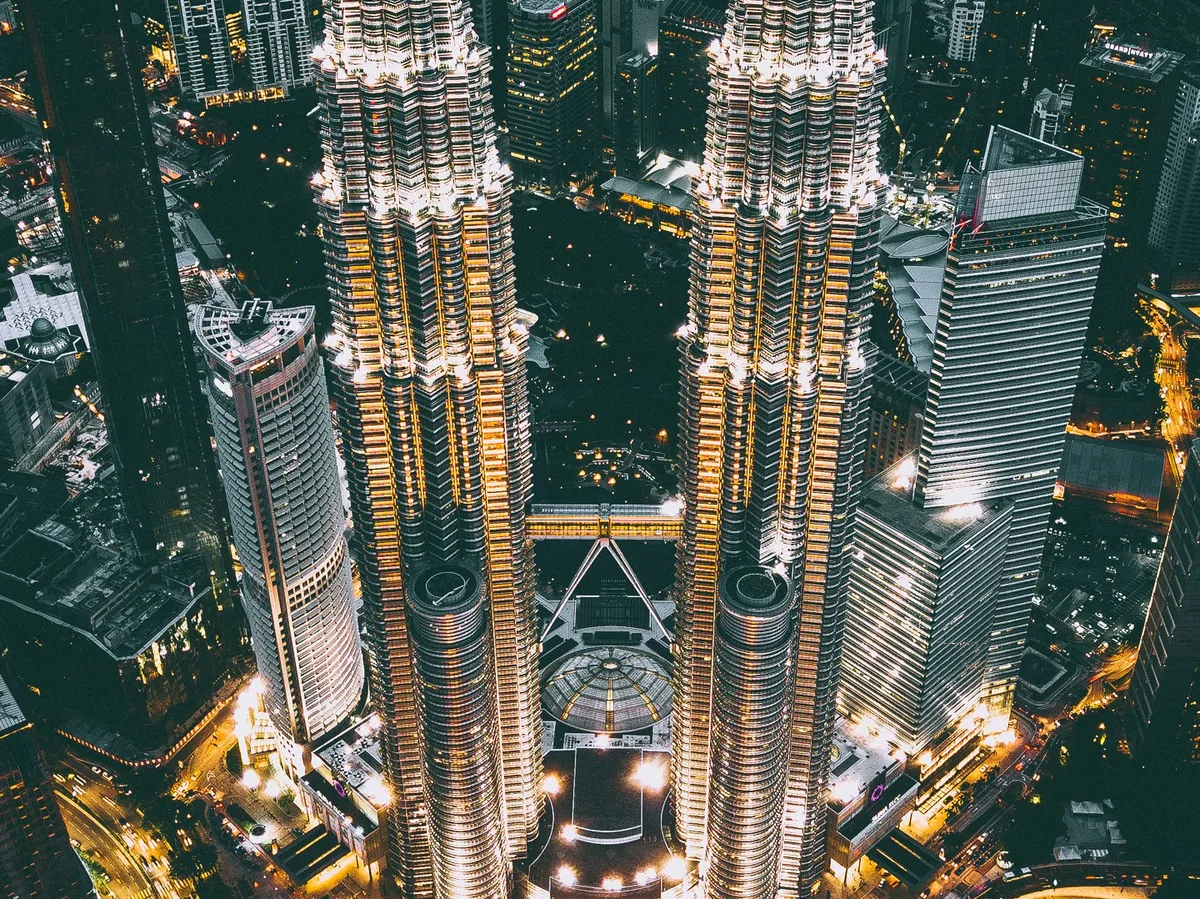
An 8-day family circuit through Peninsular Malaysia — the Petronas Twin Towers and Batu Caves in Kuala Lumpur, the tea plantations of the Cameron Highlands, and the heritage streets and temples of Penang's Georgetown.
 Multi-Day Tours
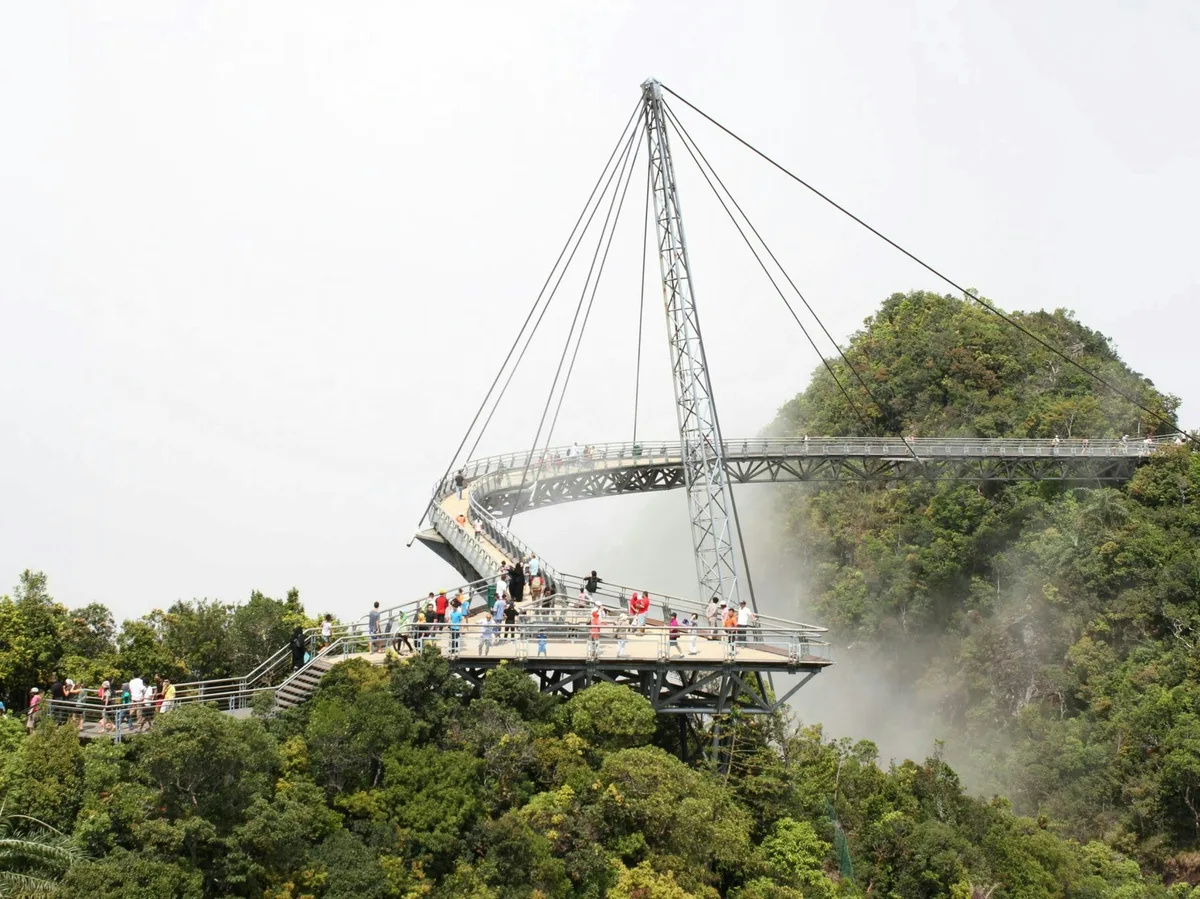
A 12-day luxury circuit from Kuala Lumpur's skyline and a Dinner in the Sky experience, through Ipoh's cave temples and Penang's colonial heritage, to four nights unwinding in Langkawi.
 Multi-Day Tours
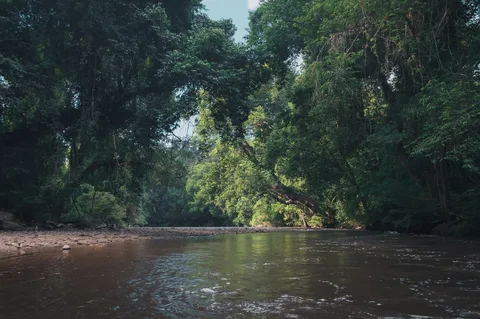
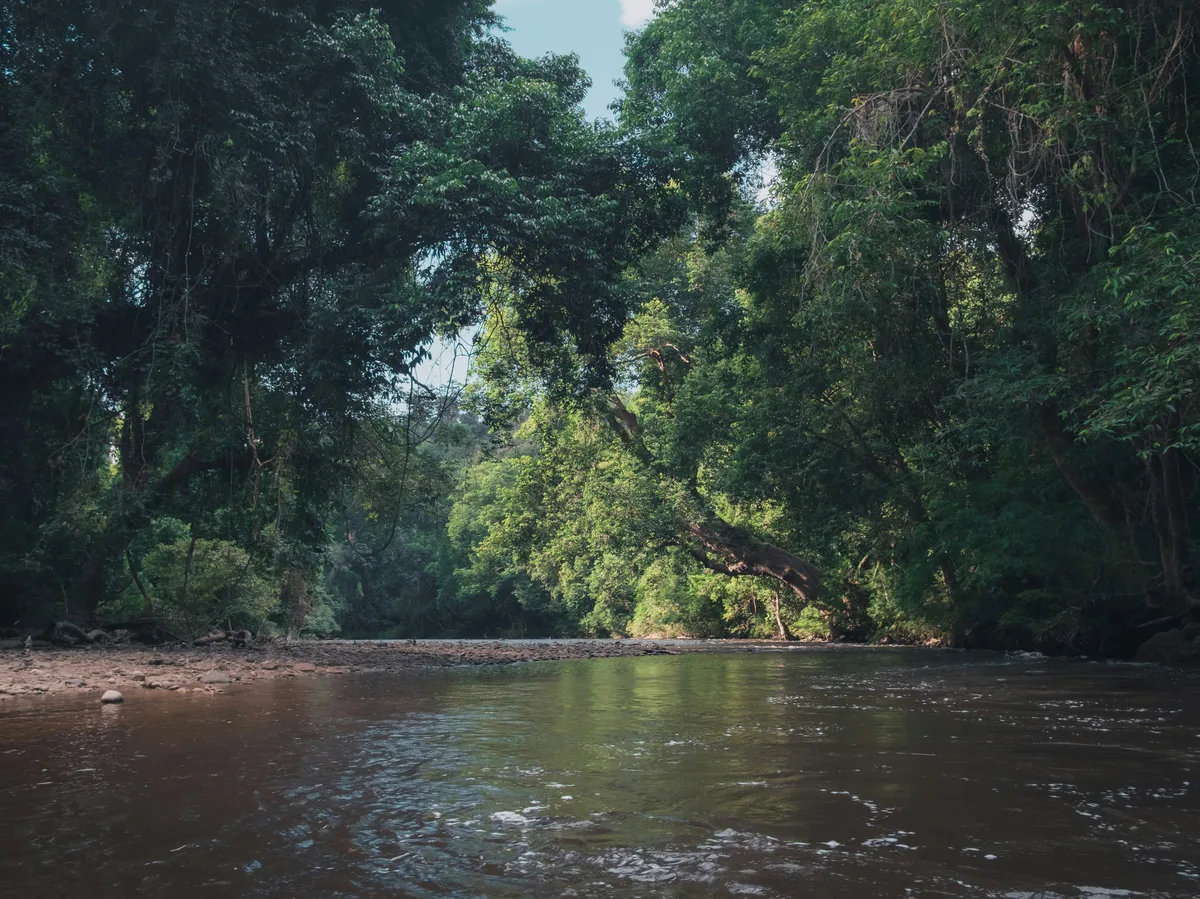
A 12-day classic route from historic Malacca and cosmopolitan Kuala Lumpur into Taman Negara, one of the world's oldest tropical rainforests, then up to the Cameron Highlands' tea country and Penang's heritage streets.
 Multi-Day Tours
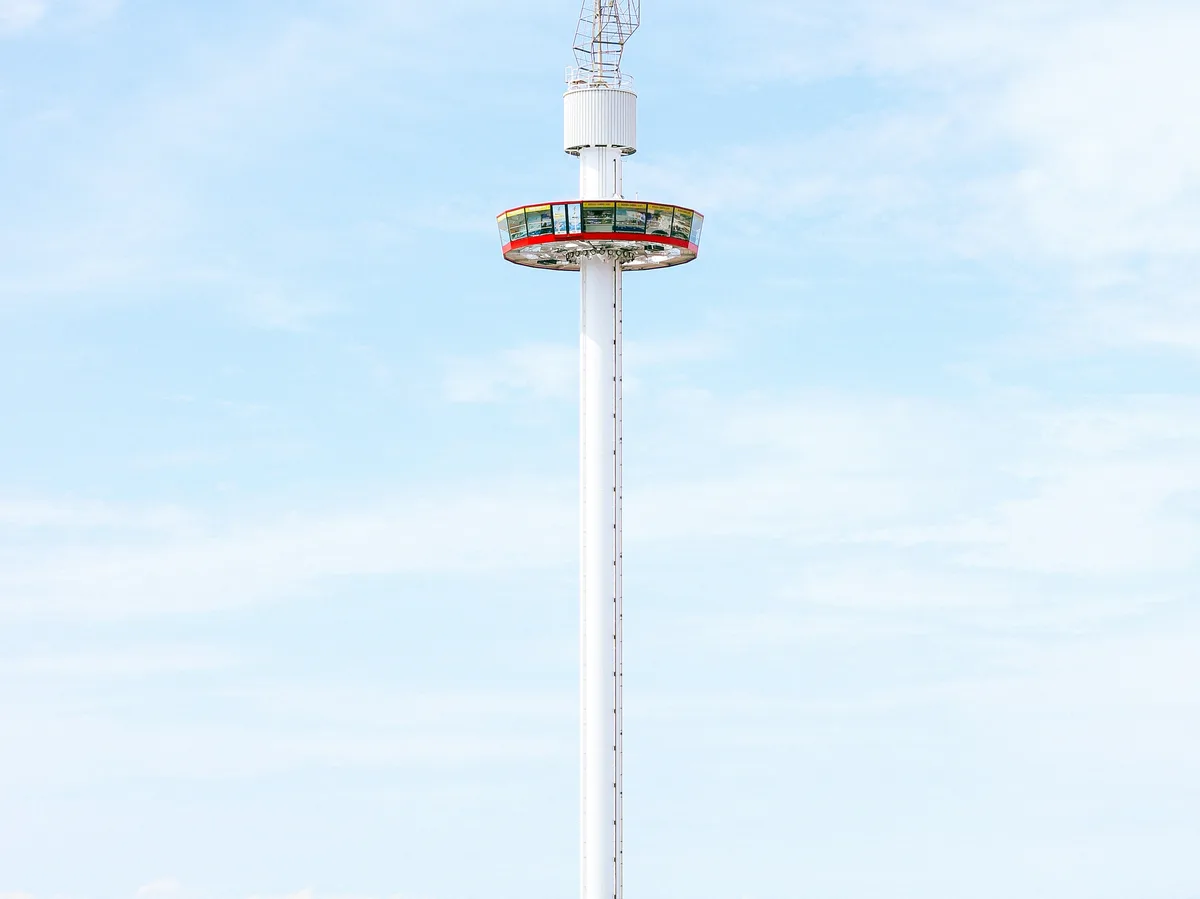
An 8-day introduction to both sides of Malaysia — Kuala Lumpur's skyline, the tea plantations of the Cameron Highlands, Penang's heritage streets, and a stop in Kuching, the capital of Sarawak on Borneo.
 Multi-Day Tours
A 12-day deep dive along Malaysia's west coast — the trading-port heritage of Malacca, the skyline of Kuala Lumpur, jungle trekking in Taman Negara, tea country in the Cameron Highlands, Penang's heritage streets, and three nights unwinding in Langkawi.
 Multi-Day Tours
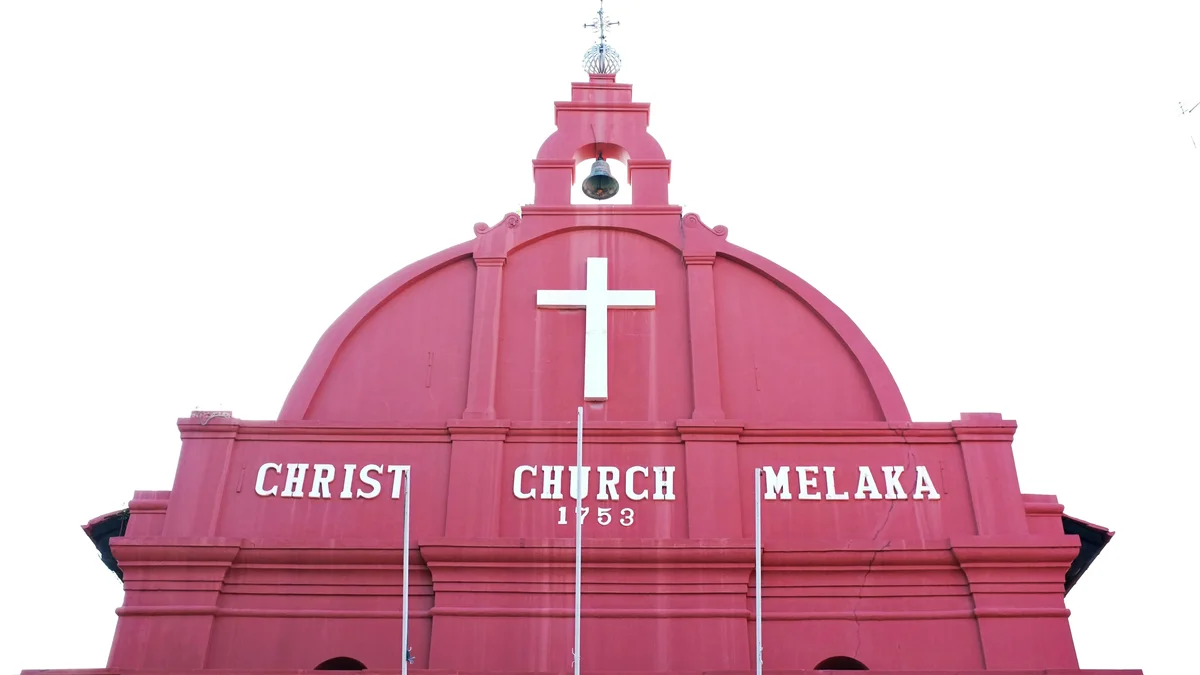
An 8-day cultural route up the length of Peninsular Malaysia — Malacca's UNESCO heritage streets, Kuala Lumpur's landmarks and food scene, the tea plantations of the Cameron Highlands, and Penang's heritage walking tours.
 Multi-Day Tours
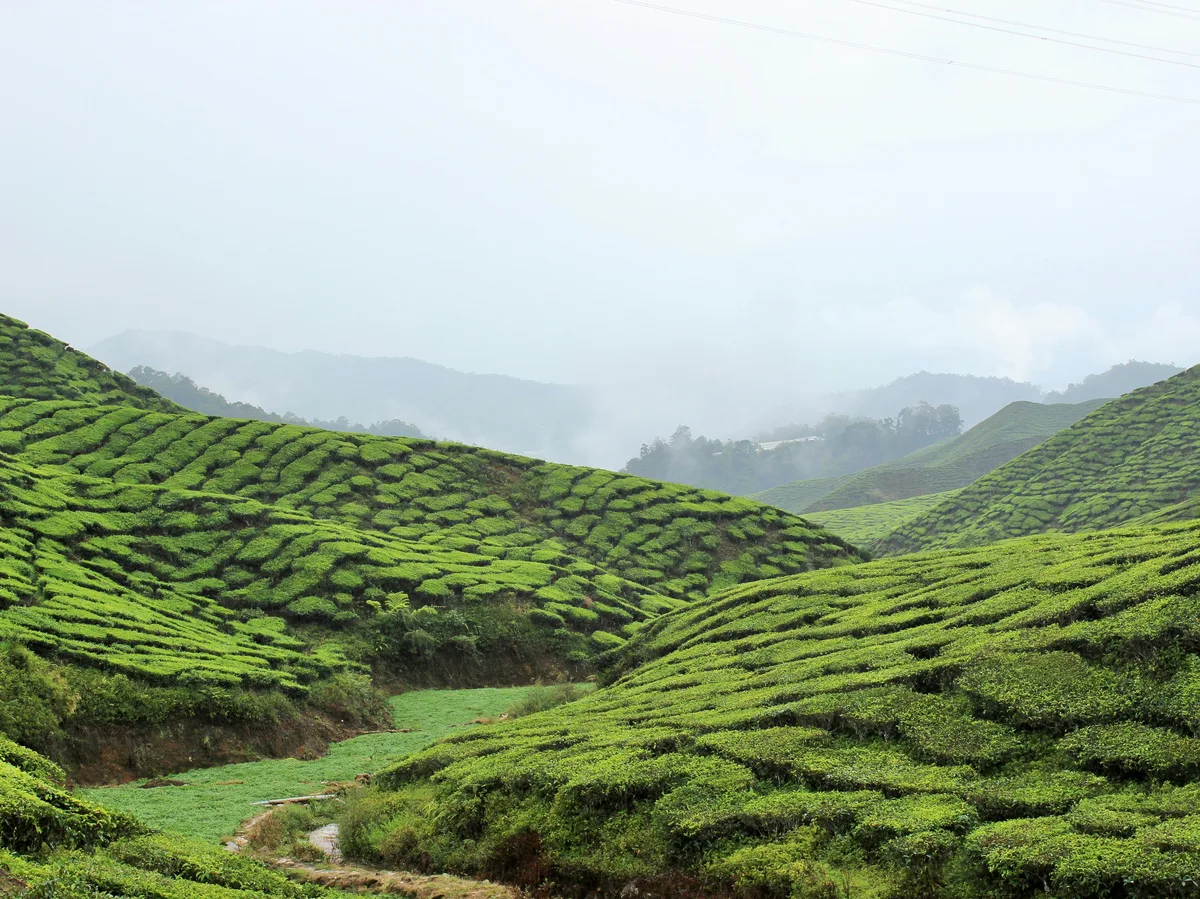
A 12-day journey through Peninsular Malaysia's full range of landscapes — Kuala Lumpur and Batu Caves, the Cameron Highlands' Mossy Forest, two nights deep in the 130-million-year-old Belum-Temenggor Rainforest, Penang, Langkawi's islands, and historic Melaka.
 Multi-Day Tours
A 12-day family-friendly circuit through Malaysia — Batu Caves and the Petronas Towers in Kuala Lumpur, the Mossy Forest and Mount Brinchang in the Cameron Highlands, Penang's Georgetown, beach time in Langkawi, family time in Johor Bahru, and historic Melaka.
Visitor guide
George Town is the capital of the Malaysian state of Penang, a port city on the northeast cape of Penang Island. Part of its historic centre was inscribed as a UNESCO World Heritage Site in 2008 for a British-era cityscape that blends shophouses, temples, mosques and churches. It is also known for its street art and for a food scene that Wikipedia says draws on Malay, Chinese, Indian, Peranakan and Thai influences.
According to Wikipedia, the British East India Company's Francis Light negotiated the acquisition of Penang Island from the Sultan of Kedah, and Light landed on 17 July 1786 and took formal possession on 11 August in the name of King George III. George Town is described as the first British colonial possession in Southeast Asia. Light cleared the jungle at the cape, built Fort Cornwallis as the first structure and laid out the first streets, Light, Beach, Chulia and Pitt, in a grid that was later replicated in Singapore.
The settlement grew rapidly as a free port and a conduit for the spice trade, drawing immigrants from across Asia. George Town became capital of the Straits Settlements in 1826 but lost that status to Singapore in 1832. Shortly before Malaya's independence in 1957 it was declared a city by Queen Elizabeth II, which made it the first city in the country's history.
In 2008 UNESCO inscribed a core zone of about 109 hectares of the city centre, with a buffer zone of about 150 hectares, as a World Heritage Site, recognising what it called a unique architectural and cultural townscape without parallel anywhere in East and Southeast Asia. Wikipedia reports that the city council has identified 3,642 heritage buildings in the zone, with shophouses sitting alongside Anglo-Indian bungalows, mosques, temples, churches and European-style administrative buildings.
Landmarks include the Khoo Kongsi clan house, the Kapitan Keling Mosque and the Sri Mahamariamman Temple. Elsewhere on the island the influence of Siamese and Burmese cultures can be seen at places of worship such as Wat Chayamangkalaram, the Dhammikarama Burmese Temple and Kek Lok Si. The heritage listing followed a period of decline in the old core, when the repeal of rent control in 2001 left colonial buildings in disrepair, and civil society groups campaigned for conservation.
In 2012 the Lithuanian artist Ernest Zacharevic created a series of murals showcasing local culture and daily life, and the city is now decorated with 52 wrought-iron caricatures and 18 wall murals that depict its history and community. Wikipedia lists the George Town Festival, held since 2010, as one of the major yearly arts events in Southeast Asia, and the George Town Literary Festival won an international award at the London Book Fair in 2018.
George Town is also the birthplace of Bangsawan, a form of Malay theatre influenced by Indian, Western, Islamic, Chinese and Indonesian traditions, and the Penang version of the Chingay procession, in which participants balance giant flags, has been held since 1919.
The city's cuisine is a major draw. Street food includes char kway teow, asam laksa and nasi kandar, and CNN has described George Town as the food capital of Malaysia, while Time and Lonely Planet have listed it among the best in Asia for street food. The Michelin Guide made its Penang debut in 2022, praising the state's small restaurants and street food. Vendors and opening hours change, so ask a local guide for current recommendations.
The heritage core is compact and best explored slowly, on foot or by trishaw, with stops at clan houses, temples and cafes. A private guided visit with a driver helps link the old town with sights farther out, such as Penang Botanic Gardens, founded in 1884 as Malaysia's first botanical garden according to Wikipedia, and gives context on how the Chinese, Indian, Malay and European communities shaped the city.
See every tour and attraction we cover in Malaysia.