TorontoOntario · 36 tours
 Niagara FallsOntario · 25 tours
 New York CityNew York · 30 tours
 Las VegasNevada · 8 tours
 San FranciscoCalifornia · 16 tours
 VancouverBritish Columbia · 17 tours
 DubaiUAE · 54 tours
 Abu DhabiUAE · 5 tours
 Buenos AiresArgentina · 23 tours
 AthensGreece · 31 tours
 AucklandNew Zealand · 38 tours
 CancunMexico · 54 tours
No destinations match “”. Try searching all tours instead — that search understands full questions, not just place names.
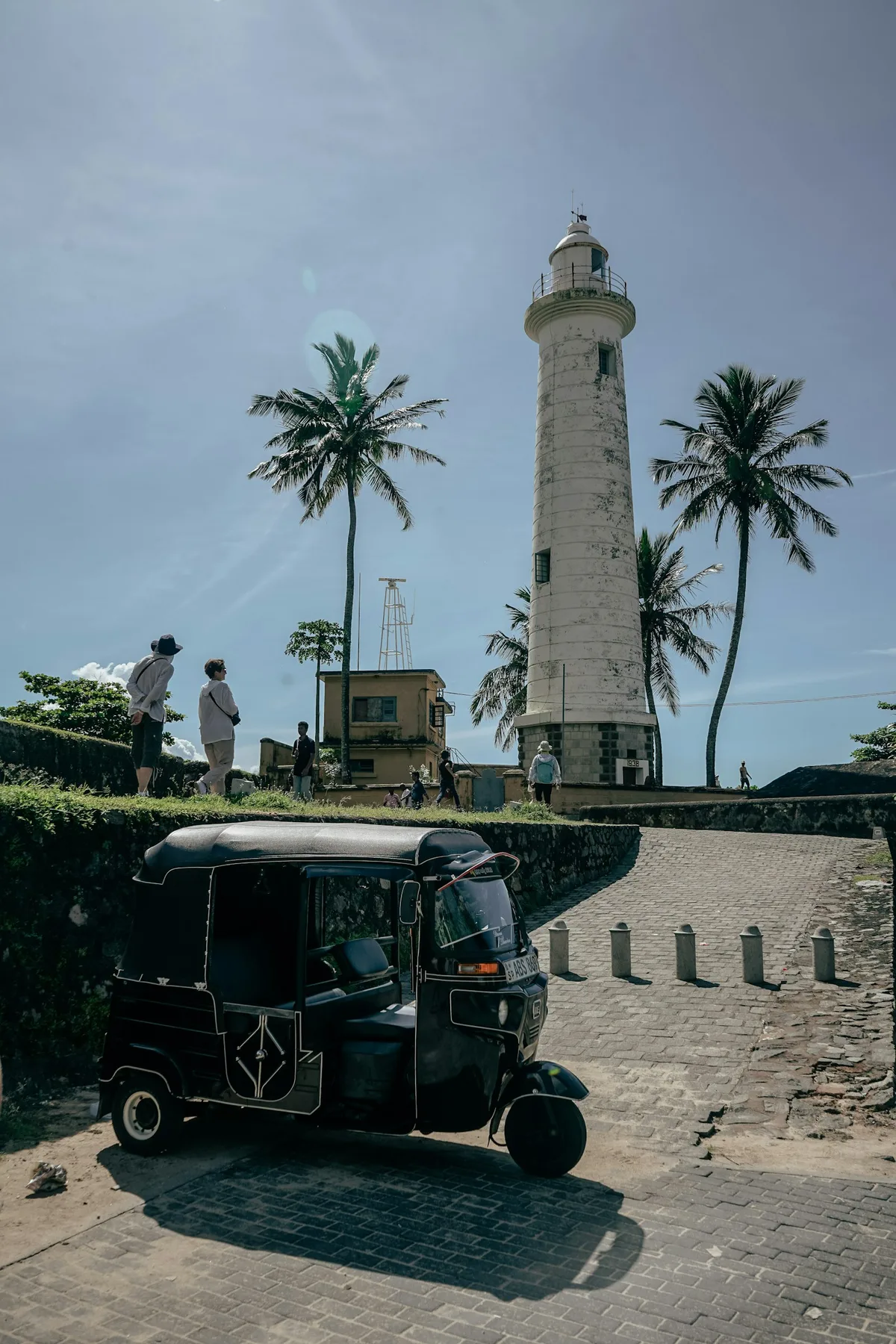
A fortified coastal old town built by the Portuguese and expanded by the Dutch in the 17th century, its ramparts and lighthouse still standing above the Indian Ocean.
 Multi-Day Tours
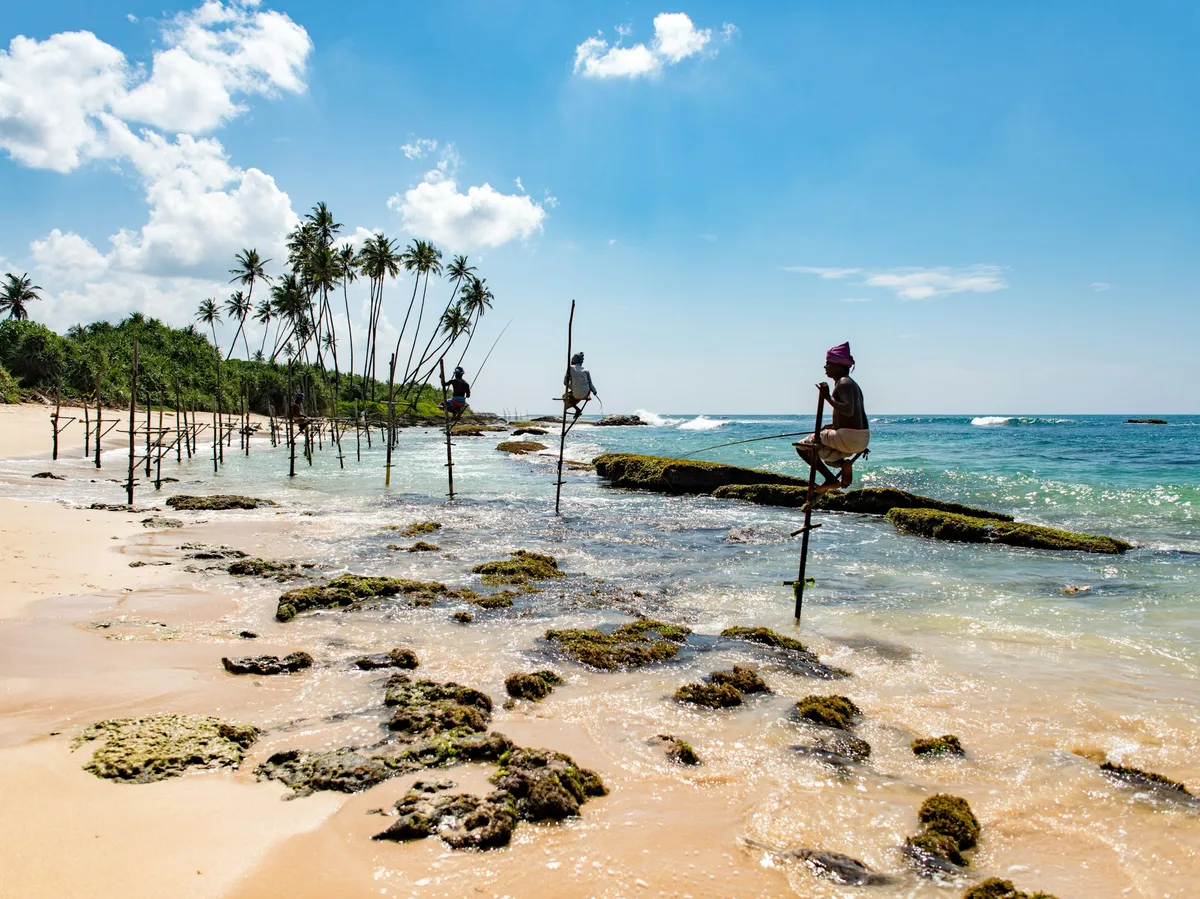
A 12-day private route along Sri Lanka's southern coast — Bentota's beaches and turtle conservation, the Sinharaja rainforest, Galle's Dutch Fort, and safaris in Yala National Park.
 Multi-Day Tours
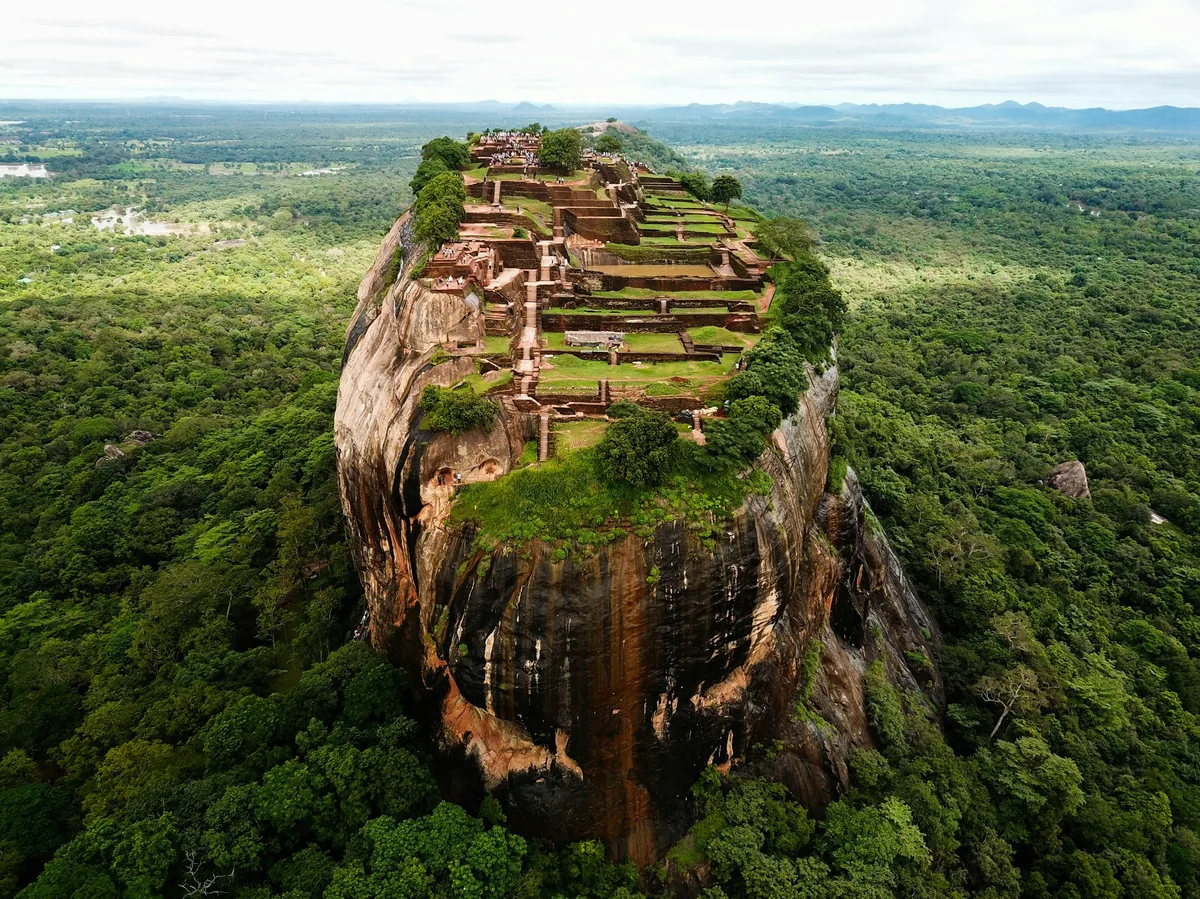
A 13-day private tour spanning Negombo, Sigiriya's rock fortress, the ancient ruins of Polonnaruwa, Kandy, a scenic train to Ella, a Yala safari, and Galle's Dutch Fort.
Visitor guide
Galle Fort, also called the Dutch Fort or the Ramparts of Galle, is a historic fortified old town on the southwest coast of Sri Lanka, in Galle Bay. Built first by the Portuguese and then extensively fortified by the Dutch, it occupies a small rocky peninsula, with sources giving its area as roughly 40 to 52 hectares, and is a UNESCO World Heritage Site.
The Portuguese under Lourenço de Almeida first landed at Galle in 1505. In 1588, after the Sinhalese king Raja Singha I of Sitawaka attacked them at Colombo, they returned to Galle and built a small fort of palm trees and mud called Santa Cruz, later adding a watch tower, three bastions and a fortalice. Wikipedia notes that sources disagree on the construction date, giving 1584 or 1588. The Zwart Bastion, or Black Bastion, is the oldest, built by the Portuguese.
In 1640 the Dutch, allied with King Rajasinghe II of Kandy, captured the fort. They judged the earthen walls unsafe and encircled the whole peninsula with stronger coral and granite fortifications, adding bastions (UNESCO describes the fortified city as having fourteen). Many walls were built in 1663 and the sea wall was completed in 1729. Inside, the Dutch built administrative buildings, warehouses, residences, workshops and sewers that flushed out at high tide.
The Old Gate, completed in 1669, bears the emblem of the Dutch East India Company, a rooster and two lions. The Dutch Reformed Church (Groote Kerk), built in 1640 and remodelled between 1752 and 1755, has a floor paved with gravestones from an old Dutch cemetery.
The British took the fort on 23 February 1796. Galle's importance declined after Colombo became the main port in the mid-19th century. The British closed the moat, built houses, and opened a new main gate in the northern wall in 1873, and a clock tower was built to mark Queen Victoria's jubilee. The lighthouse on Point Utrecht Bastion is dated to 1938 or 1939 in different sections of Wikipedia.
The fort has a rectangular street grid of low Dutch colonial houses with gables and verandahs, and street names such as Pedlar Street, Lighthouse Street and Church Street date from the colonial era. Landmarks include the Old Dutch Hospital, reopened in 2014 as a dining and shopping complex, All Saints Anglican Church of 1871, the Meeran Jumma Mosque of 1904 and the National Maritime Archaeology Museum, housed in a warehouse built around 1669. Locals often stroll the walls in the evening, and Triton Bastion is a popular sunset viewpoint.
The fort withstood the 2004 Indian Ocean tsunami, which damaged parts of the coastal town, and the Galle Heritage Foundation led restoration with support from the Government of the Netherlands. UNESCO inscribed the fort in 1988 under criterion iv, describing it as an urban ensemble showing the interaction of European architecture and South Asian traditions from the 16th to 19th centuries. The compact streets suit a private walking visit with a local guide, with a driver handling transfers along the coast.
See every tour and attraction we cover in Sri Lanka.