TorontoOntario · 36 tours
 Niagara FallsOntario · 25 tours
 New York CityNew York · 30 tours
 Las VegasNevada · 8 tours
 San FranciscoCalifornia · 16 tours
 VancouverBritish Columbia · 17 tours
 DubaiUAE · 54 tours
 Abu DhabiUAE · 5 tours
 Buenos AiresArgentina · 23 tours
 AthensGreece · 31 tours
 AucklandNew Zealand · 38 tours
 CancunMexico · 54 tours
No destinations match “”. Try searching all tours instead — that search understands full questions, not just place names.
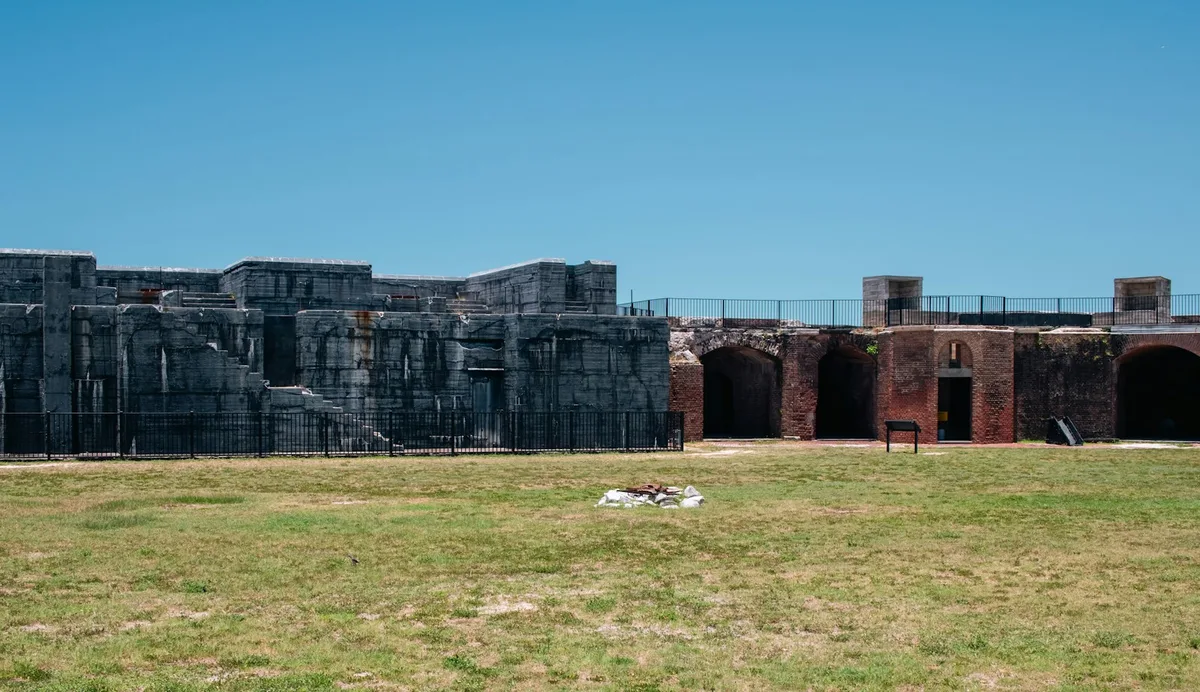
A Civil War-era fort and national historic landmark near the southern tip of Key West, paired with one of the island's best beaches for swimming and snorkeling.
Visitor guide
Fort Zachary Taylor is a masonry coastal fort at the southwestern tip of Key West, now Fort Zachary Taylor Historic State Park. Begun in 1845, it was designated a National Historic Landmark in 1973 and is known for its Civil War history, its large store of period cannon, and a beach that locals count among the island's best.
The site, then called Thompson Island, was chosen in 1822, and designs by Simon Bernard and Joseph Totten were approved in 1836. The fort was part of the Third System of coastal defences. Construction started in 1845 and the fort was named for President Zachary Taylor in November 1850. Its walls were about 5 feet thick, and the plan called for two tiers of casemates and a top gun platform holding 42 guns on three levels, with barracks for up to 800 men. Yellow fever, shortages and the remote location slowed the work, and a 1,200-foot causeway linked the fort to land. The Army Corps of Engineers leased enslaved workers from local owners to help build this fort and Fort Jefferson in the Dry Tortugas.
On January 13, 1861, Captain John Milton Brannan moved 44 men of the 1st U.S. Artillery into the unfinished fort, reportedly without orders, to keep it from Confederate hands. It stayed in Federal control for the whole war and served as headquarters for the Navy's East Gulf Blockading Squadron. The fort never came under attack, but it helped keep Key West in the Union, and the island became a base for ships enforcing the blockade of Southern Gulf ports.
In 1898, during the Spanish-American War, the Army removed the upper two tiers and added Battery Osceola and Battery Adair, newer coastal batteries. To save materials, nearly 200 Civil War-era Rodman, Columbiad and Parrott guns were used as in-fill inside the new works, where many remain. In 1968, volunteers led by Howard England dug out guns and ammunition from long-abandoned sections of the fort. Florida State Parks describes the fort as holding the largest collection of Civil War-era seacoast cannon in the United States.
The fort left active duty and passed to the Navy in 1947. It was listed on the National Register of Historic Places in 1971, donated to the State of Florida in 1976, and opened to the public in 1985. It sits beside the former Truman Annex, the naval land that President Truman used as his Winter White House.
Visitors walk the casemates, ramparts and exhibit areas, and the park runs interpretive programmes and Civil War reenactments during the year. Fill added around the fort over the years created the beach beside it, where swimming and snorkelling are popular. Acreage differs by source, with park material citing about 54 acres and another reference giving 87, so treat any single figure with care.
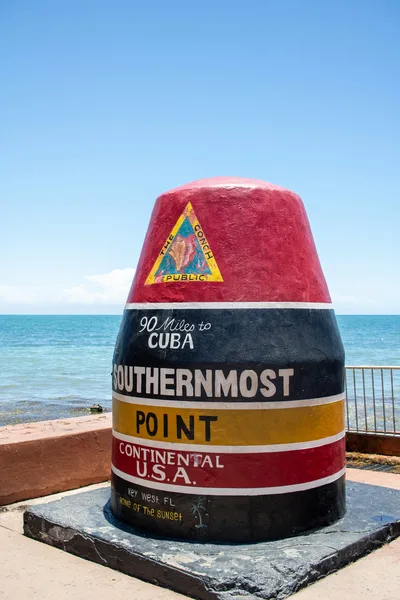
The Southernmost Point Buoy, the Hemingway house and the lighthouse lie north of the park. Duval Street and Mallory Square are a few minutes further into Old Town.
See every tour and attraction we cover in Key West.